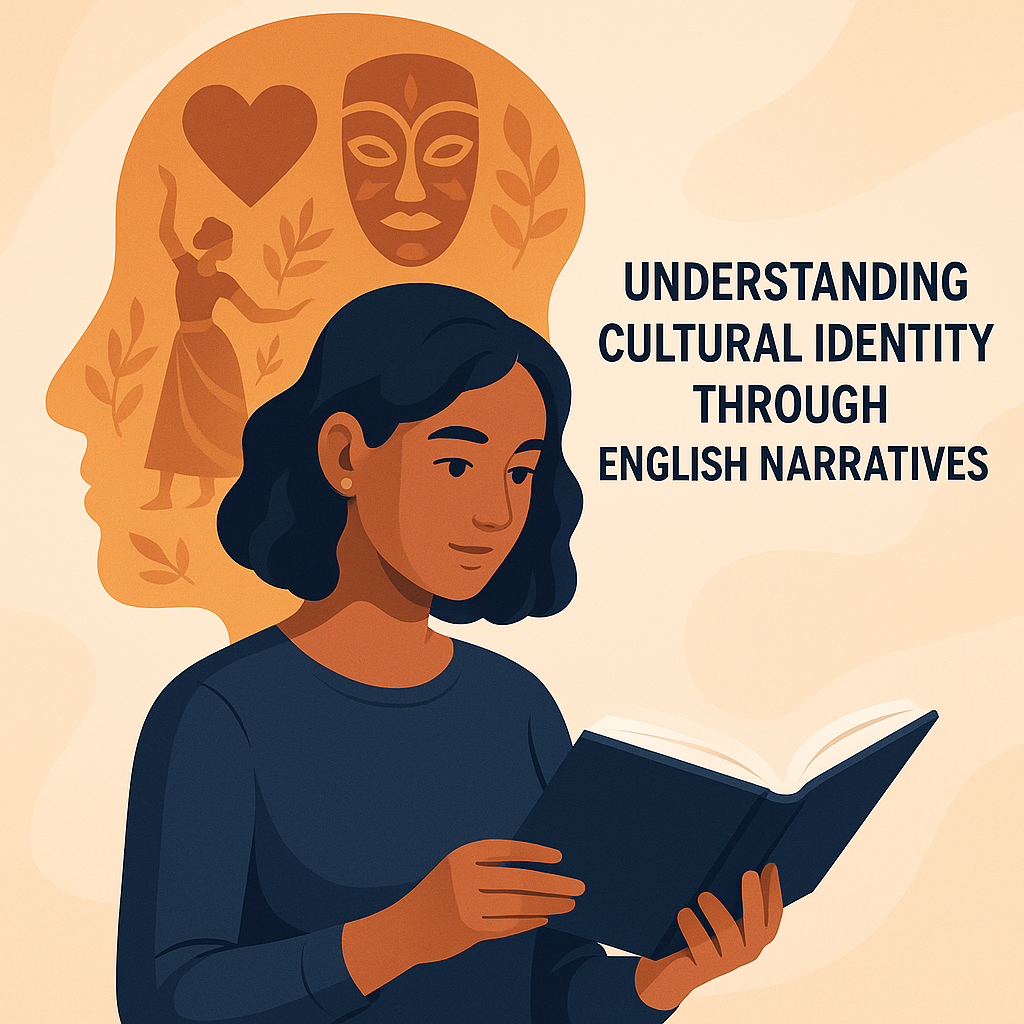
In the journey of language learning, immersion in a culture where the language is natively spoken is often touted as a powerful accelerator. When it comes to English, a global lingua franca, the benefits of cultural immersion are even more pronounced due to its diverse and widespread use. This article delves into how learners can effectively leverage cultural immersion for mastering English, exploring various facets from linguistic nuances to cultural subtleties.
The Essence of Cultural Immersion in Language Learning
Cultural immersion is not just about language acquisition; it’s a holistic approach to understanding the context in which the language operates. When learning English, it involves more than just classroom lessons or textbook exercises. It’s about experiencing the language in its natural habitat, where idiomatic expressions, slang, and cultural references come alive.
Benefits of Cultural Immersion
- Authentic Language Exposure: Immersion offers exposure to the language as it is spoken in everyday situations, providing a more comprehensive understanding than structured classroom learning alone.
- Cultural Understanding: Engaging with native speakers and their customs, traditions, and lifestyles enhances cultural sensitivity, a critical aspect of effective communication.
- Accelerated Learning: The constant exposure to English in various contexts accelerates the learning process, enabling quicker adaptation and understanding.
- Practical Application: Immersion necessitates the practical use of English in real-life scenarios, from shopping to socializing, reinforcing learning through practice.
Methods of Cultural Immersion
Travel and Study Abroad
One of the most effective ways to immerse yourself in English is by traveling or studying in an English-speaking country. This experience allows learners to engage with native speakers daily, providing invaluable opportunities for practice and real-world learning.
Participating in Cultural Activities
Engaging in local cultural activities, such as festivals, theater, or community events, offers unique opportunities to experience English within its cultural context. This not only enhances language skills but also deepens cultural appreciation.
Language Exchange Programs
Language exchange programs, where you partner with a native English speaker who wants to learn your language, can be incredibly beneficial. These programs provide a platform for mutual learning and cultural exchange.
Volunteering
Volunteering in English-speaking communities is another effective way to immerse yourself in the language. It allows for meaningful interactions with locals, enhancing both language skills and cultural understanding.
Challenges and How to Overcome Them
While cultural immersion is highly effective, it comes with its own set of challenges.
Language Barrier
Initially, the language barrier can be daunting. Overcome this by starting with basic phrases and gradually increasing complexity. Don’t be afraid to make mistakes; they are an essential part of the learning process.
Cultural Differences
Understanding and adapting to cultural differences can be challenging. Be open-minded and observant. Learn about local customs and etiquette to navigate social situations better.
Homesickness
Being away from familiar surroundings can lead to homesickness. Stay connected with family and friends but also make an effort to build new relationships in the host community.
Financial Constraints
Traveling and studying abroad can be expensive. Look for scholarships, work-study programs, or consider destinations with a lower cost of living.
Personal Experiences and Success Stories
To illustrate the impact of cultural immersion, consider the story of Maria, a student from Spain. She spent six months in the United States as part of an exchange program. Initially struggling with conversational English, she found that daily interactions with her host family, classmates, and locals greatly improved her fluency. She also participated in local volunteer work, which not only enhanced her language skills but also provided a deeper understanding of American culture.
Another example is John, a businessman from Japan, who learned English through short-term immersion experiences. He attended workshops and conferences in English-speaking countries, engaging with peers in his field. This not only improved his professional vocabulary but also his confidence in using English in a business context.
Tips for Maximizing Learning During Cultural Immersion
- Engage Actively: Take every opportunity to speak, listen, and engage in English.
- Embrace Cultural Experiences: Be open to new experiences, whether it’s trying local cuisine or participating in traditional events.
- Keep a Journal: Document your experiences and new words or phrases you learn.
- Set Realistic Goals: Set achievable language goals for your immersion period.
- Use Technology Wisely: Utilize language learning apps and online resources, but don’t over-rely on them.
- Be Patient and Persistent: Language learning is a gradual process. Be patient with your progress and persistent in your efforts.
Cultural immersion is a dynamic and enriching approach to learning English. It offers a depth of understanding that goes beyond linguistic proficiency, fostering cultural appreciation and empathy. By stepping out of your comfort zone and immersing yourself in an English-speaking environment, you not only enhance your language skills but also gain a global perspective that is invaluable in today’s interconnected world.
Remember, the journey of language learning is as much about the journey itself as it is about the destination. Embrace the challenges and joys of learning English through cultural immersion and watch as doors to new opportunities and understanding open before you.

Leveraging Technology in Cultural Immersion
In today’s digital age, technology plays a crucial role in enhancing the cultural immersion experience. Online platforms and social media can connect you with native speakers, even before you set foot in an English-speaking country. Engaging in online forums, watching English movies, and listening to podcasts are excellent ways to familiarize yourself with the language and culture.
Language Learning Apps
Apps like Duolingo, Babbel, or Rosetta Stone can supplement your immersion experience. They offer structured lessons that are beneficial for beginners and can be a great way to keep learning consistent.
Virtual Reality (VR) Experiences
VR technology offers immersive experiences that simulate real-life scenarios. Through VR, you can virtually visit English-speaking countries and engage in interactive language exercises, making it a powerful tool for remote cultural immersion.
Incorporating English in Daily Life
Cultural immersion doesn’t always require traveling abroad. You can create an immersive environment at home by incorporating English into your daily life.
Watching English Media
Regularly watching English TV shows, movies, and news channels can significantly improve your listening skills and comprehension. It also helps you understand various accents and colloquialisms.
Reading English Literature
Reading books, newspapers, and magazines in English exposes you to different writing styles and vocabulary. It also provides insights into the culture and history of English-speaking countries.
Speaking English at Home
Create a rule to speak English at certain times of the day at home. This practice can be particularly effective if you live with others who are also learning the language.
Socializing and Networking
Building relationships with native speakers is perhaps the most effective way to practice and improve your English. Engage in conversations, join clubs or groups, and attend social gatherings. These interactions provide real-life practice and help in understanding the nuances of the language.
Joining English-Speaking Communities
Participate in community groups, clubs, or forums that conduct activities in English. This not only improves your language skills but also helps in building a social network.
Using Social Media
Follow English-speaking influencers, join English language groups on social media, or participate in discussion forums. This keeps you engaged with the language and current trends.
Learning Through Mistakes
One of the most important aspects of learning through cultural immersion is the acceptance of making mistakes. Mistakes are inevitable and are a critical part of the learning process. They provide practical insights into language use and are often the best lessons.
Encouraging Feedback
Don’t hesitate to ask for corrections or explanations when you make errors. Most native speakers are happy to help and appreciate your effort in learning their language.
The Role of Persistence and Consistency
Consistency and persistence are key to mastering any language. Set aside time every day for active English practice, and stay committed to your learning goals, even when progress seems slow.
Setting Regular Goals
Establish short-term and long-term goals for your English learning journey. Regularly review and adjust these goals to align with your progress and learning needs.
Conclusion
Cultural immersion is a multifaceted approach to learning English that extends beyond traditional classroom methods. It’s about embracing the language in all its forms and nuances, understanding the culture that shapes it, and engaging with it in everyday life. By immersively experiencing English, you not only develop language proficiency but also gain cultural insights and a global perspective, enriching both your personal and professional life.
Remember, the path to fluency is unique for each individual. Embrace your journey with curiosity and resilience, and let the immersive experiences guide you towards mastery of the English language.