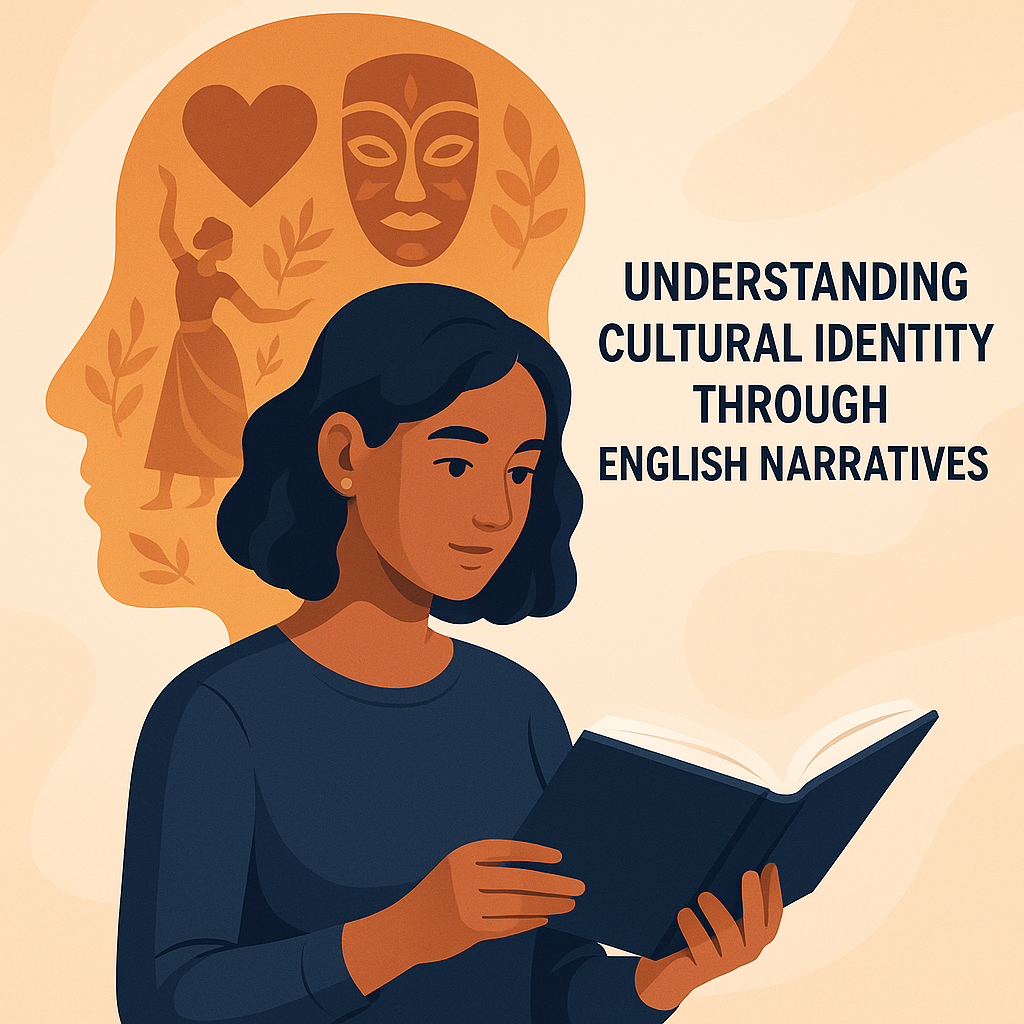
Cultural identity refers to the feeling of belonging to a particular group, defined by shared patterns, values, and norms. It’s a dynamic construct, continuously evolving with social, political, and environmental influences. English narratives, encompassing a wide range of media such as novels, plays, and stories, offer an insightful lens through which we can explore cultural identity. This exploration is essential, as understanding cultural identity helps foster empathy, self-awareness, and a more profound appreciation for diversity. Through narratives, individuals gain insights into different cultures and their own, developing a nuanced appreciation for their cultural landscape. This article, using English narratives as a central theme, will delve into how these stories shape, reflect, and challenge cultural identities.
The Impact of English Literature on Cultural Identity
English literature serves as a powerful tool in shaping and reflecting cultural identities. Works like “Pride and Prejudice” by Jane Austen illustrate how societal norms and values, characteristic of early 19th century England, still resonate with modern readers. Austen’s portrayal of social classes, gender roles, and marriage reflects societal structures, influencing cultural identity through the depiction of everyday life and moral struggles. This literary exploration allows readers to understand the historical context and evolving nature of culture. English literature, thus, not only mirrors society but also actively influences cultural consciousness and identity.
Narratives as Vessels of Cultural Transmission
Narratives play a crucial role in transmitting cultural values across generations. Through storytelling, communities preserve their customs, languages, and cultural essence. An example is Chinua Achebe’s “Things Fall Apart,” which presents pre-colonial African life and the disruptions caused by colonial forces. Achebe’s narrative offers insights into Nigerian culture, capturing its traditions, rituals, and values. The preservation and transmission of such narratives are paramount for maintaining cultural identity amidst globalization and cultural homogenization. By engaging with diverse narratives, individuals can appreciate the rich tapestry of human culture and learn to uphold their unique cultural legacies.
Cultural Identity and the Modern Narrative
Modern narratives continue to evolve, challenging traditional conceptions of cultural identity. In contemporary works like Zadie Smith’s “White Teeth,” characters grapple with multicultural identities in a globalized world. Smith’s diverse cast navigates cultural clashes, offering readers a window into the complexities of hybrid identities. These narratives highlight the fluid nature of cultural identity in a world where migration and technology connect diverse groups. Understanding these stories helps readers appreciate the multifaceted, dynamic nature of today’s cultural identities.
The Role of Language in Shaping Cultural Identity
Language is integral to cultural identity. English narratives help preserve cultural expressions while fostering global understanding. The works of authors such as Amy Tan, in “The Joy Luck Club,” underscore how language influences cultural identity. Tan’s narrative explores Chinese-American identity, emphasizing how language can both connect and alienate individuals from their cultural roots. By examining language within narratives, readers can grasp the nuances of cultural identities shaped by linguistic diversity and the tensions that arise from bicultural or multicultural experiences.
The Intersection of Cultural Identity and Societal Change
Narratives capture and respond to societal changes, reflecting shifts in cultural identity. George Orwell’s “1984,” for instance, explores themes of surveillance and totalitarianism, resonating with contemporary concerns about privacy and governmental control. Orwell’s dystopian narrative reflects societal fears and catalyzes discussions on cultural and political identity. As societies evolve, narratives act as mirrors, providing a means to process, critique, and adapt to change. Readers learn to recognize the influence of societal shifts on cultural identity, gaining insights into historical and future societal trends.
| Novel | Author | Theme | Impact on Cultural Identity |
|---|---|---|---|
| Pride and Prejudice | Jane Austen | Social Class | Shapes understanding of societal norms |
| Things Fall Apart | Chinua Achebe | Colonialism | Preserves and presents African culture |
| White Teeth | Zadie Smith | Multiculturalism | Explores identity in a globalized world |
| The Joy Luck Club | Amy Tan | Bicultural Experience | Explores linguistic and cultural duality |
| 1984 | George Orwell | Totalitarianism | Reflects societal fears and identity |
Challenges in Understanding Cultural Identity Through Narratives
Despite the richness narratives offer, there are challenges in understanding cultural identity. A single narrative cannot encapsulate the full breadth of any culture, leading to stereotypes or oversimplified views. For instance, while “Slumdog Millionaire” offers a glimpse into India, it is not representative of the entire Indian experience. This underscores the need for multiple perspectives to form a nuanced understanding of any culture. Critical engagement and open-mindedness are necessary when approaching narratives, allowing readers to discern cultural differences and commonalities objectively.
Integrating Diverse Narratives for a Holistic Understanding
To fully understand cultural identity, it’s essential to integrate diverse narratives. Engaging with global literature enriches one’s perspective and facilitates a holistic understanding of humanity’s cultural mosaic. Foundational to this pursuit is the inclusion of marginalized voices, ensuring a multiplicity of perspectives are considered. Narratives such as “The Kite Runner” by Khaled Hosseini provide insights into Afghan culture, broadening the reader’s worldview. This inclusive approach dissolves cultural barriers, fostering global citizenship and empathy. Readers become cultural ambassadors, using literature as a bridge to connect with, understand, and respect diverse cultures worldwide.
Concluding Thoughts on Cultural Identity and English Narratives
English narratives serve as a powerful conduit for exploring cultural identity, offering a window into diverse lives and worldviews. Through literature, cultural values and identities are preserved, challenged, and reshaped. By engaging with these narratives critically and empathetically, readers can gain a nuanced understanding of their own cultural identities and those of others. The benefits of such understanding include greater empathy, decreased prejudice, and the ability to navigate a multicultural world. The next step is to actively seek out diverse stories and authors, fostering a culture of inclusivity and appreciation. Readers are encouraged to explore literature beyond their cultural confines, embarking on a journey of lifelong learning and discovery.
Frequently Asked Questions
1. What is cultural identity and why is it important to understand through English narratives?
Cultural identity is a complex and dynamic construct that encompasses a person’s sense of belonging to a particular group, identified by shared beliefs, values, customs, language, and practices. It is influenced by various factors, including social, political, and environmental elements. Understanding cultural identity is crucial because it fosters a deeper empathy and self-awareness. English narratives, like novels, plays, and stories, serve as a powerful medium for exploring these identities. They allow readers to immerse themselves in different cultures through storytelling, providing insight into the lives and mindsets of others. By engaging with these narratives, individuals gain a better understanding of diverse backgrounds and cultural perspectives, which in turn helps break down stereotypes, reduces prejudice, and promotes social harmony.
2. How do English narratives help in exploring and understanding cultural identities?
English narratives offer a window into the complexities of cultural identities by providing rich, immersive experiences through storytelling. Through characters, settings, and plots, narratives illustrate how cultural identity impacts individuals’ thoughts, decisions, and relationships. Whether it’s a novel exploring the immigrant experience or a play depicting historical cultural conflicts, these stories capture the nuanced, everyday realities of cultural life. They provide the context for understanding how traditions are upheld, challenged, or transformed over time. Furthermore, narratives can highlight the common human experiences shared across different cultural backgrounds, revealing both the uniqueness and the universality of being human. Additionally, engaging with diverse narratives broadens the audience’s perspective, encouraging them to reflect on their own cultural identities in contrast to or in concert with those represented in the stories.
3. Can English narratives challenge and reshape cultural identities? If so, how?
Yes, English narratives have the power to challenge and reshape cultural identities. They do this by presenting perspectives that question the status quo and encourage readers to reconsider preconceived notions about their own identities or the identities of others. Narratives can act as a mirror reflecting societal issues, such as race, class, gender, or colonial legacies, prompting readers to address their own biases and assumptions. Through characters’ journeys and the conflicts they navigate, these stories illustrate alternative ways of thinking and living, often advocating for social change and progressive values. Additionally, by showcasing diverse voices and experiences, narratives can contribute to a more inclusive understanding of cultural identity that acknowledges intersectionality and embraces plurality. As audiences engage with these narratives, they might find themselves more open to redefining their own cultural identities in light of the insights gained from these stories.
4. What role do authors play in shaping cultural identity through English narratives?
Authors hold a significant responsibility in shaping cultural identity through their narratives. They choose which stories to tell and how they are presented, which ultimately influence readers’ understanding of cultural identities. Authors often draw from their own cultural backgrounds, personal experiences, and societal observations to craft stories that resonate with authenticity and credibility. Through vivid storytelling and character development, authors can emphasize the complexities and nuances of cultural identities. They have the opportunity to highlight underrepresented or marginalized voices, bringing visibility and recognition to experiences that have been historically overlooked or silenced. Furthermore, authors can challenge stereotypes and encourage critical reflection, promoting empathy and understanding across cultural divides. By thoughtfully engaging with cultural themes in their writing, authors contribute to the ongoing dialogue around cultural identity and its evolution over time.
5. What are some examples of English narratives that have effectively explored cultural identity, and what makes them impactful?
There are many English narratives that have effectively explored cultural identity, each making a significant impact in its own way. For example, “To Kill a Mockingbird” by Harper Lee delves into themes of racial identity and social justice in the American South, challenging readers to confront prejudice and empathy. Meanwhile, “The Namesake” by Jhumpa Lahiri addresses the complexities of identity and assimilation experienced by Indian immigrants in America, offering a powerful depiction of balancing cultural heritage with new societal norms. Another notable work is “Their Eyes Were Watching God” by Zora Neale Hurston, which explores African American female identity and autonomy in early 20th century America, presenting a rich tapestry of cultural language and community life.
These narratives are impactful because they offer personal, relatable stories that reflect broader cultural and social issues. They engage readers emotionally and intellectually, encouraging them to question and broaden their understanding of cultural identity. These works continue to resonate with audiences because they are timeless in their exploration of human experiences and are skillfully written, allowing readers to empathize with characters, situations, and settings that might be unfamiliar. The ability of such narratives to connect with readers on a profound level ensures their enduring relevance and influence in the discourse surrounding cultural identity.