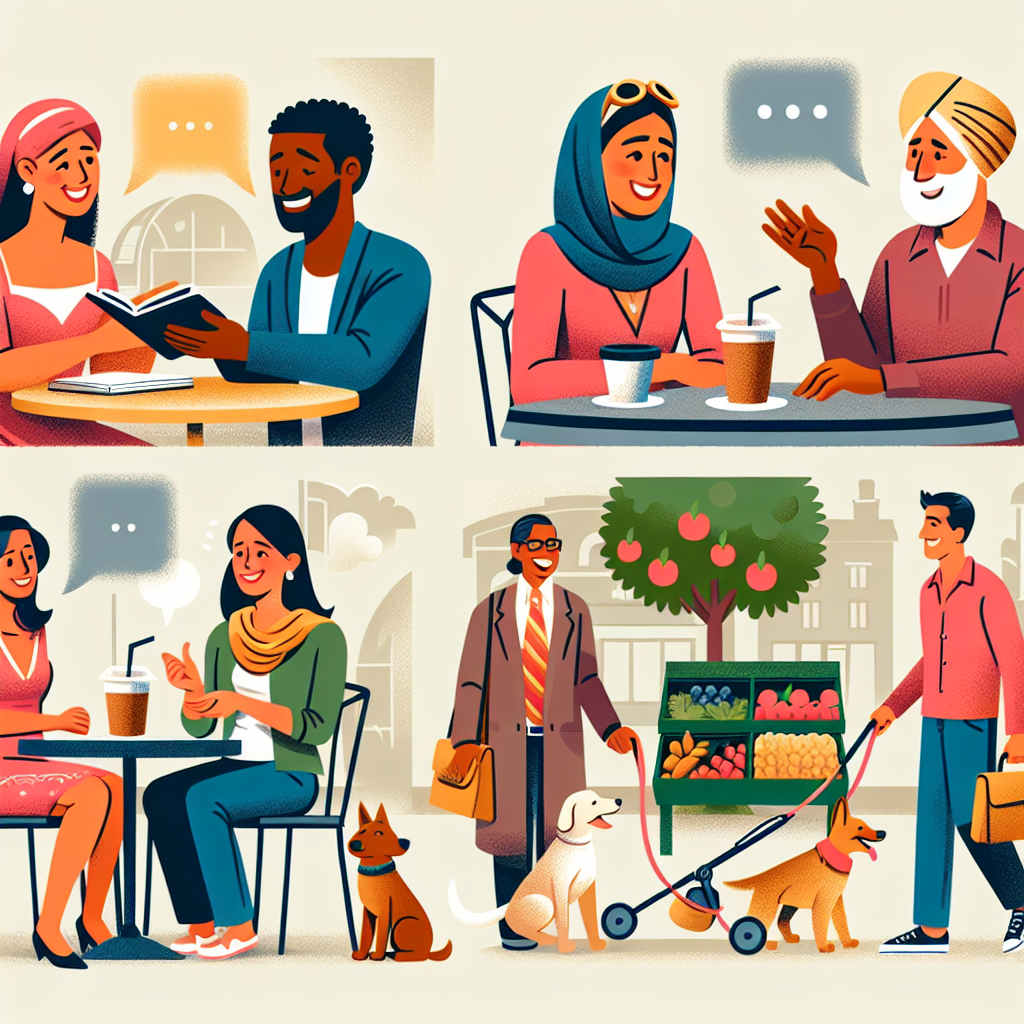
Learning a new language often requires mastering not only grammar and vocabulary but also the subtleties of expressing emotions. One of the delightful challenges for English as a Second Language (ESL) learners is effectively expressing enthusiasm and excitement. These emotions are universally experienced and conveyed in almost every situation, from a friendly chat to a professional meeting. Mastering these expressions enriches your conversational skills, helping you connect with others and share your passions more vividly. This article guides you through techniques and expressions to convey excitement in English, ensuring your language usage is both natural and nuanced.
Enthusiasm, by its nature, is infectious. When you express it correctly, you can energize conversations and foster a more engaging interaction with native English speakers. It goes beyond mere words—how you express enthusiasm can significantly affect the tone and feel of a conversation. Whether you’re congratulating someone, sharing good news, or merely participating in a dialogue about your favorite TV series, knowing how to articulate your excitement makes your communication vibrant and compelling.
The Basics of Expressing Enthusiasm
To start with, let’s explore some foundational expressions. Words and phrases like “Wow!”, “Awesome!”, “Fantastic!”, and “I can’t wait!” are common and readily understood ways to convey enthusiasm. These are often used in response to good news or when discussing something you’re looking forward to. For instance, “Wow, that’s fantastic news about your promotion!” or “I can’t wait for the weekend—it sounds like you have amazing plans lined up!” Using such expressions can instantly communicate your excitement and positivity.
However, expressing excitement goes beyond these basics. Tone of voice plays a crucial role—enthusiasm is often accompanied by a livelier, sometimes higher-pitched voice. Your energy can often be conveyed through vocal variation and body language, such as smiling or using expressive hand gestures. This non-verbal communication complements your verbal expressions, creating a fuller, more engaging expression of enthusiasm.
Advanced Vocabulary for Enthusiasm
Beyond the basics, there are several advanced vocabulary words and expressions that can convey excitement more precisely. Terms like “thrilled,” “ecstatic,” “over the moon,” and “buzzing” offer richer, more nuanced expressions of enthusiasm. For example, “I’m thrilled for your success” implies a deeper, more personal sense of excitement, while “I’m over the moon about the concert” suggests a joyous, almost child-like excitement. These expressions can help you add variety to your language and better fit the mood or occasion.
Using adjectives is another useful way to express excitement, such as “stunning” or “breathtaking” to describe a beautiful view, or “mind-blowing” for an amazing experience. By incorporating such descriptive language, you can vividly portray your excitement and paint a clearer picture for your conversation partner.
Expressions in Different Contexts
Enthusiasm can be context-dependent, and recognizing how to modulate your expressions based on the situation is key. In informal settings, you may use colloquial expressions like “I’m stoked” or “This rocks!” These casual phrases are perfect for friendly conversations and social interactions. However, in professional settings, you may want to opt for more refined expressions, like “I’m genuinely excited” or “I’m looking forward to this opportunity.” Adjusting your degree of enthusiasm to suit the context demonstrates empathy and conversational maturity.
Furthermore, enthusiasm can relate to specific topics. For example, if discussing technology, phrases like “I’m totally geeking out” or “This tech is groundbreaking” fit well. In artistic settings, expressions like “breath-taking performance” or “captivating masterpiece” can help convey your passion for the subject.
Cultural Approaches to Enthusiasm
When learning to express enthusiasm in English, it’s essential to consider cultural nuances. Different cultures have varied norms for demonstrating excitement, which can influence how people perceive your expressions. In some cultures, showing high levels of enthusiasm is standard and expected. In contrast, in others, it might be viewed as overly exuberant. Understanding these cultural contexts aids in modulating your enthusiasm appropriately across different settings.
In English-speaking cultures, enthusiasm is generally embraced both in personal and professional contexts, though its formality can vary. By being sensitive to such cultural dynamics, you can navigate social situations more effectively and avoid misunderstandings, enhancing communication efficiency and fostering warm interactions.
Practice Makes Perfect
Like any other aspect of language learning, practice is crucial to mastering the art of expressing enthusiasm. Engaging in conversations with native speakers, watching English films or series, and participating in English forums can provide exposure to various expressions of excitement. This practice helps you become more comfortable with using these expressions naturally in your everyday conversations.
Additionally, try recording yourself while speaking about a topic you are passionate about and listen back. Note any gaps or areas where your expression could be more vivid or varied. This self-assessment allows for personal improvement in both vocabulary and delivery, ensuring your enthusiasm feels genuine and well-communicated.
Conclusion
Expressing enthusiasm and excitement adeptly in English is a rewarding skill that enhances your communication and builds deeper connections with others. From basic expressions to nuanced vocabulary, understanding the context and cultural significance, and consistently practicing, you can master this vibrant aspect of the language. An ESL learner who can convey excitement effectively showcases not only their language proficiency but also their ability to connect and engage in meaningful relationships.
Remember, language is as much about the emotions it can carry as it is about the words. Enthusiasm is a powerful tool—when expressed authentically, it can transform conversations, inspire those around you, and convey a true sense of eagerness and passion. Keep practicing, stay curious, and let your excitement shine through your words.