Introduction to Idioms
Idioms are expressions unique to a language that often don’t make literal sense, yet they are integral to gaining fluency. Mastering these informal phrases in English is essential for anyone looking to enhance their cultural understanding and conversational abilities. English idioms enrich communication by adding color, humor, and nuance, making conversations more engaging and expressive. However, these idiomatic expressions can be perplexing to non-native speakers because their meanings often cannot be gleaned from the individual words. Understanding idioms requires familiarity with the culture, history, and context in which they’re used. In this guide, we delve into these essential components that will help you navigate informal English with ease and confidence.
Idioms pervade the spoken language in English-speaking countries, making them impossible to avoid in everyday conversation. They can appear in every genre of conversation—be it casual chit-chat, literature, or even movies. Knowing when and how to use them effectively is an art that, once mastered, enhances your communication skills dramatically. They go beyond language barriers and help in building rapport with native speakers, offering insights into everyday life. By engaging with this guide, you will become attuned to the complexities of English idioms and gain the tools necessary to understand and use them proficiently.
This article serves as your roadmap to mastering English idioms. We will explore the origins of idioms, decode their true meanings, and discuss how to incorporate them naturally into your speech and writing. From offering tips to remember these phrases to addressing common misconceptions, we aim to simplify this complex aspect of the English language. With perseverance and practice, you can transition from being daunted by these intricate expressions to using them with skill and flair, thereby taking a significant step forward in your language learning journey.
Understanding the Origins of Idioms
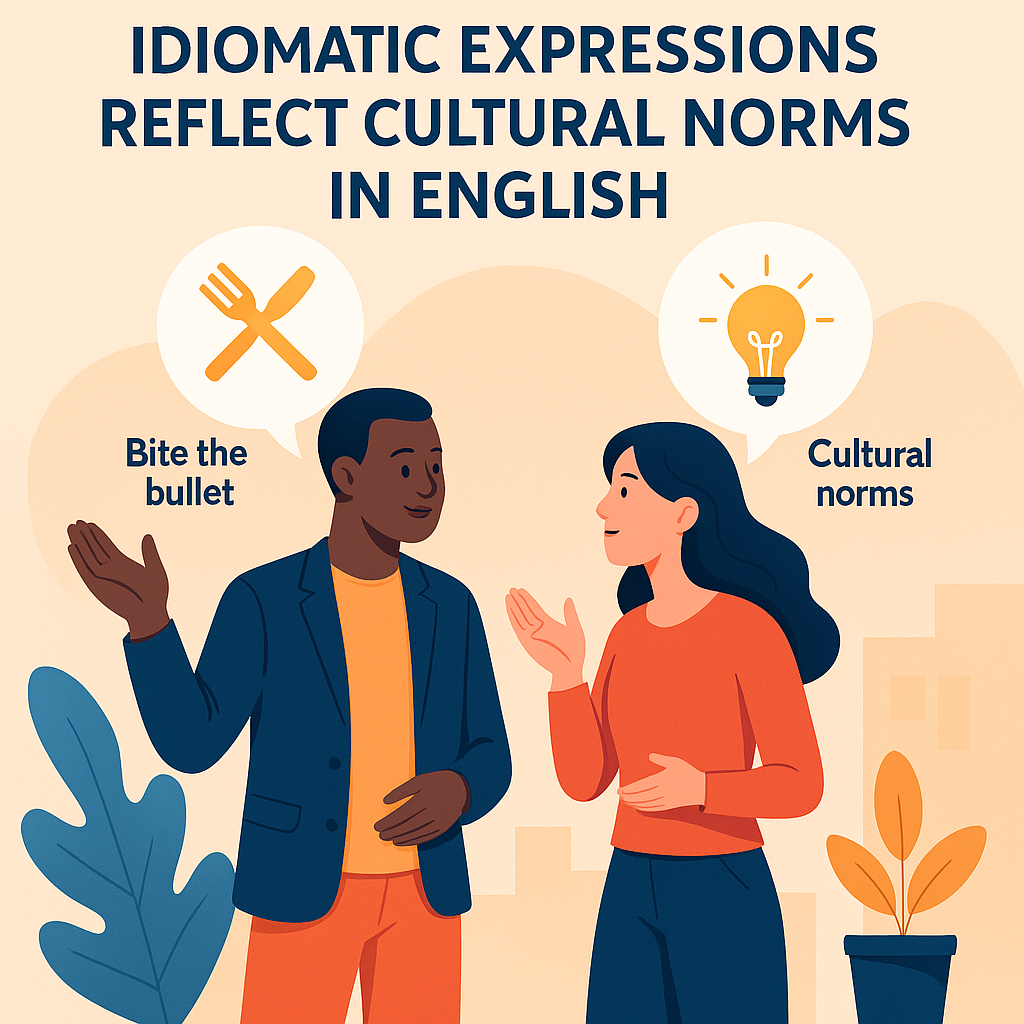
Grasping the history and evolution of idioms is crucial to understanding their current usage. Most idioms trace back to historical events, literary works, or old customs that have been passed down through generations. Knowing the origins can help in decrypting their seemingly peculiar meanings. For instance, the idiom “Bite the bullet” dates back to times when wounded soldiers, during surgical procedures without anesthesia, would bite on a bullet to cope with pain. Understanding such backgrounds can provide clarity on why certain phrases mean vastly different things than their superficial readings suggest.
Many idioms have their roots in the delightful sphere of literature or personal anecdotes shared over centuries. For instance, “To spill the beans” allegedly originates from ancient Greece, where beans were used to vote secretly. If someone ‘spilled the beans,’ it prematurely revealed the outcome. Similarly, Shakespeare’s works are a tremendous reservoir of idioms. Phrases like “The world is your oyster” come from his play, “The Merry Wives of Windsor.” These literary examples highlight not only how idioms develop from historical events or cultures, but also their pervasive impact on contemporary conversation.
The diversity of English-speaking countries further influences idiomatic expressions. In America, slang and cultural conditions have birthed idioms like “cold turkey” to describe abruptly quitting bad habits. Meanwhile, in Britain, you might hear “chew the fat” which refers to having a leisurely chat, stemming from naval traditions. By exploring the origins, one can appreciate the latent cultural sensibilities they embody and understand the interrelation between a society’s history and its language. Knowing the source not merely aids memory but deepens the appreciation for the language you’re learning.
Decoding Idiom Meanings
Deciphering the true meanings of idioms often requires thinking figuratively rather than literally. Idioms like “Break the ice,” meaning to initiate conversation, might not make literal sense until you consider its metaphorical implications—breaking barriers to make social interaction flow smoothly. This realm of figurative language enriches communication by adding layers of meaning, emotive significance, and humor. It is paramount to recognize idioms as creative expressions that reflect the speaker’s intent beyond the words themselves.
One approach to comprehend idioms is by associating them with similar phrases in your native language. This connection often aids in bridging the interpretational gap. For instance, the German equivalent for “Jumping on the bandwagon” is akin to “Mit dem Strom schwimmen,” reflecting both language’s parallel for embracing something trendy. This cross-linguistic association leverages native patterns of understanding to make idioms more relatable. Practicing these associations helps reinforce memory and spark creativity in applying idiomatic expressions fluently.
An effective strategy for mastering idioms is engaging in active reading and listening—immerse yourself in English media like films, books, or podcasts. Pay close attention to context as it holds the key to understanding. Observing how idioms are used within dialogues sharpens interpretative skills. Authentic exposure allows you to experience idioms in their natural habitat, illustrating how they convey emotions, create humor, or portray shared cultural experiences. This immersive strategy offers a dynamic learning experience, advancing your grasp of idiomatic nuances in a way that is both practical and informed.
Incorporating Idioms into Speech and Writing
To truly benefit from understanding idioms, one must incorporate them into regular use. Start small by using idioms in everyday conversations. Take, for instance, the idiom “Hit the nail on the head,” which praises someone for being exactly correct. Once you recognize an opportunity to use it aptly, don’t hesitate to include it in your dialogue. By practicing regularly, you build confidence, which in turn enhances fluency over time. Regular use also helps consolidate your grasp of their meanings and contexts, allowing you to use them instinctively.
Writing is another excellent medium for practicing idioms. Whether writing emails, journal entries, or even creative stories, infusing your text with idioms can heighten its stylistic tone. It makes your language more vibrant, effectively conveying ideas with a punch. However, ensure you use them appropriately. Overuse or improper application can render communication unclear. Balance is key—let idioms enhance your voice rather than overshadow your message. It’s much like seasoning; just the right amount makes the composition richer.
Collaborative learning through speaking exercises can also bolster familiarity with idioms. Engage in conversations with native speakers or join language exchange groups where idioms frequently surface. These interactions simulate authentic conversations, helping you refine your ability to pick and choose suitable idioms for various scenarios. Moreover, feedback from peers and language partners is invaluable. Such feedback highlights when your choices are effective or when you might need more practice, allowing for continual learning and improvement.
Overcoming Common Challenges with Idioms
Despite their benefits, idioms can be tricky due to cultural context variance and sheer memorization challenge. A potential pitfall is translating idioms word-for-word into another language, leading to confusion. For instance, “Raining cats and dogs” directly translated might baffle non-native speakers unfamiliar with its intent of describing heavy rain. Hence, overcoming these challenges requires flexibility in approaching them contextually rather than relying on literal translations.
Sometimes idiom meanings change over time. Keeping up with current usage is necessary, especially as languages evolve. For instance, “Burning the midnight oil” historically connected to working by an oil lamp. Despite technological advances, its modern usage retains the metaphor for working late hours. Staying updated with modern expressions ensures your usage remains relevant, striking a chord with contemporary audiences.
The memorization of idioms itself poses a challenge due to their volume and variety. Utilize mnemonic devices to aid memory retention. For example, associating images or stories with complex idioms can lock the meaning into memory. Employ spaced repetition techniques, revisiting idioms over intervals to solidify them in long-term memory. These strategies can lighten the burden of memorization and turn learning into an engaging process.
Practical Steps to Master Idioms
To effectively master idioms, setting clear, achievable goals is paramount. Start by identifying a set number of idioms you aim to master each week. Focus on a blend of commonly used idioms to reinforce daily conversations and unique idioms that capture cultural essence. Structured learning, combined with a realistic timeline, provides clear direction and measurable progress in your fluency journey.
Create a dedicated idiom journal to document new phrases, contexts, and meanings as you encounter them. Organize your journal by themes or categories, such as idioms related to emotions, weather, or work, making it simpler to revisit and find patterns in usage. This method enhances retention and provides a handy resource you can refer to for self-assessment or revision at a glance.
Engage with various media to interact with idioms in their natural settings. Whether through watching movies, reading books, or listening to songs, each medium offers a unique angle on idiomatic usage. Annotate idioms you encounter and reflect on their meanings and contexts. This exposure helps identify when idioms are used sarcastically, humorously, or with emotional emphasis, thereby broadening your understanding beyond dictionary definitions.
Conclusion: Embracing the Idiomatic Journey
Mastering idioms represents a significant milestone in language acquisition. By exploring idioms, you uncover an enriching layer that connects you to the cultural depths of English-speaking societies. As you transform from a learner to a competent speaker, idioms become tools for effective communication, enabling you to express your ideas with creativity and emotional precision, while also fostering deeper understanding and connections with native speakers.
It’s essential to approach this learning journey with patience and perseverance. Identify areas for improvement, celebrate small victories, and embrace mistakes as learning opportunities. Language is ever-evolving, and your journey with idioms reflects an ongoing commitment to language mastery. Through practice, cultural exploration, and genuine curiosity, you’ll develop a keen sense for when, where, and how to employ idiomatic expressions effectively.
In conclusion, idioms are not obstacles but pathways to becoming a more adept and expressive communicator. They offer a window into the soul of the language, providing insights that go beyond words. This guide has equipped you with the knowledge, strategies, and confidence to navigate idioms with ease. Embrace this journey with enthusiasm and watch your communication skills flourish, as you engage listeners and convey your thoughts with lively idiomatic expression, enriching every conversation you embark upon.
Frequently Asked Questions
1. What exactly are idioms, and why are they important in learning English?
Idioms are unique expressions or phrases native to a language that don’t usually make literal sense when you first hear them. They often consist of a group of words whose meaning isn’t directly deducible from the individual words. For example, the idiom “kick the bucket” means “to die,” which isn’t apparent from the words themselves. Understanding idioms is crucial for mastering English because they are rampant in everyday conversation and literature. They add color, humor, intricacy, and depth to language, transforming dull exchanges into lively interactions. Also, they offer valuable insights into the cultural and historical contexts of a language. Without a solid grasp of idioms, you may find yourself missing the nuances or even the entire joke in a conversation! Mastering idioms enhances not only conversational fluency but also your understanding of English speakers’ cultural and emotional expressions.
2. Why do non-native speakers find idioms particularly perplexing?
Non-native speakers often grapple with idioms because these expressions don’t translate directly and frequently escape logical interpretation. Idioms are embedded with cultural references, historical contexts, and, sometimes, humor that can seem alien or illogical without background knowledge. For example, the idiom “the ball is in your court” refers to taking responsibility or waiting for a response and stems from sports terminology, which might be unfamiliar to someone from a different culture or linguistic background. Additionally, idioms often involve metaphors and cultural references that require familiarity with the socio-cultural standings and history of English-speaking countries such as the UK or the US. Understanding an idiom goes beyond knowing the words; it’s about grasping the context, which can significantly vary from one language or culture to another.
3. How can learning idioms improve my conversational skills in English?
Mastering idioms can considerably enhance your conversational skills, making interactions with native speakers more dynamic and engaging. When you use idioms in a conversation, you demonstrate a deeper grasp of the language, signal cultural competence, and immediately appear more fluent and relatable. Idioms can help articulate emotions, describe situations vividly, and often allow you to communicate your thoughts more clearly or humorously. For instance, saying someone “let the cat out of the bag” is more colorful and expressive than bluntly stating that person revealed a secret. Additionally, recognizing idioms can prevent misunderstandings during conversations and enable you to respond appropriately in social contexts, thus fostering better, more natural interpersonal interactions.
4. Are there any strategies to effectively learn and remember English idioms?
Absolutely, there are several strategies for learning and remembering idioms effectively: – **Context Usage**: Understand how idioms are used in context by reading books, watching movies, or listening to native speakers. This helps grasp the situational appropriateness. – **Visual Aids**: Create mental images or visual stories around an idiom. Associating a phrase with a vivid picture can make it more memorable. – **Practice**: Use idioms in your daily conversations or writing. The more you use them, the easier they will stick in your memory. – **Categorization**: Group idioms by themes or emotions. For example, categorize them into feelings like happiness, anger, or topics like sports, food, etc. – **Flashcards and Apps**: Use flashcards or language apps that focus on idioms. Repetition through these tools can reinforce your memory. Understanding and regularly practicing these strategies can help you integrate idioms smoothly into your English repertoire.
5. How can I tell when it’s appropriate to use idioms in conversation?
Determining the right context to use an idiom involves understanding both the situation and the audience. Here are a few tips: – **Audience Awareness**: Consider who you’re speaking with. Idioms are best suited for informal settings and with people familiar with them. They might confuse those who aren’t fluent in English or aware of cultural nuances. – **Situational Context**: Use idioms in relaxed, everyday conversations rather than formal presentations or documents unless they add value or clarity. – **Cultural Sensitivity**: Be cautious with idioms that might reference sensitive cultural or historical events. Make sure the idiom doesn’t come off as non-inclusive or offensive. – **Practice Empathy**: If in doubt, gauge the listener’s reaction and clarify the meaning if your idiom appears misunderstood. Avoid overuse, as dropping too many idioms can obscure your intended message. The key is to make sure that the idioms enhance the conversation and don’t distract or confuse your listeners!