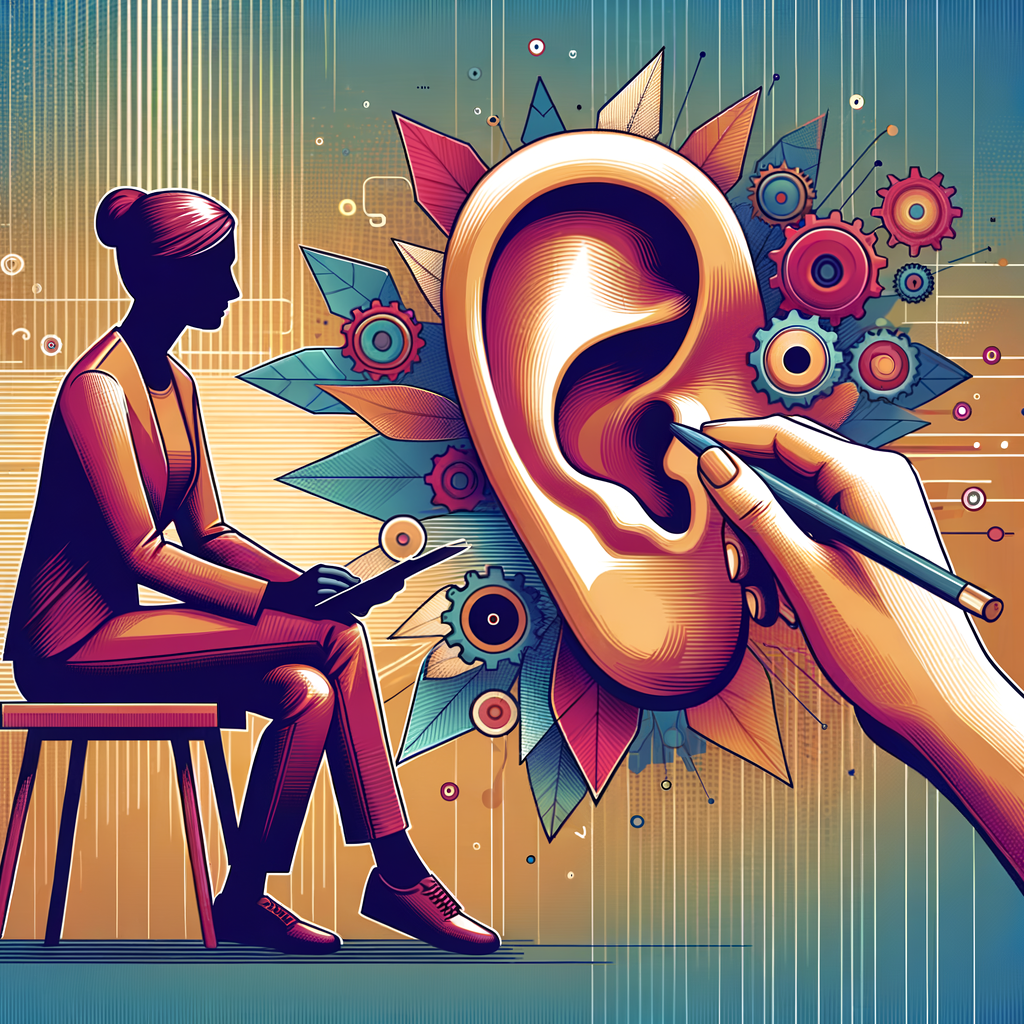
In today’s fast-paced world, being able to make your voice heard in group settings is a crucial skill, not only for personal growth but also for professional success. Whether you are participating in a business meeting, an academic group discussion, or a community assembly, effectively communicating your thoughts can lead to new opportunities and greater influence. Yet, many people struggle with this skill due to factors such as fear of judgment, lack of confidence, or insufficient practice. The aim of this article is to explore various techniques that can help you make your voice heard effectively in group settings. By understanding and applying these strategies, you can overcome common barriers to communication and ensure that your ideas are communicated clearly and confidently, making a lasting impact.
The term “making your voice heard” specifically refers to the ability to express one’s opinions, ideas, or needs effectively in a group context. It involves not just speaking up, but also ensuring that your message is understood and valued by the audience. This capability is important because it enables you to contribute to decision-making processes, influence outcomes, and shape the environment around you. Furthermore, mastering this skill can enhance your self-esteem, improve your relationships, and open doors to exciting new paths in your career and personal life.
Understanding the Importance of Preparation
One of the most effective techniques for making your voice heard is preparing thoroughly before engaging in any group setting. Preparation provides you with the knowledge and confidence necessary to articulate your thoughts clearly. Moreover, it allows you to anticipate potential questions or challenges and address them proactively.
A real-world example involves a project manager participating in a weekly team meeting. By preparing a structured agenda and key talking points in advance, she ensured that her ideas were presented with clarity and authority. As a result, she gained the trust of her team and fostered an environment where open communication was encouraged.
In plain terms, preparation involves understanding the topic of discussion, identifying your main points, and backing them up with facts or evidence. It also includes rehearsing your presentation to fine-tune your delivery and anticipate reactions.
Leveraging Body Language
Body language plays a critical role in making your voice heard. It includes non-verbal cues such as eye contact, gestures, posture, and facial expressions, all of which can reinforce your message and demonstrate your confidence.
Consider the example of a student presenting a project in class. By maintaining eye contact with the audience, using purposeful gestures, and standing upright, the student projected confidence and engaged the listeners, making the presentation more impactful.
To leverage body language, focus on maintaining open and positive postures, making eye contact with different members of the group, using gestures to emphasize key points, and smiling to create a welcoming atmosphere.
Active Practice of Effective Listening
Effective listening is an often-overlooked aspect of making your voice heard. By actively listening to others, you demonstrate respect for their viewpoints and create an environment of mutual understanding and collaboration.
Imagine a scenario where two colleagues are debating a solution to a workplace problem. By listening attentively and acknowledging each other’s perspectives, they are able to build on each other’s ideas, leading to a more innovative and effective solution.
Practically, active listening involves focusing on the speaker, asking clarifying questions, providing feedback, and summarizing what you have heard to ensure understanding.
Utilizing Structured Communication Techniques
Structured communication techniques, such as the use of frameworks or models, can help you organize your thoughts and present them in a coherent and persuasive manner. This approach ensures that your message is logical and easy to follow.
A practical application of this technique can be seen in Toastmasters, a public speaking organization, where members use frameworks like the “opening-body-conclusion” model to structure their speeches effectively. This technique helps speakers establish a clear narrative that resonates with their audience.
To utilize structured communication, start with a strong opening to capture attention, clearly outline your main points, provide supporting details or examples, and conclude with a memorable takeaway or call to action.
Table: Visualizing Group Dynamics
| Technique | Description | Impact |
|---|---|---|
| Preparation | Thoroughly preparing agenda and talking points | Enhances clarity and confidence |
| Body Language | Using eye contact and gestures | Reinforces message and demonstrates confidence |
| Effective Listening | Focusing on and understanding others’ viewpoints | Creates mutual understanding and collaboration |
| Structured Communication | Organizing thoughts using models | Ensures logical and persuasive presentation |
Building Confidence Through Practice
Confidence is a key factor in effectively communicating your ideas in group settings. While some people naturally exude confidence, others may need to nurture it through practice and experience.
An illustration of this is illustrated by performers who face stage fright. By engaging in frequent rehearsals and gradually exposing themselves to larger audiences, they build the confidence needed to deliver powerful performances.
Building confidence involves practicing your message in front of a mirror or with friends, participating in smaller groups before larger ones, and continuously seeking feedback to grow and improve your skills.
Contextual Awareness and Adaptability
Understanding the context of the group setting and adapting to the dynamics of the room are essential for ensuring that your voice is heard. This involves recognizing the unique characteristics and preferences of the audience and adjusting your communication style accordingly.
A relevant example is a presenter who modified her technical language to a more relatable tone when addressing a non-specialist audience. This adaptability facilitated comprehension and engagement, enhancing the effectiveness of her communication.
To be contextually aware and adaptable, observe the audience’s reactions, adjust your message and tone to resonate most with the listeners, and be prepared to answer questions or rephrase if needed.
Summary and Call to Action
In summary, making your voice heard in group settings is a multifaceted skill that involves preparation, leveraging body language, practicing effective listening, utilizing structured communication, building confidence, and adapting to context. Each of these techniques helps to overcome the common barriers to communication, enabling you to express your ideas clearly and confidently. By mastering these strategies, you can enhance your ability to contribute to discussions, influence decisions, and drive successful outcomes.
The key takeaway from this article is the understanding that making your voice heard is not merely about speaking louder or more frequently; it is about communicating effectively and meaningfully. By focusing on the strategies discussed, you can develop your communication skills and make a lasting impact in any group setting.
Your journey to becoming a confident and influential communicator begins with taking action. Start by selecting one or two techniques from the article that resonate with you, and commit to practicing them in your next group encounter. Observe how these strategies transform the way your voice is received, and gradually incorporate additional methods as you refine your skills.
Remember, making your voice heard is an ongoing process of growth and development. As you continue to apply these techniques, you will become more adept at navigating group settings, ultimately leading to greater success and fulfillment in both your professional and personal endeavors.
Frequently Asked Questions
1. How can I effectively prepare to make my voice heard in group settings?
Preparation is crucial when it comes to ensuring your voice is heard in group settings. Start by understanding the topic or agenda of the meeting or discussion. Do thorough research to gather all necessary information related to the topic. Outline your thoughts and develop a clear, concise message you wish to convey. Practice delivering your points beforehand, either alone or with a trusted friend who can provide feedback. This preparation will boost your confidence and enable you to articulate your message effectively. Additionally, anticipate potential questions or counterarguments that may arise and prepare your responses. Engaging heavily with the topic at hand will help you feel more at ease during the actual discussion, making it more likely for you to speak up with authority.
2. What are some techniques to overcome the fear of judgment when speaking in a group setting?
Fear of judgment is a common barrier when speaking in group settings. To combat this, focus on shifting your perspective. Remember that everyone is there to learn and share knowledge, just like you. It’s helpful to adopt a mindset that views the conversation as a collaborative exchange rather than a performance. Building self-confidence can gradually reduce the fear of judgment. Practice mindfulness and self-compassion to ease anxiety. Visualization techniques can also be beneficial; imagine a successful speaking experience to create positive mental associations. Engage with supportive peers to build a network that encourages open expression and reassurance. Over time, these techniques can empower you to speak without the overwhelming fear of judgment.
3. How can I ensure my contributions are noticed and valued in group discussions?
Making your contributions noticeable and valued involves a combination of assertive communication and active listening. Start by positioning yourself strategically in the group to maintain eye contact with key participants, which naturally prompts acknowledgment when you speak. Use strong opening statements to capture attention, and articulate your points with clarity and precision. Concentrate on adding value by aligning your contributions with the main objectives of the discussion. Make sure to address and appreciate others’ viewpoints to foster an environment of mutual respect. Contributing regularly, at opportune moments, reinforces your active presence within the group. Ensure that your non-verbal communication, such as maintaining eye contact and using appropriate gestures, supports your spoken words, enhancing their impact and ensuring they resonate within the group.
4. What role does body language play in effectively communicating in a group setting?
Body language is a powerful tool in communication that often speaks louder than words. It plays a critical role in how others perceive your confidence and authority in a group setting. Start by adopting an upright, open posture to project confidence. Make eye contact with your audience as it conveys sincerity and engagement. Use hand gestures to emphasize key points, but ensure they’re natural and not distracting. Pay attention to facial expressions to ensure they align with your message—smiling can exude friendliness and aid in establishing rapport. Being aware of your body language helps to reinforce your verbal communication, making your message more compelling and giving you greater control in group interactions.
5. How can active listening improve your chances of being heard and understood in group settings?
Active listening is a cornerstone of effective communication, particularly in group settings. By demonstrating that you are fully engaged with what others are saying, you build credibility and earn the respect of your peers, which enhances your ability to speak and be heard. Start by giving your full attention to the speaker, maintaining eye contact, and nodding at appropriate times to show understanding. Avoid interrupting and wait for your turn to speak. Once others have made their point, try paraphrasing or summarizing what was said to show comprehension; this also provides a natural segue to introduce your views. Doing so creates a respectful dialogue environment, where your contributions are more likely to be welcomed and considered. Active listening not only improves mutual understanding but also enriches the discussion by incorporating diverse perspectives thoughtfully.