English has cemented its place as the lingua franca of the modern world, spanning an array of fields including business, technology, education, and science. One often overlooked yet immensely vital domain where English plays a crucial role is in international wildlife protection. The battle to save endangered species and preserve our planet’s natural harmony transcends national boundaries, and the necessity for a unifying language like English cannot be overstated. Within the context of conservation, English serves as a bridge to bring together diverse stakeholders, enabling effective communication, collaboration, and dissemination of crucial information.
From non-governmental organizations (NGOs) and global environmental bodies to local conservationists and policymakers, the ability to communicate in English facilitates smoother negotiations and the implementation of coordinated efforts to safeguard wildlife. Mastering English skills can thus be seen as not just an academic exercise, but as a crucial tool in the global endeavor to protect our natural heritage. The translation of scientific research, the execution of joint action plans, and even the delivery of educational programs all frequently depend on good command of the English language. In this article, we’ll explore how mastering English skills can enhance efforts in wildlife protection on an international scale.
English as a Common Language for Conservationists
International wildlife protection relies heavily on effective communication among a diverse group of stakeholders. These include scientists, researchers, environmental activists, and policymakers from different countries. English, being the most widely spoken second language around the globe, serves as a common medium that enables these parties to share vital information seamlessly.
Research papers and environmental reports are predominantly published in English. Access to these documents is essential for anyone involved in wildlife protection, as it provides them with the latest findings, strategies, and technologies available. Furthermore, international conferences, seminars, and workshops are often conducted in English, offering platforms for knowledge exchange and collaborative planning. An adeptness in English not only permits conservationists to stay updated but also allows them to contribute their findings to the global community.
Additionally, English proficiency helps remove linguistic barriers, fostering cooperation among countries that might not share a common local language. For instance, a conservation project involving African and Asian countries will likely use English as the primary language for all communications. Therefore, mastering English can significantly enhance one’s ability to participate effectively in international conservation efforts.
The Role of English in Scientific Research and Documentation
Scientific research is the backbone of effective wildlife protection strategies. Detailed documentation, accurate reporting, and clear articulation in research papers are indispensable for advancing our understanding of wildlife and the threats they face. English dominates the world of scientific literature, with the majority of high-impact journals requiring submissions in English.
For researchers, being proficient in English ensures they can contribute their work to widely read and respected publications. This widespread dissemination not only validates their research but also ensures that critical findings reach a broad audience quickly. English-literate researchers have a significant advantage in gaining credibility, attracting funding, and forming international research collaborations, all of which are crucial for pioneering innovative conservation strategies.
Moreover, English facilitates peer reviews and open dialogues within the scientific community, leading to more rigorous and reliable research outcomes. When researchers from different parts of the world critique, validate, and build upon each other’s work in a common language, the quality and impact of wildlife protection efforts are profoundly enhanced.
Global Policy Making and International Agreements
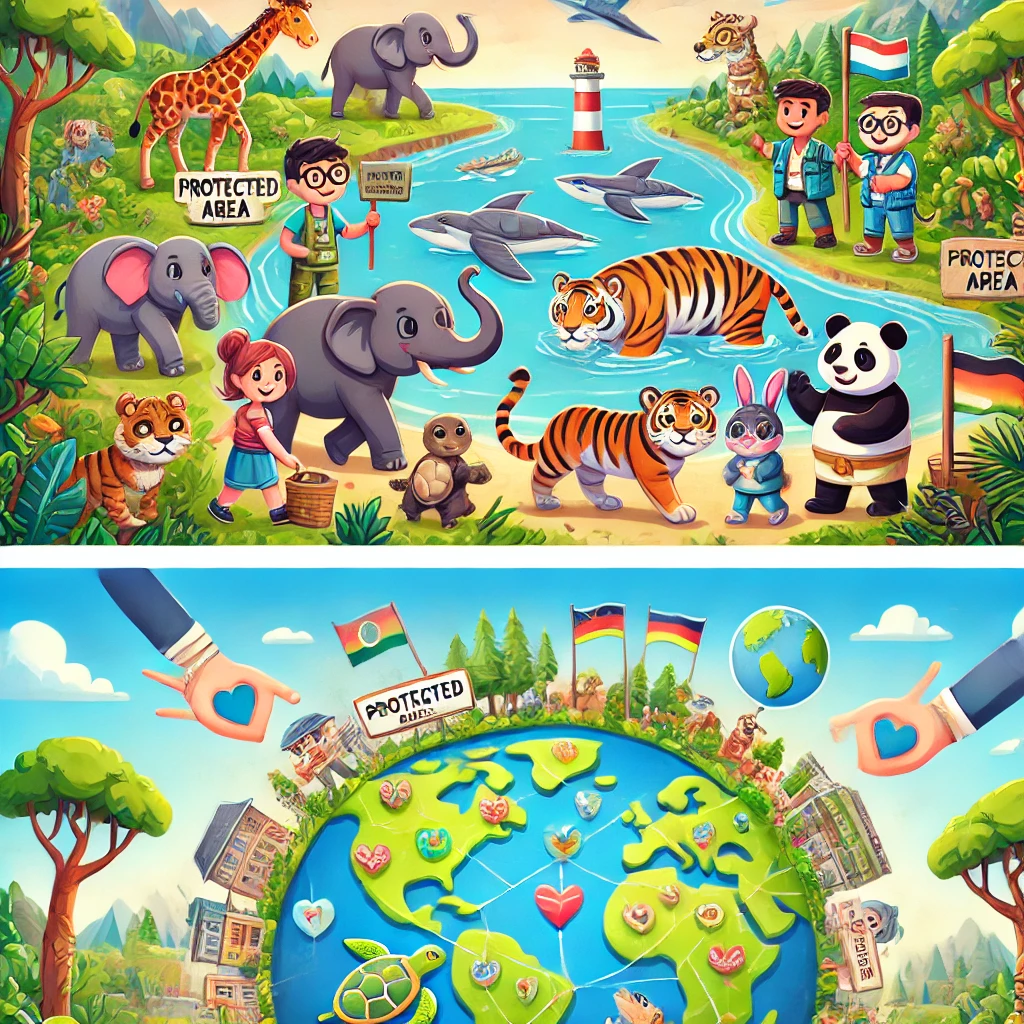
Global policy plays a crucial role in wildlife protection, setting frameworks for conservation actions and enforcing regulations. Transnational agreements and treaties, such as the Convention on International Trade in Endangered Species of Wild Fauna and Flora (CITES), are often drafted and negotiated in English. Mastering English is thus essential for policymakers and diplomats involved in wildlife conservation.
Understanding the nuances of legal language and being able to communicate effectively during negotiations can make a significant difference in the shape and success of international agreements. Countries must align their local laws with these global standards to ensure a concerted effort against wildlife trafficking and habitat destruction. English proficiency ensures that these alignments happen smoothly and that all stakeholders are on the same page.
Furthermore, many international NGOs and intergovernmental organizations conduct their work primarily in English. Professionals in these organizations must often prepare reports, policy briefs, and advocacy materials in English to influence policy decisions and secure funding. Proficiency in English enables these professionals to perform their roles effectively, thereby advancing the cause of wildlife protection globally.
Environmental Education and Awareness Programs
Education and public awareness are pivotal in fostering a culture of conservation. Many international NGOs and local organizations conduct educational programs designed to raise awareness about wildlife protection. These programs often target diverse populations, including children, community leaders, and the general public, and are frequently delivered in English.
English is often chosen because it can reach a wider audience and is more likely to be understood by people from different linguistic backgrounds. Many educational materials, such as videos, pamphlets, and interactive websites, are created in English to maximize their reach and impact. These materials often provide critical information about the threats to wildlife and what individuals can do to help mitigate these threats.
Additionally, English serves as the primary language for training workshops and capacity-building programs aimed at conservation professionals and volunteers. Mastering English enables participants to understand complex concepts, partake in discussions, and access additional resources, thereby enhancing the overall effectiveness of these programs.
The Power of Social Media and Public Campaigns
In today’s digital age, social media has become an invaluable tool for raising awareness and galvanizing public support for wildlife protection. The majority of social media platforms and global campaigns use English as their primary language to reach the widest possible audience.
Campaigns that go viral can have an immense impact, influencing public opinion and prompting action from policymakers. Organizations such as the World Wildlife Fund (WWF) and Greenpeace run English-language campaigns that highlight urgent issues, such as illegal poaching and habitat destruction, mobilizing millions of people worldwide to support conservation efforts.
Proficiency in English empowers individuals and organizations to create compelling content, craft persuasive messages, and engage a global audience. Whether through storytelling, educational posts, or calls to action, the ability to communicate effectively in English can significantly enhance the reach and impact of social media campaigns aimed at protecting wildlife.
Moreover, English competence enables participation in international online discussions, forums, and networks dedicated to wildlife conservation. Being part of these online communities provides opportunities to share knowledge, collaborate on projects, and stay informed about the latest developments in the field.
Conclusion
In a world where wildlife protection requires a united global effort, the role of English as a common language cannot be overstated. Mastering English opens doors to participating in international conservation projects, accessing scientific research, influencing policy-making, and reaching a global audience through education and social media campaigns.
The ability to communicate effectively in English empowers conservationists to break down linguistic barriers and foster collaboration among diverse stakeholders. It enhances the dissemination of crucial information, supports the development and enforcement of international agreements, and amplifies advocacy efforts to protect our planet’s precious wildlife.
For anyone passionate about wildlife protection, investing time and effort into mastering English skills is not just an academic pursuit but a practical necessity. It equips individuals with the tools they need to make a real difference in the fight against wildlife extinction and habitat destruction.
As we continue to strive towards a sustainable future, let us recognize the vital role of English in uniting global efforts for wildlife protection. By embracing this common language, we can amplify our voices, bridge cultural and linguistic divides, and work together to ensure the survival of our planet’s incredible biodiversity.