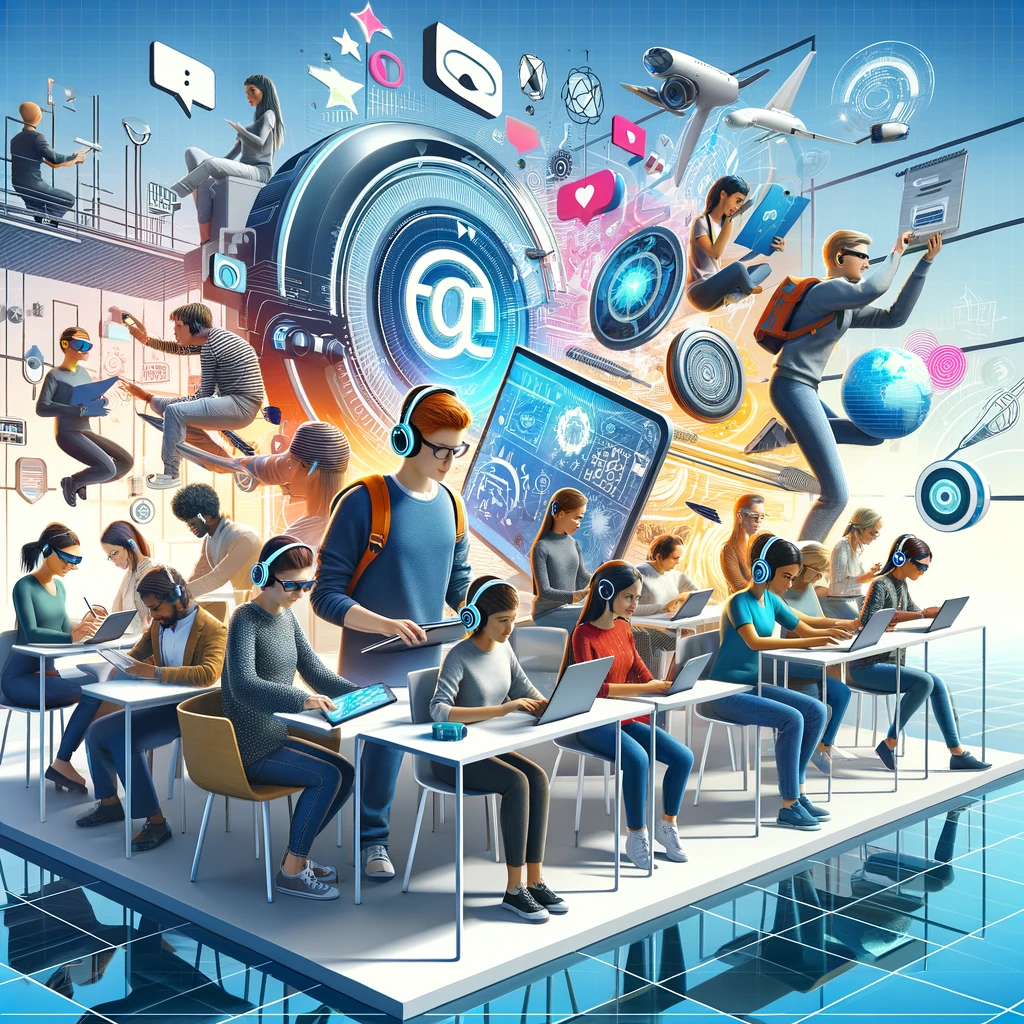
Language learning is not just about memorizing vocabulary and understanding grammar rules; it’s a complex psychological journey. At the intersection of linguistics and psychology, we find a wealth of insights into how our minds process, acquire, and use languages. This article delves into the various psychological aspects of language learning, exploring cognitive processes, emotional factors, and social influences. By understanding these elements, we can enhance our approach to learning new languages, making the process more efficient and enjoyable.
Cognitive Processes in Language Learning
The Brain’s Role in Language Acquisition
Language acquisition is a brain-intensive process. Different areas of the brain are responsible for various aspects of language learning. The Broca’s area, for instance, is crucial for speech production and grammar comprehension, while Wernicke’s area is key for understanding spoken language. Additionally, the hippocampus plays a significant role in memory formation, essential for vocabulary retention.
Cognitive Theories of Language Learning
Cognitive theories in psychology offer insights into how we learn languages. One prominent theory is the Input Hypothesis, proposed by Stephen Krashen. It suggests that language acquisition occurs when learners are exposed to language slightly above their current proficiency level, known as “i + 1” input. Another influential concept is the Theory of Multiple Intelligences by Howard Gardner, which posits that our language learning capabilities are influenced by different types of intelligences, such as linguistic, logical-mathematical, and interpersonal intelligence.
The Role of Memory and Attention
Memory and attention are central to language learning. Working memory, a type of short-term memory, is crucial for holding information in mind while it’s being processed. Long-term memory, on the other hand, is essential for storing knowledge about the language, including vocabulary and grammar rules. Attention, the ability to focus on specific stimuli, is key for noticing new language features and integrating them into one’s language repertoire.
Emotional Factors in Language Learning
The Impact of Motivation
Motivation is a significant emotional factor in language learning. It can be intrinsic, where the learner is motivated by an internal desire to learn, or extrinsic, driven by external factors such as career advancement or academic requirements. Motivation affects the amount of effort a learner will put into language study and their persistence in the face of challenges.
Anxiety and Language Learning
Language learning can be a source of anxiety for many learners. This anxiety can stem from fear of making mistakes, speaking in front of others, or not meeting expectations. High levels of anxiety can hinder language acquisition, as it may reduce the ability to process and retain new information.
The Role of Self-Esteem and Confidence
Self-esteem and confidence play crucial roles in language learning. Learners with high self-esteem and confidence are more likely to take risks, participate in conversations, and seek out new learning opportunities. Conversely, low self-esteem can lead to fear of speaking and reluctance to engage with the language learning process.
Social Influences on Language Learning
The Importance of Social Interaction
Social interaction is a critical component of language learning. It provides learners with practical, real-life opportunities to use the language in various contexts. Interaction with native speakers and other learners allows for the practice of conversational skills, exposure to different accents and dialects, and the acquisition of culturally relevant language.
Cultural Immersion and Language Learning
Cultural immersion can significantly enhance language learning. Being immersed in a culture where the language is spoken naturally provides continuous, varied linguistic input. This immersion helps learners understand the pragmatic use of language, including idioms, colloquialisms, and cultural references.
The Impact of Language Communities
Participating in language communities, whether online or in-person, can provide support and motivation. These communities offer a platform for practicing the language, sharing learning resources, and receiving feedback. They also foster a sense of belonging and encourage consistent engagement with the language.
Strategies for Effective Language Learning
Applying Cognitive Strategies
Leveraging cognitive strategies can make language learning more effective. These include:
- Chunking: Breaking down information into smaller, manageable units.
- Mnemonics: Using memory aids to retain and recall information.
- Metacognitive Strategies: Planning, monitoring, and evaluating one’s learning process.
Embracing Emotional Intelligence
Developing emotional intelligence can aid in language learning. Recognizing and managing one’s emotions, such as anxiety and frustration, is vital. It’s also important to cultivate resilience and a positive mindset towards learning.
Utilizing Social Learning
Engaging in social learning opportunities, such as language exchange programs, conversation clubs, or online forums, can accelerate language acquisition. These interactions not only improve language skills but also provide cultural insights and emotional support.
The psychology of language learning encompasses a multitude of factors, from cognitive processes to emotional and social influences. Understanding these elements can greatly enhance the language learning experience, making it more effective and rewarding. By leveraging cognitive strategies, managing emotional factors, and engaging in social learning, individuals can optimize their language learning journey. In the end, learning a new language is not just about acquiring a new way of speaking; it’s about embracing a new way of thinking and experiencing the world.

Advanced Cognitive Strategies for Language Learning
Spaced Repetition and Active Recall
Spaced repetition is a learning technique that involves increasing intervals of time between subsequent reviews of previously learned material. This method leverages the psychological spacing effect, enhancing long-term memory retention. Combined with active recall, where learners actively stimulate memory during the learning process, this strategy can significantly boost vocabulary acquisition and retention.
Visualization and Language Learning
Visualization is a powerful tool in language learning. Creating mental images of concepts, words, or situations can help learners associate and remember new language elements more effectively. For instance, when learning vocabulary, associating words with vivid images or scenarios can enhance recall.
Language Learning through Storytelling
Storytelling is a natural and effective way to learn languages. It engages multiple areas of the brain, including those responsible for language processing and imagination. By using stories, learners can contextualize vocabulary and grammar, making the information more memorable and engaging.
Emotional Management in Language Learning
Overcoming Language Learning Anxiety
Managing language learning anxiety involves several strategies:
- Positive Self-Talk: Encouraging oneself with positive affirmations can combat negative thoughts.
- Relaxation Techniques: Practices like deep breathing or meditation can reduce anxiety levels.
- Incremental Exposure: Gradually increasing exposure to challenging language tasks can build confidence over time.
Building Resilience in Language Learning
Resilience is key in overcoming the inevitable challenges of language learning. Strategies include:
- Setting Realistic Goals: Establishing achievable, short-term goals can provide a sense of accomplishment.
- Seeking Feedback: Constructive feedback, rather than criticism, can guide improvement and boost motivation.
- Celebrating Progress: Acknowledging and celebrating small victories keeps motivation high.
The Role of Technology in Modern Language Learning
Digital Tools and Language Acquisition
Advances in technology have introduced a range of tools that facilitate language learning. Language learning apps, online courses, and digital flashcards leverage interactive and multimedia elements to make learning more engaging. Additionally, AI-powered tools can provide personalized learning experiences, adapting to the learner’s level and pace.
The Internet as a Language Learning Resource
The internet offers an expansive array of resources for language learners. Online forums, language exchange websites, and video platforms provide opportunities for practice, interaction, and exposure to native language content. Furthermore, digital dictionaries and translation tools are invaluable for quick reference and comprehension support.
Virtual Reality and Language Immersion
Virtual reality (VR) technology presents a groundbreaking way to experience language learning. VR can simulate immersive environments where learners can practice in realistic scenarios without leaving their homes. This technology offers a safe space for practicing conversational skills and can mimic the experience of cultural immersion.
Conclusion
The psychology of language learning is a multifaceted field, intertwining cognitive processes, emotional management, and the influence of social and technological factors. By adopting advanced cognitive strategies, learners can enhance their retention and understanding of a new language. Emotional intelligence plays a pivotal role in navigating the ups and downs of the language learning journey, helping to maintain motivation and resilience. Additionally, the integration of modern technology provides innovative tools and resources, making language learning more accessible and effective than ever before. Embracing these psychological and technological insights, learners can embark on a fulfilling and successful language learning adventure, unlocking new worlds of communication and cultural understanding.