Learning a new language, especially expanding your vocabulary, can sometimes feel like a daunting task. However, incorporating fun and interactive word games into your learning process can make a significant difference. These games not only make learning enjoyable but also effectively enhance memory and comprehension.
Traditional and Modern Approaches
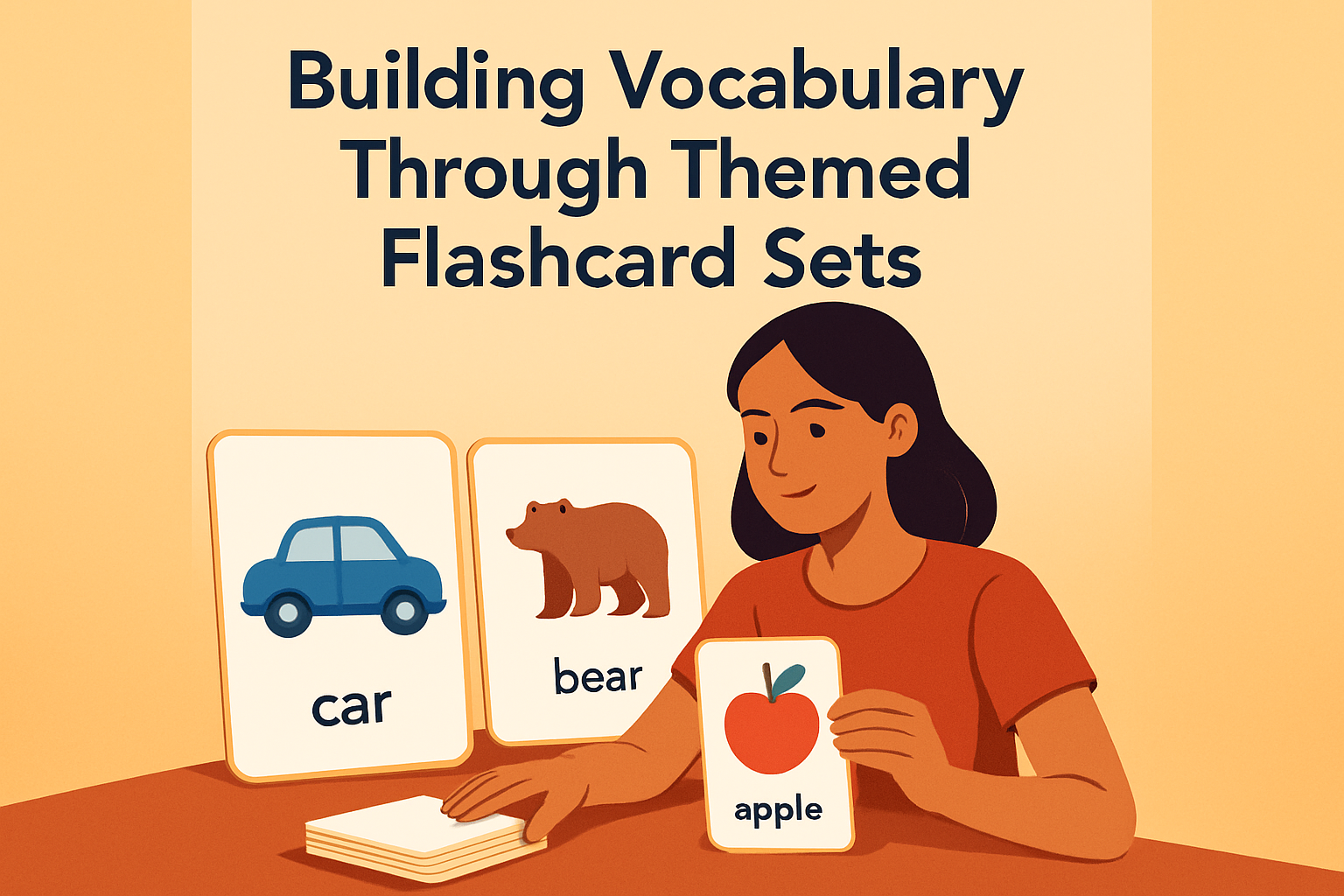
While traditional methods like flashcards play a role in vocabulary building, they can be monotonous. Modern approaches involve more interactive and fun exercises, such as writing sentences with new words, creating stories, and using words in everyday conversations. These methods are based on active recall and spaced repetition, aiding in better long-term retention.
4 Classic Board Games to Boost Vocabulary
- Scrabble: A timeless favorite, Scrabble challenges players to create words from letter tiles, helping in vocabulary expansion and spelling skills.
- Boggle: In Boggle, players shake a cube with lettered faces and attempt to form words from the displayed letters. It’s a fast-paced game that enhances quick thinking and vocabulary skills.
- Crossword Puzzles: These classic puzzles involve filling in a grid with words based on given clues, testing knowledge and problem-solving skills.
- Word Ladder: This game involves transforming one word into another by changing one letter at a time, enhancing vocabulary and problem-solving abilities.
4 Online and App-based Games to Boost Vocabulary
- Wordle: A popular online game where players guess a five-letter word within six attempts, requiring a good command of English and creative thinking.
- Wordscapes: Combining a word hunt with crossword puzzles, Wordscapes challenges players to form words from a given set of letters.
- Dingbats: This game uses visual word riddles and idioms, encouraging players to use their imagination to decipher clues.
- Word Whomp: A game that allows you to form words from a given set of letters within a time limit, honing quick thinking and vocabulary skills.
4 Classroom and Group Games to Boost Vocabulary
- Guess the Word: Players give hints for a word while others guess, enhancing critical thinking and deductive reasoning.
- Throw the Ball: A game where players form a chain of related words by taking turns throwing a ball and saying a word related to the previous one.
- Sticky Note: Players write vocabulary words on sticky notes and place them around a room, associating new words with their surroundings.
- Board Game: A game where players move around a board answering vocabulary-related questions or solving puzzles.
4 ESL Focused Games to Boost Vocabulary
- Hangman: A classic game where players guess letters to form a word, enhancing spelling skills.
- 20 Questions: A game that involves guessing a word through a series of up to 20 questions, aiding in vocabulary and question-forming skills.
- Charades: Ideal for practicing action words, players act out a word without speaking while others guess.
- Role-Playing: Scenarios like ordering food or attending a job interview help practice conversational English and cultural nuances.
Conclusion
Integrating word games into your vocabulary learning routine offers a blend of education and entertainment. These games not only improve language skills but also boost motivation, enhance memory, promote real-life interaction, and make the learning process engaging and enjoyable.
Frequently Asked Questions
1. What are some examples of fun English word games that can help boost vocabulary?
Engaging in word games is a fantastic way to enhance your English vocabulary. Examples of these include Scrabble, where players create words on the game board using tiles with different letters, each carrying a different point value. Crossword puzzles are another popular choice, requiring players to fill in a grid with words based on clues given for each word. Boggle challenges players to find as many words as possible from a jumble of letters, often within a time limit. Word searches provide a fun way to identify hidden words in a grid of random letters. Other innovative games like ‘Wordscapes’ or ‘Words With Friends’ combine traditional word play with new-age technology, making them accessible and exciting. These games encourage learning through play and stimulate the mind, effectively boosting your vocabulary in a very engaging way!
2. How do word games help improve memory and comprehension?
Word games are not just fun but also serve as powerful tools for improving memory and comprehension. They require players to actively engage in the retrieval and manipulation of vocabulary, which strengthens the memory footprints of new words and phrases. When playing games like Scrabble, players must recall spellings, word meanings, and possible word combinations, thus continuously exercising their brains. Crossword puzzles demand an understanding of the relation between words and context, enhancing comprehension skills. These activities involve both short-term memory for immediate game play and long-term memory for vocabulary storage. By consistently interacting with language in a practical and engaging manner, word games ensure that vocabulary learning is retained better, making it easier for individuals to recall and use new words confidently in daily conversations.
3. What advantages do modern word games offer over traditional methods like flashcards?
Modern word games bring several advantages over traditional vocabulary-building methods like flashcards. Firstly, they incorporate elements of play and challenge that can increase motivation and sustain interest far better than repetitive flashcard drills. Games such as Words with Friends allow for social interaction, enhancing the learning experience by involving competition and cooperation with other players. Additionally, many online language games provide instant feedback and scoring, allowing players to track their progress and identify areas needing improvement. These games also adapt to various skill levels, offering customized challenges that keep players motivated. Furthermore, digital games harness visuals, sounds, and interactive interfaces that make learning more dynamic and stimulating than the monotony often associated with memorizing flashcards. Overall, modern word games create an immersive learning environment that both entertains and educates.
4. How can playing word games fit into a busy schedule? Are they time-consuming?
Word games are surprisingly flexible and can conveniently fit into even the busiest of schedules. They range from quick five-minute challenges to more engaging sessions that might take up to an hour. For instance, playing a few quick rounds of Boggle or solving a small crossword puzzle can be an excellent way to make use of short breaks or commute time. Apps like Wordscapes offer short puzzles that can be solved in just a few moments, making them ideal for a quick vocab boost during your day. Moreover, these games are available on mobile devices, so you can play them anywhere, at any time. The versatility of word games means that they’re not time-consuming unless you want them to be, making them a perfect on-the-go learning tool for those with tight schedules.
5. Are there any recommended strategies to maximize the learning potential from word games?
Maximizing learning potential from word games involves a few strategic approaches. Firstly, consistency is key. Regularly playing word games can result in significant vocabulary enhancement. Set aside specific times during the day or week for game sessions to ensure routine practice. Secondly, challenge yourself by gradually moving to more complex games or higher difficulty levels as you become more comfortable with easier ones. This will stretch your vocabulary skills and encourage learning new words. Keep a journal or make notes of new words encountered during play and look up definitions to deepen understanding. Pairing word games with supplementary resources like a thesaurus or dictionary can also be incredibly beneficial. Additionally, try engaging with a variety of games to expose your brain to different types of vocabulary and linguistic scenarios. Lastly, if playing socially, discuss the game outcomes and strategies used with friends, which can provide additional learning opportunities. With these strategies, word games can be both an educational powerhouse and a delightful pastime.