
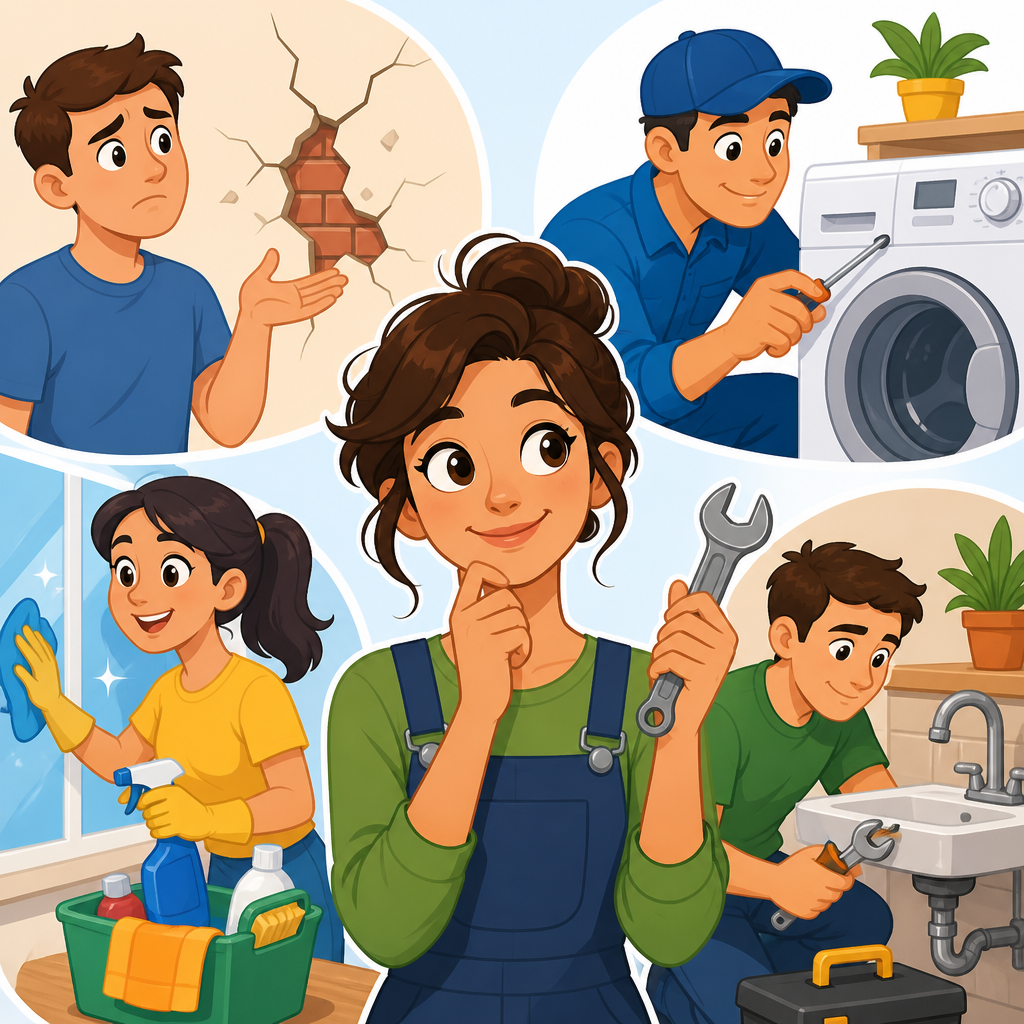
English for talking about repair, damage, and maintenance is practical vocabulary that people use when something breaks, wears out, leaks, cracks, jams, or stops working as expected. In housing, this language helps tenants report problems clearly, understand a landlord’s response, and avoid confusion about responsibility, urgency, and cost. I have worked with English learners who could describe a problem in general terms, such as “the bathroom is bad,” but struggled to explain whether the sink was clogged, the faucet was dripping, or the water pressure had dropped. Those distinctions matter because accurate words lead to faster repairs, better written records, and fewer disputes.
Three key terms shape this topic. Repair means fixing something that is broken or damaged so it works properly again. Damage is physical harm that reduces value, appearance, safety, or function, whether from an accident, neglect, weather, pests, or normal use. Maintenance refers to routine work that keeps something in good condition, such as changing filters, sealing gaps, testing smoke alarms, or servicing a boiler. In everyday English, people also use related verbs like fix, replace, patch, tighten, inspect, service, and restore. Each verb suggests a different action, and choosing the right one makes your meaning much clearer.
This vocabulary matters because maintenance requests are often time-sensitive and legally important. A tenant may need to explain that mold is spreading, a heater is not working, or an electrical outlet is sparking. A landlord or property manager may ask whether the issue is cosmetic or urgent, whether it affects habitability, and when it started. Insurance claims, inspection reports, and lease discussions also depend on precise language. If you can say “There is water damage on the ceiling below the bathroom” instead of “The paint looks strange,” you communicate evidence, likely cause, and urgency in one sentence. That is the difference between vague English and useful English.
Core vocabulary for describing problems accurately
The fastest way to improve is to separate the object from the problem. First name the item: pipe, faucet, radiator, window frame, door hinge, washing machine, lock, circuit breaker, tile, drywall, or roof. Then describe the condition with a specific adjective or verb. A pipe can leak, burst, corrode, freeze, or back up. A door can stick, warp, squeak, or fail to latch. A wall can crack, stain, peel, blister, or bulge. This pattern gives you a simple formula: item plus problem plus effect. For example, “The kitchen sink is clogged, and the water drains very slowly.”
Some words are especially useful because they point to common household issues. Leak means liquid escapes from a container, pipe, roof, or seal. Drip suggests a small but continuous leak, often from a faucet. Clog and blockage describe something obstructed, usually in drains, toilets, or vents. Crack means a narrow split on a surface, while chip means a small piece has broken off. Rust affects metal, mold grows in damp areas, and mildew usually refers to a surface fungus with a musty smell. Jammed describes something stuck, such as a lock, window, or garbage disposal. Faulty means not operating correctly, often for wiring, switches, or appliances.
It also helps to understand the difference between damage types. Cosmetic damage affects appearance more than function: scuffed paint, minor scratches, or small dents. Structural damage affects the building’s integrity, such as a foundation crack, sagging floor joists, or a damaged load-bearing wall. Water damage can begin as discoloration but may lead to warped flooring, mold growth, and weakened drywall. Wear and tear refers to gradual deterioration from normal use, a phrase that appears often in leases and deposit disputes. Burn marks, broken glass, and pet-chewed trim usually are not wear and tear. That distinction can determine who pays.
Useful phrases for reporting repairs to a landlord or manager
When reporting a problem, clear sequencing matters. Start with what is wrong, say where it is, explain how serious it is, and mention when it began. A strong message sounds like this: “The bedroom window does not close properly. The frame seems warped, and cold air is coming in. I noticed it two days ago, and it is getting worse.” This approach works in email, text, maintenance portals, and phone calls. It reduces follow-up questions and creates a useful written record.
In practice, I tell learners to avoid emotional but vague language like “Everything is terrible” and use observable facts instead. Say “The toilet overflows when flushed” rather than “The toilet is weird.” Say “There is a strong gas smell near the stove” rather than “The kitchen smells bad.” If an issue creates immediate risk, use direct urgency words: urgent, unsafe, hazard, no heat, no running water, exposed wires, overflowing, flooding, or locked out. In many jurisdictions, no heat in winter, major leaks, sewage backups, and electrical hazards require a faster response than cosmetic problems.
For readers who also need rental vocabulary beyond maintenance, this guide connects naturally with English for renting an apartment: words you need before you sign, especially for lease terms, deposits, and communication with property managers. The two topics overlap because repair language often appears in move-in inspections, lease clauses, and security deposit discussions.
| Situation | Useful English | Why it works |
|---|---|---|
| Water under sink | “The pipe under the kitchen sink is leaking, and water is pooling in the cabinet.” | Names source, location, and visible effect |
| Broken heater | “The radiator is not heating up, and the bedroom temperature is very low.” | Describes failed function and consequence |
| Electrical issue | “One outlet in the living room is sparking when I plug something in.” | Signals a safety risk clearly |
| Door problem | “The front door latch is loose, and the door does not lock securely.” | Shows security concern, not just inconvenience |
Repair verbs, maintenance routines, and responsibility
Advanced vocabulary becomes easier when you group words by action. Fix is general, but repair is slightly more formal and common in written requests. Replace means remove an old or damaged part and install a new one, as with a broken smoke detector or cracked tile. Patch means make a small temporary or partial repair, often for drywall, plaster, or roofing. Tighten, lubricate, reseal, unclog, repaint, refinish, and reinforce all refer to distinct kinds of maintenance or repair. If a landlord says, “We patched the leak,” that may mean the symptom was addressed, not the root cause.
Routine maintenance language often appears in notices and inspection checklists. Landlords may service the HVAC system, inspect detectors, flush the water heater, clean gutters, check for pest activity, and replace weather stripping. Tenants may be expected to change light bulbs, keep vents clear, report leaks promptly, and maintain reasonable cleanliness. The exact division of responsibility depends on the lease and local law. In my experience, learners benefit from memorizing paired phrases such as report damage, schedule repairs, carry out maintenance, replace a fixture, and assess the extent of damage.
Another important skill is describing cause and effect carefully. You may know the result but not the cause. Good English allows that uncertainty. Say “There is a damp patch on the ceiling, possibly from a leak in the upstairs bathroom” instead of guessing too strongly. Use phrases like seems to, appears to, may be, likely, and I am not sure, but. This sounds responsible and credible. It also protects you from making inaccurate claims about plumbing, wiring, or structural issues that require professional inspection.
Common collocations, documents, and real-world examples
Natural English depends on collocations, the word combinations native speakers use repeatedly. People say file a maintenance request, report water damage, inspect the unit, document the condition, replace a broken hinge, repair a cracked pane, seal a gap, restore power, and fix a loose handle. They usually do not say “make maintenance” or “solve the wall.” Learning these combinations makes your English sound much more precise. It also helps you read messages from contractors, agents, and landlords without hesitation.
Written documentation is part of this vocabulary too. A move-in checklist may note stains, dents, chipped paint, warped flooring, missing hardware, or signs of previous repair. Photos support claims, but captions matter. “Scratch on left side of refrigerator door” is stronger than “fridge mark.” Maintenance logs often include date reported, issue description, contractor visit, parts ordered, and date resolved. If a problem continues, useful follow-up language includes “The issue has not been resolved,” “The repair appears temporary,” or “The leak has returned after yesterday’s visit.”
Consider two real-world examples. In one apartment, a tenant wrote, “Bathroom problem please help.” Management delayed because the request was unclear. When the tenant rewrote it as “The seal around the bathtub has failed, water is seeping onto the floor after every shower, and the caulk appears cracked,” maintenance came quickly with the right materials. In another case, a learner described black spots around a window as “dirt.” After we changed the wording to “possible mold growth caused by condensation and poor ventilation,” the landlord arranged an inspection. Better vocabulary did not just improve English; it changed outcomes.
Strong English for repair, damage, and maintenance helps you do three things well: identify the exact problem, explain the level of urgency, and create a clear written record. The most effective language is concrete, not dramatic. Name the item, describe the defect, mention the effect, and say when it started. Use precise words such as leak, crack, clog, warped, faulty, corrosion, and wear and tear instead of broad complaints. When you do not know the cause, say so carefully and describe only what you can observe.
This vocabulary is especially valuable in rented housing because maintenance issues affect safety, comfort, legal responsibility, and cost. Clear wording can speed up repairs, support a deposit claim, and prevent disputes about who caused the damage. It also helps you understand notices, inspection reports, contractor comments, and lease clauses. In my experience, learners gain confidence quickly when they practice with realistic examples from kitchens, bathrooms, doors, windows, heating systems, and appliances rather than long word lists with no context.
If you want to use this English confidently, build a short personal phrase bank today. Write five sentences about common household problems, five about maintenance actions, and five about urgency. Then practice turning vague complaints into specific reports. That simple habit will make your vocabulary more accurate, more natural, and far more useful the next time something needs attention.
Frequently Asked Questions
1. What kinds of words and phrases are most useful when talking about repair, damage, and maintenance in English?
The most useful vocabulary is language that helps you describe exactly what is happening, where the problem is, how serious it is, and what action is needed. In everyday English, people often talk about things that break, stop working, wear out, leak, crack, jam, malfunction, or need replacing. For example, you might say, “The faucet is leaking,” “The bedroom window is cracked,” “The front door lock is jammed,” or “The heater stopped working last night.” These are much clearer than vague statements like “Something is wrong” or “The bathroom is bad.”
It also helps to learn common nouns for parts of a home or building, such as sink, pipe, drain, ceiling, wall, floor, outlet, light fixture, water heater, and appliance. When you combine these nouns with specific problem words, your meaning becomes much easier to understand. For instance: “The kitchen sink drain is clogged,” “There is water damage on the ceiling,” or “The washing machine makes a loud noise during the spin cycle.”
Another important group of phrases explains degree and urgency. You may need to say that a problem is minor, getting worse, urgent, or a safety issue. Useful examples include, “It’s a small crack, but it’s getting bigger,” “This is not an emergency, but it should be checked soon,” and “There is a strong gas smell, so this is urgent.” In housing situations especially, this type of language can affect how quickly a landlord, property manager, or repair worker responds.
Finally, maintenance vocabulary is not only about damage. It also includes routine care and prevention. Common expressions include inspect, service, clean out, tighten, replace, repair, and routine maintenance. For example: “The air conditioner needs servicing,” “The filter should be replaced,” or “The hinges need tightening.” Learning this practical language makes your English more natural and helps you communicate clearly in real-life situations.
2. How can I clearly describe a repair problem to a landlord, maintenance worker, or customer service representative?
The clearest method is to organize your message into four parts: what the problem is, where it is, when it started, and how serious it is. This structure keeps your English focused and easy to follow. For example, instead of saying, “The bathroom has a problem,” you could say, “The bathroom sink is leaking under the cabinet. I noticed it yesterday evening, and the floor is getting wet.” That version gives the listener enough detail to understand the issue quickly.
Good repair descriptions often use simple but specific sentences. You might say, “The toilet keeps running after I flush it,” “The bedroom window does not close properly,” “The refrigerator is not cooling,” or “The shower drain is blocked and the water drains very slowly.” If you know the cause, you can mention it, but if you are not sure, it is better to describe symptoms rather than guess. For example, “The light flickers and sometimes goes out” is more useful than “I think the wiring is destroyed,” unless you truly know that is the problem.
You should also include any consequences of the damage. This is especially important if the issue affects safety, cleanliness, or daily living. Useful examples include, “Water is dripping onto the floor,” “There is mold starting to appear,” “The door will not lock,” or “The outlet smells like something is burning.” These details help others understand whether the matter is cosmetic, inconvenient, or dangerous.
If you are making a request, polite direct language works best. Try sentences such as, “Could someone come and inspect it?” “I’d like to request a repair,” “Can this be fixed as soon as possible?” or “Please let me know when maintenance can come.” In written communication, it is also helpful to include photos, dates, and a brief summary of previous contact. Clear English does more than describe the problem; it creates a record and reduces misunderstandings about what needs to be repaired.
3. What is the difference between words like damage, repair, maintenance, broken, worn out, leaking, cracked, and jammed?
These words are related, but they are not interchangeable, and understanding the differences will make your English much more accurate. Damage is a general noun that refers to harm or physical deterioration. For example, “There is water damage on the wall” means the wall has been harmed by water. Repair can be a noun or a verb. As a verb, it means to fix something: “They will repair the heater.” As a noun, it refers to the fixing itself: “The repair may take two days.” Maintenance refers to routine care that keeps something in good condition and helps prevent bigger problems. For example, replacing filters, checking pipes, or servicing a furnace are forms of maintenance.
Broken is a broad adjective that means something does not work or is physically damaged. A chair can be broken, a phone can be broken, and a washing machine can be broken. However, more specific words often communicate more clearly. Worn out usually describes something that has become damaged or less effective over time because of age or repeated use. A carpet can be worn out, brakes can be worn out, and seals around a window can be worn out. This phrase suggests gradual deterioration, not sudden failure.
Leaking is used when liquid or gas escapes from a place where it should stay contained. A pipe, faucet, roof, radiator, or toilet can leak. Cracked means there is a split or narrow break in a surface or object, such as a wall, screen, tile, mirror, or window. A crack may be small at first, but it can grow. Jammed means something is stuck and cannot move properly, such as a lock, door, printer, drawer, or garbage disposal. When something is jammed, it may not be broken permanently, but it is not functioning correctly at that moment.
In practical communication, choosing the right word matters. Compare these examples: “The window is broken” is understandable, but “The window is cracked and will not close fully” gives much better information. “The sink is bad” is vague, while “The sink is leaking from the pipe underneath” is precise. That precision is what makes repair and maintenance English so useful, especially in housing, customer service, and workplace situations.
4. How do I talk about urgency, responsibility, and cost when discussing maintenance issues in housing?
When discussing housing problems, three topics often matter as much as the problem itself: how urgent it is, who is responsible, and who will pay. To talk about urgency, use language that shows whether the issue is an emergency, a health concern, or a routine repair. For example, “This is an emergency because water is coming through the ceiling,” “The stove is not working, so I cannot cook,” or “This is not urgent, but the blinds need to be replaced.” Words such as immediately, as soon as possible, soon, non-urgent, and safety issue are especially useful.
To discuss responsibility, it is important to be clear but neutral. In many housing situations, a tenant wants to know whether a repair is the landlord’s responsibility, the tenant’s responsibility, or a shared issue. You can ask, “Is this something building maintenance handles?” “Am I responsible for replacing this?” or “Could you confirm who is responsible for the repair?” If the problem was not caused by misuse, you can say, “This happened during normal use,” or “I noticed the damage, but I did not cause it.” These phrases are helpful because they explain the situation without sounding overly defensive or accusatory.
Cost is another common source of confusion, so it helps to ask direct questions. You might say, “Will there be any charge for this repair?” “Is this covered by the lease?” “Do I need approval before arranging a technician?” or “Can you give me an estimate for the repair cost?” If someone else may pay, you can ask, “Will the landlord cover the





