

In today’s interconnected world, the English language has emerged as a significant force in global communication. Approximately 1.5 billion people, almost 20% of the world’s population, are learning English. Its role extends beyond being a native language for countries like the United States, the United Kingdom, Canada, and Australia. English serves as a lingua franca—a bridge language that enables people with diverse mother tongues to communicate. This phenomenon has far-reaching implications, impacting everything from international business and diplomacy to cultural exchanges and personal relationships.
Understanding the influence of English on global communication can provide essential insights into why learning this language is crucial. For individuals, mastering English opens doors to better career opportunities, access to a more extensive range of information, and the ability to navigate various social and cultural settings across the globe. For nations, it facilitates participation in international alliances and forums, promoting economic development and socio-political stability.
This article explores several key aspects of how English influences global communication. From historical context and educational importance to its impact on technology and culture, we will delve into the multifaceted role this language plays. By comprehending these dynamics, learners and educators can better appreciate the value of English in today’s world and harness its power for effective communication.
Historical Context
The extensive influence of English on global communication can be traced back to historical events. The spread of the British Empire in the 19th and early 20th centuries laid the groundwork for English to become a global language. British colonization brought English to various parts of Africa, Asia, the Caribbean, and the Pacific, leaving a lasting linguistic influence. As these colonies gained independence, many retained English as an official or second language, further embedding it into the fabric of global communication.
In the 20th century, the rise of the United States as a world power significantly bolstered the prominence of English. America’s economic dominance, military strength, and cultural influence through Hollywood films, pop music, and technology innovations positioned English as a key language in the global arena.
Historical factors have thus played a pivotal role in making English a primary means of communication across different continents. Understanding this context is essential for learners, as it highlights that the spread of English was not accidental but a result of strategic geopolitical developments. This historical foundation continues to influence modern global interactions.
The Role of English in Education
English is often regarded as a critical skill in education systems worldwide. Many countries include English as a mandatory subject in school curriculums, recognizing its importance in fostering international communication skills. Universities across the globe, particularly in non-English speaking countries, offer programs and courses in English to attract international students and collaborate on research. This practice not only enhances the educational opportunities for students but also promotes cross-cultural understanding and global collaboration.
The demand for English proficiency has also led to a surge in language learning resources, from online courses and apps to language schools and private tutors. Learning English opens pathways to higher education and scholarships in English-speaking countries, where many world-renowned institutions are located. For non-native speakers, gaining proficiency in English can significantly enhance their academic and professional credentials.
Furthermore, English serves as a medium for accessing a vast array of knowledge and information, as the majority of scientific papers, technical manuals, and internet content are published in English. This trend underscores the language’s role in advancing education and knowledge sharing on a global scale.
English in International Business
In the realm of business, English is often the default language for global trade and commerce. Multinational corporations use English as their corporate language to facilitate communication between employees from different countries. Business meetings, negotiations, contracts, and correspondences are commonly conducted in English, underscoring its role as an essential tool for international business professionals.
For countries seeking to expand their economic horizons, English proficiency among the workforce can be a significant competitive advantage. It enables better engagement in global markets, attracting foreign investments and fostering partnerships with international companies. For individual professionals, fluency in English can lead to career advancement, international job opportunities, and higher salaries.
The implementation of English in business goes beyond verbal communication; it includes understanding cultural nuances and practices, which are often embedded in the language. Mastery of business English is not just about vocabulary and grammar but also about effective communication strategies, cultural sensitivity, and professional etiquette.
Impact on Technology and Innovation
Technology and innovation are other areas where English has a significant impact. The tech industry, especially in software development, engineering, and IT, predominantly operates in English. Major tech conferences, journals, and forums are conducted in English, making it the primary language of the technology sector. This prevalence is crucial for global collaboration, whether in developing new technologies, sharing innovative research, or troubleshooting problems.
The rise of the internet has further solidified English’s position in the digital world. A significant portion of web content, including educational resources, entertainment, news, and social media, is in English, granting English speakers access to a wealth of information and services. Search engines, digital marketing, online education platforms, and e-commerce sites often prioritize English content, influencing how people globally interact with technology.
For non-native speakers, gaining proficiency in English can enhance their ability to participate in the digital economy, access cutting-edge research, and contribute to technological advancements. The language serves as a key to unlocking opportunities in the rapidly evolving tech landscape, emphasizing the importance of English in driving innovation and progress.
Cultural Exchange and Social Connectivity
Beyond business and technology, English plays a vital role in cultural exchange and social connectivity. It enables people from different backgrounds to share their stories, traditions, and perspectives, fostering mutual understanding and respect. The global entertainment industry, including movies, music, literature, and sports, showcases this exchange. English-language media reaches millions, influencing cultural trends and creating shared experiences around the world.
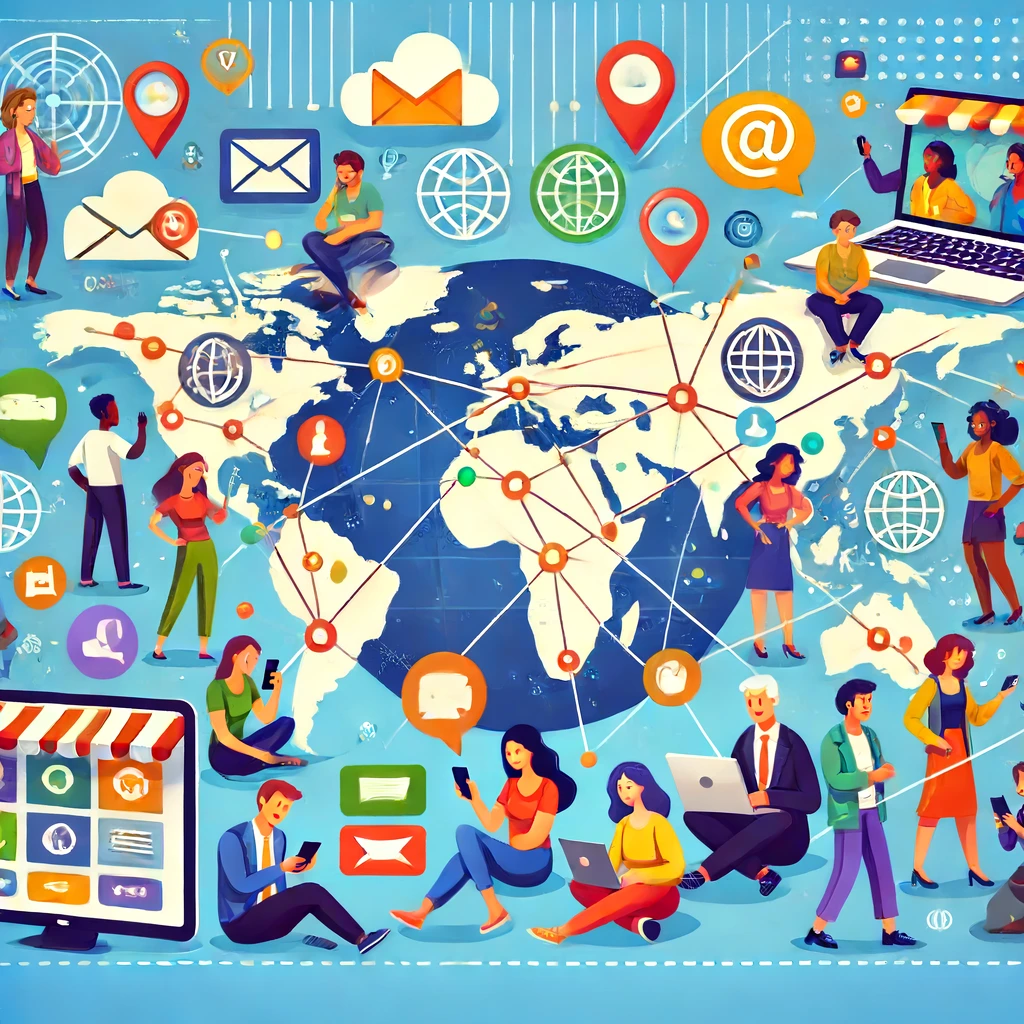
Social media platforms and international forums widely use English, allowing individuals to connect, collaborate, and engage in discussions on various topics. This connectivity breaks down geographical and cultural barriers, making the world a more connected and cohesive place. It enables people to build networks, form friendships, and engage in social activism, driving collective efforts to address global challenges like climate change, human rights, and public health.
English’s role in cultural exchange emphasizes its power to unite people. For ESL learners, understanding this aspect can make the language learning journey more meaningful, as it equips them with the tools to engage with the world in a more profound and impactful way. It transforms language learning from a mere academic exercise into a gateway to global citizenship.
Challenges and Opportunities
While the widespread use of English offers numerous advantages, it also presents challenges and opportunities that need to be addressed. One significant challenge is the linguistic hegemony of English, which can overshadow local languages and cultures, leading to a loss of linguistic diversity. Efforts to promote multilingualism and protect endangered languages are crucial in maintaining cultural heritage.
For learners, mastering English can be daunting due to its complex grammar, diverse accents, idiomatic expressions, and cultural nuances. However, these challenges also present opportunities for innovative teaching methodologies and learning tools. Incorporating technology in language learning, such as interactive apps, virtual classrooms, and language exchange platforms, can make the process more engaging and effective.
The opportunity to learn English also brings about personal growth and transformation. It enhances cognitive abilities, improves memory, and boosts problem-solving skills. Furthermore, achieving proficiency in English can instill confidence and create a sense of accomplishment, empowering individuals to pursue their goals and aspirations on a global stage.
Overall, recognizing and addressing the challenges associated with English learning while leveraging the opportunities it provides can lead to a more inclusive and effective global communication landscape. It encourages a balanced approach, where English is seen as a tool for connection rather than domination.
Conclusion
In conclusion, the impact of English on global communication is profound and multifaceted. Its historical roots, educational significance, role in international business, influence on technology and innovation, and contribution to cultural exchange and social connectivity underscore its importance in the modern world. As a lingua franca, English enables people from diverse linguistic backgrounds to engage in meaningful conversations, collaborate on international projects, and share cultural experiences.
For non-native speakers, learning English is not just about acquiring a new language but about gaining a valuable skill that opens doors to endless possibilities. It is a journey that offers personal and professional growth, enriching their lives and broadening their horizons. For educators and policymakers, promoting English learning while fostering multilingualism and protecting linguistic diversity can lead to a more inclusive and interconnected global society.
Ultimately, English serves as a powerful tool for global communication, bridging gaps, building relationships, and driving progress. By understanding its impact and embracing its opportunities, we can harness the potential of this language to create a more united, informed, and dynamic world. Whether you are a learner, teacher, or global citizen, appreciating the role of English in global communication is essential for navigating the complexities and opportunities of our interconnected era.





