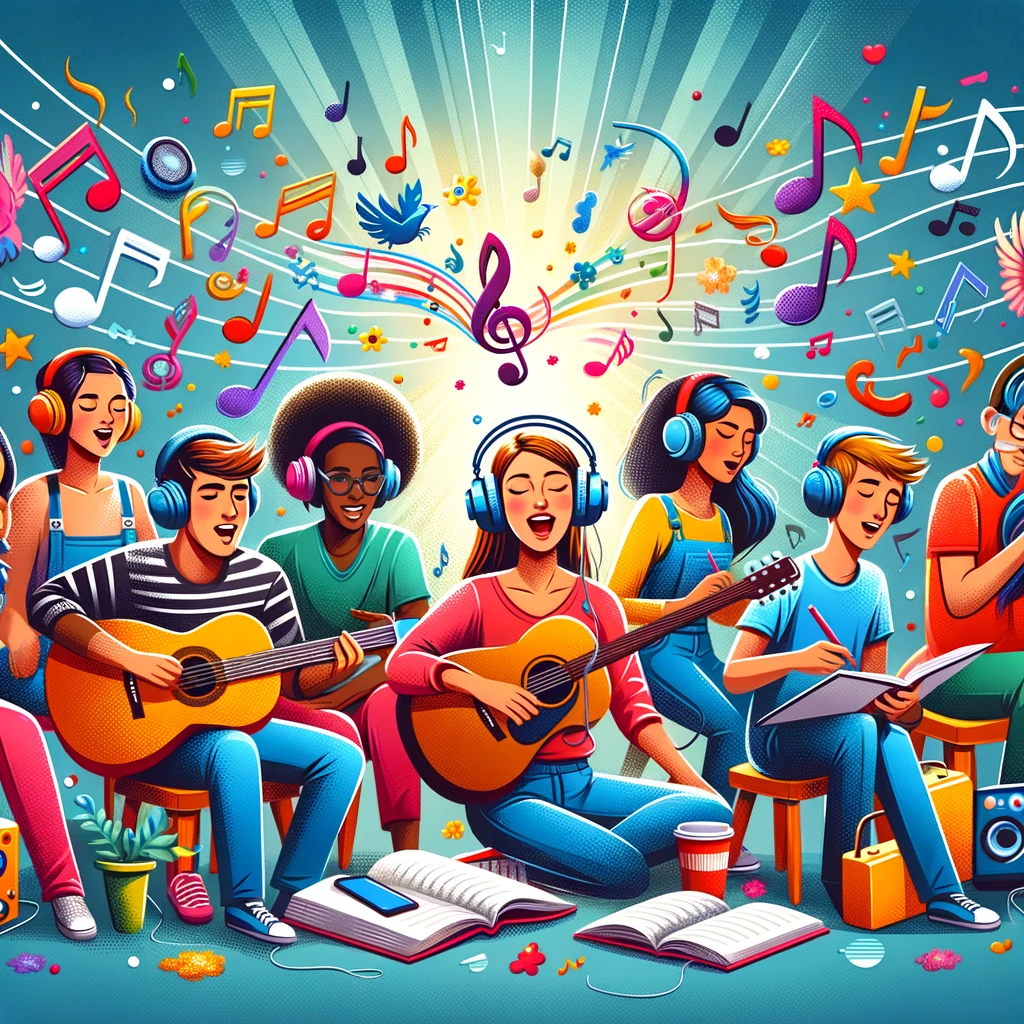
Language learning is an intricate process that requires various tools and methodologies to become truly effective. A unique and valuable approach to achieving fluency in a new language involves community events, which offer immersive and practical experiences that go beyond traditional classroom settings. Such events provide language learners with opportunities to practice speaking, listening, and understanding a new language in a natural environment. In today’s globally connected world, leveraging community events for language learning has never been more pertinent.
Communities worldwide organize a plethora of events that can be beneficial for language learners. From cultural festivals, cooking classes, and story-telling sessions, to workshops and public speaking engagements, these gatherings create environments that allow participants to blur the boundaries between learning and real-life application. This immersion techniques make the language come alive, facilitating learning in a way that textbooks or language apps often cannot. These events are essential, particularly for those who learn better in social settings and thrive on interactive communication.
Engaging in community events fuels not only language acquisition but also fosters a deeper understanding of the culture and people connected to that language. Grasping the nuances of a language requires comprehending its cultural context, something that is best achieved by interacting with native speakers and cultural connoisseurs in settings that let you experience language in action. This article explores how to effectively leverage community events to enhance language learning, create genuine connections, and empower personal development.
Exploring the Local Community for Language Learning Opportunities
The first step to leveraging community events for language learning is identifying available opportunities. Begin by exploring local community centers, libraries, cultural associations, educational institutions, and online event platforms where activities are listed. Many communities have cultural organizations dedicated to preserving and promoting specific languages. These can include French alliances, Spanish clubs, Asian cultural groups, and more, where regular events are organized for both native speakers and learners. Participating in these events can immerse you in an environment where the language is not only spoken but celebrated, providing a rich tapestry of interaction that aids fluency.
Consider joining language exchange meet-ups, a popular trend worldwide. Language exchanges offer a collaborative environment where people with different native languages meet to teach and learn from each other. These gatherings provide an excellent setting to practice conversational skills, ask questions, and understand language colloquialisms and idiomatic expressions that are often absent from formal education. Many such events happen over a casual coffee or meal, making the experience rewarding both socially and academically.
Choosing the Right Events to Attend
Once you have explored the available events within your community, the next step involves careful selection of events that align with your language learning goals. For those at the initial stages of learning, events with an educational angle such as classes or workshops offer structured learning opportunities with an expert guide. Attending events that include language-focused games or activities for beginners can ensure that your learning is engaging and aligned with your current capability.
For intermediate learners, events that involve a higher level of interaction, such as cultural festivals or storytelling sessions, may be appropriate. These types of events not only help learners practice vocabulary and grammar but also enable them to listen and engage with native speakers in a more profound way. This level of interaction can challenge learners to think and respond quickly, improving fluency and confidence in their language skills.
Advanced learners might find greater value in attending public speaking events or debates conducted in their target language. These settings are ideal for honing presentation skills and mastering complex language structures—a vital aspect of reaching near-native proficiency. Furthermore, volunteering at community events where they will be required to speak and communicate extensively in the new language can be an invaluable experience.
Maximizing Engagement and Interaction
When attending community events for language learning, maximization of engagement and interaction is crucial to reaping the desired benefits. Approach these events with an intent to participate actively. This means not only listening but also engaging in conversations, asking questions, and contributing to discussions. Remember, the success of learning in these scenarios heavily relies on active involvement rather than passive observation. Prepare beforehand by familiarizing yourself with relevant vocabulary and subject matter related to the event. This preparation enhances your ability to contribute to conversations meaningfully.
Networking with event organizers and regular attendees can also provide invaluable language learning benefits. Building relationships with native speakers can lead to personal connections that extend beyond the event, offering continuous language practice. These interactions offer the added advantage of learning conversational cues and cultural nuances that are not typically covered in formal education settings.
Furthermore, consider documenting your experiences and reflections after each event. Writing a summary in the target language will enhance your writing skills, help you retain new vocabulary, and improve your understanding of syntax and grammar. It also provides an excellent way to quantify your progress and stay motivated.
Integrating Cultural Understanding for Holistic Learning
Language learning is intrinsically linked to cultural understanding, and community events provide an excellent avenue for this. To fully leverage community events, immerse yourself in the cultural practices that the events celebrate. Engage with cultural themes, art, music, and traditions showcased during these events. For instance, attending a traditional dance performance or participating in a local culinary class deepens cultural insight, offering context to language nuances that textbooks do not provide.
Cultural literacy also includes understanding humor, traditions, and social norms. Many community events will provide opportunities to engage with these elements, offering deeper comprehension of how humor, gestures, and non-verbal communication work in conjunction with language. These insights foster an appreciation for the people behind the language and enhance personal relatability and connections with native speakers.
Appreciating the cultural richness associated with the language you are learning can be motivational. It instills pride and purpose, enriching the learning experience beyond academic success. This holistic learning approach ensures that your language journey is not just about linguistic proficiency but also about becoming a global citizen empathetic to diverse worldviews.
Adopting Technology for Community-Based Language Learning
In today’s digital age, technology has become a powerful ally in language learning, expanding and enhancing community-based experiences. With virtual events becoming more prevalent, learners have global access to community opportunities right from their homes. Language learners can participate in webinars, live-streamed cultural events, and virtual conversation meet-ups to practice language skills continuously, irrespective of geographical barriers.
Social media platforms and apps dedicated to language learning communities offer additional possibilities to interact and learn. Platforms like Meetup, Facebook Groups, and language learning apps like Tandem or HelloTalk help bridge gaps, connecting learners worldwide with native speakers and cultural events online. These platforms often have forums and discussion boards that promote engagement around specific language-related topics.
Additionally, learners can take advantage of podcasts, YouTube channels, and other digital resources to enhance their community-based learning experiences. These resources provide the opportunity to listen to authentic conversations, understand diverse accents, and pick up new phrases and expressions. Incorporating technology into community-based language learning not only broadens the spectrum of learning but also adds flexibility and convenience, vital components of modern education.
Conclusion
Community events serve as a significant catalyst for effective language learning by transforming theoretical knowledge into practical skills. They provide meaningful interaction opportunities that develop listening, speaking, and cultural understanding, core components essential for mastering a new language. By strategically choosing and participating in these events, learners can enhance their proficiency with genuine and enjoyable practice.
Moreover, engaging with community events fosters a deeper connection to the culture, promoting an understanding that goes beyond linguistic boundaries. This holistic approach contributes to personal growth, facilitating the development of empathy, appreciation for diversity, and global mindset necessary in the interconnected world we live in today.
As technology continues to bridge distances, integrating it into community-based learning extends the realm of possibilities available. The language learning journey is evolving, and by embracing community events, learners empower themselves to not only achieve fluency but to truly connect with the world around them. Engage actively, immerse culturally, embrace technology, and enjoy a language-learning journey enriched by the vibrant tapestry of community events.
Frequently Asked Questions
1. What are community events, and how can they help with language learning?
Community events are gatherings organized within a social setting that bring people together with shared interests. They can include local festivals, cultural fairs, language exchange meetups, workshops, and other social gatherings. For language learners, these events present the perfect opportunity to immerse themselves in an environment where the target language is being spoken by native speakers. This immersion helps learners practice their speaking, listening, and comprehension skills in real-world scenarios.
At community events, language learners can observe the nuances of casual conversation, pick up on idiomatic expressions, and gain confidence through active participation. These interactions are instrumental in helping learners overcome the fear of making mistakes, as they are absorbed in a supportive and engaging social context. Moreover, such events often highlight cultural elements that provide valuable insights into the language’s roots and usage.
2. How can I find community events related to the language I’m learning?
Finding community events that are relevant to the language you’re interested in can be an exciting adventure, opening doors to numerous possibilities. Start by researching local cultural associations, community centers, or language-specific social clubs in your area. Online platforms such as Meetup, Eventbrite, and Facebook Events are also great resources where you can search for language or cultural events happening nearby.
If you’re part of a language school or university, inquire about any events they might be hosting or sponsoring. Libraries and local municipalities often have bulletin boards or newsletters featuring upcoming events. It’s beneficial to stay informed through these channels and sign up for any newsletters or alerts that provide notifications about new events. In essence, being proactive and curious about your surroundings will significantly increase your chances of discovering relevant community events that can greatly enhance your language learning journey.
3. What are some ways to prepare before attending a community event for language learning?
Preparation is key to maximizing your experience at a community event. Before attending, familiarize yourself with basic conversational phrases and practice vocabulary that might be relevant to the event’s subject. For instance, if you’re attending a food festival, learn terminology related to dining, cooking, and specific dishes.
Additionally, set realistic goals for what you hope to achieve. These could range from initiating a certain number of conversations to understanding a portion of a guided tour or presentation. This goal-setting can provide a sense of direction and purpose to your participation, making your efforts more focused and effective.
Another essential aspect of preparation is to research the cultural significance of the event, as understanding the context can enrich your experience and provide talking points for engaging in conversations. Lastly, approach the event with an open mindset, ready to embrace new experiences and make connections. Remember, practice makes progress, and attending community events is an excellent platform for real-time language application.
4. How can I overcome language anxiety when participating in community events?
Language anxiety is a common hurdle that many learners face, especially in social settings. To overcome this, it’s crucial to remind yourself that making mistakes is a natural part of the learning process. At community events, most participants are understanding and appreciative of your effort to communicate in their language.
One effective approach is to start by listening actively. This passive participation, such as joining a group conversation as a listener, allows you to acclimate to the rhythm and nuances of the language. Gradually ease into speaking by introducing yourself or asking simple questions. Don’t shy away from repeating phrases to ensure clarity or asking someone to repeat if you didn’t fully understand them.
Connecting with fellow language learners can also provide mutual support and encouragement. By sharing experiences and challenges, you can build a sense of camaraderie and reduce the pressure of performing perfectly. Remember that each interaction is a learning opportunity that helps you grow in confidence and proficiency over time.
5. What are some post-event strategies to improve language learning?
After attending a community event, reinforce your learning by reflecting on your experience. Document any new vocabulary, phrases, or cultural insights you encountered and try to integrate them into your language practice. This could involve writing a short summary of the event in the language or discussing it with a language partner.
Don’t forget to maintain the connections you made during the event. Reach out to new acquaintances via social media or messaging apps to continue practicing the language. Engaging in follow-up conversations can strengthen your network and provide more opportunities to practice.
Finally, analyze any areas where you faced difficulties and plan how to address them. This reflection could highlight gaps in your knowledge or skills, guiding your future study efforts. Consider using language apps, online courses, or additional community events to target these areas. Continuously challenging yourself with new experiences will keep your language skills vibrant and evolving.