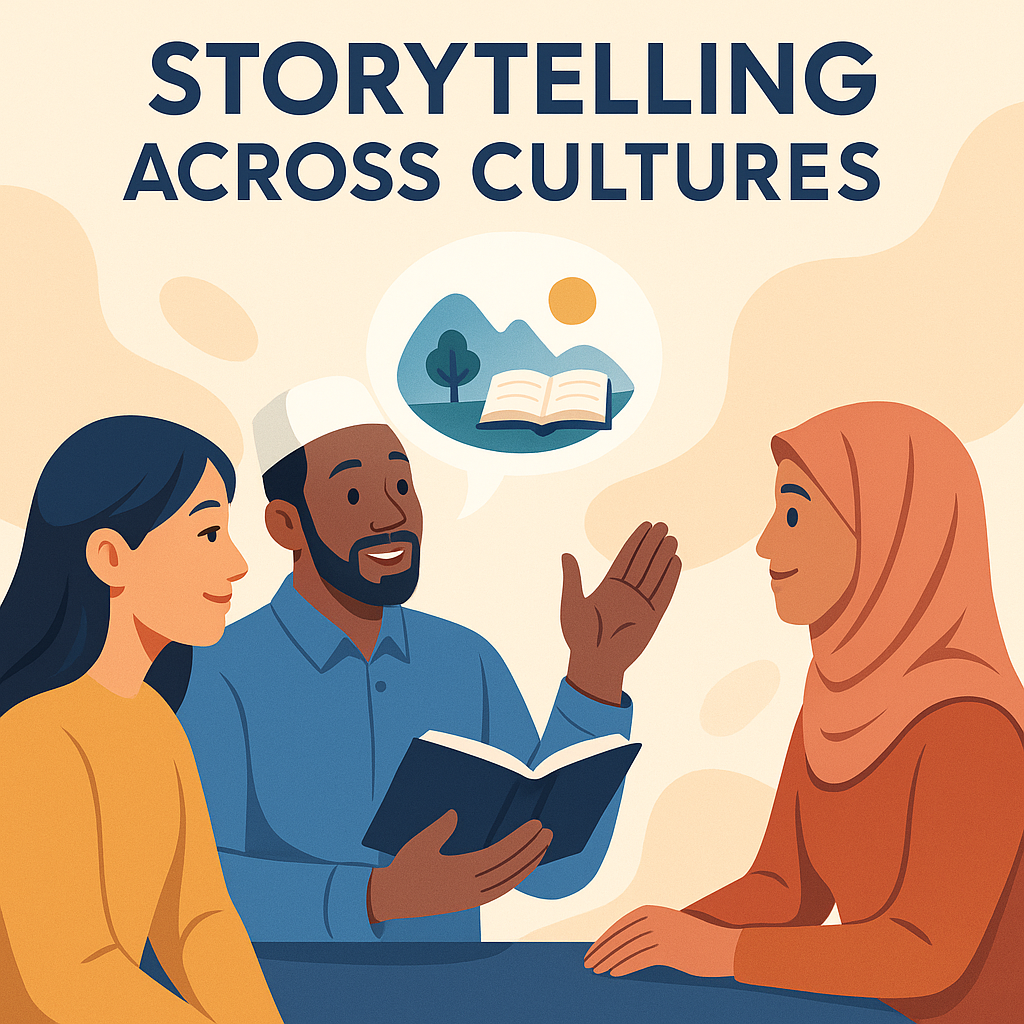
Introduction to Storytelling Across Cultures
Storytelling isn’t just a method of communication; it’s an enduring art form that bridges gaps across cultures and generations. As humans, we’ve shared stories from the dawn of time to make sense of our world, express emotions, and celebrate shared experiences. However, with the advent of the internet, storytelling has evolved into a digital format, fitting seamlessly into our daily lives through blogs. English blogs, in particular, have taken the forefront in sharing diverse cultural narratives, allowing people worldwide to experience stories irrespective of geographical boundaries.
The importance of digital storytelling, especially across cultures, cannot be overstated. It fosters a sense of global connectedness, promotes cultural understanding, and helps individuals see the world through different perspectives. With English being a widely spoken language, English blogs that focus on storytelling serve as a significant platform for transcultural narratives. They function not only as entertainment but as educational resources that enlighten readers about the intricacies of different cultures, their histories, and their philosophies.
The core of storytelling is about sharing a piece of an experience or culture. Whether it’s firsthand narratives, historical accounts, or fictional tales that capture the essence of a society, each story allows readers to delve into a world that may be far removed from their own. By exploring English blogs that champion such storytelling, we encourage cross-cultural dialogue and empathy, thus highlighting why this topic holds immense relevance in our increasingly interconnected global society.
Diverse Narratives in English Blogs
English blogs act as a powerful medium for conveying diverse cultural narratives. Bloggers use their platforms to narrate stories that reflect their unique backgrounds, upbringing, and heritage. By crafting content in English, they reach a wide global audience hungry for diverse voices and perspectives.
| Blog Name | Type of Storytelling | Primary Audience |
|---|---|---|
| Global Grains | Cultural and Culinary Narratives | Food Enthusiasts |
| Travel Tapestry | Travel Stories and Experiences | Adventurers |
| Mythos and More | Folklore and Mythology | Story Enthusiasts |
Take, for instance, “Global Grains,” a blog dedicated to cultural and culinary narratives. The blogger shares delightful stories rooted in food traditions from around the world, discussing how certain dishes came to be an integral part of their culture’s festivities and daily life. By explaining the subtleties of spices or cooking methods used in particular regions, the blog enriches readers’ understanding of these cultures in a flavorful way.
Another example is “Travel Tapestry,” which paints vivid images of various cultures by documenting the travel experiences of the blogger. From the vibrant streets of India to the serene landscapes of Iceland, the blog’s storytelling allows readers to experience the beauty and challenges of visiting new places, all through the eyes of the author. Each post connects the audience not just with the location but with the cultural essence of the destinations.
The Role of Folklore and Mythology
Folklore and mythology have long played a crucial role in cultural storytelling. English blogs like “Mythos and More” dive into this rich vein to explore tales that have been passed down through generations. These stories reflect universal themes such as courage, love, betrayal, and triumph but also reveal specific cultural nuances and moral lessons unique to each society.
Through retelling myths and ancient folklore, these blogs preserve cultural heritage and spark an interest in understanding different cultures. For instance, a post might explore the tale of Anansi the Spider, a trickster figure from West African folklore, and draw parallels between similar archetypal figures found in different cultures like Loki from Norse mythology or the Coyote in Native American stories. This comparative storytelling shows not only the uniqueness of each culture’s stories but also underscores common human experiences and values shared across societies.
Personal Reflections and Universal Lessons
In addition to historical and mythical storytelling, contemporary English bloggers often share personal reflections that offer insight into modern cultural dynamics. By discussing current cultural phenomena or personal experiences with tradition and change, bloggers help readers connect with present-day realities and universal lessons.
For instance, a poignant personal blog entry may describe the diaspora experience, detailing the challenges and opportunities of living between two cultures. Such narratives invite readers into the emotional landscape of identity, providing an authentic perspective that educational textbooks rarely capture.
- Identity and Belonging: Bloggers discuss the complexities of cultural identity, especially among second-generation immigrants balancing tradition with modernity.
- Adapting Traditions: Stories about celebrating traditional festivals or rituals in a new land, emphasizing adaptation and the preservation of heritage.
- Cultural Influences: Essays on how major world events or pop culture phenomena have significantly shaped or altered specific cultural practices.
By engaging with these personal narratives, readers discover that despite cultural differences, many of the struggles and joys shared in these stories are universal. This realization encourages empathy and strengthens global understanding, fostering appreciation of cultural diversity.
Community Building Through Blog Dialogues
A key aspect of English blogs that tell stories across cultures is their ability to build communities. By allowing comments and fostering dialogues, blogs turn storytelling into an interactive experience. Readers from different parts of the world can share their own stories, perspectives, and build networks that cross cultures and geographical divides.
For instance, a blog post about an indigenous festival might prompt responses and anecdotes from readers who have experienced it firsthand or who belong to different cultures with similar celebrations. Through these exchanges, blog platforms become virtual communities where storytelling is both a shared and a shared-in experience.
This interaction transforms passive readers into active participants in a global storytelling community. Blogs not only spread cultural stories globally but also democratize the storytelling process, letting anyone with a story have space to tell it. Thus, they contribute to a richer global narrative formed by the blend of individual voices and collective cultural experiences.
Summarizing the Power of Storytelling in English Blogs
To sum up, storytelling through English blogs is a dynamic and powerful tool for cross-cultural connection and understanding. By harnessing the power of narrative, bloggers share diverse perspectives and foster a deeper appreciation for the rich tapestry of global cultures. English blogs serve as bridges that connect readers worldwide, offering insights into histories, traditions, and personal reflections that might otherwise remain unknown. Through vivid storytelling, these blogs facilitate empathy and cultural appreciation, crucial in our ever-globalizing world.
Readers benefit by gaining exposure to diverse viewpoints and learning valuable lessons from cultures both near and far. They find kinship in the journeys and experiences shared, thus promoting a sense of global community. Now that we’ve explored the impact of cultural storytelling in English blogs, I encourage you to explore these digital narratives actively.
Seek out blogs that offer stories from different corners of the world. Engage with the content, participate in conversations, and contribute your narratives. By doing so, you play a part in this wonderful exchange of stories and ideas, enriching your perspective and contributing to a more connected, empathetic world.
As you navigate this world of cross-cultural storytelling, bear in mind the power that each narrative holds. Whether it’s a tale from a faraway land or a familiar story with a new twist, let each one inspire and inform, bridging the cultural divides that make our world uniquely vibrant.
Frequently Asked Questions
1. What is the importance of storytelling across cultures, and how do English blogs contribute to this?
Storytelling is a universal tool that transcends cultural and linguistic barriers, serving as a bridge between diverse groups of people. It enables individuals from different backgrounds to connect, sharing their unique experiences and viewpoints in a way that fosters mutual understanding and respect. English blogs play a crucial role in this process, as they often serve as accessible platforms for storytellers from around the world to share their narratives. These blogs reach global audiences, allowing stories to travel beyond geographical boundaries and cultural limitations. Through English language blogs, readers can explore diverse perspectives and experiences, leading to greater cultural awareness and empathy. The accessibility and versatility of digital storytelling have empowered bloggers to convey their messages in various forms, such as written posts, visual narratives, and even multimedia content, thus enriching the storytelling landscape and reinforcing its importance in cultural exchange.
2. How have English blogs transformed traditional storytelling methods, and what advantages do they offer?
English blogs have revolutionized traditional storytelling by making it more dynamic, interactive, and accessible. Unlike traditional methods, which rely on oral or written storytelling passed down through generations, blogs have introduced digital and multimedia elements, providing storytellers with a variety of tools to enhance their narratives. Blogs allow storytellers to incorporate images, videos, and audio, making stories more engaging and immersive. Additionally, blogs provide a platform not limited by time or space, allowing stories to reach a global audience instantly. This democratizes storytelling, offering anyone with an internet connection the opportunity to share their viewpoint. An advantage of blogging is the immediate feedback it provides; readers can interact with storytellers through comments or social media, fostering a two-way communication channel. This interaction allows storytellers to refine their narratives, respond to audience queries, and create content that resonates with their readers, thereby enhancing storytelling’s impact and reach.
3. What are some challenges faced by bloggers when telling stories across cultures, and how can they overcome these challenges?
Bloggers telling stories across cultures often face several challenges, including language barriers, cultural sensitivity, and potential misinterpretations. Language barriers can hinder effective communication, as the nuances and expressions of one culture may not easily translate into another. To overcome this, bloggers can use simple, clear language, and provide context or explanations when necessary to ensure their message is understood universally. Cultural sensitivity is another critical concern. Bloggers must be aware of cultural nuances, traditions, and values to avoid offending or alienating their audience. Conducting thorough research and engaging with cultural insiders can help storytellers navigate these sensitivities. Misinterpretations can arise when readers bring their cultural lenses, potentially leading to misconceptions or skewed perceptions of the story. Bloggers can mitigate this by encouraging open dialogue, inviting readers from diverse backgrounds to share their perspectives and offering clarifications as needed. By approaching storytelling with mindfulness and openness, bloggers can effectively bridge cultural gaps.
4. Can you recommend some English blogs that excel in storytelling across cultures?
There are numerous English blogs that are exemplary in storytelling across cultures, each offering a unique lens into diverse worlds. One such blog is “Humans of New York,” which showcases personal stories from people worldwide, highlighting the commonalities and rich diversity of human experiences. Another notable blog is “Global Voices,” which amplifies the voices of citizen journalists from around the globe, shedding light on underrepresented regions and stories. Similarly, “The Culture-ist” explores cultural narratives through the lens of arts, travel, and sustainability, encouraging readers to embrace global citizenship. “Bored Panda” offers a creative and interactive platform where storytellers share viral stories and artistic expressions that resonate with diverse audiences. Each of these blogs provides rich storytelling experiences, demonstrating the power of narrative to connect people across cultural divides.
5. How can aspiring storytellers create engaging content for English blogs that inspire across cultures?
Creating engaging content for English blogs that inspires across cultures requires a blend of creativity, authenticity, and relatability. Aspiring storytellers should begin by identifying a compelling theme or message that resonates with both local and international audiences. They can achieve this by focusing on universal experiences or emotions that transcend cultural differences. Authenticity is critical; storytellers should share genuine experiences and perspectives, as this builds trust and connection with readers. To enhance engagement, storytellers can incorporate multimedia elements such as images, videos, or infographics, making their narratives more vivid and impactful. Crafting stories with a clear structure, including a beginning, middle, and end, helps maintain reader interest. Lastly, storytellers should actively engage with their audience by encouraging feedback and creating a community around their blog. Through consistent interaction, they can better understand their audience’s needs and preferences, tailoring content that truly inspires and transcends cultural boundaries.