
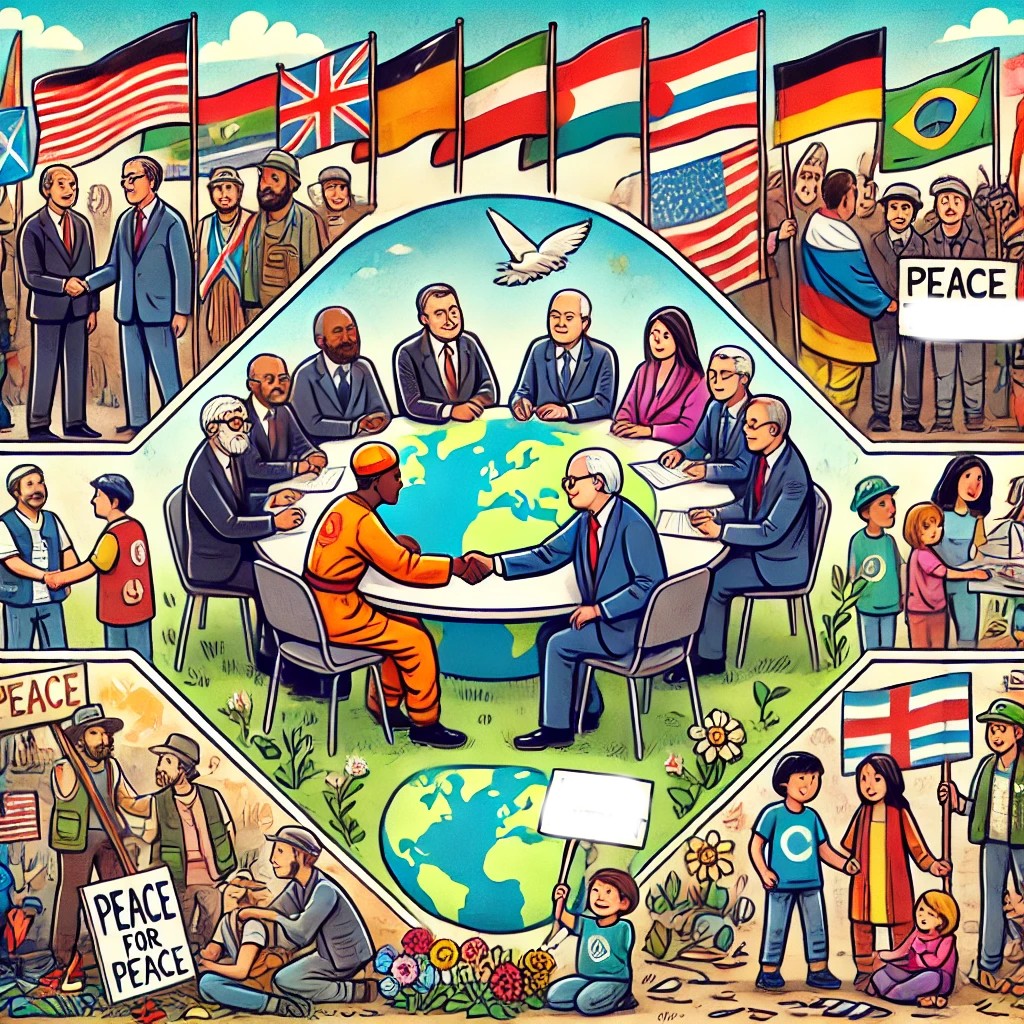
It is increasingly recognized in our highly globalized world that language, particularly English, plays a crucial role in fostering understanding and cooperation across borders. As the most widely spoken language globally, English has become a primary medium for diplomacy, international relations, and peacebuilding efforts. Effective communication is fundamental to resolving conflicts and building lasting peace. In this context, the use of English can act as a bridge, breaking down barriers caused by linguistic diversity and fostering a shared understanding among different cultures.
The significance of English in global peacebuilding is multifaceted. First, it serves as the default language for many international organizations and summits, such as the United Nations, where discussions on global peace are a primary focus. Second, English proficiency enables individuals from diverse backgrounds to engage in dialogue and negotiations, contributing to conflict resolution. Third, it allows for the dissemination of information and knowledge, which is crucial for peace education and awareness campaigns globally. In the following sections, we will explore how English plays a vital role in these various facets of global peacebuilding efforts.
English as the Language of International Diplomacy
International diplomacy is one area where English has firmly established its significance. Diplomats, policymakers, and leaders from around the world use English as their primary mode of communication during international negotiations and summits. This common linguistic ground allows representatives from different countries to articulate their perspectives more clearly, facilitating better understanding and cooperation.
Organizations such as the United Nations, NATO, and the World Bank, which play essential roles in maintaining global peace and security, conduct their affairs predominantly in English. This practice ensures that all member states, regardless of their native languages, can participate actively and meaningfully in discussions. As a result, English proficiency becomes a crucial skill for diplomats and international relations experts who contribute to these peacebuilding efforts.
Moreover, English in diplomacy helps in the dissemination of official documents, treaties, and agreements. By standardizing these materials in English, it becomes easier for all parties involved to access, review, and understand the content, reducing the likelihood of misunderstandings that could lead to conflicts. In this way, English acts as a vital tool in international diplomacy and conflict resolution.
Facilitating Cross-Cultural Dialogue
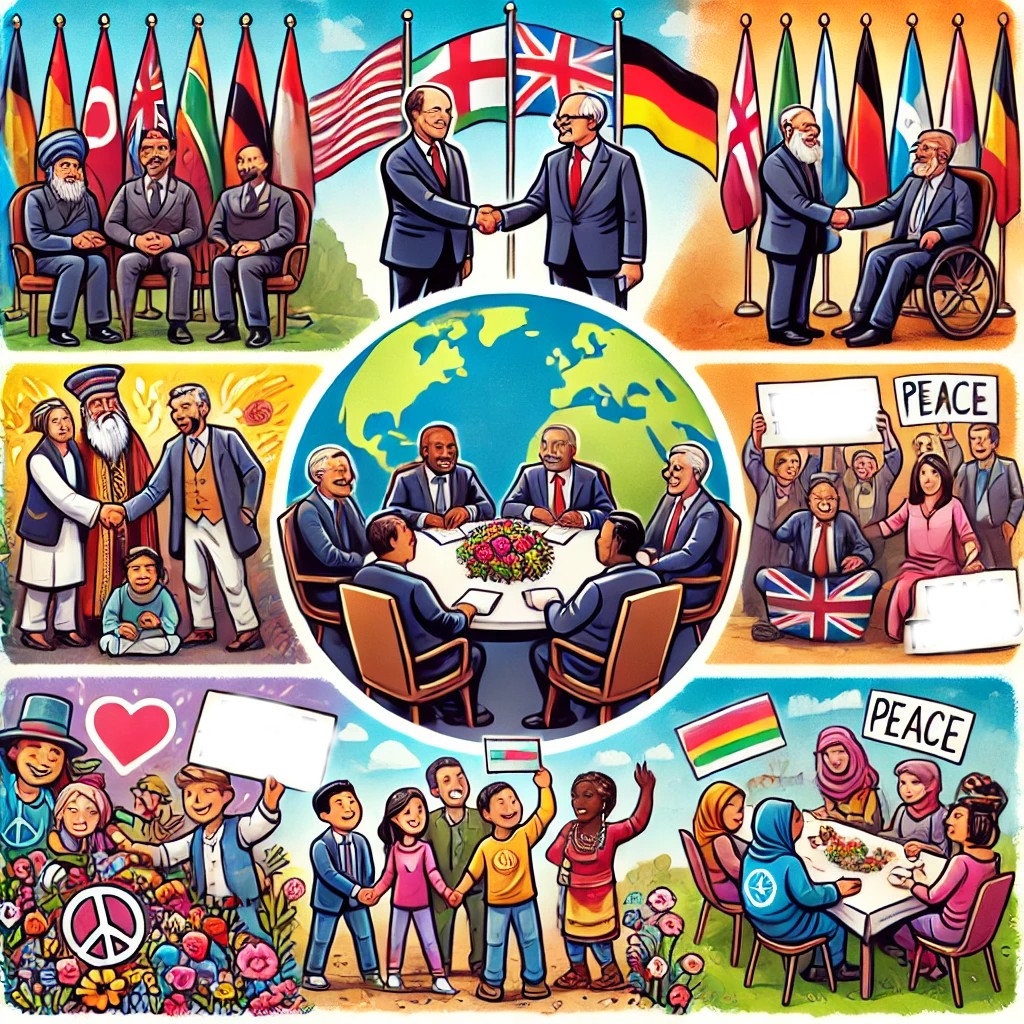
Cross-cultural dialogue is essential in a world filled with diverse cultures, beliefs, and practices. Misunderstandings and conflicts often arise due to language barriers and cultural differences. English, as a global lingua franca, enables individuals from different cultural backgrounds to communicate, share perspectives, and find common ground. This ability to engage in dialogue is a crucial step in peacebuilding efforts.
Educational institutions, NGOs, and community organizations worldwide often use English to conduct workshops, training sessions, and seminars that promote peace and cross-cultural understanding. These initiatives bring together people from various regions and ethnicities to discuss and develop strategies for conflict resolution and social cohesion. As participants share their experiences and ideas in a common language, they build mutual respect and empathy, which are key components of lasting peace.
Furthermore, the advent of digital communication tools and social media has made it easier for individuals to connect and engage in peacebuilding dialogues across distances. Platforms like Facebook, Twitter, and LinkedIn often operate primarily in English, allowing users to participate in global conversations on peace and conflict resolution. This broadens the scope of cross-cultural dialogue and enhances the potential for collaborative peace efforts.
Education and Peacebuilding
Education plays a significant role in peacebuilding by fostering critical thinking, empathy, and understanding among individuals. English, as a widely taught and learned language, serves as a medium for peace education programs and curricula worldwide. These programs aim to equip students and communities with the knowledge and skills needed to promote peace and resolve conflicts.
Many international organizations and educational institutions offer peace education programs in English, reaching a broad audience and facilitating the exchange of peacebuilding concepts and practices. These programs often include components such as conflict resolution training, human rights education, and interfaith dialogue. By learning these concepts in English, participants gain access to a vast pool of resources, literature, and best practices from around the world.
Additionally, English-language media, including books, articles, documentaries, and films, contributes to peace education by raising awareness about global conflicts and the importance of peacebuilding. These resources often highlight the experiences of individuals and communities affected by conflict, fostering a deeper understanding of the human impact of violence and the need for peace. Through such educational initiatives, English helps cultivate a global community of peace advocates dedicated to creating a more harmonious world.
Economic Development and Stability
Economic stability is closely linked to peace and security. Regions with strong, stable economies are often less prone to conflict, as economic development can enhance the quality of life and reduce competition over scarce resources. English, as the dominant language of international business and trade, plays a crucial role in promoting economic development and, by extension, global peace.
Proficiency in English enables individuals to access better employment opportunities, participate in the global market, and engage in international trade. This economic empowerment can lead to greater social stability and reduced likelihood of conflict. For instance, in countries where English is taught as a second language, individuals often find it easier to secure jobs in multinational companies, thus improving their economic prospects and contributing to national economic growth.
Moreover, international aid organizations and development agencies, many of which operate in English, play a vital role in supporting economic development in conflict-affected regions. By providing financial aid, technical assistance, and capacity-building programs, these organizations help create sustainable economic opportunities that can reduce poverty and prevent conflicts. English proficiency among local populations enhances their ability to collaborate with these international agencies, ensuring successful implementation of development projects and fostering long-term stability.
The Role of Technology and Media
Technology and media have become powerful tools in modern peacebuilding efforts, with English serving as the primary language of these platforms. Social media, websites, and various applications enable individuals to share information, report on conflicts, and mobilize support for peace initiatives in real time. By using English as the medium, these platforms ensure that their messages reach a global audience, amplifying their impact.
Citizen journalism, facilitated by platforms like Twitter and YouTube, allows people in conflict zones to share their stories and experiences with the world. This grassroots communication can highlight specific issues, garner international attention, and prompt action from global peace organizations. English, as the common language used on these platforms, ensures that these important messages are accessible and comprehensible to a wide audience.
Furthermore, technology-driven collaborations, such as virtual peacebuilding workshops and online forums, provide opportunities for individuals from different parts of the world to connect and work together on peace projects. English often serves as the common language in these virtual spaces, enabling participants to communicate effectively and share various perspectives. By leveraging technology and media in English, peacebuilders can create innovative solutions to conflicts and promote global unity.
Conclusion
In our interconnected world, the role of English in global peacebuilding efforts cannot be overstated. As a dominant global language, English bridges the gap between cultures, facilitating international diplomacy, cross-cultural dialogue, education, economic development, and the effective use of technology and media. Its widespread use enables individuals and organizations globally to communicate, collaborate, and unite for the common goal of peace.
To enhance the positive impact of English on peacebuilding, it is essential to promote its learning and usage in conflict-prone areas and among marginalized communities. By providing access to English education and proficiency training, we can empower more individuals to participate in peace initiatives, advocate for their rights, and contribute to global stability. Additionally, encouraging the responsible use of English in media and technology can amplify voices for peace and foster a more inclusive and harmonious global community.
Ultimately, while language alone cannot solve all conflicts, it is a powerful tool that, when used effectively, can significantly contribute to building a more peaceful and just world. By recognizing and harnessing the role of English in global peacebuilding efforts, we can create a more interconnected and cooperative global society, dedicated to achieving lasting peace and understanding across borders.





