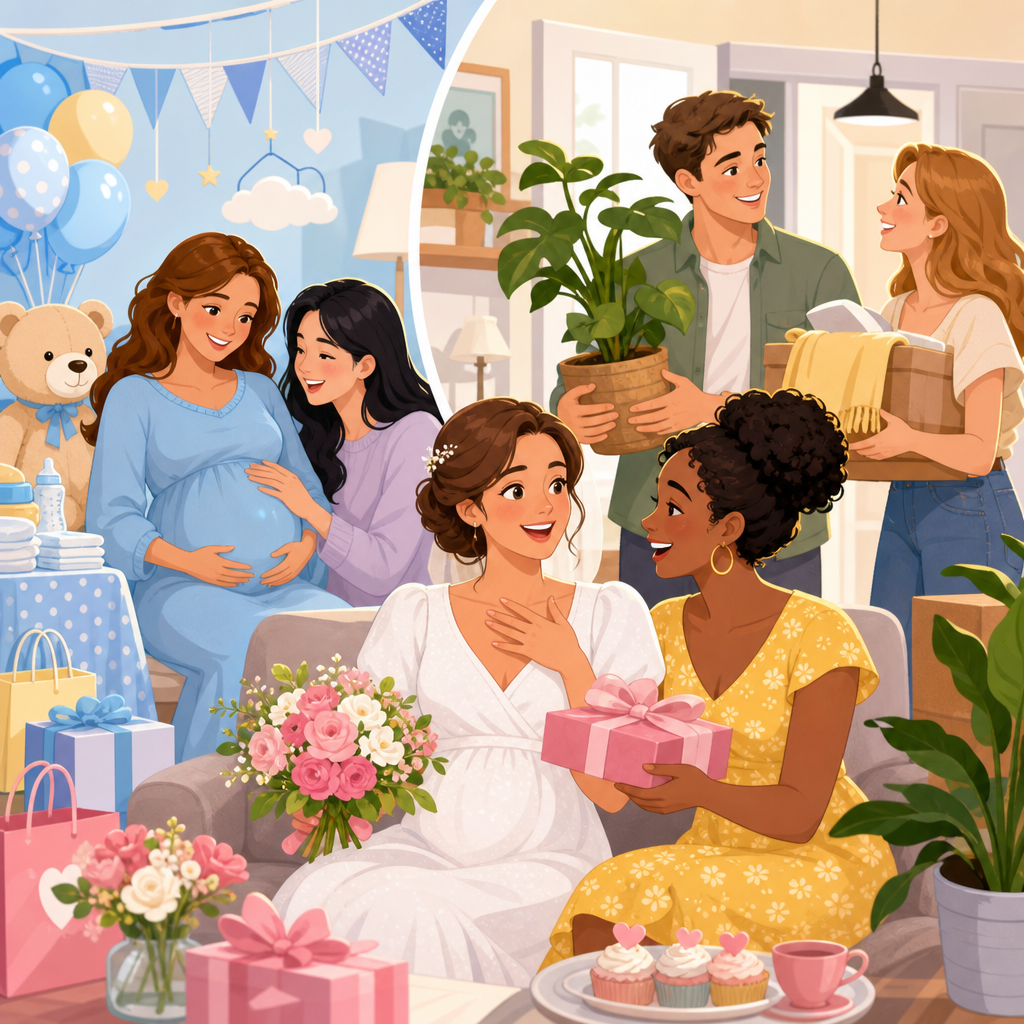
Baby shower, bridal shower, and housewarming are common social events in the United States, and understanding the English used around them helps learners join conversations, read invitations correctly, and avoid awkward mistakes. These gatherings seem simple, but each one has its own purpose, timing, gift expectations, and set of phrases that native speakers use naturally. If you have ever wondered why people say “I’m hosting a shower,” “We’re registered at Target,” or “Come help us warm the house,” the answer is cultural as much as linguistic. In practical English, these are not interchangeable party words. A baby shower celebrates an upcoming baby, a bridal shower celebrates a bride before the wedding, and a housewarming celebrates moving into a new home.
I have taught this topic to adult English learners who could understand grammar perfectly yet still felt lost when coworkers discussed registries, RSVP deadlines, or thank-you notes. The confusion usually comes from vocabulary that dictionaries define too broadly. For example, “shower” in these contexts does not refer to bathing. It means a social event where guests “shower” someone with gifts, support, advice, or attention. “Housewarming” sounds old-fashioned, but it remains standard American English for a gathering after a move. These terms matter because invitations, small talk, workplace conversations, and neighborhood relationships often include them. Knowing the right English helps you sound informed, polite, and relaxed rather than uncertain.
In American culture, these events are also useful windows into how hospitality and gift-giving work. They often involve indirect language, soft expectations, and unwritten rules. A person may say, “No gifts necessary,” yet guests still bring something small. Another may say, “We’re registered at Amazon,” which is a polite way to guide gift choices without sounding demanding. For English learners, mastering this language is less about memorizing isolated words and more about recognizing patterns: who hosts, when invitations are sent, how people accept or decline, and what comments are considered friendly. Once you know those patterns, invitations and conversations become much easier to navigate.
Baby shower English: invitations, gifts, and useful phrases
A baby shower is a celebration for parents expecting a baby, usually held before the birth. In current American usage, it may honor the mother alone, both parents, or a broader family group. You may also hear “co-ed baby shower,” “baby sprinkle,” or “gender-neutral shower.” A “baby sprinkle” is a smaller event, often for parents who already have one child and need fewer items. Common invitation language includes “Join us to celebrate the parents-to-be,” “We’re showering Maya with love,” and “Registered at Buy Buy Baby and Amazon.” “Parents-to-be” means people who will soon become parents. “Registered at” refers to a gift registry, a store list of requested items.
Useful conversation lines are direct and easy to memorize. Guests often ask, “When are you due?” meaning the expected birth date. Another common question is, “Do you know if you’re having a boy or a girl?” If the family does not want to share that information, they may answer, “We’re keeping it a surprise.” At the event, you may hear “diaper raffle,” “onesies decorating,” or “guess the baby food flavor,” all common game or activity terms. If you cannot attend, a natural response is, “Thank you for inviting me. I’m sorry I can’t make it, but I’d love to send a gift.” “Can’t make it” is standard informal English for being unable to attend.
One detail learners often miss is tone. It is acceptable to congratulate someone warmly, but questions about fertility treatment, miscarriage history, adoption processes, or medical risk can feel intrusive unless the person has already opened that topic. In professional settings, keep comments simple: “Congratulations,” “You must be excited,” or “That’s wonderful news.” This language sounds supportive without becoming too personal.
Bridal shower English: what the event means and how people talk about it
A bridal shower is a pre-wedding event centered on the bride. Traditionally, it was hosted by friends or relatives other than close immediate family, though modern practice is flexible. Today, many showers include mixed groups, and some communities prefer “wedding shower” when both partners are being celebrated. Still, “bridal shower” remains widely used, especially on invitations, registry pages, and event calendars. Typical invitation phrases include “Please join us for a bridal shower honoring Elena,” “Brunch, bubbly, and gifts,” and “The bride is registered at Crate & Barrel.” “Honoring” is formal invitation language that means the event is for that person.
The vocabulary around bridal showers often overlaps with wedding English, so precision matters. A bridal shower is not the same as a bachelorette party. The shower usually happens in the daytime, often includes relatives of different ages, and focuses on gifts, food, games, or advice. A bachelorette party is usually more informal and centered on celebrating with close friends. Useful questions include “Where are you registered?” “What’s your wedding date?” and “Have you picked your dress yet?” During the event, you may hear “bridal bingo,” “recipe cards,” or “honeymoon fund,” depending on the style of celebration.
Gift language is especially important here. If someone says, “Your presence is present enough,” they mean gifts are not required, though many guests still bring a card or small item. If an invitation includes registry information, it is normal, not rude. In American English, “registered at” is understood as practical guidance. When declining, say, “I’m sorry I’ll miss it. Please give the bride my best.” That phrase is polite and natural. When attending, a simple compliment such as “Everything looks beautiful” works well because it praises the host without sounding exaggerated.
Housewarming English: visiting a new home politely
A housewarming is a gathering after someone moves into a new home or apartment. The name comes from an older idea of bringing warmth into a new place, historically even by lighting a fire. Modern housewarming events range from formal open houses to casual pizza nights. Common invitation wording includes “Come celebrate our new home,” “Join us for a housewarming party,” and “Drop by anytime between 2 and 5.” “Drop by” means arrive casually within a time window rather than at one exact starting minute. If the invitation says “open house,” that usually means guests may come and leave during the stated period.
Guests often ask, “How are you settling in?” or “How do you like the neighborhood?” These are better than immediately asking, “How much did the house cost?” which is often considered too personal. Other useful comments are “Your place is lovely,” “You’ve done so much already,” and “The kitchen has great light.” Specific compliments sound more natural than vague praise. It is also common to bring a practical gift such as a candle, plant, kitchen towel set, or bottle of wine, unless you know the hosts well enough to choose something more personal.
Because this event often creates neighborly conversation, it connects closely with broader American small-talk habits. If you want more context on how to sound natural in these interactions, read the main guide at American small talk rules that surprise ESL learners. That background helps you understand why comments about space, weather, commute time, pets, and local shops are common and safe choices at a housewarming.
Key phrases, RSVP language, and gift etiquette compared
The easiest way to remember these events is to compare purpose, timing, and language side by side. In my classes, this comparison reduces confusion faster than isolated vocabulary lists because learners can see which phrases travel across events and which ones do not. For example, “Congratulations” works everywhere, but “When are you due?” only fits a baby shower. “Registered at” appears often for baby and bridal showers, but less consistently for housewarmings.
| Event | Main purpose | Common invitation language | Useful guest phrase |
|---|---|---|---|
| Baby shower | Celebrate an upcoming baby | Parents-to-be, registered at, join us to shower | Congratulations. When are you due? |
| Bridal shower | Celebrate the bride before the wedding | Honoring the bride, brunch and bubbly, registered at | You must be excited for the wedding. |
| Housewarming | Celebrate moving into a new home | Open house, drop by, celebrate our new home | Your place is lovely. How are you settling in? |
RSVP language deserves special attention. “RSVP” comes from French, but in American English it simply means “Please tell us if you are coming.” A complete response is better than silence. Say, “Thank you for the invitation. I’d be happy to attend,” or “I’m sorry, but I won’t be able to make it.” If food, games, seating, or gift opening is planned, hosts genuinely need the answer. Finally, always send a thank-you message after attending or after receiving a gift. This is not old-fashioned; it remains a strong social expectation and a sign of respect.
Baby shower, bridal shower, and housewarming each use distinct English because each event marks a different life moment: a new baby, a coming marriage, or a new home. Once you understand the purpose of each gathering, the vocabulary becomes logical. “Parents-to-be,” “registered at,” “honoring the bride,” “open house,” and “drop by” are not random expressions; they signal specific social expectations. Just as important, the safest conversational style is warm but not invasive. Congratulate people, ask practical questions, comment positively on the event, and avoid deeply personal topics unless the host brings them up first.
For English learners, the biggest advantage of mastering this language is confidence. You can read invitations accurately, reply politely, choose an appropriate gift, and participate in small talk without guessing. That matters in workplaces, neighborhoods, schools, and family circles, where these events often build real relationships. If you want to sound natural, learn the standard phrases, notice the tone, and practice a few go-to responses before the next invitation arrives.
Start with three simple lines: “Congratulations,” “Thank you for inviting me,” and “I’m sorry I can’t make it, but I’d love to send a gift.” Those sentences fit many situations and immediately make your English more socially effective. Then add event-specific questions such as “When are you due?” “Where are you registered?” or “How are you settling in?” With that foundation, you will not just understand these celebrations. You will be ready to join them comfortably.
Frequently Asked Questions
1. What is the difference between a baby shower, a bridal shower, and a housewarming?
A baby shower, a bridal shower, and a housewarming are all social gatherings, but they celebrate very different life events. A baby shower is held for someone who is expecting a baby, usually before the baby is born. The purpose is to celebrate the parent-to-be and help them prepare with gifts such as baby clothes, diapers, toys, or items from a baby registry. A bridal shower is held before a wedding and is focused on the bride, although some modern versions include both partners and may be called a wedding shower or couples shower. The goal is similar: to celebrate the upcoming marriage and give useful gifts for the couple’s new life together. A housewarming happens after someone moves into a new home. Instead of preparing for a baby or marriage, guests visit the new place, congratulate the host, and often bring a small gift for the home.
For English learners, the most important thing is that native speakers use these event names very naturally and expect them to carry specific meanings. If someone says, “I’m going to a baby shower this weekend,” listeners immediately understand the event, the reason for it, and the type of gift that is appropriate. The same is true for “bridal shower” and “housewarming party.” Even though all three involve invitations, food, conversation, and gifts, the social expectations are different. Knowing the exact term helps you understand invitations correctly and respond in a way that sounds natural and culturally aware.
2. What does it mean when someone says, “I’m hosting a shower”?
When someone says, “I’m hosting a shower,” they mean they are organizing and leading the event. In English, the verb “to host” means to invite people, plan the gathering, prepare the space, and make sure everything runs smoothly. A host might choose the date, send invitations, arrange food and decorations, plan games, and welcome guests when they arrive. In the context of a baby shower or bridal shower, the host is often a friend, sibling, relative, or coworker rather than the person being celebrated. So if you hear, “My sister is hosting my baby shower,” it means the sister is planning the event for the expecting parent.
The word “shower” in these expressions does not refer to a bathroom shower. It means a celebration where the guest of honor is “showered” with gifts, attention, and good wishes. That is why native speakers say “baby shower” and “bridal shower,” but not usually “housewarming shower.” For a housewarming, people more often say “housewarming party” or simply “housewarming.” Understanding this language helps avoid confusion. If you are invited, you may hear phrases like “She’s hosting a bridal shower,” “We’re throwing him a baby shower,” or “I’m helping host the event.” All of these mean someone is taking responsibility for planning and presenting the celebration.
3. What does “We’re registered at Target” mean, and why is it important?
When someone says, “We’re registered at Target,” they are talking about a gift registry. A registry is a list of items that the person or couple would like to receive as gifts, usually created at a store or on a shopping website. Target, Amazon, Walmart, and department stores are common places for registries in the United States. For a baby shower, the registry may include practical items such as a stroller, bottles, blankets, baby monitors, and diapers. For a bridal shower or wedding-related event, the registry may include kitchen tools, dishes, towels, or home appliances. The purpose is to help guests choose useful gifts and avoid buying the same thing twice.
This phrase is very common in invitation language and everyday conversation. You might see, “Registered at Target and Amazon,” “The couple is registered at Crate & Barrel,” or “Registry information is included below.” Culturally, using a registry is normal and not considered rude in many American situations, especially for weddings and babies. It makes gift-giving easier because guests know what is wanted and needed. For English learners, this is an important phrase because it appears often on invitations, event websites, and casual messages. If you are attending one of these events, checking the registry is usually the easiest and safest way to choose an appropriate gift.
4. What kinds of gifts and phrases are appropriate for each event?
Gift expectations depend on the event. For a baby shower, practical gifts are very common. Guests often bring diapers, baby clothes, books, feeding supplies, blankets, or something from the registry. Useful phrases include “Congratulations on the baby,” “I’m so excited for you,” and “This will come in handy when the baby arrives.” For a bridal shower, gifts are often focused on married life and the home, although modern registries vary widely. Common phrases include “Congratulations on your engagement,” “Best wishes for your marriage,” and “I hope you both enjoy this.” For a housewarming, gifts are usually smaller and less formal. People often bring candles, plants, kitchen towels, snacks, a bottle of wine, or another simple item for the home. Natural phrases include “Congratulations on your new place,” “Your home is beautiful,” and “Thanks for having us over.”
It is also helpful to know what not to say. For example, asking very personal questions at a baby shower or making negative comments about someone’s home can sound impolite. If you are unsure, keep your language warm, positive, and simple. Phrases like “This is such a lovely celebration,” “I’m happy for you,” and “Thank you for inviting me” work in almost any situation. In American English, good manners at these events are often shown through enthusiasm, supportive comments, and choosing a gift that fits the purpose of the gathering. Learners do not need perfect vocabulary; they just need expressions that sound kind, natural, and appropriate.
5. How should I read and respond to invitations for these events in English?
Invitations often contain key vocabulary that tells you what kind of event it is, who is being celebrated, and what guests are expected to do. You may see phrases such as “Please join us for a baby shower honoring Maria,” “You’re invited to a bridal shower for Hannah,” or “Come help us warm the house.” That last phrase, “help us warm the house,” is a playful expression connected to a housewarming. It means “come celebrate our new home with us,” not literally make the house warmer. Invitations may also include details such as date, time, location, RSVP information, dress suggestions, and registry links.
To respond, native speakers usually say something clear and polite, such as “Thank you for inviting me. I’d love to come,” “I’m sorry, but I can’t make it,” or “I’ll be there.” If an RSVP is requested, it is important to answer by the deadline because the host needs to plan food, seating, and activities. If you cannot attend, it is still polite to send a short message and, in some cases, a gift. Understanding invitation language helps learners avoid awkward mistakes, such as missing the purpose of the event or not recognizing that a registry link is there to guide gift choices. In short, reading carefully and replying promptly are both important parts of participating naturally in these common American social traditions.