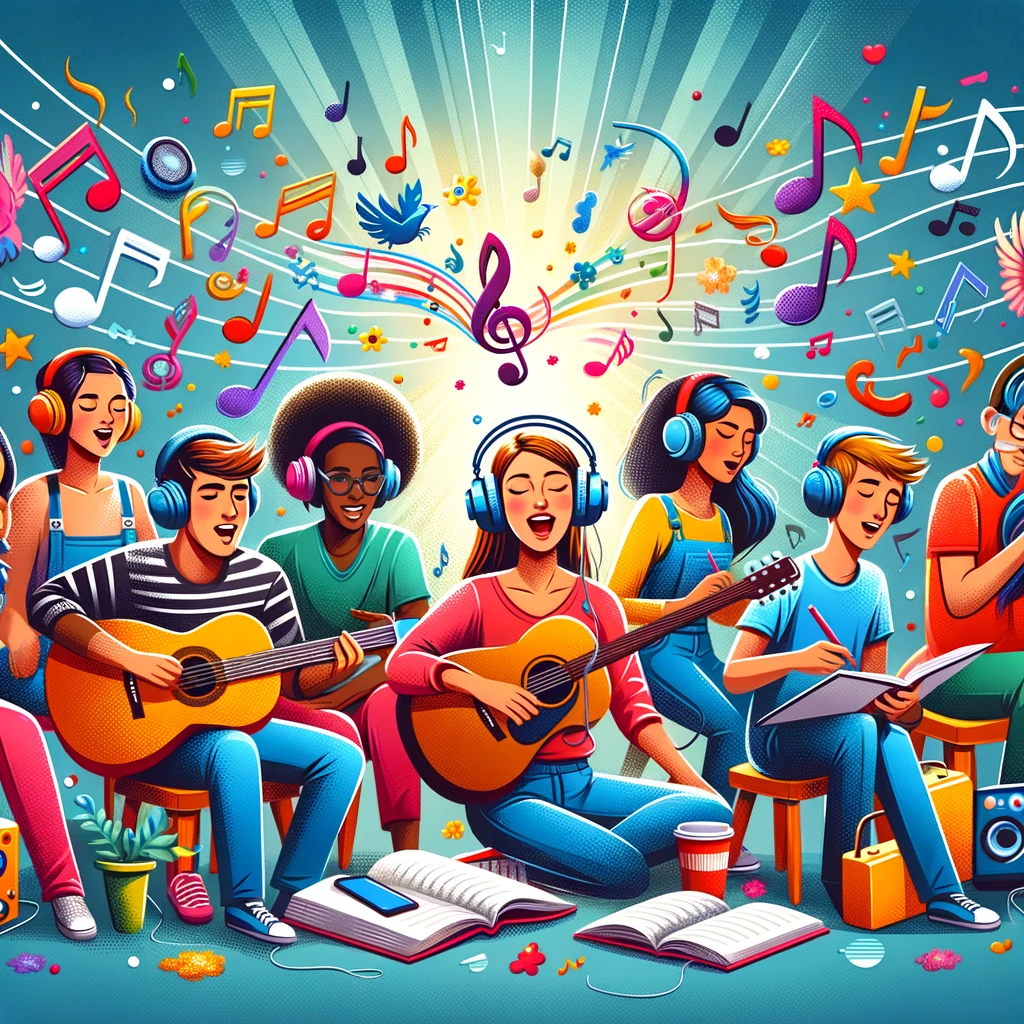
In today’s globalized world, multilingual communities are no longer an exception but a common reality. Such communities bring together people from diverse linguistic backgrounds, each contributing their unique voice to the societal tapestry. However, the diversity in languages also presents challenges in communication. Building bridges in multilingual communities is essential to facilitate understanding, encourage collaboration, and foster harmony. The importance of effective communication in these settings cannot be overstated, as it influences every aspect of community life, from education and healthcare to business and social interaction. Therefore, exploring strategies and tools that enhance communication within these environments is crucial. In this article, we delve deep into the significance of multilingual communication, the hurdles faced, and effective approaches for building communication bridges in multilingual communities.
Understanding Multilingual Communities
Multilingual communities are characterized by the presence of multiple languages spoken by the inhabitants. They can be found in culturally diverse urban areas, border regions, and places with high immigrant populations. The infrastructure of these communities is often complex, requiring nuanced approaches to facilitate effective communication that respects linguistic and cultural diversity. Unlike monolingual communities, where a single language dominates, multilingual settings require residents to navigate a myriad of communication practices. This intricacy shapes the social dynamics, requiring residents to adapt continually to diverse communication contexts. The ability to effectively communicate across languages and cultures not only enhances social cohesion but also promotes inclusivity and mutual respect.
Challenges in Multilingual Communication
One of the primary challenges in multilingual communities is language barriers. These barriers create misunderstandings and misinterpretations that can escalate conflicts and hinder collaboration. Individuals may struggle to express themselves fully, impacting their ability to participate actively in community life. In addition, essential services like healthcare, legal assistance, and education often lose efficacy when language barriers exist. Professionals working in these sectors might face difficulties in understanding and responding sensitively to the needs of non-native speakers. Such challenges necessitate robust systems to support effective communication, including the provision of translation and interpretation services.
Furthermore, varying levels of language proficiency add another layer of complexity. People within multilingual communities possess differing language skills, affecting how they perceive and express themselves. This situation is compounded by dialectical differences, which can further fragment communication even within the same language group. Such dynamics underscore the necessity for comprehensive language education programs that elevate the overall language proficiency across communities. Language education can empower individuals to bridge linguistic divides, enabling smoother integration and interaction among diverse linguistic groups.
Strategies for Building Communication Bridges
One effective approach to building communication bridges is education, particularly multilingual education programs that focus on teaching multiple languages from an early age. Schools can serve as environments where linguistic and cultural differences are respected and celebrated. By incorporating language learning into the curriculum, children grow up with an appreciation and understanding of linguistic diversity. These educational initiatives should emphasize both language skills and intercultural competencies, equipping students with tools to navigate multicultural interactions confidently. Developing curricula that are culturally relevant and inclusive helps to affirm the identities of all students, fostering an environment of respect and equality.
Another powerful tool is technology, specifically translation applications and language learning platforms that provide access to multilingual resources. Technology can bridge gaps that traditional methods might find challenging. For example, real-time translation devices and apps can facilitate communication where human interpreters are unavailable. Moreover, digital platforms allow for continuous language learning, offering community members opportunities to enhance their skills independently. By harnessing technology, multilingual communities can overcome physical and logistical barriers, expanding opportunities for intercultural engagement.
Community initiatives, such as language exchange programs and cultural events, also play a critical role. These initiatives encourage direct interaction among community members, fostering empathy and understanding. Language exchange programs allow individuals to practice languages in a social context, deepening linguistic ties. Cultural events serve to celebrate diversity, providing platforms for sharing traditions and fostering dialogue among different groups. This grassroots approach empowers community members to become active participants in their multicultural environments, strengthening social bonds through shared experiences.
The Role of Policy and Legislation
The establishment of policies and legislation that support multilingual communication is vital. Governments and local authorities can institutionalize multilingualism through language policies that mandate the inclusion of multiple languages in public services and communications. Such policies ensure that all community members have equitable access to information and services. Legislative frameworks supporting language rights can protect minority languages, preserving cultural heritage and promoting linguistic diversity. It is essential for policy-makers to work closely with community leaders to tailor policies that reflect the unique needs of their multilingual populations. These efforts can provide a structured approach to overcoming linguistic barriers, promoting social integration and cohesion.
Case Studies of Successful Multilingual Communities
Examining case studies of successful multilingual communities provides valuable insights into effective practices. Take, for instance, the city of Toronto, Canada, which has embraced its multilingual makeup through comprehensive language policies and inclusive education systems. Toronto’s public services are offered in multiple languages, ensuring accessibility for its diverse population. This approach has been instrumental in fostering an inclusive and harmonious urban environment that celebrates its cultural richness.
Another example is Singapore, where multilingualism is woven into the national fabric. The government’s language policy, known as the “Speak Good English” and “Chinese Learning” programs, highlights the importance of maintaining proficiency in both English and other locally significant languages. This policy supports cohesive multilingual education, ensuring that communication barriers are minimized, and cultural identities are preserved. Singapore’s approach demonstrates how varied linguistic practices can coexist, contributing to a dynamic and vibrant society.
Conclusion
Building communication bridges in multilingual communities requires a concerted effort across various sectors, including education, technology, community engagement, and policy-making. By recognizing the challenges and opportunities presented by linguistic diversity, communities can implement strategies that promote understanding and inclusivity. Educational initiatives can cultivate linguistic and cultural appreciation, while technology and community programs can provide practical solutions for overcoming communication barriers. Policymakers must ensure that legislative measures support equitable language access, preserving cultural heritage and enhancing community integration. As we move forward in an increasingly interconnected world, the ability to communicate effectively across languages becomes an invaluable asset. By prioritizing multilingual communication efforts, communities can foster environments where diversity is not only acknowledged but celebrated, paving the way for collective growth and harmony.
Frequently Asked Questions
1. Why is building communication bridges in multilingual communities so important?
In our increasingly interconnected world, multilingual communities are becoming the norm rather than the exception. These communities are a rich tapestry of cultures, perspectives, and languages, which can immensely enhance societal interactions and innovation. However, the diversity of languages within these communities can also be a source of miscommunication and misunderstanding if not managed well. Building communication bridges helps to ensure that all voices are heard and understood. This is crucial for several reasons:
Firstly, it facilitates understanding. Effective communication allows individuals to express themselves accurately and be understood by others, reducing the potential for conflicts arising from misunderstandings. Secondly, it encourages collaboration. When people can communicate effectively, they are more likely to work together constructively, combining their diverse perspectives to come up with innovative solutions. Lastly, fostering harmonious interactions is crucial for peaceful coexistence. When people can connect and communicate despite language barriers, it breeds respect and appreciation for diversity, contributing to societal harmony and cohesion.
2. What are some common challenges faced when building communication bridges in multilingual communities?
Building communication bridges in multilingual communities comes with its unique set of challenges. One of the primary concerns is language proficiency. Not everyone may have the same level of proficiency in the dominant or common language used in the community, which can lead to exclusion or miscommunications. Another common challenge is cultural sensitivity. Languages are deeply tied to cultural identities, and imposing a single language as the norm can sometimes be seen as diminishing or dismissing cultural diversity.
Additionally, access to translation and interpretation services can be limited. Professional translators and interpreters are essential for bridging communication gaps but are not always readily available or affordable in all settings. Lastly, the technology for real-time translation, like translation apps, while improving, is still not perfect and may not capture the nuances of language, leading to potential misunderstandings.
3. What strategies can be implemented to improve communication in multilingual communities?
Improving communication in multilingual communities requires a multi-faceted approach. One effective strategy involves promoting language learning and offering regular language classes for community members wishing to improve their skills in the common language used. This empowers individuals, giving them confidence to engage more deeply within the community.
Utilizing technology is another powerful strategy. Tools like translation apps and devices have made significant strides and can assist in breaking down language barriers, especially in day-to-day interactions. Encouraging the presence of translators or hiring multilingual staff in key community areas such as hospitals, schools, and local government offices ensures that everyone can access critical services without language being an obstacle.
Active community engagement is also integral. Hosting multicultural events and dialogue sessions in multiple languages encourages members to learn from each other’s experiences and cultures, fostering mutual respect and understanding. Finally, promoting inclusive policies that recognize all languages as valuable contributes to a more harmonious community.
4. How can technology aid in building communication bridges in multilingual communities?
Technology plays a pivotal role in bridging communication gaps in multilingual communities. With the advent of advanced translation apps and software, real-time communication between people speaking different languages has become more straightforward. These tools facilitate immediate exchanges, which can be crucial in situations where understanding is imperative, such as in medical settings or during emergencies.
Moreover, technology can also provide platforms for virtual language learning, offering accessible and sometimes free resources for those looking to improve their language skills. Online forums and social media create spaces where people from various linguistic backgrounds can connect, share experiences, and practice language skills informally and comfortably.
Innovations in artificial intelligence also hold promise for interpreting nuanced languages and dialects more effectively, helping break down language barriers that might otherwise hinder communication in diverse settings. Furthermore, technology can be leveraged to create digital tools that promote cultural exchange and awareness, helping communities appreciate the rich backgrounds each language represents.
5. What role do educational institutions play in building communication bridges in multilingual communities?
Educational institutions are at the forefront of fostering communication within multilingual communities. Schools, colleges, and universities can create inclusive environments that recognize and celebrate linguistic diversity. By offering multilingual curricula and language support services, educational institutions cater to a diverse student body, allowing all students equal opportunities for learning and participation.
Additionally, schools can implement language exchange programs, where students can teach and learn languages from each other. This not only improves language proficiency but also builds cross-cultural friendships and understanding. Faculties and staff being trained in cultural competence ensures that they are sensitive to the needs of students from diverse backgrounds and can provide necessary support.
Moreover, educational institutions often host community events celebrating different cultures and languages, serving as a platform to promote multicultural understanding and respect. By integrating these practices, educational institutions not only contribute significantly to building communication bridges but also prepare students to thrive in a multicultural world.