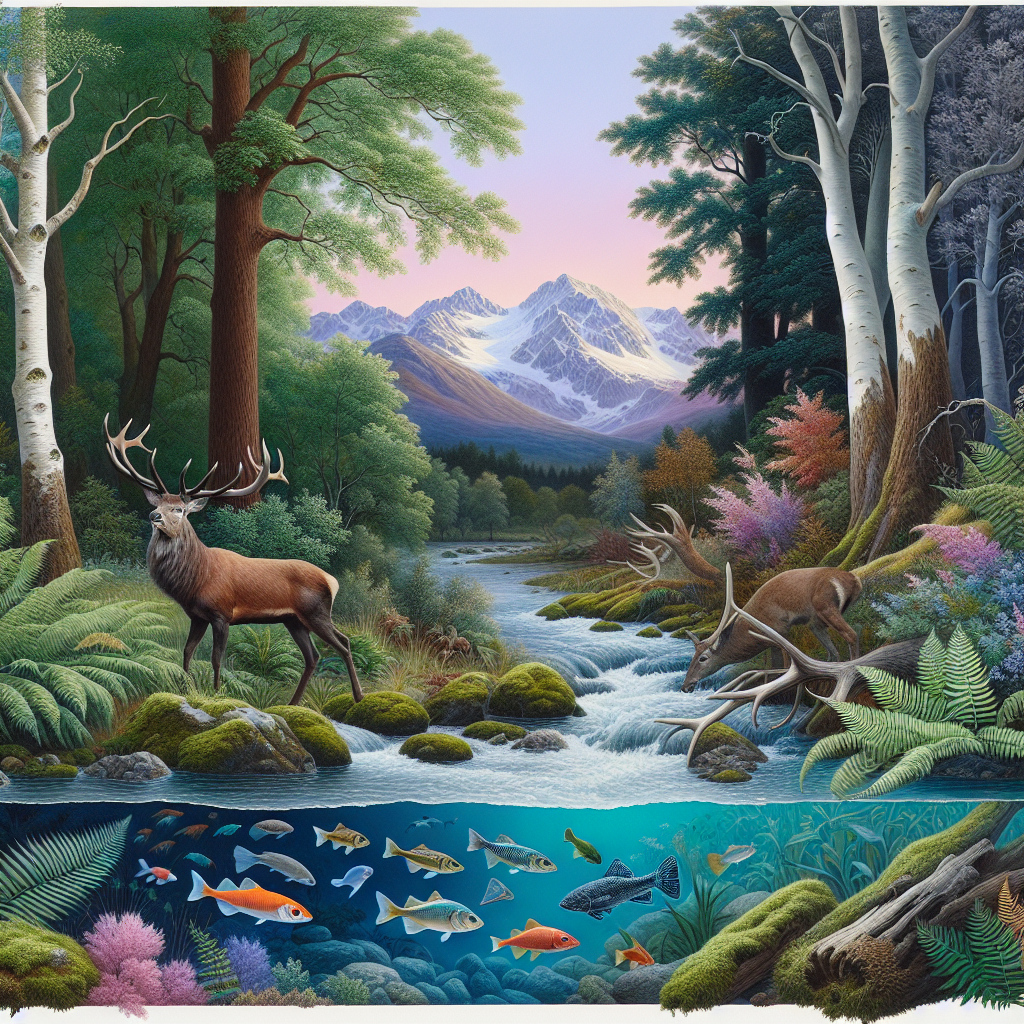
Welcome to our exploration of the rich and diverse world of English vocabulary for nature and wildlife. Whether you’re an avid nature lover, a budding biologist, or someone simply curious about the great outdoors, having a robust vocabulary in this area can enhance your understanding and appreciation of the natural world. As you venture further into your English language journey, you’ll discover that a well-rounded knowledge of nature-related terms is not only useful but also engaging, offering you a glimpse into the scenic beauty and complex ecosystems that our planet has to offer.
In this article, we will dive deep into the essential terms and phrases related to different landscapes, diverse wildlife species, and unique natural phenomena. Whether you’re planning to explore the dense forests of the Amazon, the arid deserts of the Sahara, or the vibrant coral reefs of the Great Barrier Reef, knowing these words will greatly aid your understanding and communication. Additionally, this vocabulary can support various conversations, from discussing environmental issues to planning your next outdoor adventure with friends.
Understanding nature and wildlife vocabulary is not just about learning new words; it’s about connecting more deeply with our environment. Language shapes how we perceive the world, and by expanding your vocabulary, you’ll gain new insights into the intricate relationships within ecosystems. So let’s embark on this journey together, expanding your English lexicon while fostering a stronger connection with nature.
Exploring Landscapes: From Mountains to Oceans
When it comes to nature, landscapes are one of the most talked-about aspects. They are the backdrop of our world and form the foundation for diverse ecosystems. Understanding landscape vocabulary is fundamental to describing and appreciating the sheer variety of our planet’s surfaces. Some key terms include:
- Mountain: A large natural elevation of the earth’s surface rising abruptly from the surrounding level; a large steep hill. Mountains are found all over the world, with some of the most famous being the Himalayas and the Andes.
- Valley: A low area of land between hills or mountains, typically with a river or stream flowing through it. Valleys are known for their lush vegetation and often serve as fertile grounds for agriculture.
- Desert: A barren area of landscape where little precipitation occurs, and consequently, living conditions are hostile for plant and animal life. The Sahara Desert is a well-known example.
- Rainforest: A dense forest rich in biodiversity, found typically in tropical areas with consistently heavy rainfall. The Amazon rainforest is the largest of its kind.
- Ocean: A vast expanse of sea that covers most of the Earth’s surface. Oceans are crucial for climate regulation and are teeming with marine life.
These terms not only help in visualizing the geography of a place but also offer insights into the various forms of life and ecosystems that each type of landscape supports. Knowing these words can enrich your conversations about travel, climates, and environmental conservation.
Understanding Wildlife: From Mammals to Insects
The animal kingdom is an integral part of our natural world, offering a stunning array of creatures, each adapted beautifully to their habitats. Familiarity with wildlife vocabulary is essential for discussing biodiversity, conservation, and ecology. Here are some key categories and examples:
- Mammals: Warm-blooded vertebrates with hair or fur, the females of which produce milk for their young. Examples include elephants, tigers, and humans.
- Birds: Warm-blooded egg-laying vertebrates characterized by feathers, beaks, and often the ability to fly. Eagles, parrots, and penguins are some popular examples.
- Reptiles: Cold-blooded vertebrates that typically lay eggs and have skin covered in scales or bony plates. Lizards, snakes, and crocodiles fall into this category.
- Amphibians: Cold-blooded vertebrates that begin life in water before often moving to land; examples include frogs, toads, and salamanders.
- Insects: A class of invertebrates within the arthropod phylum, generally characterized by a chitinous exoskeleton and three-part bodies. Butterflies, ants, and bees are common insects.
Grasping these terms allows you to describe the incredible diversity of animal life on Earth more accurately. Moreover, understanding wildlife vocabulary is crucial when discussing topics such as habitat loss, endangered species, and environmental policies.

Plant Life: From Forests to Gardens
Plants are fundamental components of the natural world, providing oxygen, food, and habitat for other life forms. A rich vocabulary about plant life can enhance your ability to talk about different environments, gardening, and ecological sustainability. Here are some key terms:
- Tree: A perennial plant with an elongated stem or trunk, supporting branches and leaves. Oaks, pines, and baobabs are some well-known types.
- Shrub: A small to medium-sized woody plant typically with multiple stems emerging at or near the ground; examples include roses and boxwoods.
- Flower: The reproductive structure in flowering plants, typically with colorful petals; roses, tulips, and lilies are famous for their blossoms.
- Grass: A monocotyledonous green plant with jointed stems and leaves that form the primary vegetation cover on many lands, such as in meadows and lawns.
- Weed: A plant that grows in places where it is not wanted, often competing with cultivated plants.
Knowing these terms enriches the conversation around horticulture, agriculture, and conservation. Plants play an influential role in ecosystem balance and human sustenance, making this vocabulary indispensable.
Weather and Natural Phenomena
Understanding weather and natural phenomena is vital for comprehending how they impact the environment and the intricate balance of ecosystems. Here’s a look at some essential terminology:
- Climate: The weather conditions in an area over a long period. Understanding the difference between climate and weather is important for environmental discussions.
- Season: A division of the year marked by changes in weather, ecology, and amount of daylight; examples include spring, summer, autumn, and winter.
- Rain: Liquid precipitation, which plays a crucial role in the water cycle and supports life on Earth.
- Wind: The movement of air from high to low-pressure areas, influencing weather patterns and ecological dynamics.
- Thunderstorm: A storm characterized by the presence of lightning and thunder, often accompanied by heavy rain or hail.
These terms help you engage in conversations about climate change, disasters, and meteorological sciences. They also enable a better understanding of how humans and wildlife adapt to their surroundings.
Conservation and Environmental Vocabulary
As discussions on environmental conservation become more prominent globally, it’s crucial to familiarize yourself with the relevant vocabulary. Here are key terms often used in such dialogues:
- Conservation: The act of preserving, guarding, or protecting the past and present heritage while ensuring sustenance for future generations.
- Sustainability: Meeting your needs without compromising the ability of future generations to meet theirs, often through responsible resource management.
- Biodiversity: The variety of plant and animal life in a particular habitat or in the world, considered vital for resilience and ecological stability.
- Recycling: Converting waste into reusable material, a key process in reducing environmental impact and conserving resources.
- Renewable Energy: Energy collected from renewable resources, which are naturally replenished, such as sunlight, wind, and geothermal heat.
Being conversant with these terms helps promote environmental awareness and activism. In a world increasingly conscious of its ecological footprint, such vocabulary is imperative for meaningful discourse on sustainability.
Conclusion: Embracing Nature and Wildlife Vocabulary
As we conclude our exploration of English vocabulary in nature and wildlife, it’s important to reflect on the broader implications of this knowledge. Language is a powerful tool; when wielded effectively, it can open up new perspectives and deepen our commitment to preserving the rich diversity of life on our planet. By learning and using these terms, you’re not only enhancing your English skills but also advocating for the natural world in conversations, education, and beyond.
The vocabulary covered in this article is just the beginning. As you continue to immerse yourself in the beauty and complexity of nature and wildlife, you will inevitably encounter new words and phrases. Embrace this continual learning process, and don’t hesitate to seek out additional resources, whether it’s through books, documentaries, or field experiences.
Ultimately, a strong grasp of nature and wildlife vocabulary can inspire you to act as a steward of the environment. Understanding the interconnectedness of life on Earth fosters a sense of responsibility and care, essential for sustaining the planet for future generations.
So take what you’ve learned here and apply it with intention, aspiring to make the world a better place through both words and actions.