
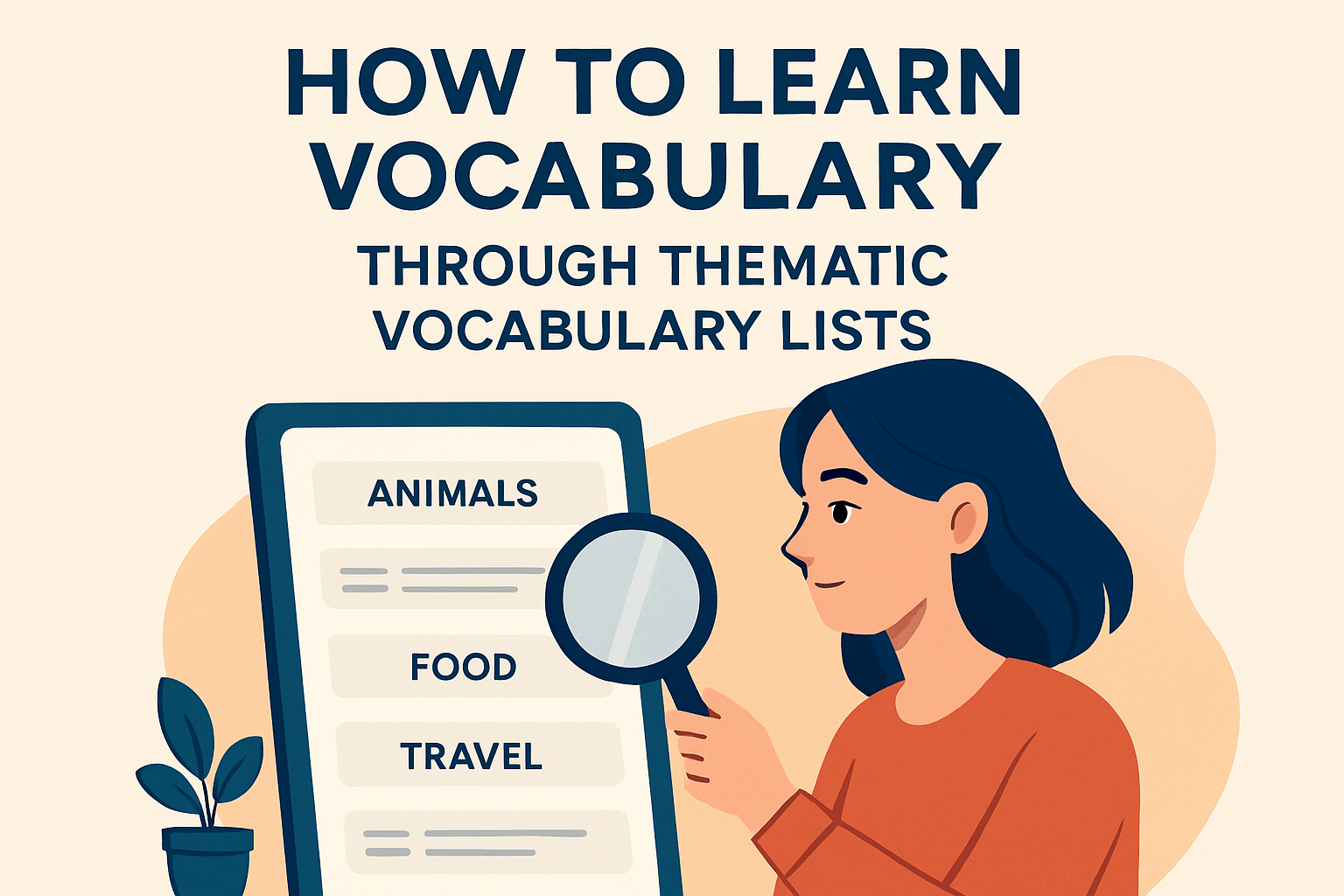
Expanding one’s vocabulary is a fundamental aspect of mastering any language. It not only enhances communication skills but also builds confidence in using the language across various contexts. Thematic vocabulary lists are an effective method of learning new words in a structured and meaningful way. A thematic list groups related words into a specific theme, making it easier to remember and use them correctly. This approach matters as it offers an organized way to tackle vocabulary acquisition, especially when navigating a new language or enhancing proficiency in an existing one. By focusing on word associations within a theme, learners can build a solid vocabulary foundation, making language use more natural and intuitive. This method is beneficial for learners of all ages and language levels, providing a strategic, focused approach to tackling larger vocabulary goals. In this article, we will comprehensively explore how to efficiently employ thematic vocabulary lists to broaden one’s lexical range, and delve into the benefits they offer.
The Structure of Thematic Vocabulary Lists
Thematic vocabulary lists are constructed around a central theme or topic. This central theme acts as an anchor, grouping relevant words that one might encounter or use together in a real-world context. For example, a thematic list on “transportation” could include words like “car,” “bus,” “airplane,” “bicycle,” “fuel,” “engine,” and “highway.” This common theme helps learners see connections between terms, aiding retention and comprehension.
A thematic approach to vocabulary learning is advantageous because it mirrors real-world language use, where words are seldom used in isolation. This technique emphasizes how words interact within a particular context, thus enriching understanding. Learners can visualize scenarios where these words might be used together, promoting easier recall and practical application.
Implementing Thematic Vocabulary Lists in Daily Practice
For successful language acquisition, consistency is key. Implementing thematic vocabulary lists into daily practice involves integrating new words methodically and routinely. Start with selecting a theme that interests you or aligns with your immediate language needs. For instance, if you’re planning a trip to a foreign country, creating lists themed around “travel,” “accommodation,” and “dining” would be pertinent.
- Travel: passport, luggage, itinerary, customs
- Accommodation: hotel, reservation, check-in, amenities
- Dining: menu, reservation, appetizer, dessert
Commit to studying your list daily, using the new words in sentences to boost retention. Continuous exposure and usage help transfer words from short-term to long-term memory.
Employing Technology to Reinforce Learning
In the digital age, language learning is augmented by technology, offering diverse tools to reinforce vocabulary acquisition. There are myriad apps and software designed to create customizable thematic vocabulary lists. Tools like Anki, Quizlet, or Memrise provide platforms for learners to input their thematic lists, utilizing algorithms for spaced repetition, which enhances memory retention. Such tools are particularly effective for auditory and visual learners who benefit from interactive engagement.
Additionally, online language exchange platforms allow for practical implementation. Engaging in conversations on these platforms lets learners use thematic vocabulary actively, thereby reinforcing what they’ve learned. For instance, discussing “environmental issues” with a language partner can solidify vocabulary found in themes like “climate change” or “recycling.”
Tracking Progress Through Thematic Vocabulary Lists
Keeping track of vocabulary development is crucial for motivation and assessment. Implementing a systematic way to measure progress with thematic vocabulary lists includes maintaining a journal or spreadsheet noting new themes, words added, frequency of use, and contexts where they were effectively employed. This method not only tracks growth but also identifies areas needing reinforcement.
| Theme | New Words | Usage Frequency | Context of Use |
|---|---|---|---|
| Health | doctor, appointment, medication, illness | Daily | Doctor’s visit |
| Shopping | cashier, receipt, discount, purchase | Weekly | Grocery store |
Regular reviews of your list can aid in reinforcing learning and provide valuable insights into vocabulary that might require more attention.
Real-World Application of Thematic Vocabulary
Applying thematic vocabulary in real-world settings solidifies comprehension and practical usage. For instance, if your job requires interaction with international clients, thematic lists centered on business-related themes such as “finance,” “marketing,” or “corporate meetings” become directly applicable. Words and phrases learned through thematic lists can be employed during correspondence, presentations, or negotiations, demonstrating language proficiency and confidence in professional settings.
An illustrative example can be seen in a global marketing manager who uses thematic lists for terminology related to market analysis like “demographics,” “target audience,” “brand identity,” and “consumer trends.” During strategy meetings and cross-border collaborations, having a robust vocabulary in these areas facilitates clearer communication and effective decision-making.
The Impact of Cultural Context on Thematic Vocabulary
Understanding cultural nuance is a critical component of language mastery, and thematic vocabulary lists can provide cultural insights alongside language learning. Themes related to cultural practices, celebrations, or historical contexts enrich learners’ comprehension of the language and its social undertone. For example, a list themed around “cultural festivals” might include words such as “tradition,” “carnival,” “parade,” and “heritage.”
Exposure to such theme-based vocabulary equips learners not only linguistically but also socioculturally, fostering a deeper appreciation and respect for the language and its native speakers.
Adapting Thematic Lists Across Different Language Levels
Thematic vocabulary lists are highly adaptable to different language proficiency levels, offering scalable learning from beginners to advanced speakers. For beginners, themes might be basic and focused on everyday survival scenarios like “food,” “emotions,” or “weather,” incorporating simple and commonly used vocabulary.
- Food: bread, water, apple, banana
- Emotions: happy, sad, angry, scared
- Weather: rain, sun, hot, cold
Intermediate learners might tackle more complex themes such as “technology,” “politics,” or “history,” requiring higher understanding and diverse expression.
Advanced students can delve into specialized themes like “scientific research,” “literary criticism,” or “business negotiation,” which build expert-level linguistic capability. Thematic vocabulary lists empower learners to set appropriate, incremental challenges, making the progression of language skills measurable and attainable.
Conclusion and Call to Action
In summary, thematic vocabulary lists offer a structured and engaging approach to learning and expanding vocabulary. By focusing on related groups of words within meaningful contexts, learners can enhance language use, retention, and fluency while gaining cultural insights. The implementation of thematic lists across various mediums, from digital platforms to practical applications in real-life situations, ensures an enriching and sustainable learning process.
As a learner, adopting thematic vocabulary lists into your study routine could become a transformative step toward achieving linguistic competence. Begin by selecting themes related to your personal interests or immediate language needs, and gradually expand into broader areas. Remember, language learning is a journey, and each new word brings you closer to mastering the art of communication.
Get started today by compiling your first thematic vocabulary list on a subject that captivates you. Embrace the language journey with enthusiasm, and watch as your vocabulary effortlessly expands, enhancing your ability to express thoughts and ideas clearly and effectively in any language.
The next step is yours to take. Embark on your thematic vocabulary learning path and continue to build mastery over the language.
Frequently Asked Questions
What are thematic vocabulary lists and how do they help in learning new words?
Thematic vocabulary lists are collections of words grouped around a specific theme or topic. This approach is particularly beneficial for language learners as it presents vocabulary in context, making the words easier to remember and use. For example, a thematic list on “transportation” might include words like “car,” “bicycle,” “train,” “airport,” and “navigation.” By learning words that relate to each other, you create mental associations that help with retention. Moreover, thematic lists provide a structured way to organize your learning, which can be especially useful for those who prefer a systematic approach.
These lists are valuable because they align vocabulary learning with real-life situations and conversation topics you might encounter. When you learn vocabulary thematically, you’re not just memorizing isolated words; you’re understanding how these words fit into broader conversations. This is important because language is used in context, and knowing how words interact within a theme can make you a more effective communicator.
Can thematic vocabulary lists be used for any language, and are there resources available online?
Absolutely! Thematic vocabulary lists are versatile and can be adapted to any language, whether you’re learning Spanish, French, Chinese, or any other language. The principle of learning vocabulary by theme remains effective regardless of the language due to the cognitive benefits it provides by organizing words into meaningful categories. As a language learner, you can tailor thematic lists to your interests and needs, ensuring that you are acquiring relevant and practical vocabulary.
There are numerous resources available online where you can access or create thematic vocabulary lists. Language learning platforms, digital flashcard apps, and educational websites often have pre-made thematic lists. You can also find language-specific forums and community resources where learners share their curated lists. Websites like Quizlet, Anki, and Memrise allow you to create custom flashcards based on thematic lists, making it easy to review and reinforce your learning on the go.
How should one use thematic vocabulary lists for maximum retention and practical usage?
Effective use of thematic vocabulary lists involves active and engaging study techniques. Start by selecting themes that are most relevant to your interests or areas of immediate need. Once you have your list, actively engage with it by making flashcards or using spaced repetition techniques to reinforce the words over time. This helps solidify memory retention.
Additionally, practice using the words in sentences or short paragraphs. This contextualizes the vocabulary and helps you understand how the words fit within a language’s grammatical and syntactic structures. Try to use new vocabulary in conversation or writing as soon as possible. This real-world application helps cement the knowledge as you’re more likely to remember words you actively use.
Moreover, don’t limit your exposure to one format. Engage with these words through different media: listen to a podcast or watch videos related to your theme, play thematic vocabulary games, or write a short story using the words. The more you can use the vocabulary in varied contexts, the more it becomes second nature to you.
How do thematic vocabulary lists improve communication skills?
Thematic vocabulary lists enhance communication by broadening the range of words you can accurately and confidently use within specific contexts. Once you have a solid grasp of vocabulary related to a particular theme, you can engage in conversations or discussions on that topic with more ease and depth. Imagine discussing a health-related issue in a foreign language; knowing the specific medical vocabulary means you can understand and contribute to conversations without resorting to vague explanations.
Additionally, thematic lists enable you to express thoughts with precision. When your vocabulary is organized by themes, you’re more likely to recall and apply the specific terms you learned when discussing those themes. This type of targeted vocabulary acquisition helps prevent awkward pauses and misunderstandings in conversations, ultimately making you sound more fluent and knowledgeable.
Are thematic vocabulary lists suitable for all levels of language learners?
Yes, thematic vocabulary lists are quite suitable for learners at any proficiency level, from beginners to advanced students. Beginners can start with simple themes such as family, food, or daily activities, which introduce fundamental words and phrases that form the basis of everyday communication. Intermediate learners can engage with themes that involve more complex concepts, such as occupations, hobbies, or global issues, helping them expand their vocabulary and prepare for more advanced conversations.
For advanced learners, thematic lists can delve into specialized or niche subjects, like political terminology, scientific vocabulary, or business jargon. This helps in mastering not only everyday language but also the specific vocabulary needed for professional or academic environments. Thematic lists are flexible and can be tailored to both the learner’s proficiency level and interests, ensuring that the vocabulary learning remains relevant and challenging enough to promote further growth in language proficiency.





