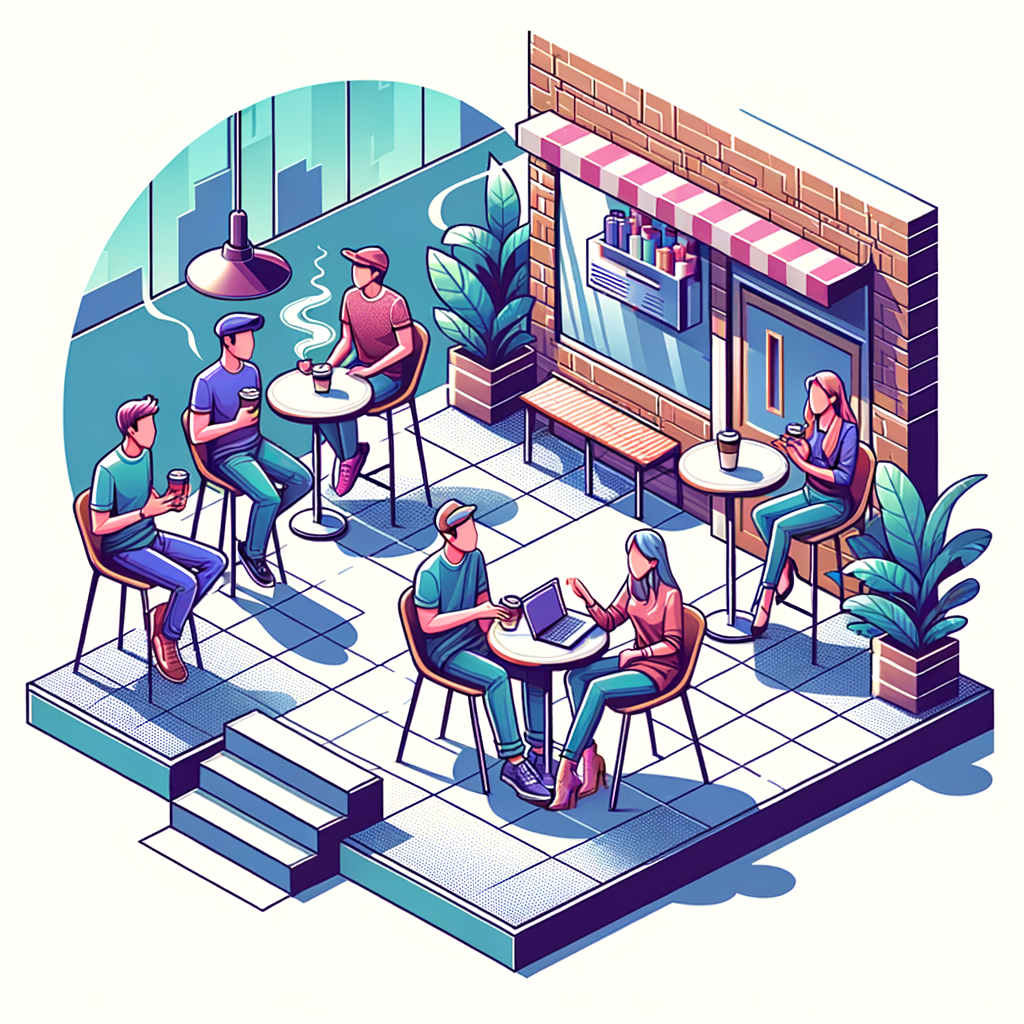
In today’s digitally dominated world, genuine human connection is often overlooked. This need for connection is met through the timeless power of face-to-face interactions and participation in community events. Building rapport through shared interests within these settings is an effective way to form lasting relationships. This article will explore how attending community gatherings rooted in common passions can foster rapport, enhance social networks, and contribute positively to individual well-being and community cohesion.
Building rapport refers to establishing a bond or friendly connection between people. It is a mutual sense of understanding and trust, which can lead to more fulfilling relationships. Shared interests, on the other hand, are activities, topics, or hobbies that are favored by multiple individuals. When community events revolve around shared interests, they become fertile grounds for rapport-building, paving the way for more cohesive and supportive communities. Why does this matter? A connected society built on trust and mutual interests is more resilient, prosperous, and harmonious. Today, as communities encounter challenges ranging from social isolation to cultural divides, nurturing these connections is more essential than ever.
Community Sports Leagues
In many communities, local sports leagues provide an ideal platform for people to come together and forge relationships. Whether it’s a weekend soccer league, a volleyball club, or a cycling group, these gatherings offer more than just a venue for physical activity. They act as social hubs where individuals with similar interests unite, talk, and enjoy each other’s company in a relaxed and informal setting.
For example, consider a community basketball league in a suburban area. Players, regardless of their skill level, are accepted and valued as teammates. As they practice and compete, individuals from diverse backgrounds share experiences—celebrating victories and learning from losses—thus naturally creating bonds. Familiarity grows through regular interaction, laying the groundwork for trust and friendship to develop beyond the court.
Cultural Festivals and Fairs
Cultural festivals and fairs often bring vibrant celebrations of heritage and tradition to life. These events, typically organized by sections of a community or by specific demographic groups, invite everyone to partake in the richness of cultural diversity. Through music, dance, food, and crafts, these festivals spotlight shared values and historical narratives, drawing visitors who share an interest in cultural discovery and appreciation.
An example can be seen in a city’s annual multicultural festival. This event can host a myriad of activities—traditional dances from various ethnicities, art stalls, and food vendors showcasing distinctive cuisine. Attendees, driven by their curiosity and appreciation for different cultures, engage with each other in conversations about traditions, cookery techniques, and the significance of particular dances or songs. This exchange of experiences and knowledge bridges cultural gaps and enhances mutual understanding, thereby establishing rapport among diverse community members.
Environmental and Sustainability Events
As awareness and concern for environmental issues grow, many communities host events targeting sustainability and ecological conservation. Activities might include park clean-ups, tree planting, and workshops on sustainable living practices. Participants in these events are typically passionate about environmental protection, which serves as a shared interest and motivating factor for involvement.
- Park Clean-ups: Participants collaborate to remove litter and restore natural landscapes, promoting respect for shared spaces.
- Tree Planting Initiatives: Community members plant trees, benefiting the environment and creating lasting legacies in local parks or schools.
- Sustainable Living Workshops: These sessions educate attendees on eco-friendly practices, fostering discussions on lifestyle changes beneficial for the planet.
Consider a community-wide initiative to clean up a local river. Enthusiasts gather, committed to preserving their shared environment. Through teamwork, participants recognize and appreciate the collective effort required to make a difference. Interactions are no longer just about picking up trash but extend to discussions on best practices for reducing waste, leading to forming environmental action groups and friendships beyond the event. The unifying cause of environmental stewardship helps build rapport among individuals with common eco-friendly values.
Art and Craft Workshops
Art and craft workshops offer another avenue to build rapport through shared interests. Appealing to creative individuals, these sessions provide opportunities for participants to express themselves while learning new skills. The collaborative atmosphere in art spaces encourages conversation and the exchange of ideas and inspiration, bringing people together who may not have previously crossed paths.
Imagine a community center organizing a pottery class. Novices and experienced artists gather in the same room, molding clay into various shapes while subconsciously molding social relationships. Participants share techniques and support one another through creative challenges, gradually weaving a community fabric enriched by diverse perspectives and artistic expressions. These artistic interactions often continue beyond workshops, forming friendships grounded in mutual appreciation for creativity and art.
Local Interest Clubs and Meetups
Local interest clubs and meetups represent an effective method for fostering rapport within the community. These gatherings can focus on various topics—book clubs, gardening groups, photography meetups, or cooking classes—allowing individuals to connect over specific passions. The targeted nature of these events ensures all participants have something substantial in common from the outset.
A city’s young professionals might establish a monthly book club as an illustrative example. Sharing insights and opinions on literature, participants form connections through lively discussions, book recommendations, and shared critiques. As the club becomes a fixture in their social calendars, these members often extend relationships outside of meetings, attending other community events or collaborating on projects influenced by their reading experiences. The common ground of books becomes a springboard for broader social connections and opportunities.
Shared Interest and Rapport Building Conclusions
Ultimately, community events centered around shared interests create invaluable opportunities for individuals to connect, learn from one another, and establish lasting bonds. By participating in activities that resonate with us personally, we foster inclusive and cohesive community environments characterized by mutual trust and understanding.
The significance of these interactions stems from their impact on individual well-being and community dynamics. As we engage with like-minded peers, we cultivate a sense of belonging and fulfillment that extends beyond the event itself. By prioritizing shared interests, every community member can actively contribute to creating resilient social networks that strengthen both personal and collective endeavors.
As you contemplate your role within your community, consider attending a local event that aligns with your interests. Not only will you likely enrich your life through this experience, but you will also contribute to a more interconnected and vibrant community. Explore today, participate tomorrow, and watch how shared interests evolve into enduring relationships and thriving communities.
Frequently Asked Questions
1. Why is building rapport through shared interests at community events important?
Building rapport through shared interests at community events is important because it fosters genuine human connections in a world that often leans towards digital interactions. These events provide a platform where individuals can engage face-to-face, which is crucial for creating deeper, more meaningful relationships. When people gather around common interests, it breaks down barriers and encourages open communication, making it easier to form a bond. This rapport goes beyond superficial connections, facilitating interactions that can lead to lasting friendships and a strengthened sense of community. Shared interests create a natural conversation starter, paving the way for dialogues that can enrich both personal and social life, enhancing empathy, understanding, and acceptance among participants.
2. How do shared interests enhance social networks at community events?
Shared interests act as a catalyst for enhancing social networks at community events by bringing together like-minded individuals who might not have met otherwise. By attending events that align with personal passions, people are naturally inclined to interact with those who share similar hobbies, motivations, or goals. This common ground, established through shared interests, fosters an immediate sense of camaraderie and trust, which are key components in building a robust social network. Such interactions often lead participants to introduce each other to their wider circles, organically expanding their social networks. Furthermore, these networks are strengthened as mutual interests provide ongoing opportunities to meet and collaborate in future events, projects, or activities, ensuring that connections made are not only broad but also enduring.
3. What are some examples of community events that can help build rapport through shared interests?
Community events that foster rapport through shared interests can range widely in nature, catering to various hobbies and causes. Examples include local farmers markets, which cater to those interested in sustainable living and organic produce, offering opportunities to connect with others who value similar lifestyles. Art exhibitions or book clubs appeal to those with a passion for creativity and literature, providing a platform for deep conversations and cultural exchanges. Sports leagues or fitness classes attract individuals interested in health and competition, promoting teamwork and mutual encouragement. Volunteering events are great for those passionate about philanthropy, uniting people through the shared goal of helping others. Additionally, music festivals or cooking classes can bring together culturally inclined individuals, allowing them to bond over shared tastes and experiences. These events not only facilitate personal connections but also solidify a sense of belonging within the community.
4. How can attending community events contribute to personal well-being?
Attending community events can have a profound impact on personal well-being, both mentally and emotionally. Engaging in activities that align with one’s interests within a community setting can lead to increased levels of happiness and satisfaction due to the social interaction and sense of belonging they provide. These events offer an outlet for stress relief and relaxation, taking people out of their everyday routines and allowing them to engage in enjoyable activities. Moreover, the connections formed can provide emotional support, creating a network that individuals can rely on during challenging times. Continuous participation in community events can enhance self-esteem and confidence, as individuals feel a part of something larger than themselves and gain recognition within their groups. Overall, these connections and experiences can significantly enhance an individual’s quality of life, promoting a positive mental state and reducing feelings of isolation or loneliness.
5. What strategies can individuals use to make the most of community events for building rapport?
To maximize the benefits of community events for building rapport, individuals can employ several strategies. First, actively participate and engage with the events—whether it’s attending regularly, volunteering, or helping with organization—showing investment in the community fosters deeper connections. Introduce yourself to new participants, using your shared interest as an entry point to build a relationship. Be approachable and open-minded, ready to learn about diverse perspectives that can enrich conversations. Following up on connections made during events is crucial—exchanging contact details and reaching out afterward can transform fleeting encounters into lasting bonds. Share your enthusiasm about your common interest; this genuine passion is contagious and can draw others to you. Finally, diversify your event choices within your sphere of interest to meet a wider circle of people. By employing these strategies, individuals can effectively utilize community events as a means to build meaningful and lasting rapport.