In an increasingly globalized world, mastering English is becoming essential for various facets of both personal and professional life. English is the predominant language in international business, academia, and even entertainment. However, its importance goes beyond mere communication. This article aims to delve into how mastering English skills can contribute to sustainable development. Sustainable development, a buzzword in today’s policy-making and economic forums, involves balance across three pillars: economic growth, social inclusion, and environmental protection. This comprehensive examination will explore how English serves as a linchpin for sustainable development across these domains.
Introduction
The world as we know it is undergoing unprecedented change. Technology, economics, and socio-political landscapes are constantly shifting, and with them, the languages that facilitate these transformations. English, often considered a lingua franca in numerous international domains, stands out as a powerful tool for sustainable development. In this introduction, we’ll explore why sustainable development is a crucial contemporary goal and how English plays an integral role in achieving it.
Sustainable development, defined by the United Nations as “development that meets the needs of the present without compromising the ability of future generations to meet their own needs,” is an urgent global priority. It encompasses three core elements: economic growth, social equity, and environmental protection. To drive meaningful progress in these areas, effective communication and international collaboration are vital. This is where mastering the English language comes into play.
English is the most widely spoken second language and is often used as the medium of instruction in schools, universities, and online courses around the world. Its prevalence in media, science, and technology sectors underscores the necessity for non-native speakers to acquire proficiency in English. But why does this matter for sustainable development? For developing nations, accessing global markets, engaging in academic research, and participating in diplomatic negotiations requires a common language. English bridges these gaps and enables nations to come together to address the multifaceted challenges facing our planet.
The Role of English in Economic Growth
Economic growth is a primary pillar of sustainable development, and English proficiency can drive this growth in multiple ways. Consider global trade, where English is frequently the official language of commerce. Companies looking to expand their market reach and engage with international partners must have a workforce skilled in English. This linguistic proficiency facilitates business negotiations, contracts, and transactions, reducing misunderstandings and fostering smoother collaborations.
Moreover, the global job market places a premium on English skills. From multinational corporations to remote freelancing opportunities, employers seek candidates who can communicate effectively in English. This trend is apparent in sectors such as information technology, finance, and customer service, where English often serves as the primary mode of communication. For individuals in developing countries, learning English opens the door to higher-paying jobs and career advancement, which in turn boosts their economic standing and contributes to national economic growth.
Furthermore, English is pivotal in accessing global knowledge and innovation. Cutting-edge research, scientific publications, and technological advancements are often documented in English. For developing countries, being able to read, understand, and contribute to this body of work is essential for staying competitive in key industries. Thus, mastering English not only facilitates personal economic advancement but also supports the broader economic development of nations.
English and Social Inclusion
Social inclusion is another cornerstone of sustainable development. It involves ensuring equitable access to opportunities and resources regardless of socio-economic status, gender, or ethnic background. English serves as a bridge to social inclusion by breaking down language barriers that can otherwise marginalize individuals or groups.
One significant aspect of social inclusion is education. English is often the medium of instruction in higher education institutions around the world. Proficiency in English enables students to access a wealth of educational resources, including textbooks, research papers, and online courses, many of which are available exclusively in English. This democratizes education, allowing students from different backgrounds to acquire the knowledge and skills necessary for personal and professional development.
Additionally, English fluency promotes cultural exchange and mutual understanding, which are key to fostering inclusive societies. By learning English, individuals can participate in global conversations, engage with diverse cultures, and gain different perspectives. This promotes tolerance, empathy, and collaboration, all of which are essential for creating socially cohesive communities.
In the context of social inclusion, English also plays a critical role in empowering marginalized communities. For instance, women in some developing countries face significant barriers to education and employment due to socio-cultural norms. Learning English can equip them with the skills necessary to overcome these barriers, advocate for their rights, and achieve economic independence. Overall, English serves as a powerful tool for promoting social equity and inclusion.
Environmental Protection and English
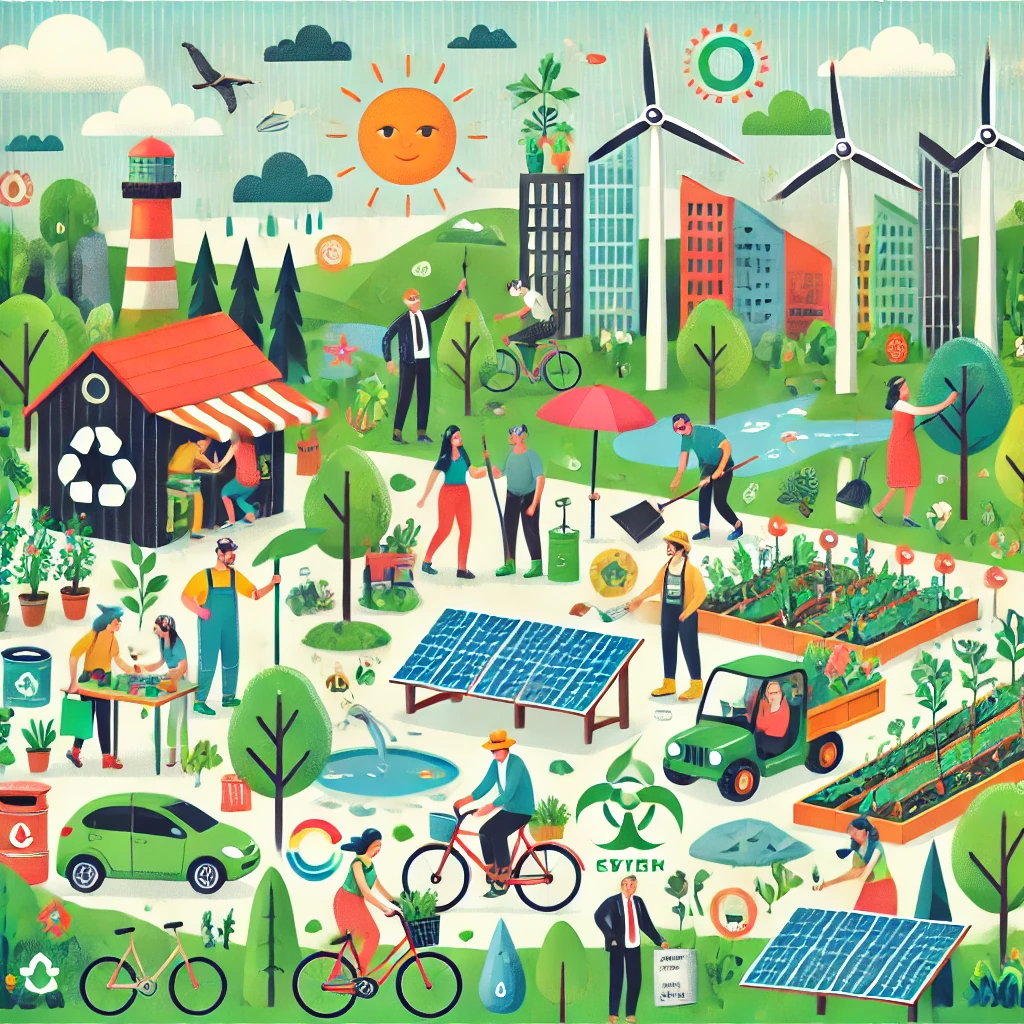
The third pillar of sustainable development is environmental protection. Addressing global environmental challenges requires international cooperation, scientific research, and public awareness, all of which are facilitated by a common language. English, as the lingua franca of the scientific community, plays a crucial role in this regard.
Scientific research on environmental issues is predominantly published in English, making it the primary language for disseminating knowledge about climate change, biodiversity, pollution, and sustainable practices. Researchers, policymakers, and environmental advocates need to be proficient in English to access and share this knowledge effectively. Mastering English enables individuals and organizations to stay informed about the latest developments, participate in international conferences, and collaborate on global environmental initiatives.
Moreover, English is essential for raising public awareness about environmental issues. Environmental campaigns, educational programs, and advocacy efforts often use English to reach a broader audience. By engaging with these resources, individuals can learn about sustainable practices, support conservation efforts, and make informed decisions that contribute to environmental protection. For instance, global movements such as Earth Hour and World Environment Day use English as a primary medium to mobilize millions of people worldwide to take action for the planet.
In summary, English is a key enabler of environmental protection by facilitating knowledge sharing, international collaboration, and public engagement. Proficiency in English empowers individuals and organizations to address environmental challenges effectively and work towards a sustainable future.
Conclusion
In conclusion, mastering English is crucial for achieving sustainable development in today’s interconnected world. As we have explored, English proficiency plays a significant role in driving economic growth, promoting social inclusion, and supporting environmental protection. For individuals and nations alike, the ability to communicate effectively in English opens doors to opportunities, knowledge, and collaboration that are essential for sustainable progress.
From facilitating international trade and accessing global job markets to democratising education and empowering marginalized communities, English serves as a powerful tool for socio-economic advancement. It also plays a vital role in raising awareness about environmental issues and fostering international cooperation on sustainability initiatives. By mastering English, individuals can contribute to creating a more inclusive, equitable, and sustainable world.
For learners of English as a second language, the journey to proficiency may seem challenging, but the rewards are immense. By investing in language skills, individuals can unlock their potential, enhance their employability, and participate meaningfully in global conversations. Educational institutions, policymakers, and organizations should continue to support and promote English language learning as a means to achieve sustainable development goals.
Ultimately, the importance of English in sustainable development cannot be overstated. As we strive to build a better future for current and future generations, the ability to communicate and collaborate effectively in English will be key to our success. Let us embrace the power of language and work together to achieve a sustainable, prosperous, and inclusive world.