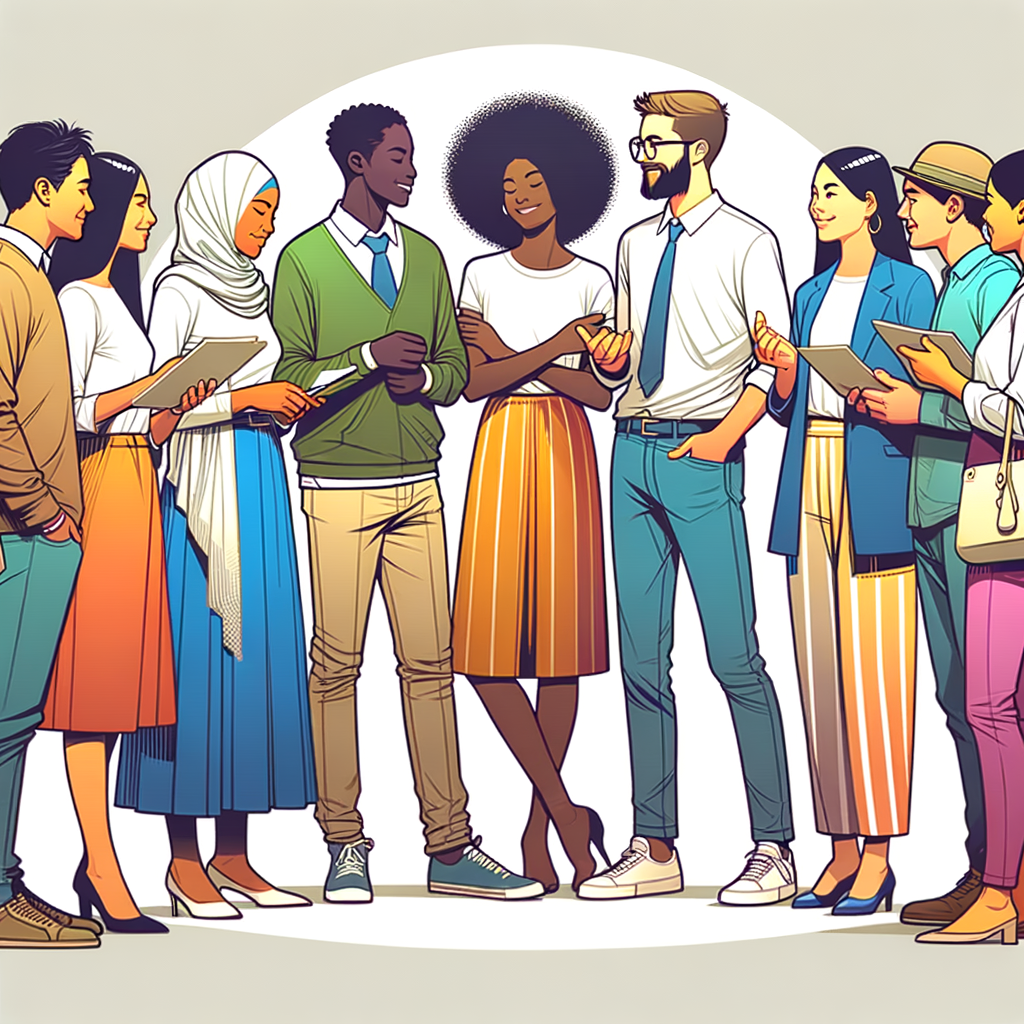
Learning English as a second language (ESL) is a rewarding but often challenging journey. One of the key components that can make this endeavor more enriching and fruitful is building a strong social circle. A robust social network not only provides emotional support but also serves as a powerful tool for enhancing language skills and cultural understanding. Interacting with others gives ESL learners the opportunity to practice speaking, listening, and comprehension skills in real-world contexts, which can significantly speed up the learning process.
In a new environment, forming a social circle can feel daunting, especially if there are language barriers. However, it’s important to remember that everyone faces social challenges at some point in their life, and the outcomes often bring great personal growth. For ESL learners, connecting with others who are either native speakers or fellow learners can create a supportive community where language acquisition is accelerated naturally. Furthermore, forming friendships and relationships provides insights into cultural nuances that textbooks and classrooms may not fully convey.
This article will provide a wide array of strategies dedicated to helping ESL learners establish and nurture their social circles. These approaches are designed to empower learners to engage confidently with others and to create meaningful connections that go beyond just language practice.
Through understanding the importance of social networks and the techniques to build them, ESL learners can also alleviate feelings of isolation or frustration commonly experienced in the language learning process. By integrating into community activities, joining interest-based clubs, and utilizing digital tools, learners can enhance their social skills and gain more confidence in their language proficiency.
Each section of this article will delve into specific methods for cultivating social connections, offering detailed advice and actionable tips. Learners will gain insights into both in-person and online interactions, being encouraged to embrace a proactive approach to social integration. Let’s embark on this journey to broaden social horizons and deepen linguistic understanding, creating paths to new friendships, cultural experiences, and ultimately, a more secure and fluent command of the English language.
Making Initial Contacts
The first step in expanding your social circle is to be open to making initial connections. This might seem intimidating at first, but remember that everyone appreciates gestures of friendliness and interest. Start with environments where there’s a natural gathering of people, such as language classes, community events, or cultural meet-ups. These settings offer fertile ground for initiating conversations and discovering shared interests.
In language classes, don’t hesitate to introduce yourself to classmates. Break the ice by discussing common topics like the challenges of learning English or sharing your cultural background. Oftentimes, classmates are also looking for opportunities to practice outside of formal settings, making them ideal initial contacts.
Community events such as festivals, workshops, and public gatherings often focus on cultural exchange, providing a rich environment to meet people interested in learning about different cultures. Engaging in such events can naturally lead to conversations where you can both learn and teach about cultural nuances.
For those who are more introverted, starting interactions one-on-one with individuals can feel less intimidating. It could begin with something simple, like volunteering for a local cause, which often involves collaborative work with people who share a common goal. This setting allows for more personal interactions where you can practice language skills in a supportive atmosphere.
Joining Clubs and Groups
Joining clubs and groups related to your interests can significantly widen your social networks. Whether it’s a hobby club, a sports team, or a language exchange group, these settings provide structured environments where you can meet like-minded individuals. This not only helps with language skills but also allows for deeper connections based on shared passions.
Language exchange groups, in particular, are specifically designed to help people learn new languages and practice with native speakers and fellow learners. Organizers often provide activities or topics that encourage interaction, making it easier to start conversations and learn in a relaxed setting.
Hobby-related clubs, whether focused on art, music, technology, or sports, remove some of the pressure around language learning by emphasizing shared interests. As you focus on a common activity, language becomes the medium through which ideas and skills are exchanged naturally.
Participating in these groups regularly builds routine social interactions, creating a community where you feel increasingly comfortable. Over time, these recurring engagements build trust and familiarity, allowing friendships to form organically.
Attending Networking Events
Attending networking events can be an invaluable experience for ESL learners, especially those who are seeking to improve professional language skills. These events are typically structured around industries or professions, providing a platform to meet professionals with similar interests or career trajectories. Here, you’ll find a blend of people, from seasoned professionals to students, each offering unique perspectives and experiences.
Before attending, prepare by researching the event and thinking of conversation starters relevant to your own experiences or aspirations in the industry. Such preparation can include reading recent industry news or learning the basic jargon that professionals often use.
During the event, introduce yourself with a smile and be ready to ask and answer open-ended questions. This not only shows your interest but also invites others to share more about themselves. Pay attention to how speakers articulate their thoughts, and don’t hesitate to inquire if you need clarification. Many professionals admire curiosity and appreciate the chance to elaborate on their insights.
By actively engaging with the event’s content and networking opportunities, you build confidence in discussing professional topics in English, fostering a valuable network that can assist both in language learning and career development.
Leveraging Digital Tools
In today’s digital age, online platforms offer endless possibilities for building a social network. Social media platforms like Facebook, LinkedIn, and Instagram can connect you with language learners and native speakers worldwide. Join groups dedicated to language exchange or specific interests you are passionate about.
Language learning apps like Tandem, HelloTalk, and Speaky are specifically geared toward connecting learners with native speakers. These apps function like a social network for language learners, allowing you to communicate through text, voice, or video calls. Regular interaction through these platforms can enhance your language skills and expose you to diverse ways of communication.
Online communities, such as Reddit or specific language forums, offer the chance to dive deeper into discussions that interest you. By participating in threads, you practice reading and writing skills while engaging with people globally, offering and gaining insights in real-time.
Consider scheduling regular online meetups with language partners. Such sessions, apart from providing accountability, allow you to converse and receive instant feedback. This reinforces learning and keeps you motivated by tracking progress along your learning journey.
Maintaining and Strengthening Relationships
Building a social circle is not only about forming new connections but also about maintaining and strengthening them over time. Consistent communication is key. Make an effort to keep in touch with people you meet, whether by sending messages, arranging meetups, or inviting friends to events.
Actively listening during conversations is another critical practice. By showing interest in what others have to say, you build rapport and trust. People appreciate when they feel heard, which encourages them to invest in the relationship as well.
Sharing experiences and personal stories can significantly deepen bonds. Such interactions present mutual opportunities for language practice and cultural exchange. For example, inviting friends to share a meal featuring traditional dishes from your culture can lead to fascinating conversations about food, traditions, and customs.
Remember that relationships flourish with reciprocity. Being willing to offer help, celebrate successes, or support others during challenging times will solidify friendships and reinforce a strong social network that extends beyond mere language exchange.
Ultimately, understanding different perspectives and respecting cultural differences is crucial. Such openness not only enriches your social life but also broadens your worldview, helping you become a more empathetic communicator in any language.
Conclusion
In conclusion, building your social circle as an ESL learner is a gateway to not only mastering the English language but also experiencing a rich tapestry of cultural and personal growth. By making initial contacts, joining clubs, attending networking events, and leveraging digital tools, ESL learners can create a vibrant social network that supports both linguistic and personal development.
The journey of establishing and nurturing these connections might present challenges, but the rewards far outweigh them. Through continuous interaction and practice, learners will find their confidence in communication blossoming. Beyond language fluency, these relationships offer invaluable lessons in empathy, cultural awareness, and community engagement.
The importance of devoting time and energy to cultivating your social network cannot be overstated, as it profoundly impacts your language acquisition journey. As learners commit to building their social circles, they end up creating a community where everyone can thrive, learn, and grow together.
Remember, every conversation is a step toward fluency, and every relationship strengthens your understanding and appreciation of diverse cultures. Embrace the process with an open mind and a willingness to learn, and your efforts will add immeasurable value to your ESL learning experience.
Ultimately, the path to building your social circle is intertwined with the pursuit of language mastery—each supporting the other in an enriching cycle of learning and connection.
Frequently Asked Questions
1. Why is building a social circle important for ESL learners?
Building a social circle is crucial for ESL learners as it significantly enhances the language learning process. When you interact socially, you place yourself in real-life situations, which propels you to use and improve your language skills. Engaging with friends and community members allows you to practice speaking, listening, and understanding different accents and dialects, which all contribute to better fluency. Furthermore, forming social connections provides emotional and psychological support. Learning a new language can sometimes be an isolating experience, but having a network of people to share your journey with makes it more enjoyable and less daunting. A social circle exposes you to different cultures and ideas, fostering a broader understanding beyond just linguistic terms. It also opens up opportunities for experiencing cultural events, traditions, and practices firsthand, which enriches your overall comprehension and appreciation of the language.
2. How can ESL learners start building a social circle in a new environment?
Starting to build a social circle in a new environment can be challenging but extremely rewarding. Begin by participating in local community events or joining cultural societies that interest you. Universities and colleges often have clubs and organizations tailored for international students—these are perfect platforms for meeting people who are likely in a similar situation as yourself. Volunteering is another excellent way to meet people while contributing positively to your community. Moreover, utilizing social media platforms and forums designed for language learners can connect you with others, both digitally and locally, who are on a similar quest. Attend ESL-specific workshops or conversation groups, as these not only boost your language proficiency but also allow you to form lasting bonds with fellow learners and facilitators. Remember, the key is to step out of your comfort zone and actively engage with the community.
3. What are some tips for ESL learners to overcome language barriers when socializing?
Overcoming language barriers requires both confidence and strategy. First, practice active listening, which involves paying attention, showing interest, and responding appropriately to understand the context better. Don’t hesitate to ask people to clarify or repeat what they’ve said if you don’t understand—it’s a great way to learn. Utilize technology, like translation apps or language learning tools, when in doubt. Building confidence in your existing skills is vital, so engage in conversations regularly, no matter how nervous you might feel initially. Remember that making mistakes is a part of learning; the people you interact with are often more appreciative of your effort than critical of your errors. Surround yourself with patient, supportive individuals who understand your situation and are willing to help. Participation in language exchange meetups can provide safe environments to practice communication and improve linguistic capability.
4. How can joining clubs and activities help ESL learners improve their social and language skills?
Joining clubs and activities offers a plethora of benefits for ESL learners, particularly when it comes to improving both social and language skills. These settings typically provide a relaxed and natural environment for language practice outside of formal classroom settings. Engaging in team activities, whether it’s a sports team, a debate club, or a dance group, requires communication and teamwork, pushing you to utilize and enhance your language skills in real-time scenarios. These clubs also introduce you to people from various backgrounds, exposing you to diverse linguistic styles and cultural perspectives, thus broadening your interpretative skills. Moreover, participating in such activities boosts confidence and allows the opportunity to practice language skills while pursuing personal interests and hobbies, making the learning process more enjoyable.
5. What role can online platforms play in helping ESL learners build a social circle?
Online platforms play a huge role in bridging geographical gaps and offering opportunities to connect with others worldwide. As an ESL learner, these platforms allow you to access communities of language learners and native speakers who are open to cultural exchanges. Platforms like Meetup or Couchsurfing host numerous virtual and in-person meetups, providing a fantastic way to connect with people who share similar interests. Language exchange websites enable you to find language partners who speak the language you wish to learn while you help them with your native language—creating mutually beneficial learning experiences. Furthermore, joining online forums and discussion groups aligned with your interests can lead you to individuals with whom you can share experiences and expand your network. Social media groups specifically targeted towards language learners are another valuable resource for finding instant community support and lasting friendships, enhancing both your linguistic abilities and social interactions.