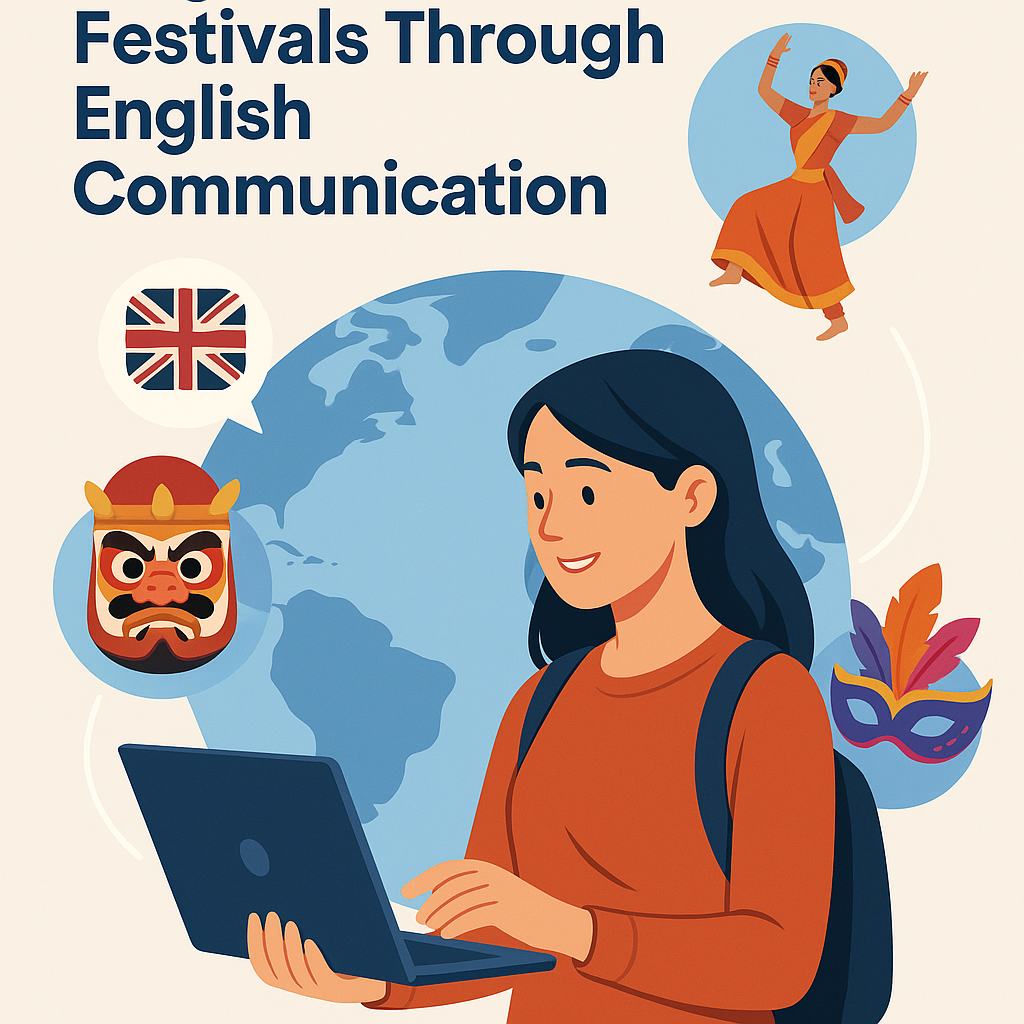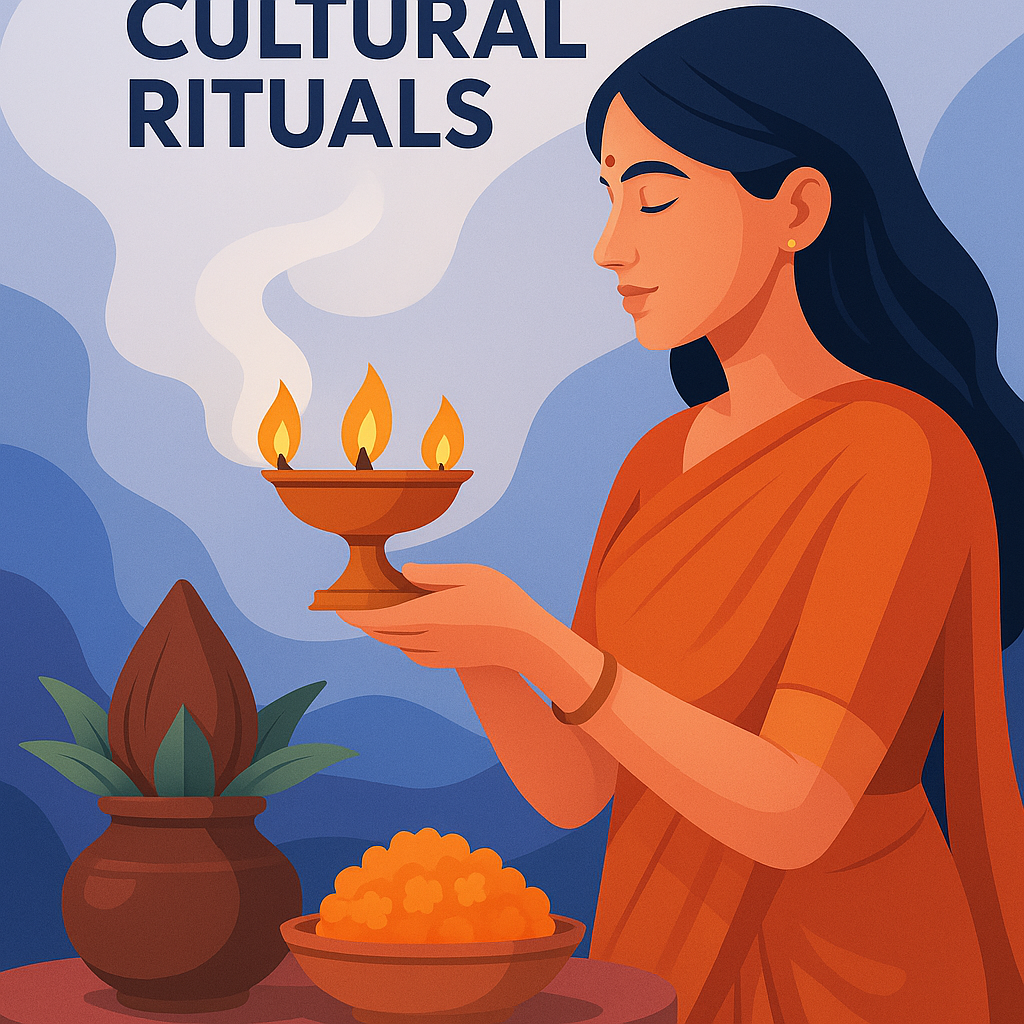
In today’s increasingly interconnected world, cultural rituals play a significant role in defining and shaping the identities of diverse communities. These rituals, traditionally rooted in social customs passed down through generations, offer rich insights into the beliefs, values, and histories of people. Understanding and capturing these cultural practices in English is not just an exercise in translation but also an endeavor to preserve and appreciate global diversity. It matters because such understanding fosters cross-cultural empathy, bridging gaps between different societies and offering us more profound insights into humanity as a whole.
Defining cultural rituals can be complex, given their multifaceted nature. Essentially, they are sets of actions performed primarily for their symbolic value and often prescribed by the traditions of a community. These rituals may involve ceremonies, dance, music, food, and other forms of expression. Capturing the essence of these rituals in English involves a delicate balance of preserving original meanings while making them accessible and relevant to an English-speaking audience.
For scholars, journalists, and anthropologists alike, the challenge lies in finding the right words and expressions that convey the emotion and ethos of these rituals without compromising their authenticity. This task is not just academic; it is a vital requirement for promoting greater cultural understanding in a rapidly globalizing world. Let’s delve into how we can effectively document and interpret cultural rituals, their meanings, and their impact across various societies.
Understanding the Importance of Fidelity in Translation
The translation of cultural rituals into English requires more than just linguistic proficiency. It involves deep cultural empathy, a solid understanding of both the source and target languages’ nuances, and a recognition of the ritual’s core purpose. For instance, when translating a Hindu wedding ceremony, it is essential to convey the profound spiritual and familial connections that underpin the event, beyond just describing the sequence of actions.
Real-world examples can help illustrate this delicate balance. Consider the Mexican “Día de los Muertos” or Day of the Dead, a vibrant event honoring deceased loved ones. Merely translating this as “Day of the Dead” misses the full cultural context and significance which includes celebration, joy, and a strong connection to ancestry. Capturing its essence involves exploring the underlying beliefs, such as the view of death as a natural part of life’s continuum and using symbolic actions like offering altars.
The Role of Context in Cultural Interpretation
Context is pivotal in representing cultural rituals accurately. This context includes historical background, geographical nuances, religious influences, and even socio-economic conditions. Without context, a ritual may appear alien or even nonsensical to outsiders. For example, Japanese tea ceremonies are not merely about brewing tea; they are deeply spiritual practices emphasizing aesthetics, etiquette, and mindfulness.
To effectively capture such rituals, one must dive into the tea ceremony’s historical roots in Zen Buddhism, its meticulous art form, and its emotional significance, all while ensuring precise English terminology usage. Recounting its full scope enables English-speaking audiences to appreciate the ritual’s value beyond its visual representation, fostering genuine comprehension and respect for its cultural roots.
Utilizing Visual Aids for Enhanced Understanding
Visual aids can bridge the gap between complex cultural rituals and their understanding. By integrating visual elements, such as tables, lists, or imagery, alongside textual descriptions, one can offer a well-rounded comprehension of the customs involved. Such tools help illustrate detailed aspects of rituals that words alone may not sufficiently convey.
For example, when discussing the intricate patterns of henna used in Indian pre-wedding rituals, a structured outline of the symbolism behind various henna designs can be extremely enlightening. This approach not only visualizes the beauty of the practice but also explains its role as an auspicious element in Hindu weddings.
- Peacock Design: Symbolizes beauty and love.
- Lattice Patterns: Representing the marriage bond.
- Paisley Shapes: Signifying fertility and luck.
Such lists or tables complement the narrative, letting readers grasp cultural intricacies instinctively rather than through descriptive overload.
Challenges and Solutions in Capturing Rituals
Capturing the essence of cultural rituals in English comes with its fair share of challenges. It is not uncommon to encounter resistance from communities concerned about cultural appropriation or misrepresentation. An example of this challenge can be seen in the backlash against the commercialization of Native American rituals, where sacred practices are distilled into consumer experiences.
Addressing these concerns requires sensitivity and collaboration with cultural bearers. Engaging with community leaders, attending rituals personally, and seeking permission to document are steps to prioritize. Further, consulting multiple cultural perspectives ensures a more holistic view, minimizing biases and enhancing the accuracy of representation.
Case Study: The Significance of Maasai Rituals
The Maasai community offers a compelling case study on cultural rituals’ importance and their preservation challenges. Known for their unique lifestyle and customs, the Maasai people of East Africa have various rituals that showcase their societal values. The “Eunoto” ceremony, where young men graduate to warrior status, is particularly central to their cultural fabric.
Understanding and recounting the Eunoto ritual in English involves grasping its multifaceted rites—spanning dancing, feasting, and blessings. This rite of passage consists of weeks-long preparatory stages, underscoring loyalty, heroism, and community bonding. Capturing it fully in English requires delving into the lives and aspirations of the Maasai, transcending a mere surface description to convey its profound communal importance.
To illustrate, English descriptions should highlight elements like the customary lion hunt (though now symbolic, given conservation laws), traditional attire, and the role of elder blessings—all pointing to endurance, wisdom, and transition as core themes.
Language as a Tool for Cultural Preservation
Language serves as a powerful tool for preserving cultural rituals and passing them down to future generations. When we translate these rituals into English, we help safeguard them against erosion in an ever-globalizing world. This preservation is evident in practices like the Hawaiian “hula,” where songs (mele) and dance narrate stories of island history and mythology.
For an English-speaking audience, understanding hula means more than observing its graceful movements. It involves appreciating the lyrics’ poetry, the significance of each gesture, and its historical legacy. Translation thus becomes not a literal task but an art of preserving essence, fostering an appreciation that encourages active cultural celebration rather than passive observation.
Conclusion: Embracing Cultural Diversity through Rituals
In summary, capturing the essence of cultural rituals in English is a dynamic, meaningful process that transcends mere language translation. It offers an opportunity to deepen our appreciation for global cultural diversity, fostering mutual respect and understanding among diverse populations. By embracing cultural rituals, we enrich our worldviews, discovering shared human connections amid diverse customs and traditions.
As we continue to engage with and document cultural rituals, it’s our responsibility to do so with respect, accuracy, and empathy. Sharing these rich cultural tapestries helps preserve them for future generations and encourages a global community that values and celebrates its diverse heritage. Let us take a step towards learning more about a cultural ritual today, unraveling the rich stories behind the world’s traditions.
Frequently Asked Questions
1. What does it mean to capture the essence of cultural rituals in English?
Capturing the essence of cultural rituals in English goes beyond mere translation of words; it involves a deep understanding and portrayal of the cultural significance behind these rituals. This means conveying the values, beliefs, and histories that these rituals embody in a way that resonates with English-speaking audiences. It requires sensitivity to cultural nuances, ensuring that the essence and the cultural context are preserved and appreciated, allowing others to engage with and respect the diversity that different cultures bring. It’s about bridging cultural gaps and fostering global understanding.
2. Why is understanding cultural rituals important in today’s global society?
In our globalized world, cultural rituals play a crucial role in defining the identities of communities and individuals. Understanding these rituals is essential for fostering cross-cultural understanding and respect. It promotes inclusivity and helps tear down stereotypes, offering a genuine appreciation of cultural diversity. By understanding the cultural rituals of different societies, we can better appreciate the shared humanity and the unique tapestry of traditions that enrich our world. In essence, it is about cultivating empathy and connectivity in an increasingly interconnected society.
3. What challenges exist in translating cultural rituals into English?
Translating cultural rituals into English presents various challenges, primarily because cultural practices often contain concepts and meanings that are deeply tied to their original language and cultural context. Some rituals include specific actions, symbols, or expressions that don’t have direct English equivalents. Additionally, capturing the tone, emotion, and intent behind the ritual is crucial and often difficult when the linguistic and cultural gap is wide. Another challenge is to ensure that the translated text does not misrepresent or oversimplify the intricacies of the culture, potentially leading to misunderstandings or perpetuating stereotypes.
4. How can one ensure cultural sensitivity while sharing rituals in English?
Ensuring cultural sensitivity involves deeply engaging with and respecting the culture being translated. This includes consulting cultural experts or native speakers who can provide insights that are not easily accessible through texts alone. It’s crucial to avoid imposing one’s own cultural framework on the rituals being translated. Instead, strive to maintain an authentic representation. Moreover, acknowledge and explain the limitations of translation and the potential for misinterpretation. Educating oneself about the broader history and cultural significance can also aid in presenting these rituals more faithfully and respectfully.
5. How can preserving cultural rituals in English benefit future generations?
Preserving cultural rituals in English can play a significant role in educating future generations about the rich diversity and heritage of global cultures. It allows younger, English-speaking generations to explore their ancestral roots or those of others, fostering a broader understanding of the world. By maintaining records of these rituals in a widely spoken language, it ensures that the knowledge transcends geographical and linguistic boundaries, preventing them from fading into obscurity. This preservation is vital for cultural continuity and for inspiring future generations to appreciate and perhaps even revive these traditions in new contexts, contributing to a vibrant, diverse global community.