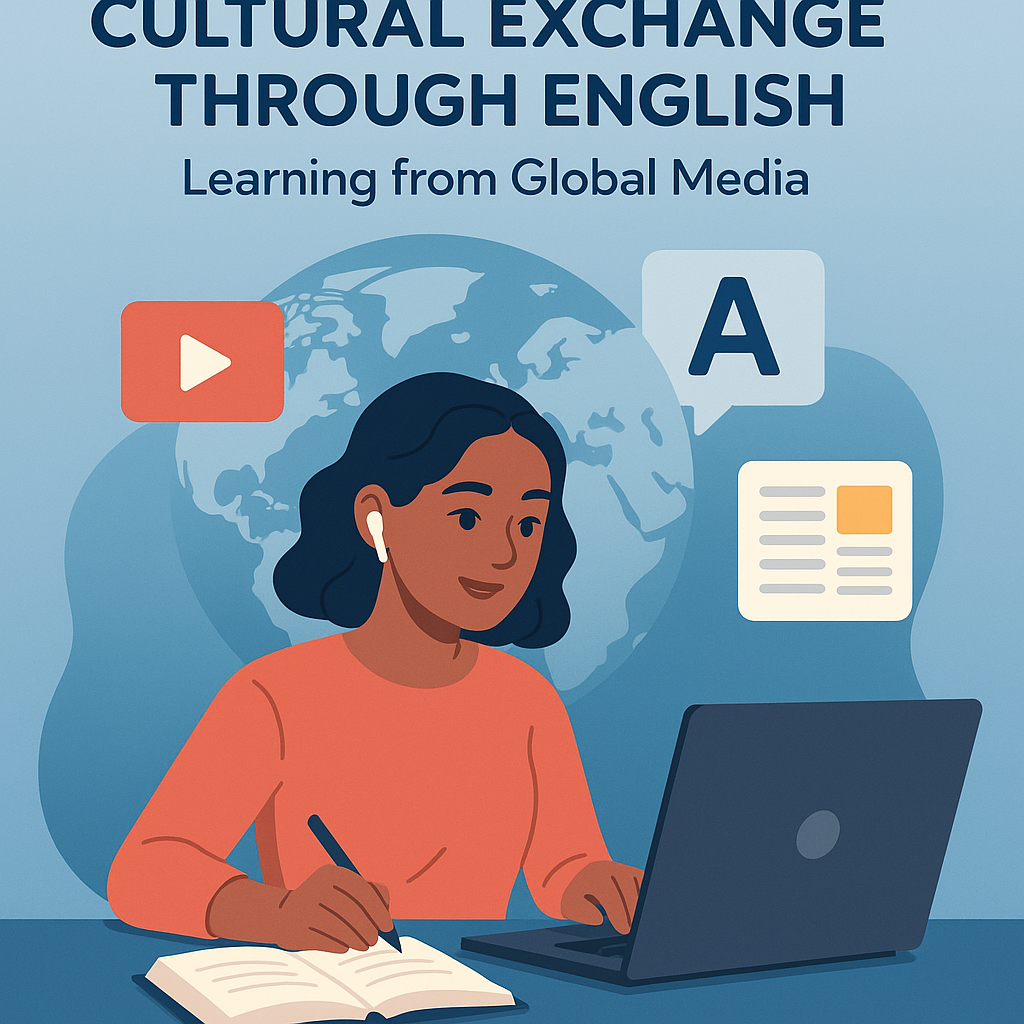
In today’s interconnected world, cultural exchange has become a key component of globalization, influencing societies, economies, and personal identities. At the heart of this cultural exchange is the English language. Understanding how cultural exchange through English is facilitated by global media is critical. The rise of technologies and digital platforms has allowed cultures to permeate across borders effortlessly, with English often serving as the lingua franca. But why does this matter? The influence of culture on media consumption and the resulting intercultural understanding offers vast benefits, from breaking stereotypes to fostering global empathy. These transformative outcomes underline the importance of studying this dynamic. In this article, we’ll delve into the complex mechanisms through which English-speaking global media serve as conduits for cultural exchange.
The Role of English in Global Media
English has emerged as the dominant language in global media, thanks to historical factors and the pervasive influence of English-speaking nations in media production. Countries like the United States and the United Kingdom have established their media industries as global powerhouses, producing content that travels across the world. This ubiquity means that content initially created for an English-speaking audience frequently finds a much larger international audience.
A real-world example of this phenomenon is the global reach of Hollywood movies and American television shows. Shows like “Friends” or “The Big Bang Theory” have become household names worldwide. These programs are not just entertainment; they play a subtle role in showcasing and disseminating cultural norms, values, and lifestyles of their origin countries. By consuming such content, international audiences gain insight into Western ways of life, language nuances, and social issues. While this gives English-speaking cultures significant soft power, it also provides a common cultural reference point for people from diverse backgrounds.
Media Platforms as Catalysts for Cultural Exchange
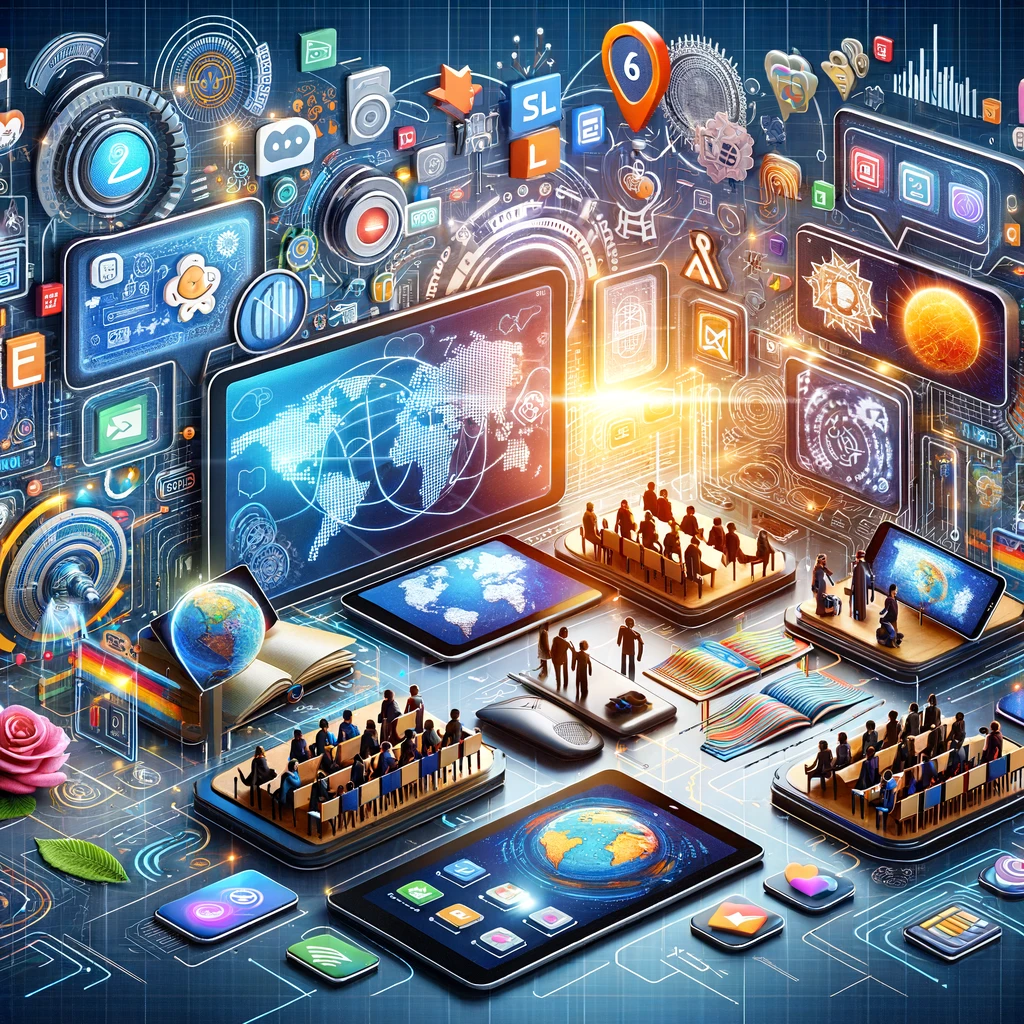
The emergence of platforms such as YouTube, Netflix, and Spotify has democratized media access and consumption on a global scale. These platforms have become vehicles for cultural exchange, enabling content creators from different parts of the world to share their culture and perspectives using English. Whether through comedy skits, music, or documentaries, creators can reach an audience beyond their geographical and cultural boundaries.
Take, for instance, the success of the South Korean boy band BTS. While they sing in both English and Korean, their music is consumed globally. Their presence on English-speaking platforms like YouTube and Spotify has been instrumental in spreading Korean culture and language internationally, marking a momentous shift in the dynamics of cultural exchange. The power of these media platforms lies in their ability to bridge cultural gaps, allowing audiences to explore and appreciate diverse cultures without leaving their homes.
The Impact of Cultural Representation in Media
Media plays a critical role in shaping perceptions of cultures. Accurate and diverse cultural representation in media content is vital for fostering understanding and empathy. Unfortunately, media has often fallen short by promoting stereotypes or offering limited perspectives. However, as more voices are given a platform, the opportunity for authentic cultural storytelling increases.
A noticeable shift can be seen in the increasing popularity of non-English films and series on platforms like Netflix. Shows such as “Money Heist” from Spain and “Lupin” from France have captivated international audiences, on their own merits, with English subtitles aiding comprehension. The storytelling methods and cultural nuances depicted in these series have allowed global audiences to engage with, understand, and appreciate different cultures. Here lies the essence of cultural exchange through English-speaking media: promoting mutual respect, understanding, and appreciation across diverse cultures.
Table: Comparative Impact of English and Non-English Media
| Aspect | English Media | Non-English Media with Subtitles |
|---|---|---|
| Reach | Global | Growing |
| Impact on Local Cultures | High – Soft Power | Moderate – Rising Influence |
| Facilitation of Cultural Exchange | Significant | Significant in localized contexts |
Educational Resources and Language Learning
One of the most impactful forms of cultural exchange facilitated by English-speaking media is the provision of educational content. Platforms like TED Talks or Khan Academy provide resources accessible globally, offering knowledge that traverses cultural boundaries. These platforms present content primarily in English, rendering it accessible to a wide audience eager to learn about diverse fields such as technology, science, and humanities.
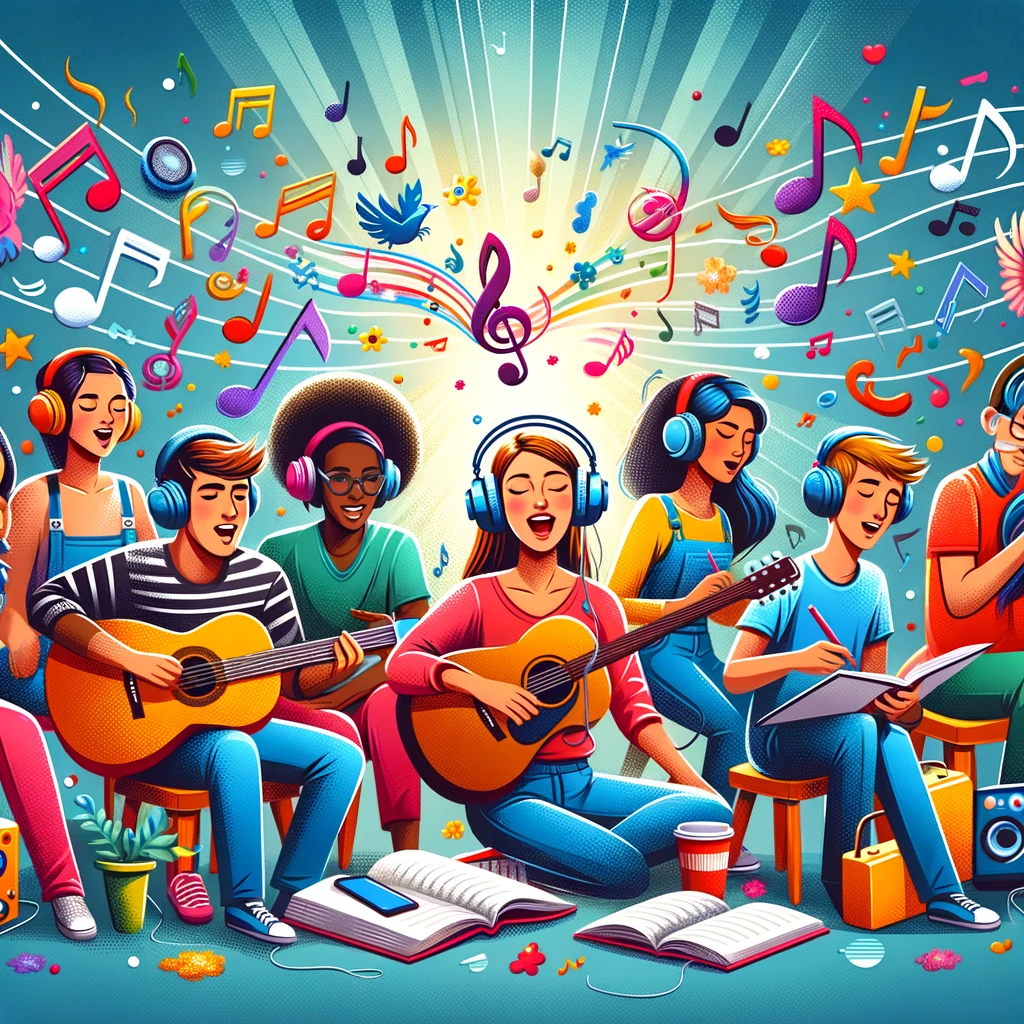
A non-traditional example involves language-learning opportunities provided by English media. For instance, many use English songs, movies, or TV shows as tools for learning the language. This form of learning comes bundled with exposure to cultural contexts, accents, idioms, and social nuances, making it an educational and culturally enriching experience. By using media as a learning tool, individuals not only acquire language skills but also an appreciation of the culture intertwined with the language.
The Role of Social Media in Cultural Dynamics
Social media platforms have further accelerated cultural exchange through user-generated content. English, once again, serves as a bridge language, enabling interaction among users from various backgrounds. Platforms like Instagram, Twitter, and TikTok allow users to share their culture, experiences, and viewpoints, contributing to a diverse tapestry of cultural content.
Consider how trends originating from a small community can scale to international phenomena through social media. For example, viral TikTok dances often originate in specific cultural contexts but are performed by users across the globe. This dance is not merely entertainment but a symbol of how cultural traditions can be shared and appreciated worldwide. Social media, with its interactive and participatory nature, plays a pivotal role in redefining how cultures interact, blend, and influence one another.
The Challenges and Ethical Considerations
Cultural exchange through English-speaking media is not without its challenges and ethical concerns. There is a risk of cultural homogenization, where dominant cultures might overshadow less represented ones. Media creators and consumers alike must be mindful of cultural appropriation and misuse. Ensuring that cultural exchange respects originality and authenticity involves understanding the fine line between appreciation and appropriation.
Furthermore, with the pervasive influence of English media, there are concerns regarding the diminishing space for local languages and stories. It’s important for media platforms to support diversity in content creation, encouraging the preservation of local narratives and fostering an environment where both English and non-English content can thrive. Media literacy, awareness, and conscious consumption are critical for navigating these complexities, emphasizing respect and understanding in the ongoing cultural dialogue.
Conclusion: Harnessing the Power of Cultural Exchange
The benefits of cultural exchange through English-speaking global media are manifold. As we have explored, English serves as a powerful tool for bridging cultural divides by enabling the dissemination and appreciation of diverse cultural content. It has the potential to break down barriers, foster empathy, and promote global understanding. By approaching media with a sense of curiosity and respect, individuals can enrich their perspectives and cultivate a more inclusive and informed worldview.
To harness these benefits, readers are encouraged to engage actively with media that challenges their preconceptions and broadens their cultural horizons. By consuming content thoughtfully and sharing insights within communities, individuals can participate in a global dialogue that celebrates diversity. The next step is simple: make a conscious effort to explore media from different cultures, be it through a movie, a book, or a conversation. Embrace this journey as a chance to learn and grow in today’s multicultural world.
Frequently Asked Questions
1. How does English facilitate cultural exchange through global media?
English plays a critical role in cultural exchange because it is a widely spoken and understood language across the globe. Many international media outlets, including television, film, music, and online platforms, often use English to reach the broadest audience. This access allows people from different cultural backgrounds to share and consume content, leading to increased understanding and appreciation for diverse cultures. For example, popular films or series produced in English can reflect the societal values or issues of the culture in which they were created, allowing international viewers to gain insights into those societies. Similarly, English-language news channels like BBC or CNN give a perspective on global events from an English-speaking point of view, broadening viewers’ worldviews.
2. What role do digital platforms play in promoting cultural exchange through English?
Digital platforms have revolutionized how we access and share information, acting as key facilitators for cultural exchange. Social media sites like Facebook, Twitter, and Instagram allow people globally to share their cultural experiences and perspectives in real-time, often using English as the medium of communication. These platforms break down geographical barriers, enabling users to engage with content from across the world instantaneously, and often do so in English to reach a wider audience. Moreover, the rise of streaming services like Netflix and Spotify offers vast libraries of films, series, and music from different cultures, allowing English-speaking users to explore content from diverse origins. Online communities discussing various cultural topics often conduct discussions in English, making the information accessible to a global audience and fostering global conversations.
3. Why is understanding cultural exchange through English important in today’s world?
Understanding cultural exchange through English is vital in today’s world due to the growing interconnectedness of different cultures and the widespread use of English as an international language. This knowledge helps bridge cultural gaps by promoting awareness, tolerance, and appreciation of cultural diversity. Through the lens of English, individuals can access a wealth of knowledge, from international news to artistic expressions, fostering an informed and culturally sensitive global community. Additionally, in the professional sphere, many multinational companies and businesses conduct operations in English, making cultural exchange through the language crucial for effective cross-cultural communication and cooperation, which are essential in global markets.
4. How does English-language global media influence personal identity?
English-language global media significantly influences personal identity by shaping how individuals perceive themselves and others in the context of a global society. Exposure to diverse cultures through English media can broaden one’s perspective, influencing lifestyle choices, values, and self-expression. For instance, individuals may adopt certain fashion trends, ideologies, or lifestyles from the media they consume, integrating them into their personal identities. English-language content often introduces viewers to new concepts, behaviors, and ways of thinking, which can inspire them to form a unique identity that reflects a blend of their native culture and the influences of the cultures they engage with through media. Moreover, the recognition of oneself as part of a global community can increase a sense of belonging and open-mindedness, revealing the power of English-language media in personal identity formation.
5. Are there any downsides to cultural exchange through English and global media?
While cultural exchange through English and global media offers many benefits, it also poses certain challenges. One downside is the risk of cultural homogenization, where dominant cultures, primarily those from English-speaking countries, overshadow local cultures, leading to the erosion of cultural diversity. This influence can result in the widespread adoption of English-language norms and values at the expense of indigenous practices and languages. Additionally, there can be an imbalance in representation within global media, with certain cultures receiving more attention than others, thus shaping skewed worldviews and narratives. Furthermore, the prevalence of English could create linguistic barriers for individuals not proficient in the language, potentially limiting their access to global conversations and opportunities. These challenges highlight the need for mindful consumption and production of media to preserve cultural richness while promoting inclusivity and diversity in global communications.