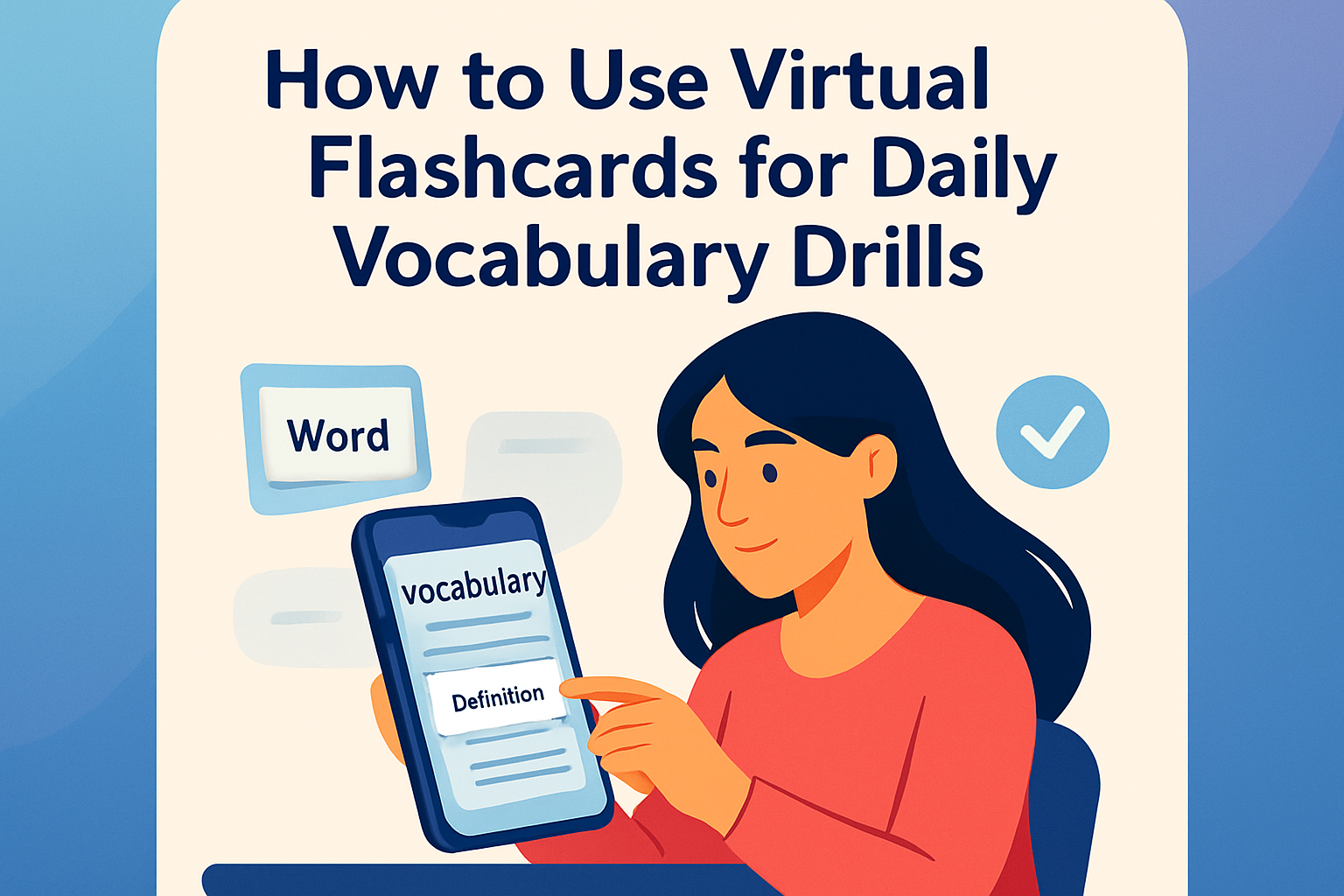
In the bustling digital age, acquiring a robust vocabulary is more crucial than ever to thrive in both academic and professional environments. One time-tested method that despite technological advances remains efficient is the use of flashcards. Flashcards serve as a powerful tool to enhance English vocabulary for learners of all ages. These compact, user-friendly cards have been a staple in language education, primarily due to their simplicity and effectiveness. Understanding how to create and use flashcards efficiently can dramatically impact one’s ability to comprehend, retain, and utilize new words.
Flashcards employ active recall, a process where the learner actively stimulates their memory during the learning process. This encourages a deeper cognitive retrieval of information compared to passive reading methods. Moreover, flashcards facilitate spaced repetition—an approach that involves reviewing information at increasing intervals over time. Both techniques have been demonstrated to bolster memory retention significantly. The simplicity of creating flashcards and their versatility for personal customization makes them an optimal choice for enhancing one’s lexicon.
Throughout this article, we will delve into the art of creating flashcards tailored specifically to bolster English vocabulary. We will explore different methods for constructing flashcards, discuss best practices for their usage, and consider digital alternatives that have emerged with technological advancements. By understanding these techniques and integrating flashcards into your daily routine, you can ensure a steady and effective gain in your language prowess. Let’s embark on this journey to master the English language through strategic flashcard utilization.
Understanding Flashcards Incorporation
To truly harness the potential of flashcards for vocabulary enhancement, one must first understand their fundamental construction and principles. At its core, a flashcard consists of two sides: one displaying a term or concept, while the opposite side reveals the definition or explanation. For vocabulary acquisition, the term side might feature a new word, and the other side would offer its definition, usage examples, or synonyms. This simple yet effective design encourages active engagement, allowing learners to self-test their knowledge repeatedly over time.
Active recall, which flashcards capitalize on, is a deliberate mental attempt to retrieve information. This active engagement strengthens neural connections associated with the retained data. Furthermore, when students test themselves, they identify gaps in their knowledge, allowing them to focus their efforts more efficiently. The success of flashcards also lies in their flexibility. They can be used virtually anywhere, offering a mobile, on-the-go learning solution. Their adaptability allows learners to customize them in endless ways, adding pictures or mnemonics to aid memory, thus catering to various learning styles and personal preferences.
The theory of spaced repetition complements the use of flashcards by combating the forgetting curve—our tendency to forget newly acquired information over time. Flashcards enable learners to periodically review material at optimal interleaved intervals. This approach is engineered to enhance long-term retention significantly. Digital platforms have embraced this concept by automating spaced repetition schedules for users, ensuring strategic revision times that optimize memory retention without requiring the learner to track progress manually.
Designing Effective Flashcards
Creating effective flashcards necessitates an understanding of key design principles that optimize their use for vocabulary acquisition. When designing flashcards, clarity and simplicity should govern the process. The choice of words, use of contextual examples, and presentation need careful consideration to ensure efficacy. Selecting words that align with your learning objectives or areas of interest can increase motivation and relevance.
Begin by identifying the core elements of a flashcard. For vocabulary building, include the word on one side, its definition, usage in a sentence, and part of speech on the reverse. Where applicable, consider adding phonetic transcriptions or pronunciation guides, particularly for non-native speakers. This addition aids in mastering not only the meaning but also the correct pronunciation of the new words.
Contextual learning is essential. Flashcards should include example sentences that demonstrate the word in a context familiar to the learner. Sentences illustrating the word’s various forms or common collocations can provide a broader understanding, thus bridging the gap between memorization and practical application. Encourage the use of personalized, memorable associations or mnemonics to make the words more relatable and easier to remember.
Implementing Flashcards for Vocabulary Learning
A strategic approach to implementing flashcards can significantly enhance their effectiveness in vocabulary learning. Begin by categorizing your flashcards based on difficulty or frequency of use. Start with a manageable number of new words and progressively increase your collection as you achieve mastery. Setting clear, achievable goals and consistent study schedules results in better absorption and retention.
Incorporating the Leitner System, a well-known flashcard study method, can further optimize efficacy. This method organizes flashcards into defined boxes or levels, escalating from “unfamiliar” to “familiar.” Incorrectly answered cards revert to the starting level, while correct answers progress. This systematic approach prioritizes difficult terms, ensuring focused attention where most needed.
Moreover, engage multiple learning senses by pairing traditional flashcard exercises with auditory repetition, such as listening to spoken vocabulary lists or definitions. This multimodal approach can reinforce learning. Include frequent self-assessment to track progress and adjust study strategies as needed, leveraging self-reward systems to remain motivated. Regular exposure combined with consistent practice ensures continuous improvement and growth in vocabulary.
Digital Flashcards: Modern Alternatives
The advent of technology has introduced efficient digital flashcard tools, providing convenient, customizable learning solutions. Applications like Anki, Quizlet, and Memrise offer extensive features, including spaced repetition algorithms, multi-device synchronization, multimedia flashcard options, and collaborative sharing platforms. These tools allow users to access pre-set vocabulary decks or create personalized collections, making study sessions more targeted and effective.
Digital flashcards support various learning styles by incorporating images, sounds, and interactive elements. This flexibility can cater to visual or auditory learners, enhancing engagement and retention. Furthermore, the ability to access digital flashcards remotely through mobile apps enables seamless learning experiences, whether during commutes, breaks, or dedicated study sessions, thus maximizing available study time effectively.
Through online platforms, learners can also participate in community features, sharing decks with peers, engaging in group study sessions, or exploring vocabulary curated by educators and linguists. The continuous improvements in digital platforms ensure personalized learning experiences, making vocabulary acquisition accessible, efficient, and effective in a fast-paced digital world.
Monitoring Progress and Adapting Strategies
An essential aspect of vocabulary acquisition using flashcards is active monitoring and adaptation of learning strategies. Establish a consistent review process that allows you to evaluate the effectiveness of your flashcards periodically. Regularly update and curate your flashcard collection, removing mastered items and introducing new, challenging words to sustain engagement.
Utilize feedback systems, whether self-assessment, tutor evaluations, or digital progress reports, to refine your study techniques. Adapt your focus based on areas of poor performance, dedicating more time to challenging vocabulary, and experimenting with alternative learning methodologies when necessary. Embrace a flexible approach to learning, recognizing that different words, contexts, or even periods might require adjusted strategies for effectiveness.
Setting measurable milestones and celebrating achievements fosters motivation and accountability. Whether learning independently or within a structured class environment, tracking progress through journal entries, digital app reports, or periodic testing ensures awareness of your learning trajectory, helping to maintain momentum throughout your language acquisition journey.
Conclusion
In conclusion, flashcards remain an indispensable tool for enhancing English vocabulary, offering a structured yet adaptable method for learners worldwide. They encourage active recall and leverage spaced repetition principles, critical factors essential for vocabulary retention and mastery. By carefully designing, implementing, and periodically reviewing a personalized flashcard system, individuals can efficiently and effectively expand their lexicons, facilitating improved communication skills in both personal and professional arenas.
Whether opting for traditional paper cards or modern digital alternatives, the essentials remain the same: consistency, engagement, and adaptability. Flashcards require commitment and active participation, rewarding diligent learners with measurable advancements in vocabulary and comprehension. By integrating flashcard study habits into daily routines, English language acquisition becomes a manageable, enjoyable process, resulting in enriched understanding and fluency.
Embark on your vocabulary enhancement journey today, armed with the timeless power of flashcards. Reap the benefits of this proven linguistic tool, fostering a lifetime of learning and growth. Remember, the mastery of language opens doors to new opportunities, insights, and experiences, enhancing your ability to connect, converse, and contribute in meaningful ways.
Frequently Asked Questions
1. What are flashcards, and how do they help in enhancing English vocabulary?
Flashcards are small cards, typically pocket-sized, that contain a question, word, or concept on one side and the answer or explanation on the other. In enhancing English vocabulary, flashcards are used as a tool for active recall, which is a proven technique for improving memory retention. When learners see the word on one side and recall its meaning or usage from the other side, they are practicing retrieval, a cognitive exercise that solidifies memory. Flashcards are effective for all ages because they facilitate repeated exposure to vocabulary, allowing the brain to build stronger connections and associations with each term.
Moreover, the simplicity of flashcards means they can be customized to suit individual learning needs. Learners can create flashcards with definitions, synonyms, antonyms, example sentences, or even images. This customization nurtures a deeper understanding and makes learning more engaging. The portability of flashcards also allows for convenient study sessions at any time or place, reinforcing a habit of frequent revision, which is crucial for vocabulary enhancement.
2. How should I organize my flashcards for maximum efficiency?
Organization is key when it comes to maximizing the efficiency of flashcards. Start by categorizing your flashcards based on themes or topics, such as ‘Business Vocabulary,’ ‘Everyday Language,’ or ‘Idioms and Phrases.’ This thematic approach helps your brain compartmentalize information, making recall easier during relevant conversations or writing tasks. It’s also beneficial to color-code your cards according to these categories for quick visual identification.
Next, consider using the Leitner System, a popular study method where flashcards are sorted into separate boxes based on how well you know the term. New or difficult cards are reviewed more frequently, while cards you know well appear less often. This spaced-repetition system optimizes your study time by focusing more on challenging terms and reviewing easier ones periodically to maintain retention.
Additionally, digital flashcard apps offer organization features such as tags, folders, and scheduling algorithms that decide when you should review each card based on your performance, adding efficiency to your study routine.
3. How can I make my flashcards more engaging and effective?
The key to making flashcards engaging and effective is by making them interactive and stimulating. Start with the design; use both sides of the card creatively. On one side, write the vocabulary word or phrase in bold with distinctive fonts and colors to make it stand out. On the other side, include not just a definition but also an example sentence that uses the word in context. Adding images or doodles related to the word can further enhance memorization through visual association.
An engaging flashcard also includes pronunciation guides using phonetic symbols, particularly for learners looking to improve their spoken English. Consider incorporating audio, using apps that allow recording or speech synthesis, enabling you to listen to words and their pronunciations repeatedly.
To boost effectiveness, simulate real-life usage by including questions or scenarios where the vocabulary could naturally appear. This method transforms the flashcard from a static memory tool into a dynamic learning experience that evolves with your linguistic progress.
4. How often should I use flashcards to improve my vocabulary?
The frequency of using flashcards largely depends on individual goals and the amount of new vocabulary you aim to acquire. However, regular interaction is beneficial for any learner. Ideally, daily practice allows for consistent exposure to new words and reinforces previously learned vocabulary. Even as little as 15-20 minutes a day can yield substantial improvement over time.
Incorporating flashcards into your routine doesn’t have to be time-consuming. Integrate sessions into your daily commute, waiting times, or breaks. This makes vocabulary enhancement a seamless part of your everyday life, hastening your progress in acquiring a robust vocabulary.
Moreover, using the spaced-repetition technique, as mentioned earlier, optimizes this practice. The key is not just frequency but strategic repetition. Make sure your practice sessions spread out knowledge review over increasing intervals, preventing memory decay and reinforcing long-term retention.
5. Are digital flashcard apps better than traditional paper flashcards?
Both digital flashcards and traditional paper flashcards have their unique advantages, and the choice between them often boils down to personal preference and lifestyle. Digital flashcard apps like Anki, Quizlet, or Brainscape offer the convenience of accessibility—allowing you to study on smartphones, tablets, or computers. They also come with advanced features like spaced-repetition algorithms, audio pronunciation clips, and integration of images from the internet.
Digital apps are perfect for tech-savvy individuals who appreciate the utility of carrying hundreds of flashcards in their pocket, along with the inbuilt analytics that track your progress and proficiency with each term.
On the other hand, traditional paper flashcards appeal through their tactile nature. The act of physically writing out cards can enhance memory retention. Paper cards also eliminate distractions from notifications or app fatigue, providing a focused study session. They are perfect for those who appreciate the simplicity and don’t mind carrying a small stack of cards.
Ultimately, combining both could offer the best of worlds—a hybrid approach utilizing paper for initial learning and digital for spaced-repetition practice ensures a well-rounded vocabulary enhancement strategy.