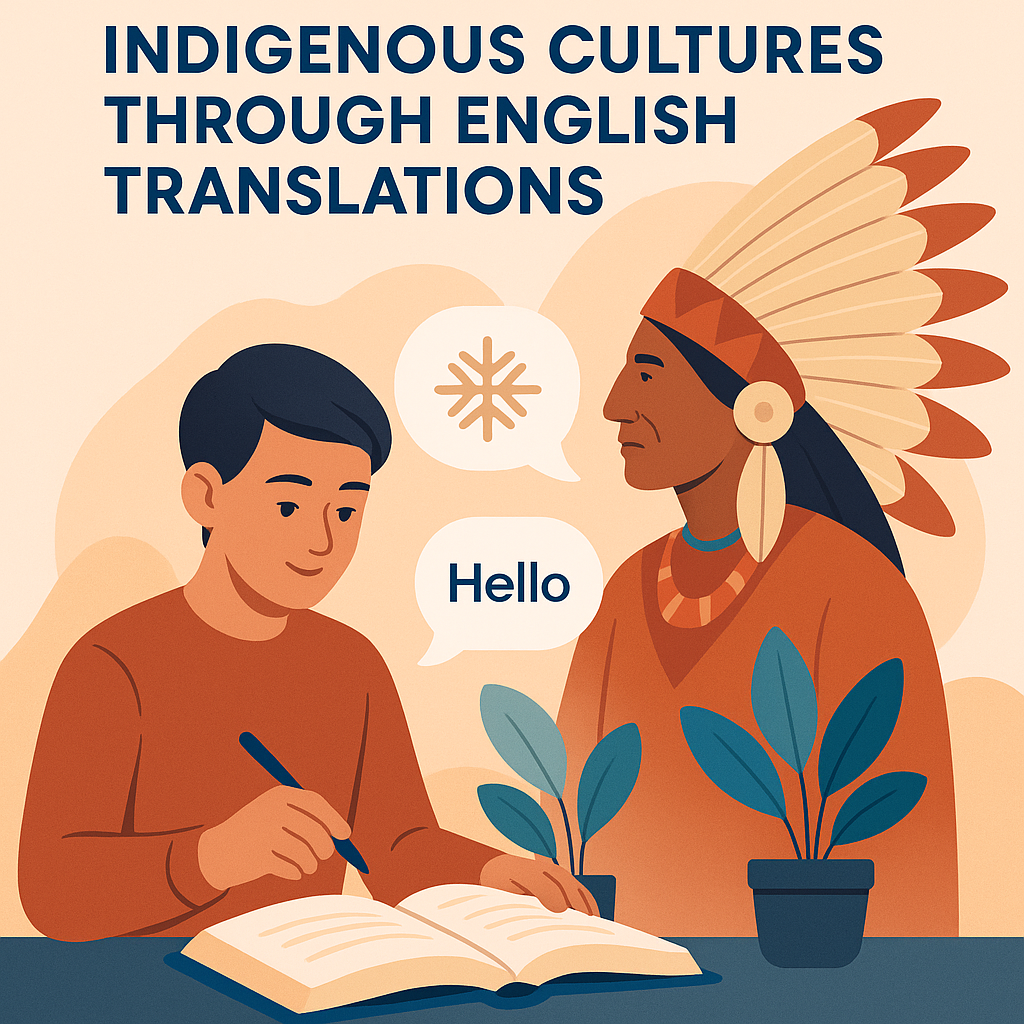
The vast tapestry of indigenous cultures around the globe is a treasure trove of knowledge, wisdom, and values. However, language barriers often obscure these rich traditions, making them inaccessible to those outside native communities. English translations of indigenous languages provide an essential bridge for unlocking these veiled worlds, offering insights into their unique perspectives and enriching global cultural diversity. In this article, we will explore the importance of discovering indigenous cultures through English translations, highlighting their key elements, and explaining why understanding these cultures matters.
Indigenous cultures refer to the customs, traditions, and worldviews of the original inhabitants of a particular region. As stewards of the land, indigenous peoples have cultivated unique cultural practices, philosophies, and ecosystems over millennia. Yet, many indigenous languages have historically faced obstacles, often endangered by colonization, globalization, and modernization, leading to a loss of cultural heritage. By translating these languages into English, we preserve these cultures for future generations, foster cross-cultural understanding, and ensure that indigenous voices are heard and respected.
The significance of these translations extends beyond mere linguistic conversion. They open windows into alternative ways of understanding life, nature, and the universe—perspectives that challenge Western worldviews and offer solutions to contemporary issues such as environmental sustainability and social justice. These translated works also empower indigenous communities by amplifying their narratives, engendering a sense of pride and dignity, and inspiring cultural revitalization efforts. Engaging with indigenous cultures through their translated literature not only enriches our lives but also contributes to global society’s cohesion and inclusivity.
The Role of Language in Indigenous Culture
Language is a cornerstone of cultural identity. It shapes how communities view the world, how they communicate experiences and emotions, and how they pass knowledge from generation to generation. In many indigenous cultures, language is intertwined with traditional practices, ceremonies, myths, and social structures. The loss of language often equates to the loss of these integral cultural components.
One illustrative example is the Maori people of New Zealand. The Maori language, with its unique structure and idiomatic expressions, encapsulates the Maori’s intricate bond with nature, spirituality, and community. English translations of Maori songs, prayers, and stories allow a broader audience to appreciate this cultural wealth. Moreover, these translations have been instrumental in cultural preservation and resurgence, even contributing to the New Zealand government’s adoption of bilingual policies and the promotion of the Maori language in schools and media.
Understanding Worldviews through Translations
Indigenous worldviews are often based on holistic perspectives, seeing humans as part of a larger ecological system where all life is interconnected. These perspectives challenge the often anthropocentric narratives of industrialized societies. By translating indigenous stories, myths, and teachings into English, we gain access to alternative paradigms that highlight balance, sustainability, and respect for nature.
For instance, consider the narratives of the Ojibwe people in North America. Ojibwe storytelling, articulated in their language, often emphasizes themes of interconnectedness and reciprocity with the natural world. English translations of these stories serve as a beacon for environmental activism, resonating with contemporary movements that advocate for eco-friendly practices and the protection of Earth’s biodiversity. Such translations not only preserve the richness of Ojibwe culture but also offer lessons in ecological symbiosis, bringing fresh insights to global environmental challenges.
Promoting Cross-Cultural Dialogue and Empathy
Translation acts as a conduit for promoting cross-cultural dialogue, essential for fostering empathy, understanding, and cooperation between diverse communities. By engaging with texts translated from indigenous languages, readers can better appreciate the nuances of indigenous experiences, values, and struggles.
A poignant example is the literature of the Aboriginal peoples of Australia. Aboriginal Dreamtime stories, when translated into English, provide narratives that intertwine history, morality, and the sacred connection to the land. These stories highlight complex social and environmental relationships, inviting readers to engage deeply with Aboriginal cultural heritage and the historical injustices faced by these communities. Translation thus catalyzes greater intercultural empathy and respect, encouraging individuals to challenge stereotypes and foster alliances for social justice and reconciliation efforts.
- Facilitation of Knowledge Exchange
- Empowerment of Indigenous Communities
- Enrichment of Global Cultural Heritage
- Contributions to Social and Environmental Justice
Challenges in Translating Indigenous Languages
Translating indigenous languages into English is fraught with challenges. Linguistic nuances, cultural contexts, and traditional knowledge embedded in indigenous languages are often difficult to fully capture in English. These languages may contain untranslatable words or concepts tied to specific cultural realities that lack direct equivalents in English.
This is evident in the Inuktitut language spoken by the Inuit people of the Arctic. The rich vocabulary used to describe the environment, snow, ice, and cultural practices is deeply tied to the Inuit way of life and worldview. Translating Inuktitut into English involves more than mere linguistic skills; it requires cultural sensitivity, collaboration with indigenous speakers, and an earnest effort to retain the essence and intent behind the words.
Furthermore, the power dynamics involved in translation raise ethical questions. Who gets to translate, and how are these translations used? Ensuring that the translation process respects indigenous sovereignty, representation, and participation is critical to preserving authenticity and preventing appropriation or misrepresentation.
Realizing the Potential of Indigenous Knowledge
Despite these challenges, the benefits of translating indigenous languages into English are profound. They offer the world a wealth of knowledge, insights, and perspectives that transcend cultural boundaries and contribute to the collective human experience.
Take, for example, the traditional ecological knowledge of the Haida people from the northwest coast of North America. Through English translations, Haida teachings about sustainable fishing practices, forest management, and ecological conservation become accessible to policymakers, scientists, and environmentalists worldwide. These translations not only showcase the sophistication of indigenous knowledge systems but also provide practical applications for addressing the environmental crises faced globally today.
The Future of Indigenous Language Translation
The future of translating indigenous languages holds promise and potential for transforming cultural narratives on a global scale. With the rise of digital technologies, we have unprecedented tools to document, translate, and disseminate indigenous knowledge effectively. These technologies offer new opportunities for collaborative translation efforts that engage both linguists and indigenous communities, ensuring co-ownership of cultural content.
Moreover, initiatives like the United Nations’ International Decade of Indigenous Languages spotlight the urgent need to preserve and promote linguistic diversity. Collaborations between academia, governments, NGOs, and indigenous organizations are vital for developing sustainable translation projects and educational programs that empower indigenous communities and engage wider audiences.
| Benefits | Challenges | Opportunities |
|---|---|---|
| Cultural Preservation | Linguistic Nuances | Digital Technologies |
| Cross-Cultural Understanding | Ethical Considerations | Collaborative Projects |
| Empowerment of Indigenous Communities | Representation Issues | Global Initiatives |
Conclusion: Embrace Indigenous Wisdom and Translate for Tomorrow
In conclusion, the translation of indigenous languages into English presents an invaluable opportunity to uncover the depth and beauty of indigenous cultures. It fosters a more inclusive and empathetic global society, enabling us all to appreciate diverse cultural legacies and learn from the wisdom of the world’s original inhabitants. This endeavor is not without its challenges, but the potential rewards in terms of cultural preservation, intercultural understanding, and social and environmental justice are insurmountable.
We invite readers to take active part in this cultural exchange and exploration. Whether by supporting translation initiatives, engaging with translated texts, or advocating for policies that promote linguistic diversity and indigenous rights, each action contributes to a richer, more interconnected world. Embrace the knowledge offered by these translations and integrate their lessons into your worldview, creating a shared future that honors and celebrates our collective cultural heritage.
Frequently Asked Questions
1. Why are English translations of indigenous cultures important?
English translations of indigenous cultures hold significant value as they serve as a vital link between these otherwise hidden worlds and the global community. Indigenous cultures are rich with centuries of accumulated wisdom, distinct value systems, and unique perspectives on the world and humanity’s place within it. However, the native languages in which these cultures are deeply rooted act as a natural barrier to outsiders. By utilizing English translations, these barriers are reduced, allowing for a broader audience to explore and appreciate the cultural nuances, traditions, and wisdom that would otherwise remain inaccessible. Through these translations, the vibrancy of oral traditions, the subtlety of cultural expressions, and the profound philosophies embedded within indigenous cultures can be shared across linguistic and cultural divides, enriching global knowledge and fostering greater cross-cultural understanding and appreciation.
2. How do English translations contribute to preserving indigenous languages and cultures?
English translations play a dual role in preserving indigenous languages and cultures: they act both as a practical means of documentation and as a bridge to global understanding. As many indigenous languages face the threat of extinction due to diminishing speakers, translation efforts serve as a record of these languages, potentially staving off total disappearance. Translations do more than simply record vocabulary and syntax; they capture the essence of cultural narratives, historical accounts, and traditional knowledge systems. By translating these elements into English, the essence of the culture is not only preserved but also made accessible for educational and cultural enrichment purposes. These efforts ensure that even as native language speakers decrease, the cultural wealth contained within these languages is not lost but can be continually celebrated and respected around the world.
3. What challenges are faced when translating indigenous languages into English?
Translating indigenous languages into English presents several unique challenges, primarily due to the vast differences in linguistic structures and cultural contexts. Indigenous languages often possess concepts, idioms, and expressions that have no direct equivalent in English, making it difficult to convey intended meanings and cultural significance accurately. Furthermore, translators must be keenly aware of the cultural sensitivities and nuances that are embedded in these languages to avoid misinterpretations that could lead to cultural misappropriation or misrepresentation. Another significant challenge involves finding proficient translators who are not only fluent in both languages but also deeply knowledgeable about the cultural contexts of the indigenous communities involved. The task requires careful balance in maintaining fidelity to the original meaning while also ensuring that translated content is comprehensible and resonant with the target English-speaking audience.
4. How do English translations increase awareness and appreciation of indigenous cultures?
English translations serve as a window into the rich tapestry of indigenous cultures, allowing people from diverse backgrounds to access stories, traditions, and philosophies that might otherwise remain confined to the original communities. By providing translations, indigenous communities can share their narratives, including myths, legends, and historical accounts, fostering a sense of global cultural literacy. Such exposure not only informs and educates but also deepens empathy and appreciation, breaking down stereotypes and fostering more nuanced and respectful understandings of indigenous peoples. Cultural products, such as literature, art, and music, when made accessible through translations, invite global audiences to celebrate and support the vibrant creativity and profound legacy of indigenous cultures, thus actively participating in cultural preservation and promotion.
5. What role do indigenous communities play in the translation process?
Indigenous communities should play a central role in the translation process to ensure accuracy, authenticity, and cultural sensitivity. Ideally, translations are conducted in collaboration with native speakers and cultural custodians who hold the requisite knowledge and authority to guide the process. Their involvement ensures that translations are not only linguistically accurate but also culturally respectful, preserving the contextual meanings embedded in the original language. Indigenous collaboration in translation efforts also provides a platform for self-representation, allowing communities to share their stories on their own terms. This involvement is crucial for empowering indigenous peoples, as it ensures that external interpretations and narratives do not overshadow or distort the community’s own voice. Collaborative translation processes can also foster trust and mutual respect between indigenous communities and external parties, contributing to equitable and sustainable cultural exchanges.