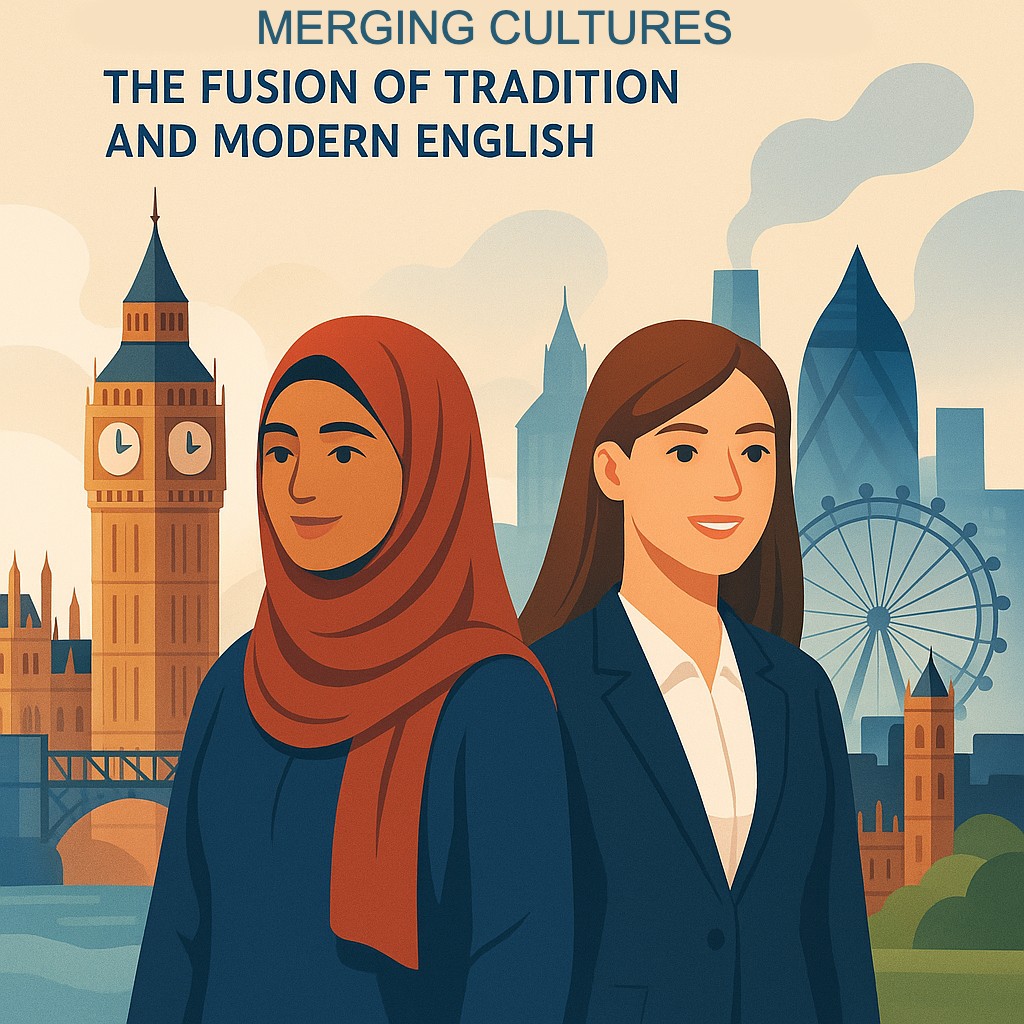
In our globalized world, the interplay between cultures is more evident than ever before. The fusion of tradition and modern English serves as a prime example of how languages evolve and intertwine. As cultural boundaries blur, language serves as both a bridge and a mirror, reflecting these transitions. This fusion not only enriches the linguistic landscape but also connects diverse communities, enhancing mutual understanding and appreciation. Understanding this phenomenon requires diving deep into the nature of cultural exchange, how traditional linguistic roots blend with the modernity brought about by globalization, and why this is significant in today’s world. The interplay between maintaining cultural heritage and embracing modernity is an integral process that shapes our global linguistic evolution.
Understanding Cultural Linguistic Exchange
Cultural linguistic exchange refers to the process through which languages influence one another, borrowing words, phrases, and even stylistic elements. This exchange is not merely a random occurrence but a systematic intertwining that occurs due to trade, migration, technology, and media. Historically, the influence of Latin on the English language created a rich tapestry of vocabulary. Today, English continues to be influenced by languages around the world—be it the widespread use of Hindi words like “guru” or “pajamas” or the incorporation of culinary terms such as “sushi” from Japan.
Consider the culinary arts as a real-world example—restaurants are filled with dishes named using words borrowed from French, Italian, and Chinese, depicting a linguistic exchange that extends beyond mere translations. The words like “ballet” and “genre” are used effortlessly by English speakers while maintaining their original pronunciation and spelling, a testament to cultural acceptance.
The Role of Technology in Language Evolution
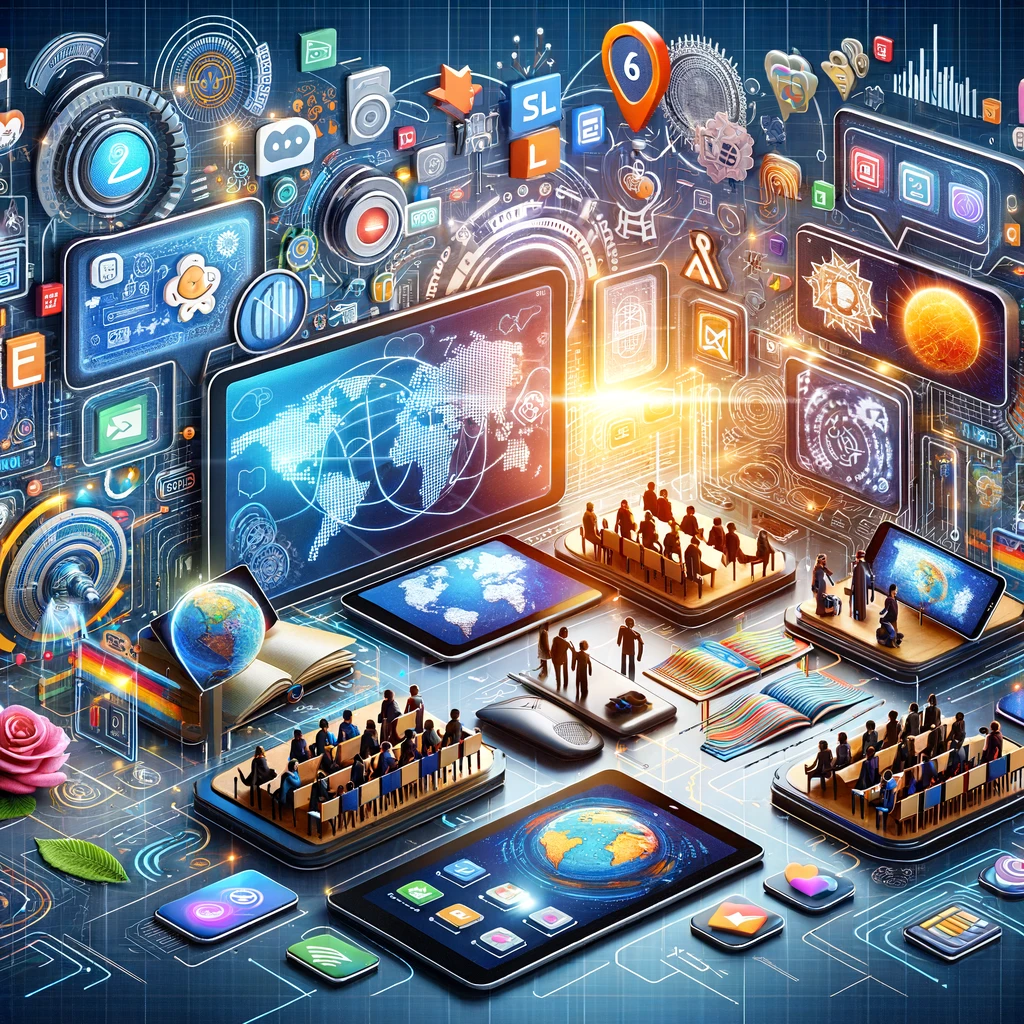
Technology accelerates the cultural-linguistic exchange by offering platforms for more immediate and interactive communication across the globe. The advent of social media platforms such as Twitter, Instagram, and TikTok enables real-time interaction, contributing significantly to how and why languages evolve. The use of memes, hashtags, and viral challenges is not language-specific; they transcend linguistic barriers and often require an immediate linguistic adaptation for clarity and relatability.
Case in point: the global use of emojis, which act as a new language form in themselves. They convey feelings and ideas that require no words, becoming a universal means of communication. This type of cross-cultural exchange and adaptation showcases the dynamic nature of language where the line between tradition and modernity is increasingly blurred.
Educational Systems Adapting to Global Language Dynamics
Educational institutions around the world have begun to acknowledge and incorporate multicultural elements within their curriculum. In multilingual societies, there’s an increased emphasis on teaching students more than one language, often starting from a young age. This ensures linguistic diversity and an appreciation for a global culture.
For instance, international schools integrate more opportunities for students to learn multiple languages, enabling them to become proficient communicators and empathetic global citizens. In many cases, English language curricula include literary works and artistic expressions from non-English speaking cultures, broadening the perspective and enriching the learning experience for students.
Globalization and Language Diversity
Globalization fosters increased interaction between different cultures, further blending traditional and modern elements of languages. Language diversity enriched by globalization is not just about borrowing words but also transforming them to suit new realities. Various terminologies in technology, business, science, and fashion quickly adapt to meet global standards while retaining cultural authenticity.
- Technology: Terms like “app,” “cloud,” and “internet” have been adapted into multiple languages, each with its cultural twist.
- Fashion: The word “couture” remains deeply associated with French cultural roots but is universally recognized.
- Business: The phrase “start-up” is an English innovation now prevalent in virtually every language globally.
This dynamic results in new hybrid languages, such as “Spanglish” or “Hinglish,” signifying a linguistic marriage that respects and retains its source cultures’ essence while evolving toward something distinct and modern.
Preservation of Cultural Identity Through Language
Amidst the vast blending happening globally, preserving cultural identity through language remains essential. Language is a powerful marker of cultural identity and heritage. Communities across the globe undertake initiatives to prevent their traditional languages from fading away. Simultaneously, they adapt these languages to continue relevance in the modern world.
Efforts in countries like New Zealand to revive Maori among younger generations demonstrate how modern languages can exist alongside preserving tradition. Immersive language programs have been developed, designed to maintain these important cultural ties while allowing an appreciation for modern lingual contexts.
Benefits to Society and Individual Growth
The fusion of tradition and modern English brings about numerous benefits. By embracing cultural-linguistic diversity, societies are enriched, understanding deepened, and innovation fostered. Knowledge of multiple languages can enhance cognitive development, increase communication skills, and promote emotional intelligence.
From an individual’s perspective, this linguistic blending can create more robust professional opportunities in an increasingly interconnected world. Employers often seek out bilingual or multilingual employees for their global reach and adaptability, signifying the pragmatic benefits of this cultural melding.
Concluding Thoughts and the Way Forward
The fusion of tradition and modern English is more than an inevitable outcome of globalization; it is a desirable evolution that combines the best elements of distinct cultures. As we navigate a world where cultures continuously intermingle, preserving the richness of traditional languages while embracing modern elements is crucial. This ensures that global languages remain dynamic yet rooted in cultural identity.
As a next step, individuals and communities can actively participate in cultural exchanges, offer support to educational programs focusing on diverse linguistic skills, and utilize technology to further the reach of less common languages. Embracing language diversity can open new avenues for personal growth, innovation, and global harmony.
Ultimately, the fusion of tradition and modern English is not just a phenomenon to observe but a pathway to greater understanding and cooperation in an interconnected world.
Frequently Asked Questions
1. What is meant by “Merging Cultures: The Fusion of Tradition and Modern English”?
The phrase “Merging Cultures: The Fusion of Tradition and Modern English” refers to the dynamic process where traditional cultural expressions and modern English interact and blend, creating unique linguistic and cultural experiences. As societies become more interconnected, these fusions become increasingly common. This process is not just limited to incorporating new words into English but involves the deeper integration of customs, beliefs, and worldviews into language. It reflects the way communities use language creatively to express identity, adapt to changes, and maintain their cultural roots while embracing modern influences.
This fusion manifests in various forms, such as code-switching, where speakers alternate between languages within a conversation, or the creation of hybrid dialects that combine elements of both traditional and modern English. It can also be observed in literature, music, and media, where storytelling techniques and themes from diverse heritages merge with contemporary English narratives. Ultimately, this blending enriches the cultural tapestry, making English more inclusive and reflective of global experiences.
2. How does the fusion of tradition and modern English impact communication?
The fusion of tradition and modern English significantly impacts communication by introducing new vocabulary, expressions, and ways of conveying meaning. This evolution makes English more dynamic and adaptable, allowing it to serve as a more effective medium for expressing diverse cultural experiences. It facilitates cross-cultural communication, making it easier for people from different backgrounds to relate to one another while preserving their unique linguistic identities.
In practical terms, this fusion can lead to the creation of pidgins or creoles—simplified languages that arise from the blend of English with local languages, which then evolve into fully developed languages. Additionally, it can influence how people think and interact, fostering empathy and understanding. When traditional concepts are expressed through modern English, it not only enriches the language but also invites speakers and listeners alike to appreciate and engage with those cultural concepts.
3. Can you provide examples of how traditional culture influences modern English?
Absolutely! Traditional culture influences modern English in numerous ways, from the integration of loanwords to the incorporation of cultural references and practices in speech and writing. For example, the English language has absorbed words such as “yoga” from Sanskrit, reflecting the global influence of Indian culture. Similarly, culinary terms like “sushi” from Japanese and “taco” from Spanish have become commonplace in English-speaking countries, illustrating the fusion of culinary traditions.
Beyond vocabulary, storytelling techniques from various traditions have also influenced English literature and media. For instance, the oral traditions of West African storytelling, with its rich use of proverbs and metaphors, can be seen in the modern works of authors like Chimamanda Ngozi Adichie. In music, genres like reggae or Afrobeat have crossed linguistic and cultural boundaries, integrating their traditional elements with global music practices and finding expression in English lyrics.
4. What role does globalization play in merging cultures and languages?
Globalization plays a pivotal role in the merging of cultures and languages by facilitating increased interaction and exchange between people worldwide. This heightened level of connectivity allows for the rapid dissemination of cultural products, ideas, and languages, accelerating the fusion process. With technology, travel, and the internet, people are more exposed to different cultures than ever before, leading to a natural blending of linguistic elements.
Through globalization, traditional cultural identities are shared on international platforms, promoting the integration of diverse cultural elements into English. For instance, global social media platforms enable speakers of different languages to interact, creating environments where traditional and modern English can merge seamlessly. This process not only spreads English across the globe but also brings global cultural influences into the English language, making it more inclusive and reflective of a wide range of human experiences.
5. How can individuals contribute to the process of cultural and linguistic fusion?
Individuals can play a significant role in the process of cultural and linguistic fusion by being open to learning and adopting elements from different cultures while sharing their own traditions. This involves actively engaging in conversations with people from diverse backgrounds, participating in cultural exchanges, and consuming media that reflects a variety of cultural perspectives.
Additionally, learning and using languages beyond one’s native tongue—including modern English interpretations—enables individuals to appreciate and understand different linguistic nuances. Encouraging and practicing code-switching, where appropriate, can also help in blending traditional languages with English, fostering an environment of cultural appreciation and mutual respect.
Creatively, individuals can contribute by producing art, literature, music, or digital content that integrates elements of traditional and modern cultural expressions. By doing so, they become custodians of an evolving cultural landscape, helping to bridge gaps between generations and communities through language and storytelling.