
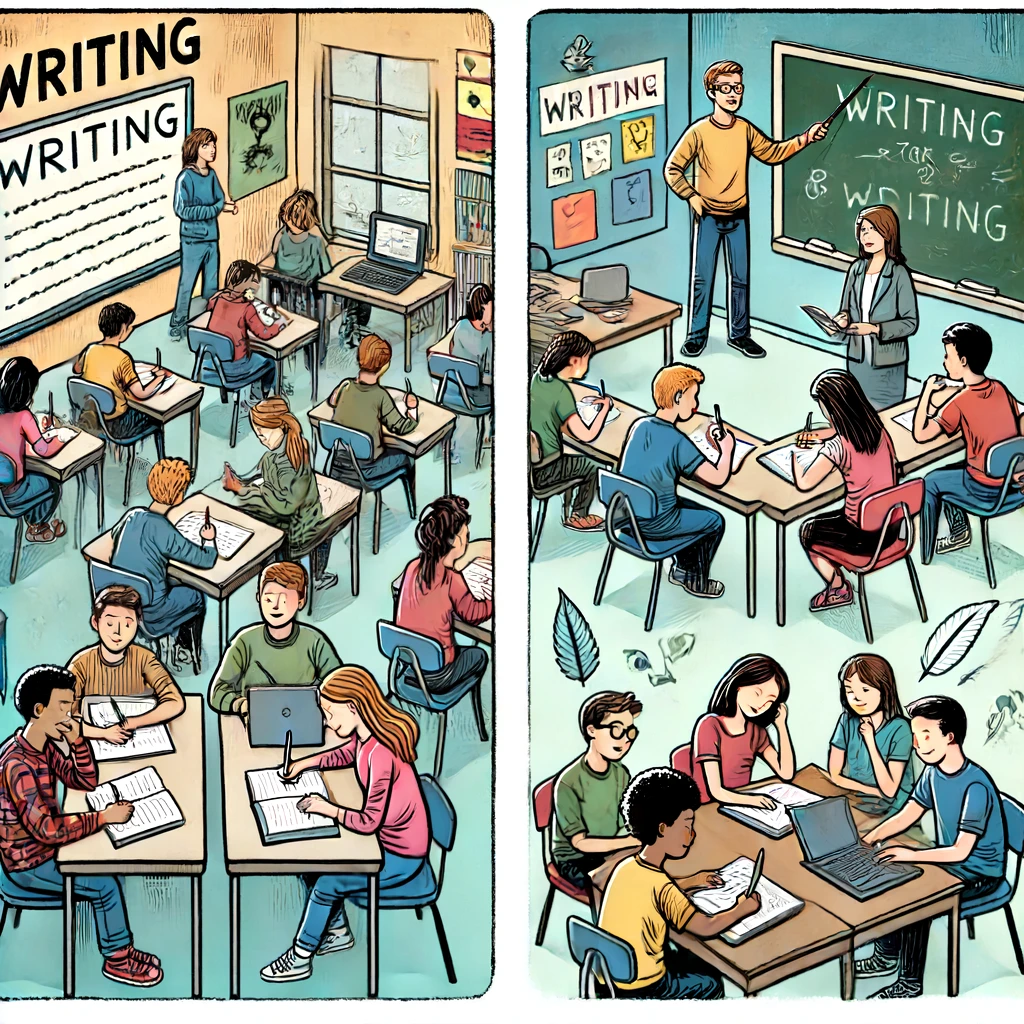
Welcome to your journey of mastering written English! Writing, particularly in another language, can be a daunting mountain to climb. However, developing your English writing skills opens up myriad opportunities for communication, academic advancement, and professional growth. This article aims to provide useful, practical tips for improving your English writing skills.
Imagine enrolling at a university, starting a new job, or even traveling the world and being able to communicate effectively with people from different cultures. The ability to write well in English is a key asset in these scenarios. But where should you start, and how can you improve? Don’t worry; you’re not alone. Many English learners have successfully improved their writing skills by implementing a few strategic practices and utilizing helpful resources.
In this article, we’re going to break down those strategies in an easy-to-understand manner. From understanding basic grammar rules to expanding your vocabulary, we’ll cover all the essentials that will make your writing better. So, grab a notebook and a pen, or open a new document on your computer, and let’s dive into these essential tips for enhancing your English writing skills.
Understand Basic Grammar and Sentence Structure
Before diving deep into the art of writing, it’s crucial to have a solid grasp of basic grammar and sentence structure. Think of grammar as the framework of your writing; without it, your text will likely collapse. Grammar rules are the guidelines that give your sentences meaning and coherence.
Understanding the nine parts of speech—nouns, pronouns, verbs, adjectives, adverbs, prepositions, conjunctions, articles, and interjections—is a great starting point. Knowing how to use these elements correctly will improve not just single sentences but the overall structure of your paragraphs and essays.
Subject-verb agreement is another vital area. Always ensure that your subject and verb match in number (singular or plural). For instance, “He runs” is correct, while “He run” is incorrect. Similarly, learn the proper usage of tenses to denote past, present, and future actions clearly.
Additionally, get accustomed to punctuation marks such as the period (.), comma (,), question mark (?), exclamation mark (!), and others. Punctuation helps convey the right emotion and structure in your writing. Misplaced punctuation can alter the meaning of your sentences, leading to confusion.
Expand Your Vocabulary
A rich vocabulary allows you to express your thoughts more precisely and colorfully. One way to build your vocabulary is by reading regularly. Diverse reading materials—novels, newspapers, blogs, and academic articles—expose you to new words and context on how to use them.
Using a thesaurus can also help you find new synonyms for commonly used words, adding variety to your writing. However, be cautious not to overuse complex words just to sound sophisticated; clarity is key.
Word games and vocabulary apps are also excellent tools. Playing games like Scrabble, Wordle, or using apps like Duolingo and Quizlet can make learning new words enjoyable.
Finally, try to use the new words you learn in your writing. This practice not only reinforces your memory but also makes your writing more dynamic. Whether you’re sending an email, writing an essay, or even jotting down a journal entry, consciously incorporate new vocabulary words into your work.

Practice Regularly
Practice, as they say, makes perfect. Set aside dedicated time every day to write. This practice doesn’t have to be extensive; even 15-30 minutes can make a significant difference over time.
Try different forms of writing to keep things interesting and to expose yourself to diverse styles. Write diary entries, emails, blog posts, or short stories. The more variety you include, the better you’ll become at adapting your writing to different contexts.
Consider joining a writing group or taking a writing class. These communities offer not only structured practice but also constructive feedback, which is invaluable for improvement. If joining a group isn’t feasible, online forums and writing platforms can provide similar benefits.
Set specific, achievable goals for your writing sessions. For instance, focus on mastering a particular grammar rule, expanding your vocabulary with five new words, or practicing writing complex sentences. Over time, these small goals will collectively enhance your overall writing ability.
Seek Feedback and Revise
Feedback is an essential component of learning. Don’t hesitate to ask teachers, mentors, or even peers to review your work. Constructive criticism can pinpoint areas you need to improve and highlight your strengths.
Revising is as important as writing the initial draft. Always reread your work, even aloud, to catch errors and awkward phrasing. Look for weaknesses in structure, grammar, and clarity. If something doesn’t sound right, don’t hesitate to rewrite it.
Using writing tools and software can also be beneficial. Tools like Grammarly or Hemingway Editor offer real-time suggestions for improving grammar, sentence structure, and readability. While these tools are helpful, don’t rely on them entirely. Use them as aids to improve your skills rather than as crutches.
Keep a log of the feedback you receive and the common mistakes you make. This habit will turn you into a more focused writer, aware of your typical pitfalls and equipped to avoid them in future writing.
Read and Analyze Good Writing
Reading well-written material not only expands your vocabulary but also exposes you to effective writing styles and techniques. Whether it’s classic literature, modern novels, nonfiction, or journalism, immerse yourself in high-quality writing.
Analyze what makes a piece of writing good. Pay attention to how authors structure their sentences, develop their ideas, and use transitions. Notice their grammar, vocabulary, and how they punctuate their sentences.
Imitate the techniques you admire. While copying someone’s style verbatim is plagiarism, borrowing techniques and adapting them to your writing is how most great writers learn and improve.
Keep notes or a reading journal to jot down interesting phrases or techniques you come across. Reflect on why these elements stood out to you and how they can be incorporated into your writing.
Maintain a Positive Attitude
Developing writing skills in a new language is challenging, and it’s easy to get discouraged. Maintaining a positive attitude is crucial for sustained progress.
Celebrate small milestones. Whether it’s correctly using a new vocabulary word or getting positive feedback on a piece, acknowledge your achievements. These small victories can be quite motivating.
Understand that making mistakes is part of the learning process. Instead of fearing errors, view them as opportunities for growth. Each mistake you correct brings you closer to mastering the language.
Stay consistent and patient. Improvement doesn’t happen overnight, and you’ll likely experience plateaus. Regular practice and a positive mindset will help you push through these periods.
Surround yourself with supportive individuals who encourage your learning journey. Engage in conversations with other learners, share your challenges, and celebrate each other’s successes.
Conclusion
Improving your English writing skills is a journey that requires time, effort, and a strategic approach. By understanding basic grammar, expanding your vocabulary, practicing regularly, seeking feedback, reading and analyzing good writing, and maintaining a positive attitude, you’ll find yourself making substantial progress.
Remember that writing is both an art and a skill. Like any other skill, it improves with practice and dedication. Don’t be discouraged by the challenges. Each step you take gets you closer to becoming a more proficient English writer.
Finally, always keep in mind why you’re learning English and what you hope to achieve. Whether it’s for personal, academic, or professional reasons, a strong command of written English will open numerous doors for you.
Keep writing, keep learning, and most importantly, enjoy the journey. Your efforts will pay off, and the satisfaction of expressing yourself clearly and effectively in English will be well worth it.





