
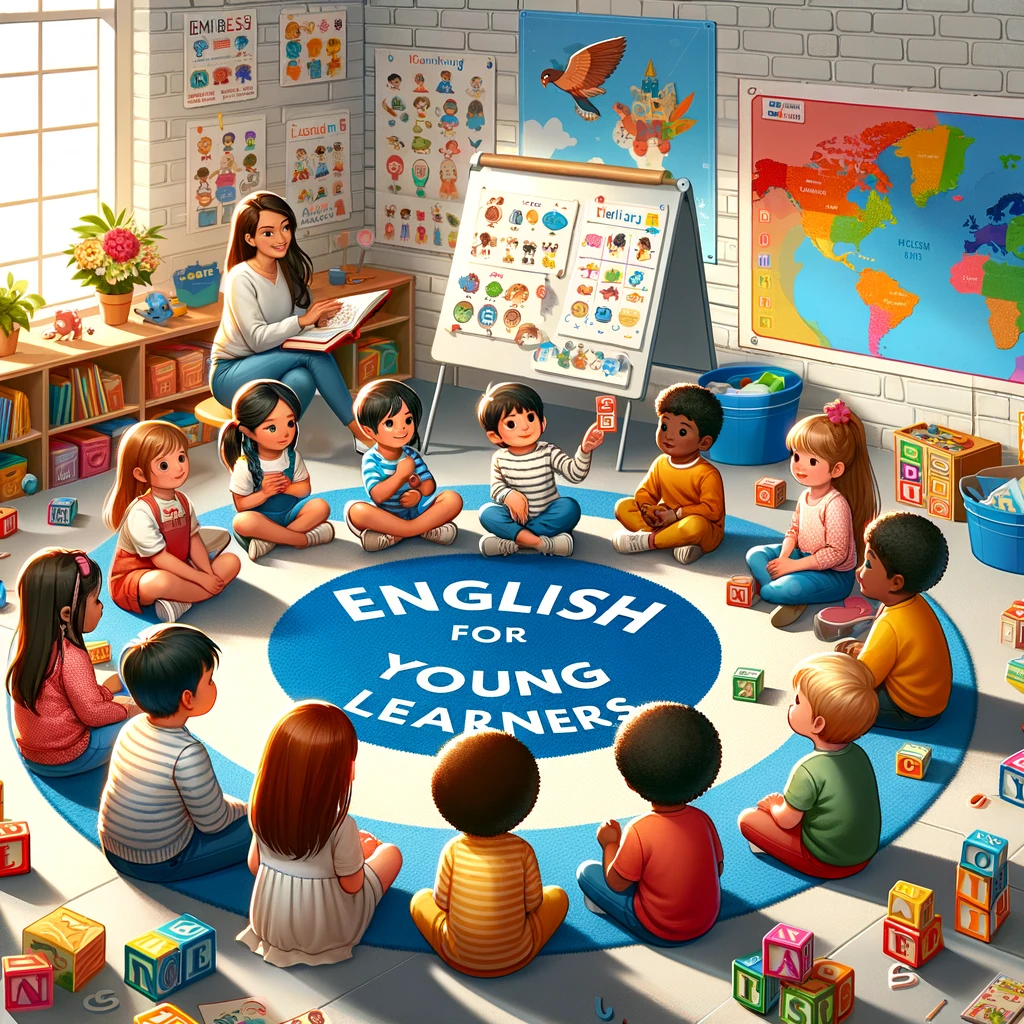
International Youth Day, observed annually on August 12th, is a significant event recognizing the potential of youth as partners in today’s global society. It’s an opportunity to raise awareness about issues facing our young generation and to celebrate their achievements. In the realm of education, particularly English as a Second Language (ESL), this day holds immense importance. English, as a global lingua franca, plays a crucial role in the development and empowerment of young minds across diverse cultures and countries. This article delves into the significance of ESL education for young learners, providing insights and strategies for effective language learning.
The Importance of English in Today’s World
English has transcended its geographical origins to become a global means of communication, pivotal in various sectors including business, science, technology, and education. For young learners, proficiency in English opens doors to a myriad of opportunities, allowing them to connect with peers worldwide, access a vast pool of knowledge, and enhance their future career prospects.
Bridging Cultural Gaps
Learning English goes beyond mastering grammar and vocabulary. It is about understanding and appreciating diverse cultures and perspectives. For young learners, this fosters empathy, tolerance, and a broader worldview, essential in our increasingly interconnected world.
Enhancing Cognitive Abilities
Research has shown that learning a second language like English at a young age can enhance cognitive abilities. It improves memory, problem-solving skills, and even creativity, thus contributing to the overall intellectual development of a child.
Celebrating Diversity on International Youth Day
International Youth Day is not just a celebration but a reminder of the diversity and potential of young minds globally. In ESL classrooms, this day can be commemorated by integrating activities that highlight cultural diversity and the importance of English as a tool for global connectivity.
Activities and Strategies
- Cultural Exchange Sessions: Organize sessions where students can share about their culture, traditions, and languages. This enhances cultural sensitivity and encourages respect for diversity.
- Role-Playing: Have students enact scenarios from different cultures using English. This improves their language skills in a fun, engaging way.
- Global Pen Pals: Connect your classroom with another classroom in a different country. This not only improves English proficiency but also gives students firsthand experience in using English as a communication tool across cultures.
Teaching English to Young Learners: Methods and Best Practices
When teaching English to young learners, it’s crucial to understand their unique learning needs and styles. Children are naturally curious and learn best when they are actively engaged and having fun.
Engaging Methods
- Interactive Games and Activities: Incorporate language games, songs, and stories to make learning fun and memorable.
- Use of Technology: Utilize educational apps and online resources to make lessons more interactive and appealing to tech-savvy young learners.
- Project-Based Learning: Implement projects that require use of English, fostering practical language skills and teamwork.
Fostering an Inclusive Environment
An inclusive classroom environment is vital for effective learning, especially in ESL settings. Teachers should strive to:
- Encourage Participation: Ensure all students feel comfortable to participate, regardless of their language proficiency.
- Provide Support: Offer additional support to students who may be struggling, including one-on-one sessions or tailored learning materials.
- Celebrate Progress: Recognize and celebrate each student’s progress, however small, to boost confidence and motivation.
Challenges and Solutions in ESL Education for Young Learners
While ESL education is beneficial, it’s not without challenges. Language barriers, cultural differences, and varying educational backgrounds can make ESL teaching a complex task.
Overcoming Language Barriers
- Visual Aids: Use pictures, charts, and videos to aid understanding.
- Simplified Language: Use clear, simple language and repeat key phrases to ensure comprehension.
- Peer Learning: Encourage students to help each other, fostering a supportive learning environment.
Addressing Cultural Differences
- Cultural Sensitivity Training: Educate teachers and students about cultural sensitivities to avoid misunderstandings.
- Inclusive Curriculum: Ensure the curriculum includes diverse cultural perspectives and is not biased towards any particular culture.
Handling Diverse Educational Backgrounds
- Differentiated Instruction: Tailor lessons to cater to different learning levels and styles.
- Continuous Assessment: Regularly assess students’ progress and adapt teaching methods accordingly.
Technology and Innovation in ESL Learning
The role of technology in ESL education cannot be overstated. Digital tools and resources have revolutionized the way English is taught and learned, making it more accessible, engaging, and effective.
Digital Tools and Resources
- Language Learning Apps: Apps like Duolingo, Babbel, and Rosetta Stone offer interactive ways to learn English.
- Online Platforms: Websites like BBC Learning English provide resources for both teachers and students.
- Virtual Classrooms: Online classes and webinars allow for remote learning, making English education accessible even in remote areas.
The Future of ESL Learning
The future of ESL education is likely to see greater integration of technology, personalized learning experiences, and perhaps even the use of artificial intelligence to tailor learning to individual student needs.

The Role of Parents and Guardians in ESL Education
The involvement of parents and guardians in a child’s ESL education is crucial. Their support and encouragement can significantly enhance the learning experience and outcomes for young learners.
Ways Parents Can Help
- Encouraging Practice at Home: Parents can create an English-speaking environment at home or encourage watching English children’s shows.
- Participation in Learning: Being involved in their child’s learning process, such as assisting with homework or participating in school activities, shows support and interest.
- Providing Resources: Offering access to books, educational games, and online resources in English can supplement classroom learning.
Building a Bridge Between Home and School
Communication between ESL teachers and parents is essential. Regular updates on progress and challenges help in forming a cohesive strategy for the child’s language development.
Incorporating English into Daily Life
For young learners, integrating English into daily life can greatly enhance language acquisition. This immersion technique helps in practicing English in practical, real-life contexts.
Everyday Practice
- English in Daily Routines: Encourage the use of English during daily activities like meals, playtime, or shopping.
- Language Immersion Activities: Plan outings or activities where English is the primary language, like visiting a library or attending an English-speaking event.
Understanding Different Learning Styles
Every child is unique in their learning style. Understanding these styles can help tailor ESL education to be more effective.
Types of Learners
- Visual Learners: Benefit from pictures, videos, and visual aids.
- Auditory Learners: Grasp more from listening to stories, songs, and conversations.
- Kinesthetic Learners: Learn best through physical activities and hands-on experiences.
Celebrating Success and Overcoming Setbacks
Recognizing and celebrating successes, no matter how small, is vital in keeping young learners motivated. Similarly, helping them overcome setbacks with encouragement and support is equally important.
Positive Reinforcement
- Recognition: Celebrate achievements in learning, like mastering new words or improving pronunciation.
- Constructive Feedback: Offer feedback that focuses on improvement rather than criticism.
Dealing with Challenges
- Encouraging Persistence: Teach students that setbacks are part of the learning process and encourage perseverance.
- Tailored Support: Provide additional support or resources for areas where a student struggles.
The Global Classroom: Connecting Through English
English connects young learners globally, creating a virtual international classroom. This global connectivity is a key aspect of ESL education, promoting cross-cultural understanding and collaboration.
Building Global Connections
- International Projects: Engage in projects with schools in different countries.
- Online Communities: Use forums and social media platforms for students to interact with peers worldwide.
The Future of ESL Education
The future of ESL education is bright, with new technologies and methodologies continually emerging. This evolving landscape promises more effective and accessible language learning opportunities for young learners across the globe.
Innovations on the Horizon
- Adaptive Learning Technologies: Software that adapts to a student’s learning pace and style.
- Global Collaborative Platforms: Online platforms facilitating collaboration between students from different parts of the world.
- Virtual Reality (VR) and Augmented Reality (AR): Tools providing immersive language learning experiences.
Preparing Young Learners for a Global Future
Ultimately, ESL education is about preparing young learners for a global future. It equips them with not only language skills but also cultural awareness and a global perspective, key components in today’s interconnected world.
ESL’s Role in Shaping Future Generations
- Developing Global Citizens: Through ESL, students learn to navigate and appreciate a world full of diverse cultures and viewpoints.
- Enhancing Career Opportunities: English proficiency opens up a wider range of career options in the global job market.
- Fostering Lifelong Learning: Encouraging a love for language learning can lead to lifelong educational pursuits and personal growth.
Conclusion
As we celebrate International Youth Day, it’s essential to recognize the transformative power of ESL education in the lives of young learners. By teaching English, we are not just imparting linguistic skills, but we are also bridging cultures, opening minds, and preparing a new generation for the challenges and opportunities of a globalized world. Let’s continue to innovate, inspire, and invest in the future of our youth through comprehensive, inclusive, and engaging ESL education. Here’s to empowering the next generation of global citizens, one English lesson at a time.





