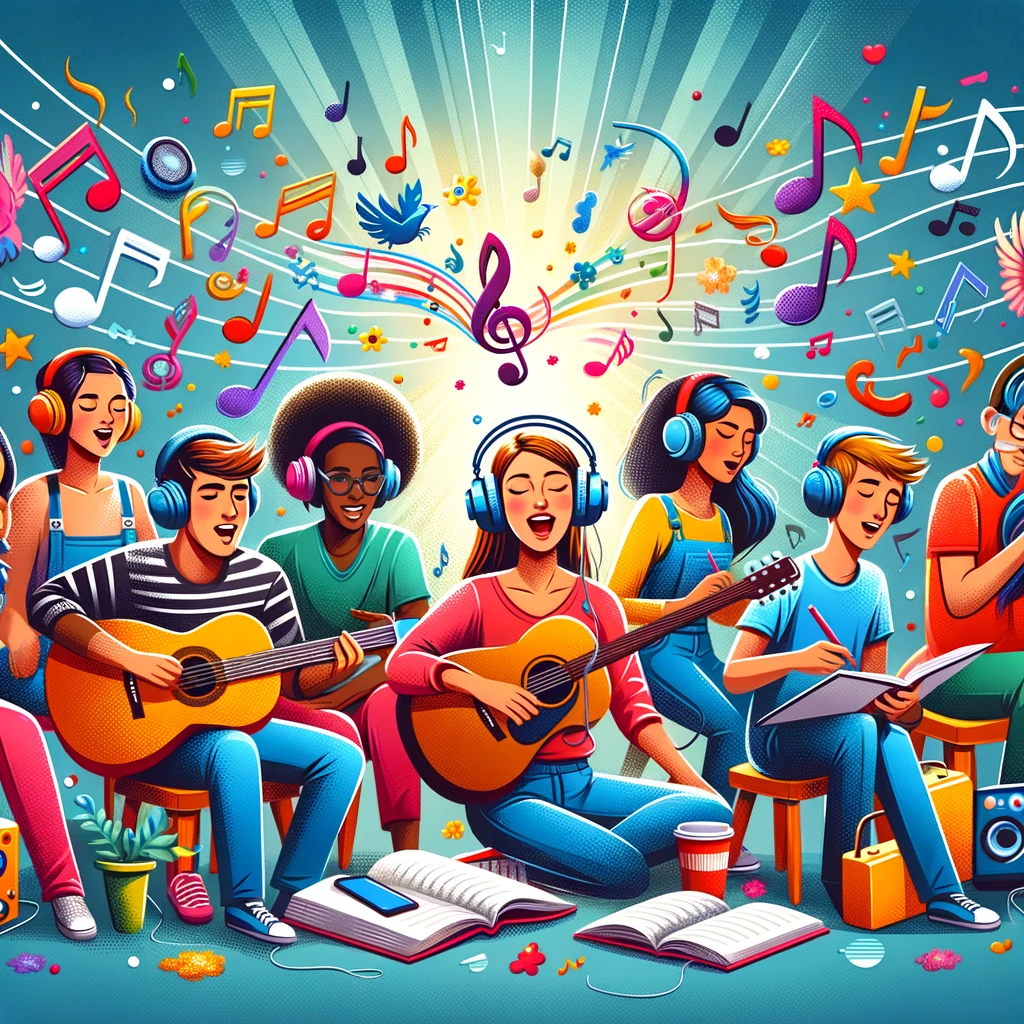
Introduction: The Value of Community Meetups for ESL Learners
Engaging in community meetups is an invaluable step for ESL learners aiming to improve their language proficiency and cultural understanding. Meetups offer a chance to practice English in real-world scenarios, providing more than just academic language skills. The structured yet casual setting of community meetups yields an environment where learners can boost their confidence and adaptability while integrating various dialects and nuances. As attendees interact with native speakers and fellow ESL learners, they gain experiential insights into cultural idioms, colloquialisms, and variances, making it a potent tool in language acquisition.
The foundation of successful participation in meetups is effective communication. This article explores numerous conversation starters ESL learners can employ. Balancing language skills with cultural sensitivity is crucial, as interactions encompass not just pronunciation and grammar but also empathy, attentiveness, and the ability to engage meaningfully. By the end of this reading, ESL learners will be equipped with an array of strategies to enhance their conversational prowess, creating memorable and productive meetup experiences.
Building connections through community meetups transcends language barriers, as they facilitate a shared cultural exchange that enriches both language learners and native speakers. Further, these gatherings are platforms for ESL learners to refine skills that contribute to both personal and professional growth. An understanding of effective conversation starters serves as a stepping stone toward achieving these aspirations, giving learners the tools to maximize each meetup opportunity.
Why Conversation Starters Matter
Conversation starters play a pivotal role in meetups by encouraging active engagement and fostering a sense of belonging among participants. They help ESL learners initiate and sustain dialogues, mitigating the initial awkwardness that can surface when meeting new people. In the context of language learning, these starters are not mere icebreakers but essential components in developing fluency and confidence. When ESL learners equip themselves with the right conversation starters, they signal openness and eagerness to learn, which helps in establishing a positive rapport with native speakers.
Furthermore, conversation starters offer ESL learners a framework to guide their discussions. This framework is particularly beneficial when language barriers create hesitation or uncertainty. Well-chosen prompts can stimulate meaningful exchanges, leading to insightful cultural discussions that go beyond surface-level interactions. By crafting thoughtful and adaptable conversation starters, ESL learners can engage with diverse groups, thereby honing their ability to navigate different conversational contexts skillfully.
Choosing Effective Conversation Starters
Selecting the most appropriate conversation starters requires a nuanced approach, taking into account varying cultural contexts and individual personalities. One size does not fit all, and this notion is crucial for ESL learners to understand. By aligning their conversation starters with the specific interests and backgrounds of their interlocutors, learners can cultivate lively and constructive dialogues.
For instance, open-ended questions that allow for expansive answers are particularly useful in sustaining conversations. These questions encourage English language learners to practice longer replies, enhancing their vocabulary and comprehension skills. Simple questions like “What do you like most about living here?” or “Can you recommend any good local restaurants?” not only invite detailed responses but also demonstrate the learner’s interest in gaining cultural insights.
Moreover, ESL learners should aim for sensitivity when choosing conversation starters. Cultural norms and personal boundaries can vary widely, and realizing the impact of questions on different individuals is vital. ESL learners should steer clear of overly personal or potentially controversial topics unless they know their conversation partners well. By showing respect and consideration, learners create an inviting ambiance that facilitates genuine and respectful exchanges.
Preparation and Practice
The process of preparing conversation starters involves more than just memorization; it encompasses research and contextual understanding. ESL learners benefit immensely from exploring topics related to the community they are engaging with. This preparation helps them feel more confident and informed, adding depth to their interactions. By staying informed about local events, cultural norms, and community interests, learners find commonalities that serve as organic conversation starters.
Practicing these conversation starters prior to meetups is equally critical. Role-playing scenarios with peers or language partners can simulate the flow of real interactions, allowing learners to refine their delivery and adapt their approach based on feedback. This practice helps alleviate nervousness and bolsters their readiness to engage in spontaneous discussions during actual meetup events.
Additionally, participating in online forums or language exchange platforms can serve as a valuable rehearsal space. Using digital platforms enables learners to connect with native speakers globally, offering them diverse perspectives and opportunities to test their conversation starters in varied contexts. Engaging with individuals from multiple cultural and linguistic backgrounds sharpens ESL learners’ adaptability, preparing them for a wide range of meetup environments.
Navigating Cultural Nuances
Understanding and respecting cultural nuances forms the backbone of effective communication for ESL learners engaging in meetups. Each culture has unique conversational customs and etiquettes that must be observed to avoid misunderstandings. By educating themselves on cultural contexts, learners can tailor their conversation starters to resonate more deeply with their interlocutors, thereby creating meaningful connections.
Emphasizing active listening is one method ESL learners can use to navigate cultural nuances successfully. Conversations thrive when both parties feel heard and respected. Learners should practice listening attentively, which not only helps them grasp linguistic subtleties but also reflects their openness and respect for the speaker’s views and experiences.
Another pivotal consideration is adapting communication styles to suit the cultural expectations of the group. This might involve adjusting the level of formality, the pacing of speech, and their body language to align with their interlocutors. Understanding these cultural signals helps learners gauge what conversation starters are suitable and prompts more favorable interactions.
Practical Conversation Starters for ESL Learners
ESL learners looking to make the most out of community meetups can benefit from structuring their conversations around simple yet effective starting points. These starters should be crafted to encourage dialogue, curiosity, and a two-way exchange of knowledge.
Topic-based conversation starters such as inquiring about hobbies or interests often result in lively discussions. Questions like “What hobbies do you enjoy outside of work?” or “Which genre of movies or books do you prefer?” allow learners to explore common interests or discover new ones. Such inquiries not only break the ice but also foster a deeper exploration of topics shared among the participants.
Another useful approach is to engage in discussions about recent news or local events. Conversation starters such as “Did you catch the latest headlines about…?” or “Are there any exciting events happening in town soon?” provide fertile ground for informative exchanges. These questions demonstrate the learner’s initiative to engage with the community actively and stay informed, while also inviting diverse viewpoints from native speakers.
Personal anecdotes are powerful tools for ESL learners to enrich conversations, offering a touch of individual perspective when appropriate. Sharing brief stories like “In my hometown, we celebrate New Year’s with…” can spark cross-cultural dialogue, allowing all parties to learn from each other and appreciate their unique backgrounds.
Overcoming Challenges in Conversation
Challenges are inevitable in the language learning journey, but they also present growth opportunities. At community meetups, ESL learners might encounter difficulties such as miscommunications due to language barriers, moments of misunderstanding, and the complexities of group dynamics.
One way to overcome these challenges is by fostering resilience and focusing on the broader conversation rather than dwelling on mistakes. ESL learners are encouraged to seek clarifications through phrases like “Could you please rephrase that?” or “I didn’t quite catch that. Could you explain?” Such phrases show a willingness to learn and adapt, which is appreciated by native speakers.
In instances where discussions become complex, learners should not hesitate to express interest and ask follow-up questions. Showing curiosity not only aids language comprehension but also demonstrates an authentic desire to grasp the intricacies of the conversation. This approach eases potential tension and exhibits the learner’s enthusiasm for effective communication.
Lastly, it is essential for ESL learners to embrace vulnerability and acknowledge their language challenges openly. By doing so, they pave the way for empathetic and constructive feedback from native speakers and more seasoned learners. Building a supportive network within community meetups fosters a collaborative and encouraging environment where learners can thrive.
Conclusion: Harnessing Meetups for ESL Mastery
In conclusion, participating in community meetups serves as an extraordinary catalyst for ESL learners aspiring to master conversational English. Through strategic preparation and the implementation of effective conversation starters, learners experience exponential growth in both language skills and cultural literacy. Choosing suitable conversation starters that align with the interests and backgrounds of interlocutors elevates interactions, transforming meetups into valuable learning arenas.
As learners engage in intelligent and respectful discussions, they gain not just linguistic prowess but also deepen their cultural understanding. Each interaction at a community meetup is a stepping stone that contributes to personal growth, professional opportunities, and a broader global perspective. Through these engagements, ESL learners build confidence and forge meaningful connections that transcend linguistic boundaries.
The journey of obtaining conversational fluency demands persistence and active participation. By approaching each meeting with openness and an inquisitive mindset, ESL learners harness the full potential of meetups to accelerate their learning journeys. Infusing each conversation with curiosity and respect allows both learners and native speakers to enrich each other’s experiences, setting the stage for lifelong learning and collaboration.
Ultimately, community meetups are not merely language practice sessions but avenues for discovery and connection. By maximizing these opportunities, ESL learners unlock remarkable pathways to fluency and achieve a profound appreciation of the intricacies within the English language and its diverse speakers.