

Language learning is a journey marked by various stages of growth, exploration, and mastery. One potent way to enhance English vocabulary for English as a Second Language (ESL) students is by tapping into the rich tapestry of seasonal words. The beauty of the seasons isn’t just in their visual splendor but also in the language that depicts them. The rhythmic cycle of spring, summer, autumn, and winter presents an enticing opportunity to delve deep into thematic vocabulary that’s both enriching and practical. As students progress, the changing seasons offer a steady stream of new vocabulary that naturally integrates into their daily conversations and narrations.
Seasonal vocabulary is not just a collection of isolated words; it’s a dynamic aspect of language directly tied to specific times of the year, cultural events, and natural phenomena. Imagine the excitement and relevance of learning words like “blossom” in spring, “sunburn” in summer, “harvest” in autumn, and “frost” in winter. These words are imbued with context, making them easier to remember and use effectively. Through this thematic learning approach, students can better grasp the multifaceted aspects of English, deliciously layered with seasonal nuances.
In this comprehensive guide, we’ll explore different strategies and tips that not only expand seasonal vocabulary but also integrate it seamlessly into a broader linguistic framework. From engaging activities to immersive experiences, let’s navigate through the year while enhancing our English proficiency. The beauty of these seasonal words lies in their universality and relevance, making the learning process feel natural and meaningful. Whether you’re a student or an educator, diving deep into seasonal vocabulary can invigorate your language journey, making it both educational and enjoyable.
Spring: The Season of Renewal and Rejuvenation
Spring is a season brimming with life, color, and renewal. As flowers bloom and the world awakens from its winter slumber, there is an abundance of new vocabulary to explore. Words associated with spring often carry a sense of rebirth and vitality. Common terms like “blossom,” “bud,” “sprout,” and “thaw” evoke the essence of this season. Embracing these words can help ESL students describe their surroundings with greater precision and beauty.
Integrating spring vocabulary can be both fun and educational. Consider incorporating nature walks into your lessons, where students can observe and describe the changes they see. Encourage them to use new words in sentences, whether through journaling or storytelling. Spring-themed activities such as planting seeds, creating art based on seasonal colors, or writing poems about springtime landscapes can reinforce the language in a memorable way.
Additionally, exploring cultural aspects of spring can provide a deeper understanding of its significance. Festivals like Easter, Holi, and Qingming in various cultures offer a treasure trove of new words and concepts. Discussing these celebrations can introduce students to customs and traditions that enrich their cultural perspective while expanding their vocabulary. Activities may include researching and presenting about these festivals, creating related crafts, or cooking traditional springtime dishes.
Utilizing multimedia resources, like videos and songs about spring, can also enhance learning. Visual and auditory stimuli can make the new vocabulary more relatable and enjoyable. Remember, the key to effective vocabulary acquisition is relevance and repetition. By immersing students in spring-themed content, the words become not just learned but lived, etched into their active vocabulary.
Summer: The Season of Sunshine and Adventure
Summer is synonymous with warmth, leisure, and outdoor fun. It’s a time when nature is in full bloom and people engage in a wide array of activities. Consequently, the season provides a wealth of new vocabulary to learn. Words like “sunburn,” “beach,” “hydrate,” “barbecue,” and “vacation” are all part of the summer lexicon. These terms are not only practical for everyday conversation but also imbued with a sense of season-specific excitement.
To weave summer vocabulary into ESL lessons, start by discussing common summer experiences. This could include trips to the beach, picnics in the park, or family vacations. Encourage students to share their own summer stories, using new words to describe their activities and experiences. This kind of personal engagement makes the vocabulary more meaningful and memorable.
Interactive projects can also be highly effective. For instance, students could create travel brochures for their favorite summer destinations, complete with descriptions of the weather, activities, and sights to see. Another engaging idea is organizing a mock summer camp where students can practice new words through role-playing different camp activities such as hiking, swimming, or setting up a tent.
Summer is also an excellent time to delve into literature and media that revolve around warm-weather themes. Books, movies, and songs that capture the essence of summer can be both entertaining and educational. Discussing characters’ adventures and activities allows students to use the season-specific vocabulary in context, reinforcing their understanding and retention.
Ultimately, summer learning should feel as bright and lively as the season itself. By intertwining vocabulary lessons with enjoyable experiences and creative projects, you can ensure that students remain engaged and enthusiastic.
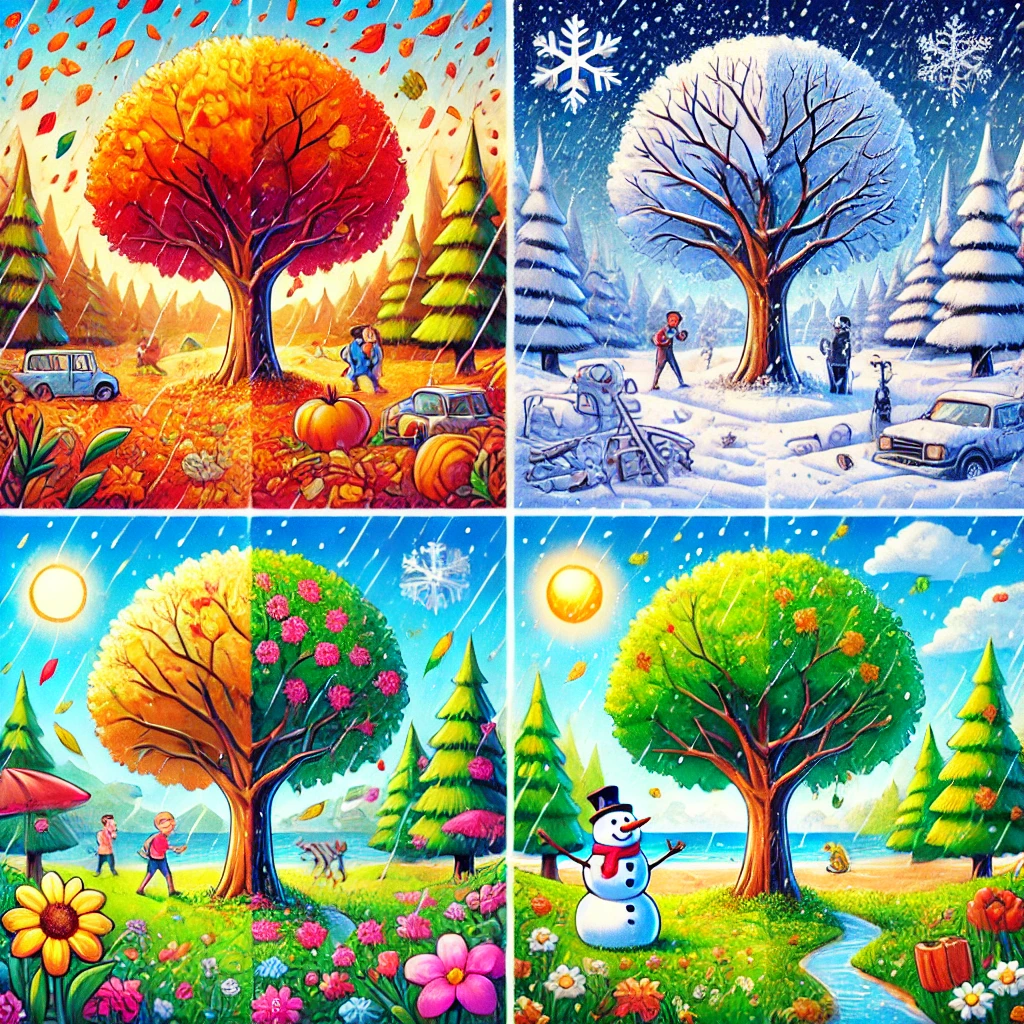
Autumn: The Season of Harvest and Transformation
Autumn, or fall, is a season of change, as the landscape transforms with vibrant hues and cooler temperatures. This season is ripe with vocabulary associated with nature, harvest, and cultural festivities. Common autumn words include “harvest,” “leaf,” “pumpkin,” “scarecrow,” and “chilly.” These terms not only describe the physical environment but also the various activities and celebrations unique to this time of year.
Incorporating autumn vocabulary into ESL lessons can be a fruitful endeavor. Start by discussing the observable changes in nature. Encourage students to describe the colors and textures they see in the environment, such as leaves turning from green to orange, or the crisp air signaling the onset of cooler weather. This can be done through nature walks, photography projects, or painting sessions, where students use new words to describe their artwork.
Highlighting autumnal activities and traditions can also enrich vocabulary lessons. Discuss harvest-related events like apple picking, pumpkin carving, and Thanksgiving. These activities provide opportunities for hands-on learning, where students can physically engage with the objects and practices they’re learning to describe. Projects such as creating an autumn recipe booklet or crafting a scarecrow can reinforce the vocabulary while fostering creativity.
Autumn is also a wonderful time to explore literature and poetry that capture the season’s essence. Reading and analyzing poems about fall can introduce students to more descriptive and metaphorical language. Short stories set in autumn, whether for children or adults, can offer context for vocabulary while sparking discussions about plot and character development.
Winter: The Season of Frost and Festivity
Winter is a season of contrasts, marked by cold weather and warm celebrations. It brings with it a unique set of words that describe the season’s harshness and its beauty. Common winter terms include “frost,” “snowflake,” “fireplace,” “cozy,” and “huddle.” These words paint vivid pictures of the season and are often associated with specific sensory experiences.
To incorporate winter vocabulary into ESL lessons, begin by discussing the physical changes that come with the season. Have students describe a snowy landscape, the sensation of cold air, or the warmth of a fireplace. These descriptions can be practiced through various exercises, such as writing descriptive paragraphs, drawing winter scenes, or creating mood boards with winter-themed images and words.
Festivals and holidays are significant parts of the winter season, and they offer rich opportunities for vocabulary enhancement. Discussing events like Christmas, Hanukkah, and New Year’s Eve can introduce students to a broad range of words related to celebration, tradition, and family. Activities like creating holiday greeting cards, writing wish lists, or organizing a classroom celebration can make learning more interactive and fun.
Winter is also an opportune time to explore literature that features snowy settings and holiday themes. Classic tales like “The Snowman” or “A Christmas Carol” provide rich context for winter vocabulary and can be used to discuss broader themes and moral lessons. Songs and movies centered around winter festivities can also add an auditory and visual dimension to the learning process.
Integrating Seasonal Words into Daily Practice
Integrating seasonal words into daily ESL practice ensures that students don’t just learn new vocabulary but also use it effectively. Here are some strategies to make seasonal vocabulary a consistent part of language learning:
Create Thematic Word Lists: Encourage students to maintain vocabulary lists categorized by season. This can serve as a quick reference and a way to track their learning progress over the year.
Use Flashcards and Apps: Digital tools like flashcard apps can make repetitive learning engaging. Create seasonal vocabulary sets that students can review regularly, incorporating images and sentences for context.
Incorporate Words into Daily Conversations: Prompt students to use new seasonal words in their daily conversations, whether during class discussions, group projects, or casual chats. This contextual usage helps cement the vocabulary.
Seasonal Journals: Have students maintain a journal where they write about their experiences and observations related to the current season. Encourage the use of new vocabulary to describe their thoughts and feelings.
Seasonal Projects and Displays: Organize classroom projects that revolve around the current season. Display student work, such as poems, stories, or art pieces, to create a seasonal-themed environment that continually introduces new words.
Seasonal Reading and Listening Materials: Provide access to books, articles, and multimedia content that are themed around the current season. This constant exposure helps students see how seasonal words are used in different contexts.
By integrating these words into everyday activities and practices, students can seamlessly enhance their vocabulary, making it a natural part of their language repertoire.
Conclusion: The Timeless Value of Seasonal Vocabulary
Seasonal vocabulary serves as a dynamic and enriching component of ESL education. It’s a part of language that connects students to the natural world, cultural traditions, and the rhythmic flow of time. By delving into words associated with spring, summer, autumn, and winter, learners gain not just linguistic proficiency but also a deeper appreciation for the world around them.
Each season brings its unique charm and a set of vocabulary that enriches communication and expression. From the budding blossoms of spring to the frosty splendor of winter, these words encapsulate experiences, sights, and feelings that are universal yet uniquely personal. As students learn these terms, they are not just expanding their word bank but also acquiring the tools to describe their world more vividly and accurately.
For educators, incorporating seasonal vocabulary into lessons offers a way to keep learning relevant and engaging. It provides a natural structure for curriculum planning and opens avenues for creative and immersive activities. Whether through nature exploration, cultural celebrations, or multimedia experiences, there are countless ways to bring these words to life.
For students, the journey of learning seasonal vocabulary is an adventure of discovery and growth. It makes the process of language acquisition more relatable and enjoyable, tying new words to familiar and observable phenomena. This relevance boosts retention and fosters a love for learning.
Embrace the changing seasons as an opportunity to expand your English vocabulary. Let the beauty of each time of year inspire you to learn, explore, and describe the world with greater fluency and enthusiasm. Through seasonal words, we find not just new terms, but new ways to see, feel, and communicate our experiences.





