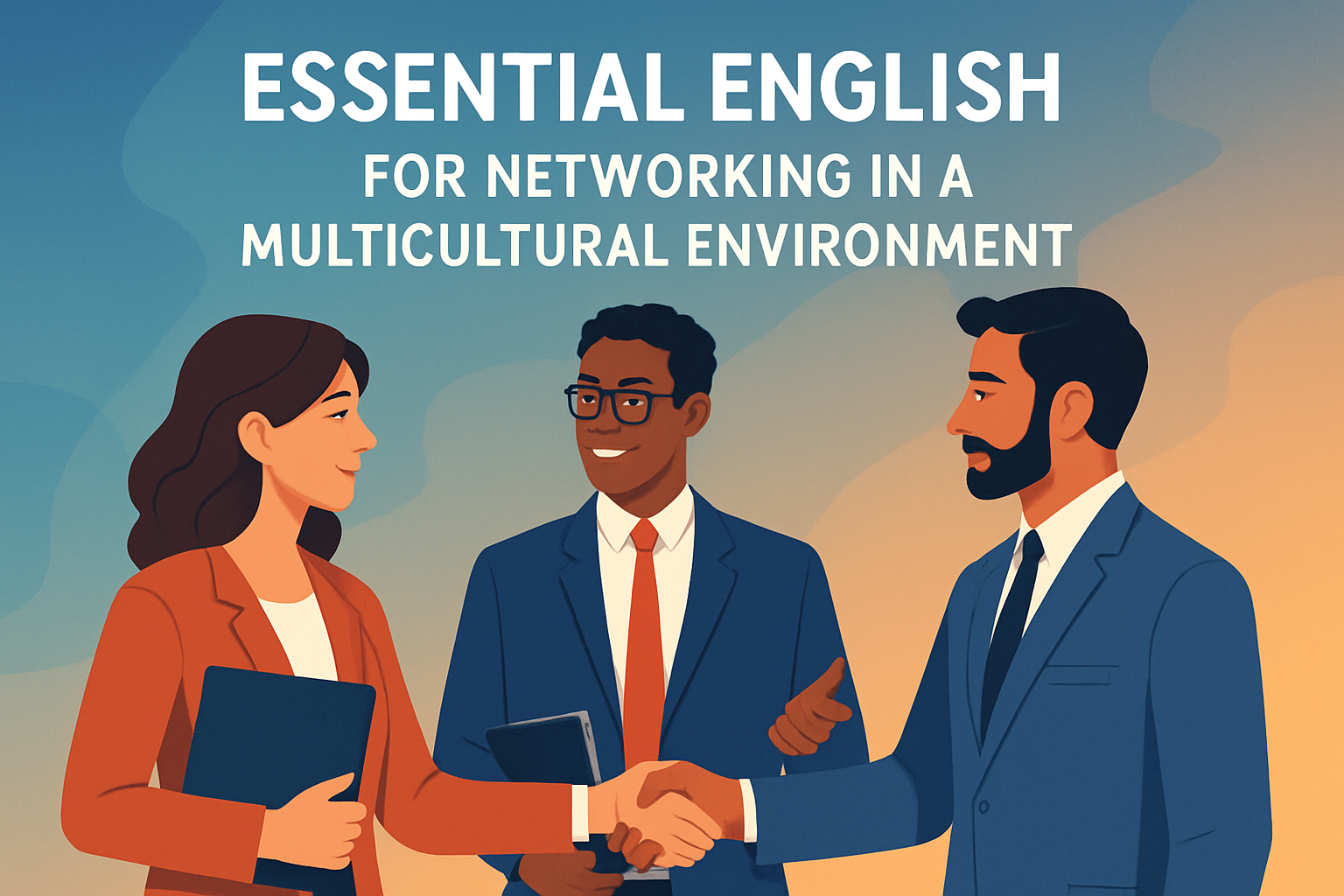
In today’s increasingly globalized world, networking has become a crucial skill. The ability to connect and communicate effectively across diverse cultural backgrounds is essential in both personal and professional contexts. English serves as a lingua franca, a common tongue that enables people from different countries and cultures to engage and collaborate. This article examines the importance of mastering essential English for networking in a multicultural environment.
Networking in a multicultural environment involves more than just speaking fluently; it requires understanding cultural nuances and adapting communication styles. Key terms in this context include “cross-cultural communication,” which refers to the process of recognizing and adjusting to communication practices of different cultures, and “networking,” the act of establishing and nurturing valuable relationships. Proficiency in these areas empowers individuals to build influential networks, foster collaboration, and capitalize on opportunities that emerge in globalized settings.
Whether you are navigating an international conference, working in a multicultural team, or simply connecting with friends from around the world, the ability to use English effectively is pivotal. This article will explore essential English skills and practical strategies for successful networking across cultures, enabling you to enhance your intercultural communication and maximize your networking potential.
Understand and Use Culturally Appropriate Greetings
First impressions matter, and the way you greet someone can set the tone for your entire interaction. Different cultures have varied customs when it comes to greetings, and understanding these differences is crucial. In English-speaking countries, a handshake is a common form of greeting. However, in other cultures, greetings might include a bow, a nod, or even a cheek kiss.
For example, in Japan, a bow is a traditional greeting that reflects respect and attentiveness. When Japanese businesspeople communicate in an international setting, they often adapt by incorporating a handshake. Being aware of these nuances and using the appropriate greeting can help build rapport and prevent misunderstandings.
Enhance your greetings by learning common phrases in English that resonate well globally. Phrases such as “Nice to meet you,” “How are you?” and “Thank you” are universally appreciated. These simple exchanges show politeness and respect, crucial traits in networking situations. Learning to say “hello” and “thank you” in the local language of your colleagues can also demonstrate respect and an effort to connect culturally.
Mastering the Art of Small Talk
Small talk often initiates a deeper conversation and serves as a bridge to more meaningful exchanges. Mastering this art is essential in a multicultural environment, especially in English-centric settings where small talk is a social norm. Topics for small talk may include the weather, current events, or shared interests like sports or hobbies.
Consider a scenario where you attend a global tech conference. Initiating a conversation with a simple comment about the venue, for example, “This conference hall is impressive, isn’t it?” can seamlessly break the ice. However, it’s crucial to be sensitive to cultural differences regarding personal topics. While discussing the weather is universally safe, enquiring about family or personal finances might be inappropriate in certain cultures.
Utilizing questions like “What brings you to this event?” or “How did you get involved in this industry?” opens the doors for deeper discussions. Small talk sets a friendly tone and helps discover commonalities, creating a foundation for long-lasting professional relationships.
Active Listening and Non-Verbal Cues
Effective networking isn’t just about speaking; active listening plays a significant role. Listening attentively not only ensures you understand the other person’s message but also demonstrates respect and interest. Active listening involves acknowledging the speaker, asking clarifying questions, and summarizing their points.
Non-verbal cues also form an integral part of communication. Eye contact, gestures, and body language vary greatly among cultures. While maintaining eye contact is perceived positively in most Western cultures, it can be considered disrespectful in some Asian cultures. Similarly, the physical space or proximity considered comfortable varies. Being aware of these non-verbal signals can prevent misinterpretations and foster a smooth interaction.
Here is an illustration of various non-verbal cues across cultures:
| Non-Verbal Cue | Western Culture | Asian Culture |
|---|---|---|
| Eye Contact | Sign of confidence | May be considered rude |
| Hand Gestures | Commonly used for emphasis | Some gestures may be offensive |
| Physical Proximity | Close interaction common | Greater personal space preferred |
Incorporate these elements into your communication to create effective and respectful exchanges.
Effective Use of Networking Etiquette
Networking etiquette varies across cultures but understanding its basics in English-speaking contexts is vital. Etiquette involves norms for interaction, such as punctuality, dress code, and conversational tone. Adhering to these norms reflects professionalism and respect for those you interact with.
Consider a business meeting in the United States. Timeliness is highly valued, so arriving on time or even a few minutes early demonstrates respect for others’ time. Dress codes, although becoming less formal, still hold significance; understanding whether a suit and tie or business casual attire is expected can impact first impressions.
Furthermore, the conversational tone is important; maintaining a balance between formality and friendliness is key. For example, while addressing someone with their title and last name is a sign of respect in formal settings, using first names can foster a more congenial atmosphere in networking events.
Incorporating proper etiquette in your interactions not only reflects cultural adaptation but also enhances the effectiveness of your networking efforts.
Cultural Sensitivity and Inclusive Language
Cultural sensitivity in communication involves recognizing and appreciating cultural diversity while avoiding stereotypes and assumptions. Inclusive language, on the other hand, ensures that everyone feels respected and valued, regardless of cultural background.
A practical application of this is using gender-neutral language where possible. Instead of saying “chairman,” use “chairperson” to avoid gender-specific communication. Similarly, avoiding idiomatic expressions that are culturally specific can make communication clearer and more inclusive. For instance, the phrase “the ball is in your court” may not resonate well with someone unfamiliar with tennis jargon.
By demonstrating cultural sensitivity, you show respect and openness, fostering an environment of trust and understanding. This approach not only enhances interactions but also strengthens your network by appealing to a broader, more diverse group.
Developing a Global Mindset
A global mindset fosters open-mindedness and adaptability in multicultural settings. It involves understanding global issues, appreciating cultural diversity, and acknowledging varying perspectives. Networking with a global mindset enables you to connect with individuals on a deeper level, recognizing and valuing their unique contributions.
Suppose you are part of a global project team. Embracing a global mindset allows you to approach challenges creatively, integrating diverse viewpoints to devise innovative solutions. Engaging in global discussions, exploring international news, and participating in cultural exchange programs enhance your perspective and networking capability.
Developing a global mindset not only enriches personal growth but also positions you as a valuable asset in multicultural professional environments.
Overcoming Language Barriers
In multicultural networking scenarios, language barriers can pose a challenge. Overcoming these barriers involves honing your English language skills and utilizing translation technologies when necessary.
Consider using tools like translation apps to assist with basic translations and interpreting services for formal interactions. However, focusing on improving your English proficiency is crucial. Practicing regularly through language courses, online platforms, and language exchange programs can enhance your fluency and confidence.
To illustrate, engage with English-based media such as podcasts, news articles, and movies to understand various accents and speech patterns. This exposure aids in sharpening listening skills and familiarizing oneself with different contexts of language use.
Adopting these strategies can break down language barriers, facilitating smoother communication and stronger networks.
Building Long-Lasting Cross-Cultural Relationships
Networking in a multicultural environment extends beyond initial interactions. Building long-lasting relationships involves sustained engagement, mutual respect, and a willingness to invest time and effort into maintaining connections.
One effective approach is to follow up with personalized messages after meetings or networking events, expressing appreciation for the interaction. Keeping in touch through professional platforms like LinkedIn allows you to share insights, congratulate achievements, and nurture connections over time.
For example, if you met a potential collaborator at a conference, sending a follow-up email such as “I enjoyed our discussion about sustainable practices and look forward to exploring potential collaborations” sustains the momentum of your initial interaction.
This ongoing relationship cultivation translates into a reliable support system, enriching both professional and personal realms and expanding your multicultural network.
Conclusion and Call to Action
Mastering essential English for networking in a multicultural environment is more than just a skill — it’s an invaluable asset in today’s interconnected world. By understanding and adapting to cultural nuances, enhancing communication techniques, and developing sensitivity, individuals can overcome barriers and create impactful connections.
The key takeaways from this article include recognizing the importance of culturally appropriate greetings, mastering small talk, active listening, and networking etiquette, and developing a global mindset. These skills not only enhance your networking capabilities but also strengthen your ability to collaborate in diverse environments.
As you venture into multicultural settings, consider your communication style and its adaptability across cultures. Embrace opportunities to exchange knowledge, experience, and foster long-term relationships that enrich your networking network. Begin by taking a language course or participating in a multicultural event, creating your path toward becoming a proficient networker in a global context.
Start today by implementing these strategies, and watch your network flourish in the dynamic world of multicultural interaction.
Frequently Asked Questions
1. Why is English considered essential for networking in a multicultural environment?
English has solidified its role as the lingua franca of the modern world, especially in professional networks that span multiple cultures and nations. When we talk about a multicultural setting, we are referring to an environment where individuals from distinct cultural backgrounds come together, each bringing their own language and cultural nuances. English acts as a bridge in these settings, mitigating potential communication barriers. By having a common language, people can express their thoughts, ideas, and innovations more clearly, fostering collaboration and strategic partnerships. Moreover, English proficiency often correlates with improved cross-cultural understanding, allowing individuals to be more receptive to different viewpoints and practices. The ease with which ideas can be exchanged in English can lead to more dynamic and productive networking opportunities, making it an incredibly valuable skill in multicultural environments.
2. How does understanding cultural nuances enhance networking effectiveness?
Understanding cultural nuances is crucial for effective networking as it goes beyond mere language fluency, tapping into the subtleties that govern social interactions in diverse settings. Cultural nuances encompass a range of elements including communication styles, body language, etiquette, and even humor. For instance, while certain cultures prize direct communication and view it as a sign of transparency, others may prefer a more indirect approach to avoid confrontation and maintain harmony. Similarly, gestures and body language that are acceptable in one culture might be considered impolite in another. By comprehending these nuances, you can tailor your communication to be culturally sensitive and respectful, which in turn builds trust and rapport with your peers. This cultural literacy demonstrates a genuine interest and respect for other cultures, often leading to more meaningful and long-term connections. Essentially, understanding cultural nuances equips you to navigate complex social landscapes more adeptly, making your networking efforts far more effective.
3. What practical steps can one take to improve English skills specifically for networking?
Improving your English for networking specifically involves honing skills that facilitate clear and effective interaction. Start by enhancing your vocabulary with terms and phrases commonly used in professional and multicultural communications. Engaging in activities like reading business-related articles, watching interviews or speeches, and practicing conversation through language exchange platforms can be particularly beneficial. Additionally, focus on refining your listening skills to ensure you can accurately grasp the nuances in conversations. Another crucial step is to understand and practice appropriate email and messaging etiquette, as these are key components of professional networking. Consider joining English language forums or groups online where you can practice networking language in a controlled setting. Finally, seek feedback from native speakers or professionals who are already adept at networking in English; their insights can provide practical guidance and boost your confidence. By consciously engaging in these activities, you can significantly improve your command of English for successful networking.
4. What role does technology play in modern networking, and how can English proficiency optimize its use?
Technology plays a transformative role in modern networking by connecting people across vast distances instantly and efficiently. Digital platforms like LinkedIn, virtual conferences, webinars, and professional social media have revolutionized how networking is conducted. In these digital arenas, English is often the default language, given its global reach. Proficiency in English not only broadens your access to these platforms but also allows you to communicate more effectively and professionally. English skills ensure you can articulate your ideas clearly in written and spoken forms, making it easier to engage in discussions, share content, and contribute meaningfully to virtual communities. Moreover, participating in online forums, webinars, and live events conducted in English can expand your professional network and open doors to diverse international opportunities. Ultimately, technology, paired with strong English proficiency, creates a synergistic effect that maximizes networking potential in our digitally connected world.
5. How can I overcome cultural and language barriers while networking in English?
Overcoming cultural and language barriers is a challenge many face in multicultural environments, yet it is possible through deliberate effort and open-mindedness. Begin by actively listening and showing a willingness to learn about others’ cultural backgrounds. Such an attitude highlights respect and openness, which are essential in bridging gaps. In terms of language, do not be afraid to ask for clarification or repetition if something is unclear; it shows your intent to understand wholly and accurately. Practicing patience and empathy is also crucial as it helps in navigating misunderstandings without friction. Engaging in cultural exchange and language programs can provide practical exposure and insight into different cultural and linguistic dynamics. By continuously enhancing your cultural competence and English language proficiency, you not only improve your networking abilities but also enrich personal and professional interactions across diverse contexts. Remember, successful networking is as much about forming genuine connections as it is about language, so focus on authenticity and respect in all interactions.