Effective communication in healthcare settings is crucial for ensuring high-quality patient care and fostering professional collaboration. For ESL (English as a Second Language) learners, mastering these skills can be particularly challenging but immensely rewarding. This article will guide you through essential communication skills needed in healthcare, providing practical tips and strategies to enhance your proficiency.
1. Understanding Medical Terminology
Medical Vocabulary: Familiarize yourself with common medical terms, diagnoses, procedures, and medications. Create flashcards or use apps designed for medical vocabulary to build your knowledge base.
Pronunciation and Usage: Pay attention to the correct pronunciation and context in which medical terms are used. Practice with a native speaker or use online resources to ensure accuracy.
2. Effective Listening Skills
Active Listening: Practice active listening by fully concentrating, understanding, responding, and then remembering what is being said. This skill is vital when interacting with patients, their families, and colleagues.
Clarification: Don’t hesitate to ask for clarification if you don’t understand something. Phrases like “Could you please repeat that?” or “I’m sorry, I didn’t catch that” can be very helpful.
3. Clear and Concise Speaking
Simple Language: Use simple and clear language when explaining medical information to patients. Avoid jargon and ensure that your explanations are easy to understand.
Pace and Tone: Speak at a moderate pace and use a friendly tone. This can help in reducing anxiety and ensuring that your message is well received.
Use of Non-Verbal Cues: Body language, facial expressions, and gestures can greatly enhance your communication. Ensure that your non-verbal cues are consistent with your verbal messages.
4. Writing Skills
Documentation: Accurate and clear documentation is critical in healthcare. Practice writing patient notes, reports, and emails. Pay attention to spelling, grammar, and medical terminology.
Templates and Forms: Familiarize yourself with common templates and forms used in healthcare settings. This can save time and ensure that you provide all necessary information.
5. Cultural Sensitivity and Empathy
Understanding Cultural Differences: Be aware of cultural differences that may affect communication. Respect diverse backgrounds and be open to learning about different cultural practices and beliefs.
Empathy: Show empathy and understanding towards patients and their families. Use phrases that convey compassion, such as “I understand how you feel” or “I’m here to help.”
6. Patient Education
Teaching Skills: Educate patients about their conditions, treatment options, and medications in a way that they can easily understand. Use visual aids, pamphlets, and simple language to enhance understanding.
Check for Understanding: After providing information, check for understanding by asking patients to repeat back what they have learned. This ensures that they have correctly understood the information.
7. Professional Interaction
Team Communication: Effective communication with healthcare team members is essential for providing coordinated care. Participate actively in team meetings, handovers, and interdisciplinary discussions.
Conflict Resolution: Learn strategies for resolving conflicts professionally. Use phrases like “I understand your point of view” or “Let’s find a solution that works for everyone.”
8. Telephone Skills
Phone Etiquette: When communicating over the phone, speak clearly and professionally. Identify yourself, state the purpose of your call, and listen carefully to the other party.
Taking Messages: Practice taking and relaying messages accurately. Ensure that you note down all relevant information, including names, contact details, and the message content.
9. Handling Emergencies
Staying Calm: In emergency situations, staying calm and composed is crucial. Clear and effective communication can make a significant difference in patient outcomes.
Giving Clear Instructions: Provide clear and concise instructions to patients, their families, and other healthcare team members. Ensure that everyone understands their roles and responsibilities.
10. Continuous Learning
Professional Development: Engage in continuous learning to improve your communication skills. Attend workshops, webinars, and training sessions related to medical communication.
Feedback: Seek feedback from colleagues and mentors to identify areas for improvement. Use this feedback constructively to enhance your skills.
Practical Tips for Enhancing Communication Skills
- Practice Regularly: Regular practice is key to improving your English communication skills. Engage in conversations with native speakers, join language exchange programs, or participate in online forums.
- Use Technology: Utilize language learning apps, online courses, and medical dictionaries to build your vocabulary and improve your pronunciation.
- Watch Medical Shows: Watching medical TV shows or movies in English can help you familiarize yourself with medical terminology and common phrases used in healthcare settings.
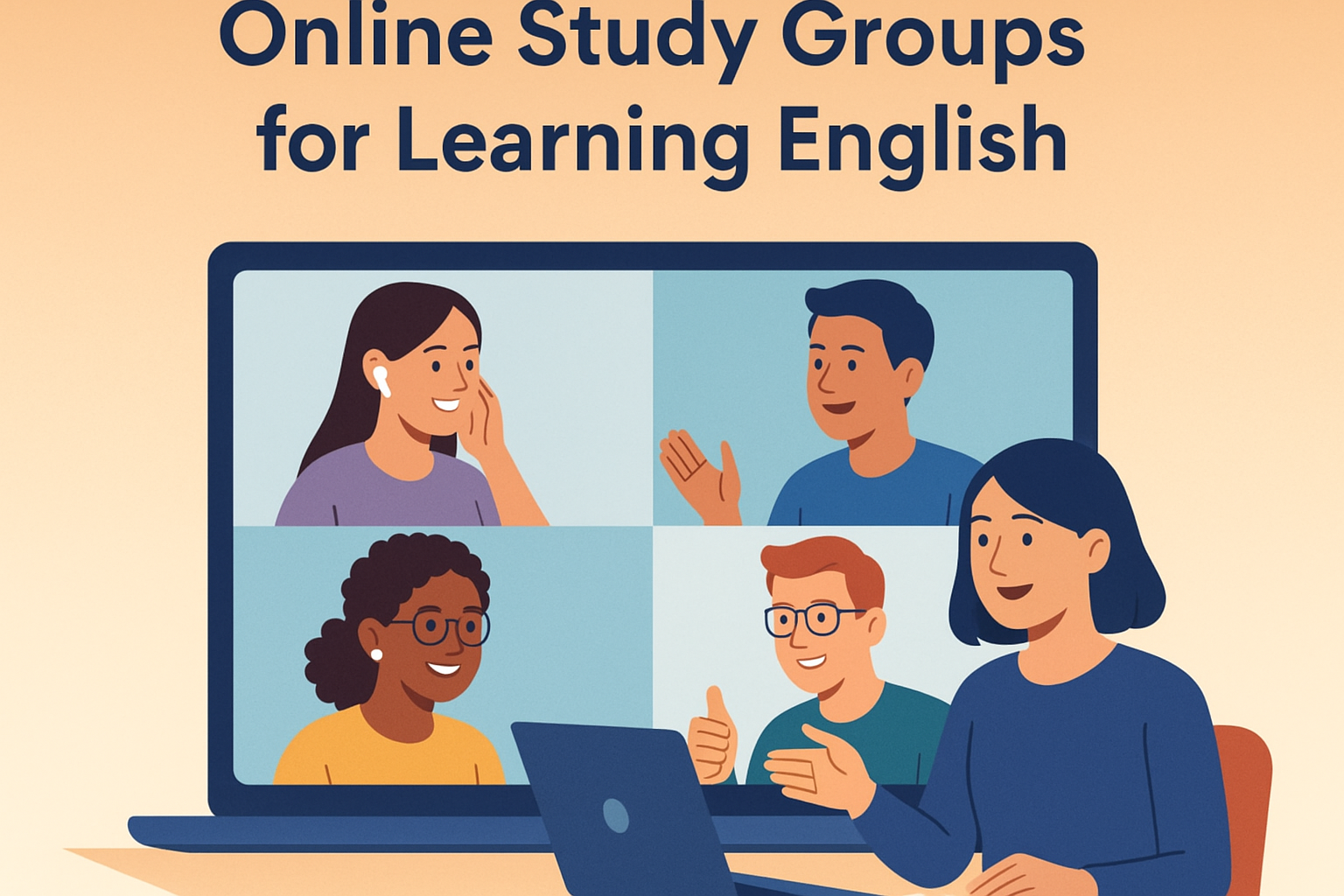
- Join Study Groups: Form or join study groups with fellow ESL learners. Discussing medical topics and practicing communication skills together can be very beneficial.
- Record Yourself: Record your conversations or presentations and review them to identify areas for improvement. Pay attention to your pronunciation, pace, and clarity.
- Read Aloud: Reading medical texts aloud can help improve your pronunciation and fluency. Choose articles, books, or journals related to healthcare to practice.
- Role-Playing: Engage in role-playing exercises with colleagues or language partners. Simulate real-life healthcare scenarios to practice your communication skills in a safe environment.
- Mindfulness: Practice mindfulness techniques to manage stress and anxiety, which can affect your communication. Deep breathing, meditation, and positive visualization can help you stay calm and focused.
Mastering English communication skills in healthcare is essential for providing high-quality patient care and fostering effective professional collaboration. By focusing on medical terminology, listening and speaking skills, writing proficiency, cultural sensitivity, and continuous learning, ESL learners can enhance their ability to communicate effectively in healthcare settings. Implementing the practical tips provided in this article will help you build confidence and competence in using English in your healthcare career.
Additional Resources for ESL Healthcare Communication
To further support your journey in mastering English for healthcare, here are some additional resources that can be incredibly beneficial:
1. Online Courses and Tutorials
Coursera and edX: Both platforms offer courses specifically designed for healthcare communication. Look for courses like “English for Healthcare Professionals” or “Medical English.”
YouTube: There are numerous YouTube channels dedicated to teaching medical English. Channels such as “English for Medical Professionals” provide free tutorials and practice exercises.
2. Medical English Textbooks
“Oxford English for Careers: Medicine” by Sam McCarter and Marie McCarter: This book provides comprehensive coverage of medical terminology and communication skills.
“Professional English in Use: Medicine” by Eric Glendinning and Ron Howard: Another excellent resource for improving medical English, with practical exercises and real-life scenarios.
3. Language Exchange Programs
Tandem and HelloTalk: These apps connect you with native English speakers who are learning your native language. It’s a great way to practice speaking and listening in a relaxed, informal setting.
4. Professional Organizations
American Medical Writers Association (AMWA): Offers resources and networking opportunities for those interested in medical writing and communication.
International Association of Medical Science Educators (IAMSE): Provides resources for educators and learners in the medical sciences.
5. Practice Materials
Flashcards: Use flashcards to memorize medical terms and their definitions. Apps like Anki or Quizlet can be useful for this purpose.
Patient Scenarios: Practice with simulated patient scenarios. Many medical schools and training programs provide access to these resources, which can be extremely helpful for real-world practice.
6. Healthcare Simulations
Simulation Labs: If you have access to a simulation lab, take advantage of it. These labs provide realistic practice environments where you can hone your communication skills.
Virtual Simulations: Online platforms like Body Interact offer virtual patient simulations that help improve clinical decision-making and communication skills.
7. Feedback and Assessment
Peer Feedback: Engage in peer review sessions where colleagues can provide feedback on your communication skills. Constructive criticism can help you identify and work on weak areas.
Self-Assessment Tools: Use self-assessment tools and checklists to evaluate your progress. Tools like the Intercultural Development Inventory (IDI) can help assess your cultural competence.
8. Mentorship
Find a Mentor: Having a mentor who is experienced in healthcare communication can provide guidance, support, and valuable insights. Mentors can help you navigate the complexities of medical English and professional interactions.
Join Professional Networks: Engage with professional networks and communities, such as LinkedIn groups focused on healthcare communication. Networking can provide opportunities for learning and professional growth.
Conclusion
Mastering English communication skills in healthcare is an ongoing process that requires dedication, practice, and the use of a variety of resources. By integrating the tips and strategies discussed in this article and utilizing the additional resources provided, you can enhance your ability to communicate effectively in healthcare settings. This will not only improve patient care but also foster better collaboration with your colleagues.
Remember, effective communication is key to success in healthcare. Keep practicing, stay open to feedback, and continuously seek opportunities for improvement. With time and effort, you will become a proficient and confident communicator in your healthcare career.