
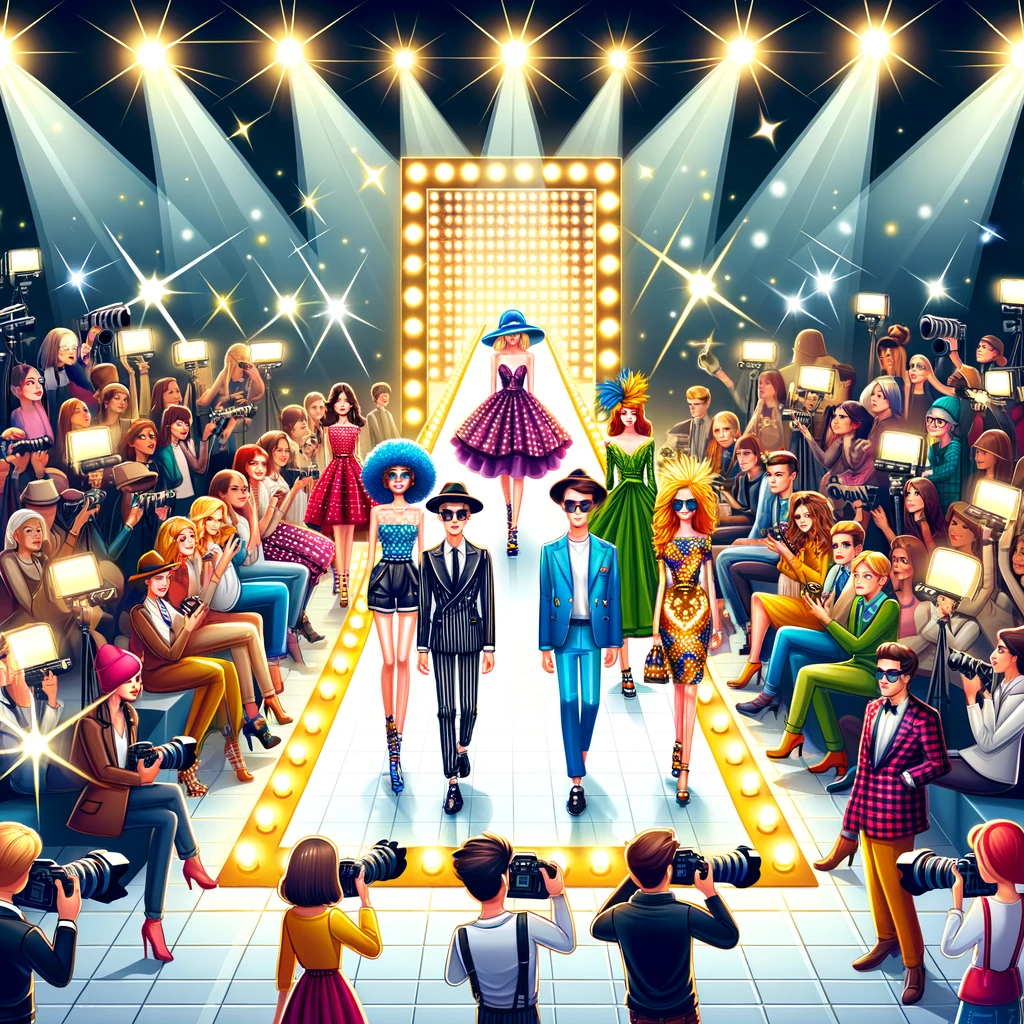
The fashion industry is a global enterprise, characterized by its diversity and rapid evolution. However, one common thread ties it all together: the necessity of English. While fashion itself is a universal language spoken through clothing and design, English serves as an essential tool for communication and growth in this dynamic field. This article explores the pivotal role of English in the world of fashion, particularly for those learning it as a second language (ESL), and provides actionable tips for sharpening these vital skills.
English as the Lingua Franca of Fashion
English has established itself as the lingua franca of the fashion industry. With major fashion hubs in New York, London, Milan, and Paris, English often becomes the default mode of communication. Negotiating deals, attending international fashion weeks, networking with top designers, and marketing products globally all commonly occur in English. For non-native speakers, mastering English can open unparalleled opportunities in the fashion world, from internships and collaborations to launching global brands.
Networking and Collaboration
Networking is the lifeblood of the fashion industry. Building relationships with designers, suppliers, buyers, and fashion journalists can significantly impact your career trajectory. English proficiency allows you to communicate effectively and professionally, whether you’re at a fashion week event, a trade show, or even conversing over social media. Consider this scenario: You’re an up-and-coming designer from a non-English-speaking country. You’ve been invited to showcase your collection at New York Fashion Week. While your designs may speak for themselves, your ability to engage with potential buyers, press, and colleagues in English can make or break your success. This involves not only basic conversational skills but also an understanding of industry jargon and cultural nuances.
Marketing and Branding
Marketing is an integral part of any successful fashion brand. English is often the language of choice for global marketing campaigns, social media engagement, and e-commerce platforms. Strong English skills can help you articulate your brand story compellingly, engage with a broader audience, and optimize your online presence. For example, crafting a captivating Instagram post, blog entry, or product description requires a good command of English. Consumers worldwide are influenced by blogs, social media, and newsletters written in English. By mastering English, you can expand your reach and impact, attracting a more diverse customer base.
Design and Production
Even in the technical realms of design and production, English plays a crucial role. Fashion design programs, both online and offline, often have resources, textbooks, and courses available primarily in English. Understanding these materials can accelerate your learning and skill development. Moreover, collaborating with international manufacturers or suppliers will likely involve English communication. Precision is key in conveying your design specifications, ensuring that your vision is accurately translated into the final product.
Industry Publications and Trends
Keeping up with industry trends and news is essential for staying relevant in fashion. Many leading fashion publications, such as Vogue, Harper’s Bazaar, and Business of Fashion, publish primarily in English. Proficiency in English allows you to access these resources directly, staying informed about the latest runway trends, business insights, and market shifts. Additionally, fashion trend forecasting reports, often penned in English, are critical for designers and brands aiming to stay ahead of the curve. Being able to interpret these reports can inform your design choices and business strategies, positioning you competitively in the market.
Education and Certifications
For ESL learners, enhancing your English skills can be a stepping stone to advanced education and certification opportunities in fashion. Many top fashion schools worldwide offer programs in English, such as the Fashion Institute of Technology (FIT) in New York, Central Saint Martins in London, and Polimoda in Florence. Attending such institutions not only provides top-tier education but also affords a prestigious credential that can significantly boost your career prospects. Mastery of English enables you to meet entry requirements, participate actively in classes, and truly maximize the benefits of these programs.
Practical Tips for Sharpening English Skills in Fashion
1. Immersive Learning
Watch Fashion Shows and Documentaries: Watching fashion shows and industry documentaries in English helps you pick up specific terminology and enhances your listening skills.
Follow English Fashion Influencers: Engaging with content from fashion influencers who speak English can familiarize you with conversational slang and the latest terminology.
2. Professional Development
Attend Workshops and Seminars: Participate in fashion-related workshops and seminars conducted in English. This provides a dual benefit of professional learning and language practice.
Network in English: Seize every opportunity to network in English, whether online or at events. Platforms like LinkedIn and Clubhouse offer spaces where you can engage with fashion professionals and practice your language skills.
3. Educational Resources
Online Courses: Websites like Coursera, Udemy, and edX offer courses in both fashion and English language skills. Enroll in specialized courses that cater to ESL learners in the fashion industry.
Reading and Research: Make a habit of reading English fashion magazines, blogs, and industry reports. This improves vocabulary and keeps you informed about current trends.
4. Writing and Communication
Practice Writing: Regularly write fashion-related content in English, such as blog posts, social media updates, or even fictional press releases. This hones your writing skills and helps you learn to articulate brand stories effectively.
Language Exchange Programs: Engage in language exchange programs where you practice English with native speakers who want to learn your language. This mutual learning can be incredibly beneficial.
5. Feedback and Improvement
Seek Feedback: Don’t hesitate to seek feedback on your English from colleagues or mentors in the fashion industry. Constructive criticism can pinpoint areas for improvement.
Language Apps: Utilize language learning apps like Duolingo, Babbel, or Rosetta Stone to refine your skills. These apps offer structured lessons and immediate feedback to help you progress.
Conclusion
English serves as a cornerstone in the global fashion industry, facilitating communication, networking, education, and marketing. For ESL learners aspiring to excel in fashion, investing in English skills is a strategic move that can propel your career to new heights. By immersing yourself in the language, leveraging educational resources, and actively engaging in the global fashion community, you can sharpen your English skills and unlock vast opportunities in this vibrant and competitive field. Embrace English as a tool to articulate your creativity, narrate your brand story, and connect with the world. The more proficient you become, the more doors you’ll open, allowing your talent and passion for fashion to shine on the global stage.





