

Learning English as a second language (ESL) can be both an exciting and challenging endeavor. For auditory learners, who thrive by hearing and listening, there are specific strategies that can significantly enhance the learning process. By tapping into their natural strengths, auditory learners can make their language acquisition journey smoother and more effective.
Understanding Auditory Learners
Auditory learners have a unique way of processing information. They learn best by listening and are more likely to remember details when they hear them spoken aloud. These learners benefit immensely from lectures, discussions, and audio resources. By recognizing and understanding these traits, ESL instructors can tailor their teaching methods to better suit auditory learners. Auditory learners often excel in environments where they can listen to and engage in conversations. They find it easier to remember words, sentences, and even complex ideas when they are spoken.
This learning style also means auditory learners might struggle more with activities that rely solely on visual or tactile cues unless the information is also communicated verbally. To maximize their learning potential, auditory learners should immerse themselves in environments rich with spoken English. Whether through formal instruction or casual conversation, the frequency and quality of auditory exposure can make a significant difference in their language acquisition process.
Utilizing Audio Resources
One of the most effective strategies for auditory learners is the use of audio resources. These include podcasts, audiobooks, language learning apps, and music. By listening to native speakers, learners can develop their pronunciation, intonation, and rhythm. Audio materials also expose learners to various accents and dialects, broadening their comprehension skills. Podcasts cater to every interest imaginable, and choosing topics that intrigue the learner can make the learning process enjoyable. Audiobooks allow learners to hear proper pronunciation and emotion in language, bridging gaps that reading alone cannot fill.
Language learning applications often provide audio lessons, quizzes, and interactive exercises designed specifically for improving listening skills. Incorporating music into the learning routine offers a fun and engaging way to pick up new vocabulary and phrases. Learners can choose songs in English, focusing on understanding the lyrics and practicing singing along to improve their pronunciation. By diversifying the types of audio content, auditory learners can continually challenge themselves and keep their learning experience fresh and interesting.
Engaging in Conversations
Active engagement in conversations is paramount for auditory learners. Participating in discussions, whether in-person or online, allows learners to practice their speaking and listening skills in real-time. Language exchange partners, social language groups, and ESL conversation clubs provide excellent platforms for interactive learning. Regular conversation practice helps auditory learners become comfortable with the natural flow of English. It offers immediate feedback and the opportunity to refine their language skills.
Speaking with native or fluent English speakers also helps learners understand colloquial expressions, idioms, and cultural nuances that are often missed in formal lessons. Practicing conversation in various settings, such as casual chats, formal discussions, or even role-playing scenarios, can build confidence and fluency. By consistently participating in dialogues, learners can better grasp the complexities of English and develop their communication skills effectively.
Taking Advantage of Classroom Opportunities
In a classroom setting, auditory learners can maximize their learning by focusing on the auditory components of instruction. Listening attentively during lectures, engaging in class discussions, and participating in oral presentations are all beneficial activities. Taking audio notes or recording lectures (with permission) can also help reinforce the material covered in class. Engaging with classmates through study groups or discussion sessions outside of class can further enhance understanding.
Auditory learners benefit from hearing different perspectives and explanations of the same topic, which can solidify their grasp of the material. Classroom environments provide a structured yet interactive setting where auditory learners can thrive by leveraging their listening strengths.
Leveraging Technology
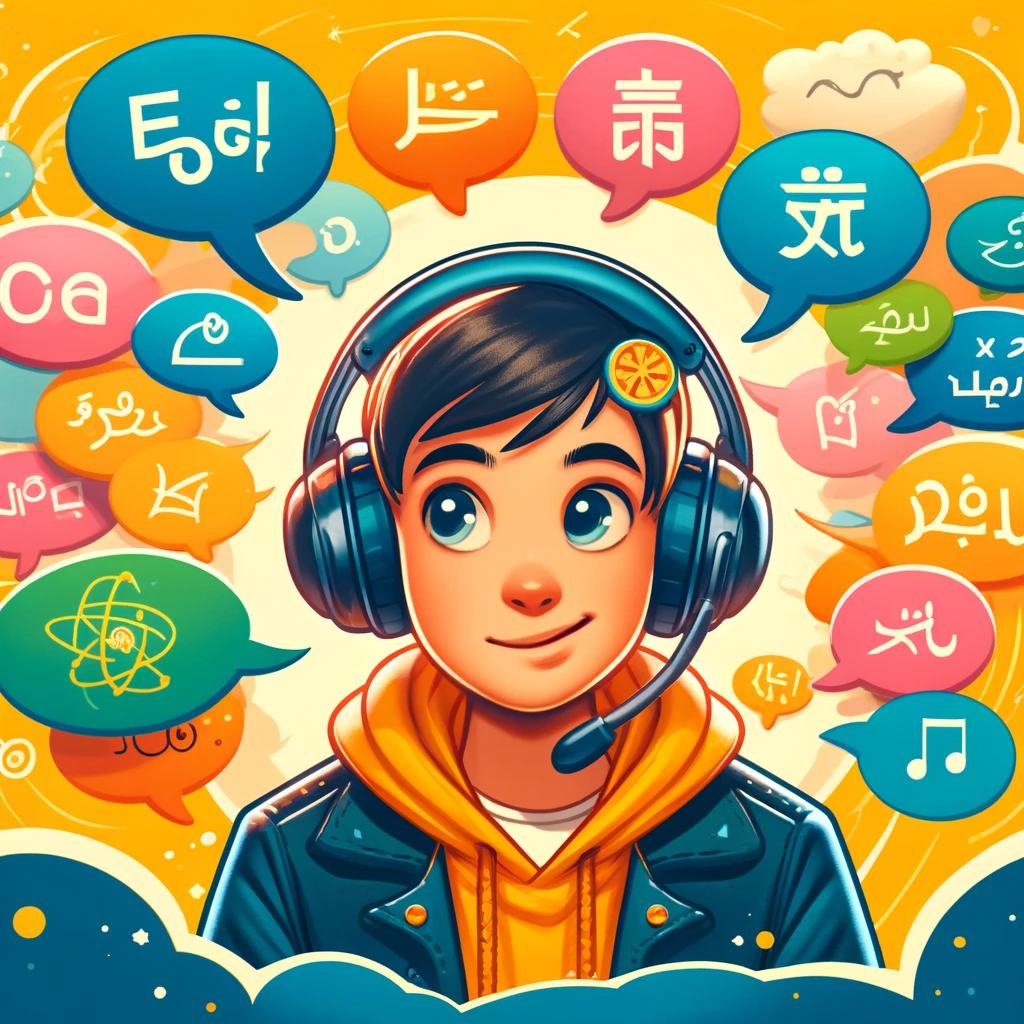
Modern technology offers a plethora of tools that can aid auditory learners in mastering English. Speech-to-text technology, for instance, allows learners to dictate their thoughts and see them transcribed, providing a dual auditory-visual learning experience. Interactive online courses equipped with audio lessons and pronunciation guides are also highly beneficial. Language learning apps often offer customizable listening exercises, pronunciation feedback, and dialogue simulations.
Social media platforms, such as YouTube, offer an extensive range of educational channels that cater to ESL learners. These platforms provide access to authentic English content and tutorials, helping auditory learners practice and refine their skills in an engaging manner. Consistently using these technological tools can create a rich learning environment that caters specifically to the needs of auditory learners. By integrating different kinds of tech resources, learners can diversify their auditory input and make significant strides in their language proficiency.
Practicing Active Listening
Active listening is a crucial skill for auditory learners. It involves fully engaging with the speaker, processing the information being conveyed, and responding thoughtfully. This practice can significantly improve comprehension and retention of spoken English. Learners can practice active listening by focusing on the speaker, avoiding distractions, and mentally summarizing the information being presented. Attending lectures, seminars, or webinars on various topics can provide excellent opportunities for honing this skill.
By asking questions and seeking clarification when needed, learners reinforce their understanding and keep the conversation dynamic. Engaging with diverse forms of spoken content, such as news broadcasts, podcasts, or interviews, also helps improve active listening abilities. These varied experiences challenge learners to adapt to different speaking styles and speeds, thereby enhancing their overall auditory comprehension.
Using Mnemonic Devices
Mnemonic devices such as rhymes and rhythm can be especially effective for auditory learners. These techniques leverage the power of sound and pattern to aid memory retention. Creating songs, rhymes, or chants for vocabulary and grammar rules can make them easier to remember. Auditory learners can develop personalized mnemonic devices that resonate with them. By associating new words with familiar tunes or creating rhythmic patterns to memorize irregular verbs, learners can turn abstract concepts into concrete, memorable ones.
Using mnemonic devices not only makes learning more enjoyable but also significantly boosts recall. Drawing connections between sounds and meanings, and practicing mnemonics regularly, can help auditory learners retain even the most challenging aspects of English. This creative approach transforms learning into a playful and effective experience.
Taking Care of the Learning Environment
Creating a conducive learning environment is essential for auditory learners. They need a quiet space where they can focus without distractions. Background noise or interruptions can hinder their ability to process auditory information effectively. Investing in quality headphones and ensuring access to clear, high-quality audio resources are crucial steps in this regard. Learners should also set specific times for their auditory learning activities to establish a consistent routine.
Whether it’s a quiet corner at home, a library, or a dedicated language lab, the learning environment should be tailored to optimize hearing and listening experiences. Minimizing distractions and creating a structured auditory learning space can significantly enhance the efficiency and effectiveness of the learning process for auditory learners. This carefully curated environment allows them to immerse themselves fully in the language, making steady progress towards fluency.
Conclusion
For auditory learners, leveraging their natural strengths in hearing and listening can be a powerful way to master English as a second language. By utilizing audio resources, engaging in conversations, taking advantage of classroom opportunities, leveraging technology, practicing active listening, using mnemonic devices, and creating conducive learning environments, auditory learners can significantly enhance their language skills. By consistently employing these strategies, they can navigate the complexities of English with greater ease and confidence.
Mastering English as a second language is a journey that requires patience, dedication, and the right strategies. For auditory learners, the path to fluency is paved with sound, making it a uniquely engaging and rewarding venture.





