
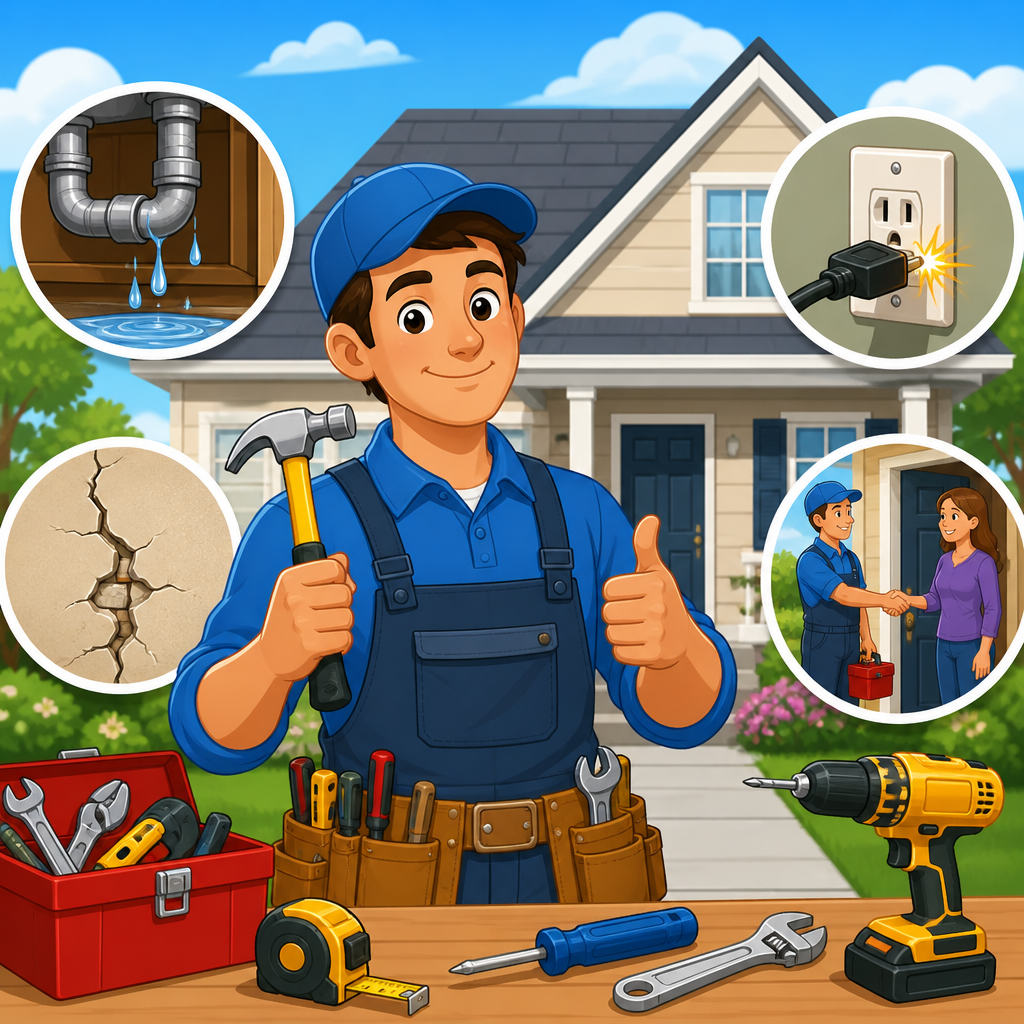
Home repair vocabulary helps renters, homeowners, and landlords describe tools, identify problems, and request the right service without confusion. I have seen small maintenance issues turn into expensive repairs simply because the person reporting them did not know the words for the part, symptom, or tool involved. When someone says “the bathroom thing is leaking,” a manager still has to guess whether the problem is a faucet, supply line, drain trap, or toilet tank. Clear language speeds up diagnosis, reduces repeat visits, and makes every service call more productive.
In this context, vocabulary means the practical words used during inspection, troubleshooting, scheduling, and repair. Tools are the physical items used to measure, tighten, cut, seal, or test. Problems are the visible or audible signs that something is wrong, such as a clog, crack, short circuit, or water stain. Service call language includes the phrases people use when booking a technician, explaining urgency, confirming access, and documenting what happened before the failure. These terms matter because maintenance work depends on accuracy. A plumber, electrician, HVAC technician, handyman, or property manager makes decisions based on what is reported first.
Good home repair vocabulary also improves safety. If you can say “the breaker keeps tripping” instead of “the power goes weird,” an electrician immediately considers overload, ground fault protection, or a failing appliance. If you report a “gas smell near the stove connection,” the issue gets treated as urgent, and the response follows stricter safety procedure. In rental situations, precise wording supports written maintenance records, deposit protection, and habitability discussions. For anyone building practical English, this language is especially useful because it appears in emails, text messages, lease portals, inspection checklists, and contractor invoices.
Core tool vocabulary used in everyday repairs
Start with the hand tools most often mentioned in basic maintenance. A hammer drives nails and helps with light demolition. A screwdriver turns screws; the two main types are flathead and Phillips. A drill makes holes or drives screws faster than a manual screwdriver. Pliers grip, bend, or pull small parts. An adjustable wrench fits different nut sizes, while a socket wrench works better when you need more torque. A utility knife cuts drywall, caulk, cardboard, and flooring material. A putty knife spreads filler or scrapes loose paint. A level checks whether shelves, frames, and appliances sit straight. A tape measure confirms dimensions before cutting, mounting, or ordering replacement parts.
Some words matter because they describe the exact job, not just the object. Caulk seals gaps around tubs, sinks, and window frames; a caulk gun dispenses it. A stud finder locates framing behind drywall so anchors and screws hold properly. A voltage tester checks whether electrical current is present before touching wires or outlets. A plunger clears minor toilet and sink clogs by creating pressure. A drain snake reaches deeper blockages that a plunger cannot move. Sandpaper smooths wood, filler, or patched drywall. When I walk new tenants through a maintenance closet, these are the terms I teach first because they show up repeatedly in everyday conversations about repairs.
Words for common home repair problems
Most service calls begin with a symptom. Water issues include leak, drip, moisture, puddle, seepage, backup, overflow, and low water pressure. Damage terms include stain, rot, mold, mildew, crack, chip, dent, warp, and corrosion. Electrical terms include outage, flicker, short, spark, tripped breaker, dead outlet, loose connection, and burned-out bulb. Heating and cooling complaints often involve weak airflow, strange odor, rattling, cycling, frozen coil, clogged filter, or thermostat failure. Door and window problems are usually described as sticking, misaligned, drafty, swollen, broken seal, or damaged weatherstripping.
Using the right noun and adjective together makes reports clearer. “A slow drain in the kitchen sink” is better than “the sink is bad.” “There is a hairline crack in the tile behind the shower valve” tells a contractor where to look and how serious it may be. “The toilet runs constantly after flushing” points toward the flapper, fill valve, or chain inside the tank. “The ceiling has a brown water stain that grew after yesterday’s rain” gives a likely cause and timeline. In practice, technicians listen for location, frequency, and trigger: where the problem is, how often it happens, and what seems to start it.
Plumbing, electrical, and surface repair terms people use most
Plumbing vocabulary deserves special attention because small wording differences change the diagnosis. A faucet is the fixture where water flows out. The handle controls temperature or volume. Under the sink, the shutoff valve stops local water supply, the supply line brings water in, and the P-trap holds water to block sewer gas. In toilets, the tank stores flush water, the bowl receives waste, the flapper releases water, and the fill valve refills the tank. If a tenant says “the pipe under the sink is leaking,” I ask whether it is the drain line, trap joint, or supply connection, because the repair method is different for each one.
Electrical repair vocabulary is equally specific. An outlet, receptacle, switch, light fixture, breaker panel, circuit, fuse, extension cord, and GFCI outlet are not interchangeable terms. A GFCI outlet, commonly found in bathrooms and kitchens, is designed to cut power quickly when it detects a ground fault, following safety principles reflected in the National Electrical Code. When someone reports that “the reset button popped out,” that detail immediately narrows the issue. Surface repair words also matter: drywall patch, joint compound, primer, touch-up paint, grout, caulk line, laminate, subfloor, and baseboard all appear often on estimates and work orders. For broader rental language, see this apartment English guide.
How to describe a problem during a service call
The best service call descriptions follow a simple pattern: object, problem, location, timing, and urgency. State what item is affected, what it is doing, where it is, when it started, and whether conditions are getting worse. For example: “The bathroom sink faucet is dripping from the base, not the spout. It started two days ago and now water is collecting in the cabinet.” That sentence gives a technician enough information to bring likely parts and estimate risk. If the issue involves power, water, gas, sewage, locking doors, or no heat in cold weather, say that immediately because those conditions often require priority dispatch.
Photos and short videos support vocabulary, but they do not replace it. A dark stain can look minor in a picture yet indicate active moisture above the ceiling. A clip of a grinding garbage disposal helps, but the report should still say whether the unit hums, jams, leaks, or trips the reset. In maintenance systems, I encourage people to avoid vague phrases like “broken,” “not working,” or “urgent” unless they add details. Better wording improves first-visit completion rates. Many property teams use computerized maintenance management systems, and clear descriptions reduce duplicate tickets, wrong parts orders, and unnecessary return trips.
| Situation | Weak wording | Useful wording |
|---|---|---|
| Sink problem | The sink is broken. | The kitchen sink drain is clogged and backs up when the dishwasher runs. |
| Electrical issue | The power is weird. | The bedroom outlet is dead, and the breaker trips when the space heater is plugged in. |
| Toilet issue | The toilet has a problem. | The toilet tank keeps running for five minutes after each flush. |
| Wall damage | There is damage on the wall. | There is bubbling paint and a soft drywall patch below the window. |
Vocabulary that helps before, during, and after the visit
Before a visit, common terms include appointment window, access, entry notice, work order, estimate, labor, parts, warranty, and tenant present. You may need to say that a pet must be secured, the unit is occupied, the gate code has changed, or the water has been shut off temporarily. During the visit, technicians often use verbs such as inspect, diagnose, tighten, replace, flush, reset, patch, seal, lubricate, and test. Listen for condition words too: worn, stripped, corroded, blocked, loose, cracked, saturated, and noncompliant. These terms appear on invoices because they explain why a repair was necessary and whether a simple adjustment was enough.
After the visit, useful vocabulary includes completed, pending, follow-up, special order, temporary fix, permanent repair, invoice, receipt, and maintenance record. This language is practical, not academic. If a contractor says a part is on backorder, that means the final repair cannot be completed until the supplier ships it. If the technician documented “monitor for recurrence,” the issue may be resolved for now but should be watched. Strong vocabulary helps you ask better questions: Was the leak source confirmed? Was the circuit tested under load? Was the damaged drywall dried before patching? Those questions lead to better repairs and fewer surprises later.
Home repair vocabulary is not just a list of words; it is a working tool for safer homes, faster service, and better decisions. When you know the names of basic tools, common failures, and service call phrases, you can explain problems accurately, understand what technicians are telling you, and keep useful records. That matters whether you are reporting a dripping faucet, checking a breaker, or reviewing an invoice after a follow-up visit. The main benefit is clarity, and clarity saves time, money, and frustration.
Focus on learning the terms you will use repeatedly: faucet, valve, outlet, breaker, leak, clog, crack, estimate, warranty, and work order. Then build from there by adding room-specific and system-specific words. Practice by labeling parts under a sink, reading old repair invoices, or rewriting vague maintenance requests into precise ones. If you want fewer misunderstandings and better results from every repair conversation, start using this vocabulary the next time something in your home needs attention.
Frequently Asked Questions
Why is home repair vocabulary so important when reporting a problem?
Home repair vocabulary matters because clear, specific language helps everyone understand the issue faster and more accurately. If a renter, homeowner, or landlord uses vague phrases like “the sink is broken” or “something under the toilet is leaking,” the person receiving the report still has to guess which part is involved and how urgent the repair might be. A sink problem could involve the faucet, shutoff valve, supply line, drain, P-trap, garbage disposal, or the sink basin itself. Each of those parts points to a different kind of repair, different tools, and sometimes a different professional.
Using the right words also reduces delays, repeat visits, and miscommunication. For example, saying “the faucet drips even when the handles are fully closed” gives a very different picture than saying “water is pooling under the sink cabinet near the P-trap.” One suggests a fixture issue above the sink, while the other suggests a drain or connection issue below it. That difference affects how a maintenance team prioritizes the call, what parts they bring, and whether they may need a plumber instead of a general handyman. In short, knowing basic home repair terms saves time, helps prevent small problems from becoming expensive damage, and makes service calls more efficient for everyone involved.
What basic tool names should every renter or homeowner know?
Everyone should know the names and simple uses of a few common tools, even if they do not plan to do major repairs themselves. A screwdriver is one of the most basic examples, and it usually comes in two common types: flathead and Phillips. Pliers are useful for gripping, twisting, or holding small parts. An adjustable wrench is used for turning nuts and bolts of different sizes, while a socket wrench is often used when more leverage is needed. A hammer is typically used for driving nails, and a utility knife is useful for cutting materials such as caulk, drywall tape, or packaging.
It is also helpful to know a few measuring and locating tools. A tape measure is used to check dimensions, while a level helps determine whether a shelf, appliance, or installed fixture is straight. A stud finder helps locate framing behind drywall before mounting heavy items. A flashlight is not exactly a repair tool in the traditional sense, but it is essential during inspections under sinks, behind appliances, or in dark utility areas. Many people should also recognize a plunger, which is commonly used for clearing minor toilet or drain clogs, and a drain snake, which can help remove hair or debris from certain drains.
Even if you never use every one of these tools yourself, knowing their names helps you communicate better. If you say, “I shut off the valve and tried tightening the connection with an adjustable wrench, but the supply line still leaks,” that report is far more useful than “I tried fixing it with a metal tool.” Basic tool vocabulary supports clearer conversations, safer troubleshooting, and more accurate service requests.
What are the most useful words for describing leaks, clogs, and other common home repair problems?
The most useful repair words are the ones that describe location, symptom, severity, and timing. For leaks, it helps to identify exactly where the water appears. Common terms include faucet, showerhead, toilet tank, toilet base, supply line, shutoff valve, drain, P-trap, water heater, and pipe joint. Instead of saying “the bathroom is leaking,” a more helpful report would be “there is a slow drip from the cold-water supply line under the bathroom sink” or “water appears around the base of the toilet after flushing.” Those details immediately narrow down the likely cause.
For drainage issues, words like clog, backup, slow drain, standing water, overflow, and sewer smell are important. A sink that drains slowly is different from a toilet that overflows, and both are different from a tub that backs up when the washing machine runs. Describing when the problem happens is also valuable. For example, “the kitchen sink backs up only when the dishwasher drains” suggests a different issue than “the sink stays full all day.” In electrical situations, useful terms include outlet, switch, circuit breaker, flickering, tripped breaker, no power, and burning smell. In heating and cooling, words such as thermostat, air filter, vent, furnace, condenser, and no airflow help define the issue.
The goal is not to sound like a professional technician. The goal is to describe what you see, hear, smell, and notice using simple but precise terms. Phrases like dripping, cracked, loose, corroded, clogged, humming, rattling, sparking, warm to the touch, or not turning on are extremely helpful. The more specific the vocabulary, the easier it is for a maintenance team or service provider to diagnose the problem and respond appropriately.
How can I describe a repair issue clearly when I call a landlord, property manager, or contractor?
A strong repair report usually includes four things: the exact location, the specific part or fixture involved, the symptom, and when the problem occurs. Start with where the issue is happening, such as “in the upstairs hall bathroom” or “under the kitchen sink.” Then identify the part if you can: faucet, toilet tank, drain, outlet, water heater, window frame, or ceiling vent. After that, explain the symptom with straightforward language. For example, “The shutoff valve under the sink is dripping steadily,” “The outlet near the stove has no power,” or “The toilet keeps running after every flush.”
It also helps to mention severity and timing. You might say that the leak is slow but constant, that the drain is getting worse each day, or that the circuit breaker trips whenever the microwave and toaster run at the same time. If there are signs of damage, include those too: standing water, warped flooring, water stains, mold smell, peeling paint, or visible rust. Mentioning what you have already tried can also save time, as long as you keep it simple and honest. For example, “I used a plunger but the toilet still does not drain,” or “I reset the breaker once, but the outlet still has no power.”
A clear report might sound like this: “In the guest bathroom, the faucet handle is loose and water drips from the spout even when it is shut off. There is no flooding yet, but the drip is constant.” That kind of description gives a landlord or contractor enough information to understand the problem, estimate urgency, and arrive prepared. Good vocabulary does not just make you sound informed. It helps the repair actually get done faster and more accurately.
What home repair terms should I know before scheduling a service call?
Before scheduling a service call, it helps to understand a few words related to both the problem and the repair process. First, know the names of the affected system or fixture: plumbing, electrical, HVAC, appliance, roofing, drywall, flooring, or carpentry. Then try to identify the visible part involved, such as faucet cartridge, flapper, fill valve, circuit breaker, outlet, thermostat, air filter, condensate drain, hinge, caulk, grout, or weatherstripping. You do not need expert-level terminology, but recognizing common parts can make the service request much more accurate.
It is also useful to know terms connected to diagnosis and work scope. An estimate is the expected cost of the repair. Labor refers to the service work itself, while parts are the physical components being replaced. A temporary fix solves the immediate issue but may not address the root cause, while a permanent repair is meant to fully correct the problem. Preventive maintenance refers to routine service that helps avoid future breakdowns, such as cleaning gutters, changing HVAC filters, or checking for small plumbing leaks before they become major damage. You may also hear terms like emergency service, warranty, replacement, inspection, access panel, shutoff, and code compliance.
Knowing these words helps you ask better questions. You can ask whether the technician expects a repair or full replacement, whether the issue may involve a clogged drain line or a failed part, whether water or power should be shut off beforehand, and whether any follow-up maintenance is recommended. This vocabulary makes service calls more productive because it helps you understand what the technician is saying, compare recommendations, and make informed decisions about your home. Clear communication at the scheduling stage often leads to faster, safer, and less expensive repairs overall.





