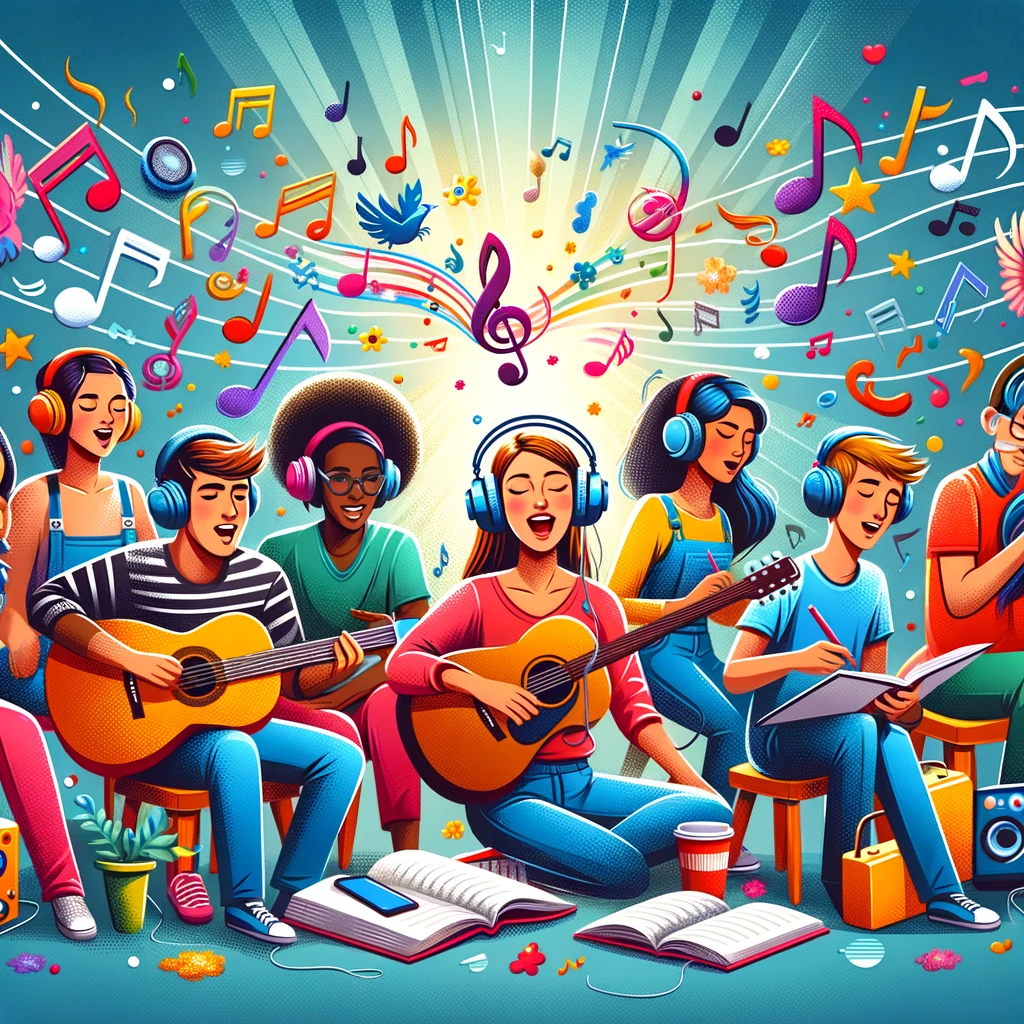
In today’s globalized world, the ability to communicate effectively in English is more important than ever. Whether you’re a student, a professional, or simply someone who wants to enjoy English media, listening speed plays a critical role in how you understand and respond to spoken language. Listening speed refers to how quickly you can process audio information and comprehend it as you listen. It matters because enhancing your listening speed can significantly improve your confidence in conversations, efficiency in absorbing information, and enjoyment of English content such as movies, podcasts, and lectures.
However, many English learners struggle with listening speed, often finding native speakers too fast to follow. This can be frustrating, leading to missed details and misunderstandings. Fortunately, there are proven strategies to improve this skill. In this article, we’ll delve into these strategies, offering practical tips, real-world examples, and clear explanations. By taking steps to enhance your listening speed, you’ll open up new opportunities, increase your communication effectiveness, and enjoy a wider range of English-language content.
Understanding the Basics of Listening Comprehension
At its core, listening comprehension is about how we listen and what we understand. When you listen to someone speak, you’re not just passively receiving sounds; your brain is actively working to decode the messages. It interprets the sounds, understands the meaning, and connects it with any prior knowledge you may have. An increased listening speed means your brain can perform these tasks more quickly and efficiently.
For example, consider watching a fast-paced English movie. The actors speak quickly, using slang and idioms that are common in everyday speech. If your listening speed isn’t up to par, you might find yourself pausing and rewinding frequently to catch up, which disrupts your understanding and enjoyment. However, by improving your listening speed, you’ll be able to keep pace with the dialogue, grasp the nuances, and appreciate the movie in real-time.
Training Your Ears with Varied Content
One realistic way to enhance listening speed is through exposure to a variety of English-language materials. The more you listen, the more you’ll improve. It’s important to diversify the content you consume, as different speakers have unique rhythms, accents, and speaking styles. This variety trains your ear to adapt quickly to any speaker.
Start with content that matches your current listening level, then gradually introduce more challenging material. For instance, begin with clear news reports or English podcasts designed for learners. As your confidence grows, incorporate faster, more complex audio such as radio programs, TED talks, or even stand-up comedy. Over time, you’ll notice an improvement in how quickly you can process and understand spoken English.
Engaging in Active Listening Exercises
Active listening involves fully engaging with the audio content and consciously focusing on understanding it. Unlike passive listening, where you might listen to music or a podcast while doing other tasks, active listening involves concentration and effort dedicated solely to the listening task.
One effective exercise is shadowing. This technique involves listening to a piece of audio and repeating it simultaneously. Try to match the speed and intonation of the speaker. This practice not only helps improve pronunciation and fluency but also boosts listening speed as you train your brain to process information more rapidly.
Another exercise is detailed note-taking. Listen to an audio clip and jot down key points or new vocabulary. This helps you remain focused and enhances comprehension by forcing you to actively engage with the content. Listening to audiobooks or podcasts with transcripts available can also be beneficial, as you can read along and better understand how spoken and written English correlate.
Utilizing Technology to Enhance Input
Modern technology offers a multitude of tools that can aid in the development of your listening speed. Numerous applications and platforms provide speed control features, allowing you to adjust the playback speed of audio content. Start by listening at a slightly faster speed than you’re comfortable with, then gradually increase it as you become more accustomed to the pace.
For example, platforms like YouTube and various podcast apps allow you to speed up playback. By listening to videos or podcasts at 1.25x or 1.5x speed, you challenge your brain to process information more quickly. Initially, this might feel daunting, but with practice, you’ll adapt, and normal-speed audio will seem slower and easier to follow.
Furthermore, speech recognition software can be used to your advantage. Try using apps that transcribe spoken words in real-time or those that provide pronunciation feedback, helping you become more attuned to the nuances of spoken English. Combining these technologies with regular practice will drastically improve your listening speed.
Incorporating Repetition and Feedback
Repetition is a powerful method for enhancing listening speed. By repeatedly listening to the same piece of audio, your brain becomes more efficient at recognizing the sounds and patterns of English. This is particularly beneficial for understanding different accents or complex topics.
For instance, select a podcast episode or a TED talk on a subject that interests you. Listen to it multiple times, each time focusing on different aspects of the speech, such as vocabulary usage, intonation, or emotional cues. This repeated listening reinforces recognition and understanding.
Receiving feedback is equally important. Engage in conversations with native speakers or language instructors who can provide constructive feedback on your comprehension and speed. Such interactions not only encourage real-world application but also highlight areas that need improvement.
Practical Real-World Application
To truly develop your listening speed, incorporating practical, real-world application is essential. Engage in English-speaking environments where listening is crucial, such as community events, language exchange meetups, or online discussion groups. These scenarios offer live, unscripted conversations that mimic real communication situations rather than scripted audio.
- Participating in language exchange meetups
- Joining online discussion groups
- Attending community events where English is spoken
By actively participating in these environments, you’ll not only improve your listening speed but also gain confidence in speaking and interacting with others in English. Engaging in these activities regularly will enable you to adapt to different speaking speeds and styles, further honing your listening capabilities.
Summary and Actionable Steps
Improving your listening speed in English is a valuable skill that enhances both your personal and professional life. This article discussed various strategies, including diversifying your listening content, engaging in active listening exercises, leveraging technology, and applying real-world applications. Each of these methods serves to train your ears to process spoken English more quickly and effectively.
The key takeaway is that, with consistent practice and the adoption of these strategies, you’ll witness a noticeable improvement in your listening speed. As a result, you’ll find it easier to engage in English conversations, comprehend complex audio content, and ultimately, enjoy a broader experience of English media.
To get started, choose one or two strategies from this guide and incorporate them into your daily routine. Whether it’s setting aside time for active listening exercises, utilizing technology to adjust playback speed, or attending a language exchange event, these actionable steps will set you on the path to improved listening speed. As you progress, remember to track your advancements and continue challenging yourself with more complex audio materials. Embrace the journey, as each step forward brings you closer to mastering English listening comprehension at an increased speed.
Remember, improving your listening speed is not an overnight process but a gradual, rewarding journey. Commit to this transformation, and the world of English communication will become more accessible and enjoyable.
Frequently Asked Questions
1. What is listening speed and why is it important in understanding English?
Listening speed is essentially how fast you can listen to and understand information spoken in English. It’s important because it greatly affects how well you comprehend and engage in conversations, lectures, and media like podcasts and films. When your listening speed is high, you’re better equipped to follow dialogues, pick up on details, and respond in a timely manner. This skill is crucial not just in academic and professional settings, but also in personal interactions where effective communication is key. Think about the last time you watched a movie or listened to a podcast – the quicker you can process what’s being said, the more enjoyable and meaningful the experience becomes. By improving listening speed, you boost your confidence in various social settings, making communication smoother and more efficient.
2. How can I start improving my listening speed in English effectively?
Improving your listening speed is a gradual process that can be started with simple yet effective techniques. Begin by listening to audio content that interests you, such as songs, podcasts, or audiobooks. Choose materials slightly above your current level to challenge yourself but ensure they are not too difficult; this way, you won’t get frustrated. Try active listening by paying close attention to the words and phrases, and replicating the cadence and intonation. Repeated listening to the same material can also help, as familiarity allows you to catch details you missed initially. Additionally, practice shadowing – where you repeat what you hear as you listen. Subtle changes will start occurring where you’ll begin noticing improvements in how fast you process the language.
3. Are there any useful tools or resources to help accelerate my listening speed?
Absolutely! There are numerous resources designed to help with this. For starters, many video platforms (like YouTube) and podcast apps offer variable playback speeds, allowing you to gradually increase the audio speed as you become more comfortable. Start with a slight increase and progressively work up to faster speeds. Also, consider using language learning apps such as Duolingo or Babbel, which have listening exercises tailored to enhance your skills. Audiobooks platforms often have speed-control features, so consider using Audible or similar services. Additionally, TED Talks can be a great source due to their engaging content and availability of transcripts, allowing you to listen while reading. Find a pace that challenges but doesn’t overwhelm you, and remember that consistency is key.
4. What common challenges might I face while trying to improve my listening speed and how can I overcome them?
One common challenge is feeling overwhelmed by faster speech, which might make comprehension difficult. This can be particularly daunting with accents or unfamiliar vocabulary. Overcoming this involves patience and persistence. Start slow, gradually increasing audio speed as you adapt. Another issue might be reduced comprehension at faster speeds; to counter this, practice active listening strategies, like summarizing what you’ve heard or noting key ideas. You might also find it difficult to sustain focus; if so, try shorter listening sessions and gradually increase duration. Utilize repetition with varied content to prevent tedium and reinforce learning. Lastly, it’s natural to feel progress is slow. Consistency and routine will help; celebrate small victories to stay motivated. Mastery requires time, and each step forward is significant.
5. How can improving my listening speed benefit me in my professional and personal life?
Enhancing your listening speed can bring many benefits to both your professional and personal life. Professionally, it enables you to follow complex discussions, conferences, and meetings more effectively, allowing you to contribute more meaningfully and make quicker, more informed decisions. In personal scenarios, you’ll find it easier to enjoy English media like movies and music without needing subtitles or translations, making entertainment more fulfilling. Improved listening speed aids in learning new things faster, enhancing your language skills, and opens doors to opportunities in global environments where English is the bridge. You’ll also find your social interactions become more enjoyable, with the ability to engage deeply and confidently in conversations. Overall, improved listening speed is a vital asset in enhancing your communication skills, fostering greater personal connections, and driving career success.