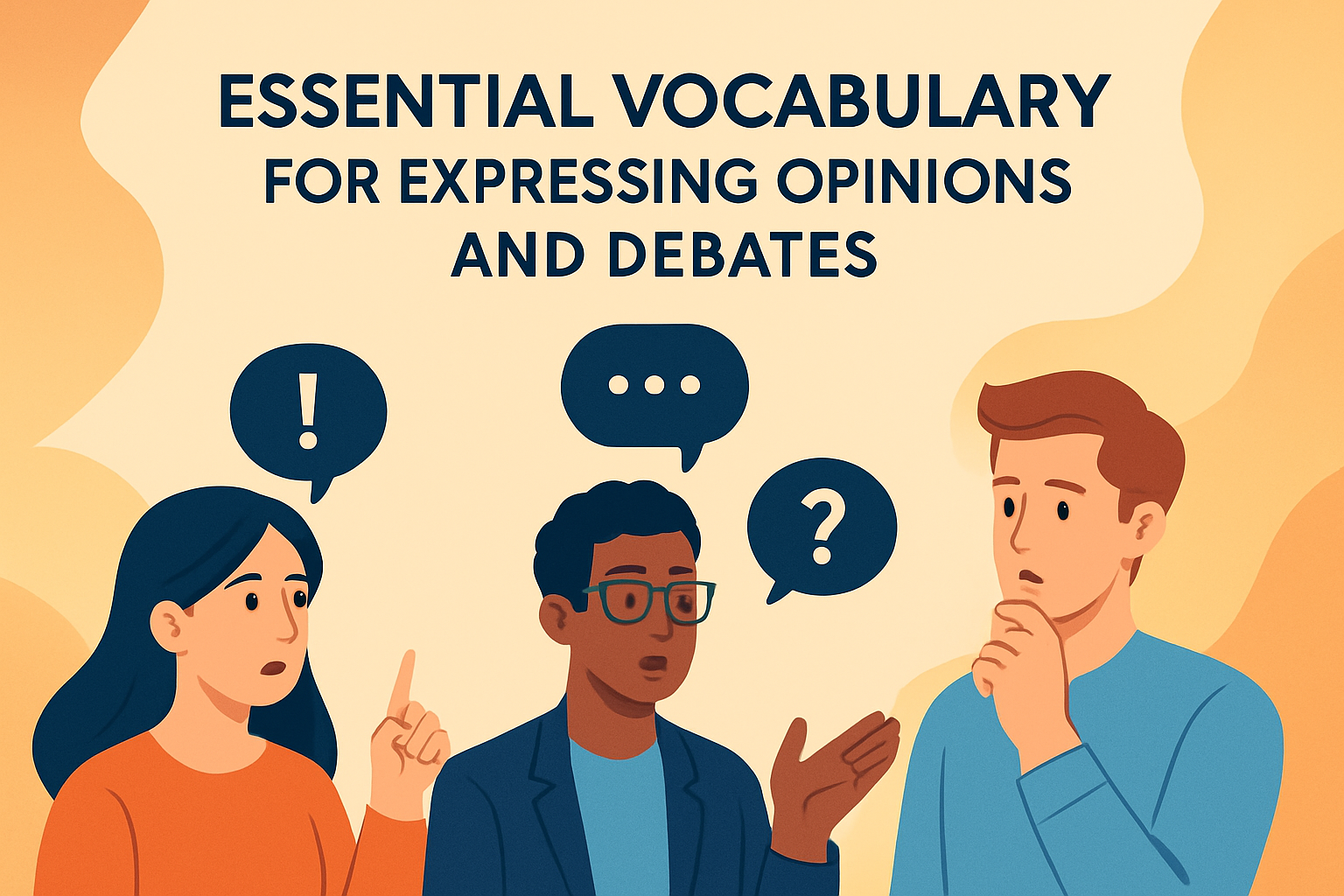
Learning vocabulary is an essential aspect of mastering any language. Vocabulary forms the building blocks of any language, and without a strong grasp of it, effective communication becomes nearly impossible. Vocabulary learning often involves rote memorization, which, although somewhat effective, may lead to disengagement and a limited understanding of contextual usage. This is where interactive group discussions come into play. Through collaborative and discussion-based learning, vocabulary acquisition can become a dynamic and engaging process.
Interactive group discussions utilize communication and collaboration in groups to enhance vocabulary learning. This approach matters because it leverages the social nature of human beings to facilitate language acquisition naturally. Vocabulary learned in this manner tends to get remembered better and utilized more fluidly in real-life situations. Moreover, it’s a fun and engaging way to learn, often leading to greater enthusiasm for the subject and a deeper level of understanding. This method supports different learning styles and enhances critical thinking, making it a powerful tool for educators and learners alike. So, how can one effectively learn vocabulary through interactive group discussions? The rest of this article delves into the specifics of this innovative methodology.
Creating a Collaborative Learning Environment
The cornerstone of learning vocabulary through interactive group discussions is building a collaborative learning environment. This environment must promote open communication, mutual respect, and willingness to share ideas. For instance, a classroom setting where students feel comfortable discussing and debating various topics encourages the flow of new vocabulary naturally.
Take, for example, a high school Spanish class. The teacher asks students to discuss their favorite hobbies using Spanish vocabulary they have learned. As students converse, they find they need to learn new words to fully express themselves. They ask each other questions, and in doing so, organically learn new words and phrases which they can easily recall later on. This exposure-practise-feedback loop is vital for vocabulary retention.
The Role of the Facilitator
Another critical component is the role of the facilitator in guiding these discussions. An effective facilitator knows how to steer conversations, ensuring discussions are productive and learning-focused. They prompt participants with thought-provoking questions and encourage quieter members to share their perspectives, ensuring that everyone has an opportunity to contribute.
Consider a book club where participants discuss a specific book. The facilitator might ask questions like, “What vocabulary did the author use to convey mood?” or “Did anyone come across new words in this chapter?” Such prompts not only spark conversation but also highlight vocabulary in context, aiding in comprehension and retention.
Using Real-world Scenarios
Utilizing real-world scenarios is another effective strategy. Discussions based on practical situations allow learners to use vocabulary as they would in everyday interactions, thus helping bridge the gap between theoretical knowledge and practical usage.
For instance, setting up a role-playing exercise in a business English class can simulate a corporate meeting. Students must use appropriate professional vocabulary to articulate their ideas and negotiate agreements. Facilitators can provide feedback and suggest alternative expressions, helping students build a more robust lexical reservoir.
Implementing Visual Aids
Incorporating visual aids into discussions can also enhance vocabulary learning. Visuals serve as cues that help learners form mental associations with new words, making them easier to remember and recall.
| Visual Aid | Benefits |
|---|---|
| Images | Associating a word with an image helps in visual memory retention. |
| Charts | Highlight relationships between vocabulary terms, such as synonyms and antonyms. |
| Flashcards | Fast recall and reinforcement through quick repetition and review. |
Promoting Peer Learning
Lastly, peer learning is a fundamental aspect of interactive group discussions. When learners teach each other, it cements their understanding and allows for clarification of misconceptions. The collaborative learning model thrives on the concept that everyone has knowledge to contribute, and through discussion, new insights are gained.
For example, in a language exchange group, a native French speaker may explain the nuances of a tricky French idiomatic expression to their English-speaking peers. Conversely, the English speakers might reciprocally introduce slang or colloquial phrases. This mutual exchange nurtures an environment of shared learning and cultural understanding.
Benefits of Group Discussions in Vocabulary Learning
The benefits of learning vocabulary through interactive group discussions are multifold. Not only does it make learning more exciting and engaging, but it also exposes learners to a diverse range of words and phrases, enhancing their linguistic repertoire. By collaborating with peers, learners gain exposure to different perspectives and interpretations, which in turn enriches their cognitive flexibility. Additionally, group discussions improve social communication skills and promote teamwork, fostering an all-around development of interpersonal abilities.
Conclusion and Call-To-Action
In summary, interactive group discussions are a powerful method for learning vocabulary. This approach emphasizes collaboration and active engagement, truly transforming vocabulary acquisition into a vibrant, contextual, and meaningful experience. It encourages learners to immerse themselves in language as a social tool rather than an academic requirement, leading to more effective communication skills in the long run.
The next step for anyone interested in improving their vocabulary is to start implementing these strategies in their learning journey. Whether in a classroom, a language club, or an informal study group, fostering an environment of open discussion offers an impactful pathway to linguistic mastery. Begin by facilitating or participating in a group discussion focused on any topic of interest. Watch as your vocabulary grows and becomes more nuanced, making communication in your chosen language both precise and comprehensive.
Frequently Asked Questions
1. How does interactive group discussions enhance vocabulary learning?
Interactive group discussions take vocabulary learning beyond rote memorization, making it a dynamic process. In these discussions, learners are actively engaged in conversations that revolve around the usage of new words and phrases in varied contexts. This participatory approach ensures that participants not only understand the meaning of words but also how these words function in sentences. By encouraging learners to speak and listen actively, these discussions help in reinforcing word pronunciation, inflection, and nuances, which enhances retention. Furthermore, learning vocabulary in social settings fosters a deeper understanding of conversational rhythms and cultural context in language use, making it far more effective than solitary study methods.
2. What strategies can be employed in group discussions to optimize vocabulary acquisition?
To make the most of group discussions for vocabulary acquisition, a few strategies can be effectively employed. First, preparation is key. Encourage participants to come prepared with a list of new words and their meanings. This groundwork lays a foundation for robust discussions. Next, the use of thematic discussions can focus learning around a particular topic, making it easier to remember contextually related words. Incorporating word games, such as word association or “guess the word” activities, adds fun and facilitates learning through play. Assigning roles can also be beneficial, with some participants explaining new words while others use them in sentences or relate them to real-world scenarios. Additionally, varied group dynamics, such as rotating group leaders or changing participant roles, can stimulate engagement and prevent stagnation.
3. Can interactive group discussions be effective for all language proficiency levels?
Yes, interactive group discussions can be tailored to suit all language proficiency levels. For beginners, group discussions might start with simple words and phrases, using visual aids or translations to boost understanding. The focus could be on fundamental vocabulary and basic conversational skills. Intermediate learners can benefit from discussions that encourage longer and more complex sentences, expanding their vocabulary and understanding of language structure. For advanced learners, discussions can delve into nuanced language usage, idiomatic expressions, and specific vocabulary pertinent to complex subjects. With the careful planning of conversation topics and facilitation levels, interactive group discussions can be molded to cater to the linguistic needs of different proficiency levels.
4. How can educators facilitate effective interactive group discussions for vocabulary learning?
Educators play a pivotal role in the success of interactive group discussions for vocabulary learning. A structured environment must be created where each participant feels comfortable and motivated to contribute. This can be initiated by setting clear, achievable objectives for each session. Educators should employ a variety of discussion techniques to maintain engagement and address different learning styles, including debates, storytelling, role-playing, and Q&A sessions. To ensure inclusivity, clear guidelines should be established to give each participant a voice, while also encouraging cross-talk and peer feedback. Educators can also introduce multimedia resources, like images, videos, and audio recordings, to cater to visual and auditory learners. Reflective sessions at the end of discussions can consolidate vocabulary learned, allowing participants to express what they’ve gathered and plan future learning goals.
5. What are the potential challenges in using interactive group discussions for vocabulary learning, and how can they be overcome?
While interactive group discussions are beneficial, they do present challenges. One common issue is an imbalance in participation, where more vocal members may dominate, leaving quieter individuals less engaged. To address this, facilitators should actively moderate discussions to ensure equal participation, possibly by assigning speaking time or encouraging quieter participants through direct prompts. Another challenge is maintaining focus, as discussions can easily drift off-topic. Setting a clear agenda and having a facilitator to gently guide the conversation back on track can mitigate this. Additionally, language anxiety can inhibit participation, especially among less confident speakers. Creating a supportive atmosphere, perhaps by incorporating ice-breakers or non-judgmental feedback mechanisms, can help ease such tensions. Lastly, logistical issues, such as coordinating schedules for group discussions, can be resolved through the use of digital platforms that allow for flexible timing and virtual participation.