In an increasingly interconnected world, English has emerged as a dominant global language. It functions as a crucial medium for communication, commerce, education, and most significantly, diplomacy and peacekeeping. Understanding English is no longer just an asset but a necessity for nations aiming to participate fully on the world stage. This brings us to a vital topic: the role of English in global peacekeeping.
Peacekeeping, by its very nature, is an interdisciplinary endeavor that requires coordination, understanding, and negotiation among diverse parties. Here, English serves as the bridge that connects people irrespective of their linguistic and cultural backgrounds, facilitating dialogue and mutual understanding. The aspect of cultural immersion becomes critical as it fosters not just linguistic proficiency but also empathy and cultural sensitivity. For English as a Second Language (ESL) learners, grasping the intricacies of the language through the lens of cultural immersion can profoundly impact their ability to contribute to global peacekeeping efforts.
Cultural immersion in an ESL context involves more than just learning vocabulary and grammar. It means understanding idiomatic expressions, cultural norms, and social subtleties that transcend mere words. When learners immerse themselves in the culture of English-speaking nations, they are better equipped to understand the underlying nuances and context of diplomatic language, making them effective communicators in peacekeeping scenarios.
However, the influence of English is not a one-way street. While English undeniably helps in bridging gaps, its global preeminence also necessitates a balanced approach to linguistic inclusivity. It becomes essential for peacekeeping bodies to value and incorporate diverse linguistic and cultural perspectives. This underscores a fundamental principle of peacekeeping: to achieve harmony and understanding without erasing the uniqueness of individual identities. Let’s delve deeper into various dimensions where English, through cultural immersion, plays a pivotal role in global peacekeeping.
English as a Lingua Franca
English’s status as a lingua franca, or a common language used among speakers of different native languages, cements its role in international peacekeeping efforts. In multinational organizations such as the United Nations (UN), NATO, and various Non-Governmental Organizations (NGOs), English often serves as the primary language of communication. The seamless exchange of information and ideas made possible by a common linguistic framework is indispensable for mission success.
ESL learners aiming for careers in diplomacy or international relations should recognize the importance of mastering English for effective participation in these organizations. A solid grasp of diplomatic language, which includes knowing formal terms, legal jargon, and even colloquial nuances, is critical. For instance, understanding the difference between “ceasefire” and “truce” can significantly impact peace negotiations. Moreover, English proficiency allows peacekeepers to access an extensive array of resources, including reports, legal documents, and scholarly articles often published in English. It empowers them with the knowledge and tools necessary to make informed decisions and navigate complex situations.
However, the widespread use of English should not overshadow the importance of multilingualism in peacekeeping contexts. While English facilitates communication, acknowledging and incorporating local languages fosters trust and ensures that all parties feel heard and respected. This approach underscores a core tenet of effective peacekeeping: true communication goes beyond mere language and encompasses understanding and valuing diverse cultural contexts.
Cultural Immersion
Cultural immersion is a cornerstone of attaining proficiency in any language. For ESL learners, immersing themselves in the culture of English-speaking countries can significantly enhance their language skills and understanding of diplomatic practices. This immersive experience entails engaging with native speakers, consuming media in English (such as films, news, and books), and, if possible, living in an English-speaking environment.
The benefits of cultural immersion extend beyond linguistic competency. It also cultivates cultural empathy, enabling learners to appreciate the values, norms, and communication styles of English-speaking people. For peacekeepers, this cultural sensitivity is invaluable. It allows them to approach conflict resolution with a nuanced perspective, considering the cultural contexts that influence the attitudes and behaviors of the parties involved.
One effective method of cultural immersion is through educational exchange programs. These programs allow ESL learners to experience firsthand the cultural and social dynamics of English-speaking countries. Additionally, technology offers new avenues for cultural immersion, such as virtual cultural exchanges and interactive language learning platforms. However, cultural immersion is a two-way street. Peacekeepers must also immerse themselves in the cultures of the regions where they operate. This dual immersion fosters mutual respect and understanding, laying the groundwork for effective and sustainable peacebuilding.
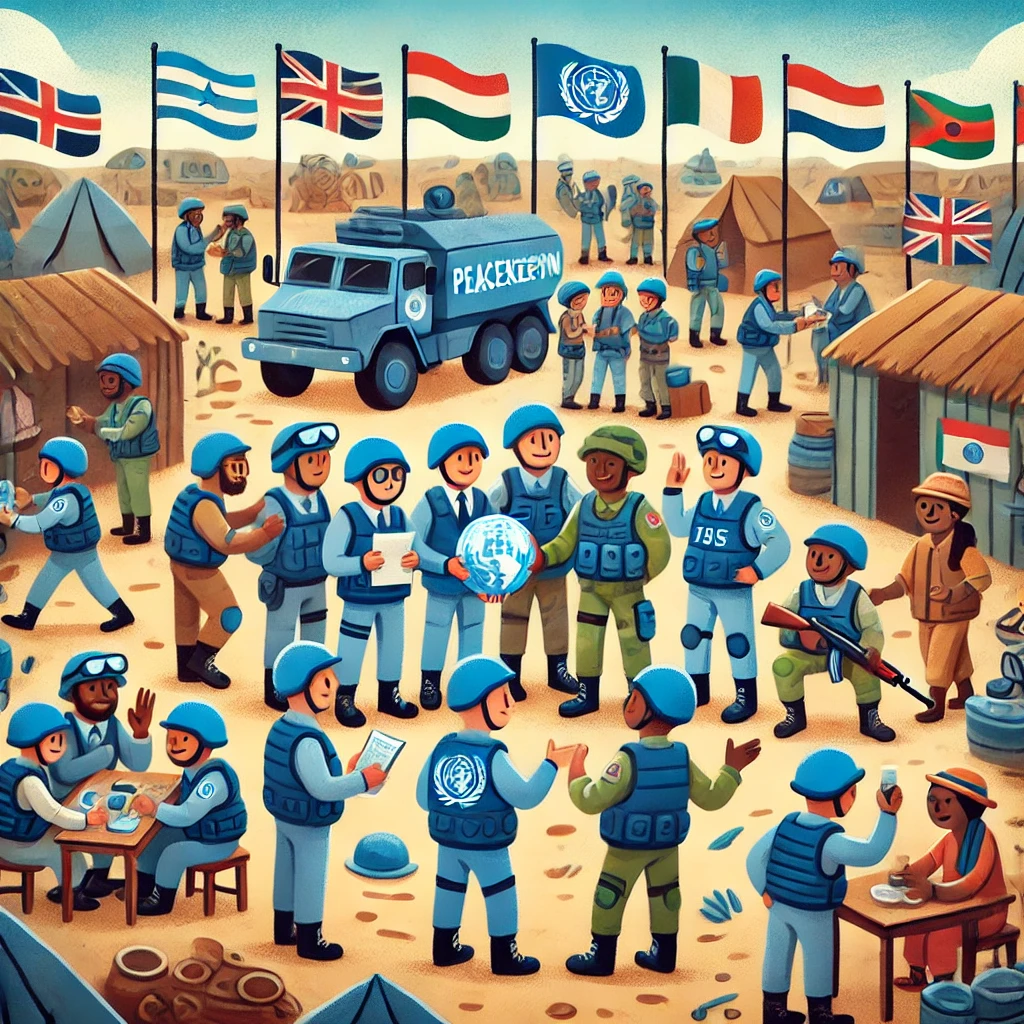
Educational Programs in Peacekeeping
Educational programs play a crucial role in preparing individuals for effective peacekeeping roles. Many universities and institutions offer specialized programs in international relations and peace studies, with a strong emphasis on English proficiency and cultural immersion. ESL learners interested in these fields should seek out programs that offer comprehensive training in diplomatic language, cultural studies, and conflict resolution strategies. These programs often include practical components such as internships with international organizations, providing students with real-world experience in peacekeeping operations.
Moreover, educational programs that emphasize cultural immersion equip students with the skills to navigate the complex cultural landscapes they will encounter in the field. Courses on intercultural communication, for example, teach students to recognize and respond to cultural differences, fostering more effective and respectful interactions with diverse populations. Institutions offering these programs also often have partnerships with international organizations, creating opportunities for students to participate in peacekeeping missions and initiatives. This hands-on experience is invaluable for ESL learners, allowing them to apply their language skills and cultural knowledge in real-world settings.
Educational programs in peacekeeping not only prepare individuals for careers in this field but also contribute to the broader goal of promoting global peace and understanding. By training a new generation of culturally competent and linguistically proficient peacekeepers, these programs play a vital role in fostering international cooperation and conflict resolution.
Technological Advancements
Technology has revolutionized the way we approach language learning and cultural immersion. For ESL learners, technological advancements offer new and innovative ways to enhance their English proficiency and cultural understanding. Language learning apps and platforms such as Duolingo, Babbel, and Rosetta Stone provide interactive and engaging ways to learn English. These tools often incorporate elements of gamification, making language learning more enjoyable and motivating for users. Additionally, many platforms offer cultural lessons and context-based exercises, helping learners to understand the cultural nuances of the language.
Virtual reality (VR) and augmented reality (AR) have also made significant strides in the realm of language learning and cultural immersion. VR simulations, for instance, can transport learners to English-speaking environments, allowing them to practice their language skills in realistic settings. This immersive experience can be particularly beneficial for peacekeepers, who need to navigate diverse cultural landscapes during their missions. Furthermore, online forums and social media platforms enable ESL learners to connect with native English speakers and participate in cultural exchanges. These interactions provide valuable opportunities for learners to practice their language skills, gain insights into English-speaking cultures, and build meaningful relationships with people from different parts of the world.
Technology also facilitates access to a vast array of resources, including news articles, podcasts, and videos, all of which can be used to enhance language learning and cultural understanding. For peacekeepers, staying informed about global events and developments is crucial, and technology makes it easier than ever to access this information.
The Role of Cultural Sensitivity
Cultural sensitivity is essential for effective peacekeeping. It involves recognizing and respecting the diverse cultural backgrounds of the individuals and communities involved in peacekeeping efforts. For ESL learners, developing cultural sensitivity goes hand in hand with language learning and cultural immersion. Understanding cultural differences and being aware of one’s own cultural biases are critical skills for peacekeepers. These skills enable them to approach conflict resolution with empathy and respect, fostering more effective and sustainable solutions.
For example, different cultures have different communication styles. In some cultures, direct communication is valued, while in others, indirect communication is preferred. Peacekeepers who are aware of these differences can adapt their communication strategies to avoid misunderstandings and build trust with the parties involved. Cultural sensitivity also involves understanding the historical and social contexts that shape a community’s attitudes and behaviors. Peacekeepers who take the time to learn about the histories and experiences of the communities they work with are better equipped to address the root causes of conflict and foster lasting peace.
ESL learners can develop cultural sensitivity through various means, including cultural immersion, intercultural communication courses, and firsthand experiences in diverse cultural settings. By cultivating cultural sensitivity, they can enhance their effectiveness as peacekeepers and contribute to the broader goal of promoting global peace and understanding.
Conclusion: The Path Forward
The role of English in global peacekeeping is multifaceted and profound. As a lingua franca, English facilitates communication and coordination among diverse parties, enabling effective peacekeeping efforts. However, linguistic proficiency alone is not enough. Cultural immersion and sensitivity are equally important, as they foster mutual understanding and respect among the parties involved. For ESL learners, mastering English and developing cultural sensitivity through immersion experiences and education programs are crucial steps toward becoming effective peacekeepers. Technological advancements offer new and innovative ways to enhance language learning and cultural understanding, making these goals more attainable than ever.
As we move forward, it is essential to recognize the importance of linguistic diversity and cultural inclusivity in peacekeeping efforts. While English serves as a bridge, valuing and incorporating diverse linguistic and cultural perspectives is key to achieving sustainable peace and harmony. In a world where conflicts are increasingly complex and multifaceted, the need for effective and culturally competent peacekeepers has never been greater. By investing in language learning, cultural immersion, and educational programs, we can prepare a new generation of peacekeepers who are well-equipped to navigate the challenges of our interconnected world. Ultimately, the goal of global peacekeeping is to build a world where diverse communities can coexist peacefully and harmoniously. By embracing the role of English and the importance of cultural sensitivity, we can work toward a future where mutual understanding and respect are the foundations of lasting peace.