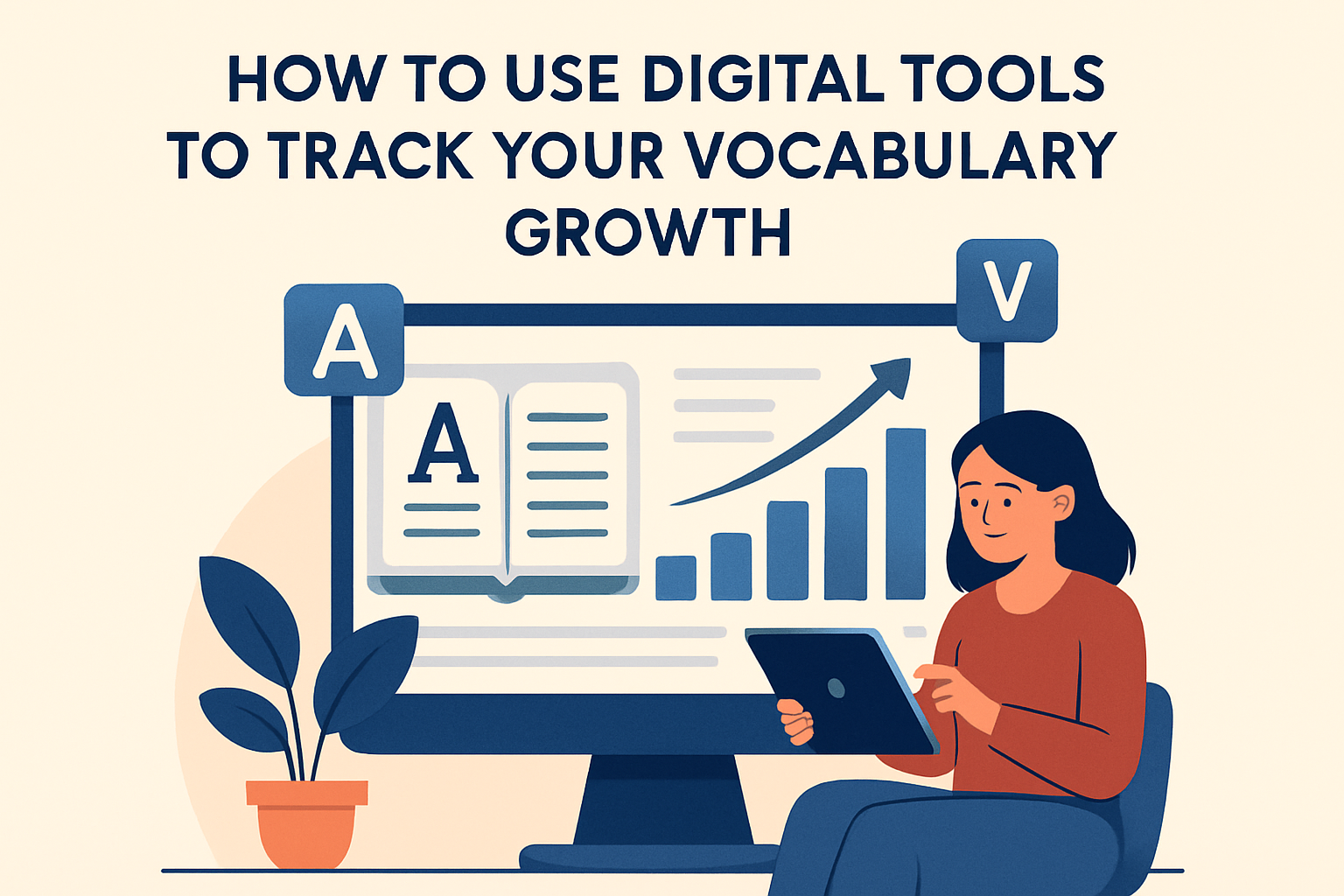
In the rapidly evolving world of technology, the way we approach language learning and vocabulary building is undergoing a significant transformation. The advent of digital tools has streamlined the process, offering innovative ways to track and enhance vocabulary development. But what exactly are digital tools for vocabulary growth, and why do they matter? Let’s dive into the essentials.
Digital tools for vocabulary growth refer to software applications, online platforms, and other technological innovations designed to facilitate learning new words, track progress, and ensure consistent practice. These tools harness the power of data analytics, interactive designs, and multimedia elements to make learning engaging and effective.
Understanding and expanding vocabulary is crucial not just for academic excellence but also for effective communication in everyday life. Rich vocabulary provides clarity of expression, fosters intellectual communication, and enhances professional opportunities. With digital tools at your disposal, tracking vocabulary growth becomes a breeze. This article will explore how to effectively use these tools, ensuring an enriching learning experience.
Selecting the Right Digital Tool for Vocabulary Tracking
The first step to tracking vocabulary growth digitally is selecting the right tool. With myriad options available, choosing the most suitable one can be overwhelming. Consider the features, user interface, and compatibility with your learning style.
Many tools offer personalized learning paths, spaced repetition, and various gamified methods, making the experience engaging. For instance, an app like Anki uses flashcards and spaced repetition algorithms to optimize learning curves. This method ensures that users review words they’ve previously struggled with more frequently, promoting efficient memorization.
Additionally, integrating with devices like smartphones or laptops ensures ease of access. Choosing tools with features like performance analytics and progress tracking can provide insightful data, helping you understand patterns in your learning. Always read user reviews and, if possible, start with a free trial to gauge the tool’s effectiveness before committing to it.
The Role of Interactive Apps in Vocabulary Enhancement
Interactive apps play a pivotal role in enhancing vocabulary. These apps not only offer diverse learning materials but also make the process interactive, which aids in retention. Duolingo is a prime example of this approach. It applies gamification principles to language learning, offering users badges and rewards as they progress.
This shifts the focus from mere memorization to understanding and using vocabulary in context. The continual feedback provided by such apps helps learners identify areas of improvement promptly. Furthermore, interactive features like quizzes, games, or collaborative challenges engage users, reducing the monotony often associated with traditional vocabulary learning.
According to research, interactive learning combined with frequent assessments fosters better vocabulary retention. Engaging with words in varied contexts ensures that users internalize them better, thus promoting long-term mastery.
Tracking Progress with Built-in Analytics
One of the standout features of digital vocabulary tools is their ability to offer detailed analytics. Built-in analytics help users visualize their progress over time, making data-driven insights readily available. Most modern apps provide summaries of daily, weekly, or monthly learning activities, helping users track improvements or identify stagnation periods.
For example, platforms like Quizlet provide robust tracking features, displaying metrics such as the number of words learned, time spent, and areas requiring improvement. Such detailed breakdowns enable users to set realistic goals and adjust learning strategies accordingly.
| Tool | Key Features | Best For |
|---|---|---|
| Anki | Spaced repetition, flashcards | Long-term retention |
| Duolingo | Gamification, interactive learning | Beginner-friendly engagement |
| Quizlet | Comprehensive analytics, diverse study modes | Analytical learners |
By setting these goals, learners can hold themselves accountable, monitoring whether they meet, exceed, or fall short of their targets. Such transparency serves as motivation to strive for consistent improvement.
Integrating Multimedia Resources for Contextual Learning
Incorporating multimedia resources into vocabulary learning has proven to offer considerable benefits. These resources bring words to life, offering vivid and diverse contexts that foster understanding and retention. For instance, language learning platforms like FluentU capitalize on this by using real-world videos, subtitling them to focus on specific vocabulary.
By watching these videos, users can discern word usage across different scenarios, complementing traditional study methods. This immersive learning environment nurtures the ability to recall and use words in appropriate contexts, which is a hallmark of vocabulary mastery.
Moreover, the use of multimedia elements like audio pronunciations can resolve pronunciation hurdles, ensuring users are not only proficient in recognizing words but can also use them eloquently in conversation.
Combining Social Features for Collaborative Learning
The power of collaborative learning can’t be overstated. By engaging with peers through social features in digital vocabulary tools, learners can gain new perspectives, share insights, and receive instant feedback. Platforms like Memrise integrate social features, allowing users to join language communities where they can discuss words, share mnemonic devices, or challenge each other.
Working collaboratively introduces an element of competition and camaraderie, turning vocabulary building into a communal and enjoyable activity. Learners often find themselves motivated by peers’ progress, fostering a supportive environment where sharing knowledge becomes reciprocal.
The synergy of shared challenges and rewards in a social learning setup provides a motivational boost, expediting vocabulary acquisition and fostering a deeper understanding of words.
The Impact of Consistent Practice and Review
Consistency is the backbone of vocabulary growth. Utilizing digital tools effectively involves regularly using practice features to reinforce learning. Frequent review ensures that vocabulary isn’t easily forgotten, a principle reinforced by tools utilizing spaced repetition algorithms.
SRS systems, as employed by various apps, space out reviews so learners revisit information right before they forget it. This way, the learned material moves to long-term memory, thereby reducing the forgetting curve. Engaging with words in multiple sessions rather than cramming enhances neural pathways associated with recall.
The act of consistent review, coupled with engaging exercises or quizzes, enhances memory retention, creating lifelong learners capable of easily adapting to linguistic challenges.
Leveraging AI for Personalized Learning Experiences
The infusion of Artificial Intelligence (AI) into language learning tools is revolutionizing the way vocabulary is approached. AI can analyze user interactions in real-time, offering insights and adapting the learning path based on user performance. For instance, platforms like Babbel use AI to customize lessons, catering to the user’s strengths and weaknesses.
Such personalization ensures efficiency, focusing on areas that require more improvement while solidifying existing knowledge. This tailored education model helps address individual learning barriers, ensuring a comprehensive approach to mastering vocabulary.
AI’s role in providing instantaneous feedback is invaluable, enabling learners to correct mistakes immediately, reinforcing proper word usage and pronunciation. Moreover, AI-driven platforms can predict user preferences, guiding content selection that’s relevant and motivational.
Summary and Next Steps
Digital tools revolutionize the way we approach vocabulary growth, offering innovative methods to track and enhance our linguistic capabilities. By selecting the right tool, embracing interactive learning, utilizing multimedia resources, and leveraging analytics, users can transform their vocabulary learning journey. Incorporating collaborative elements adds an engaging social dimension that enhances retention and enjoyment.
Consistent practice through spaced repetition, alongside personalized AI-driven experiences, ensures an enriching and efficient learning process. This multifaceted approach not only broadens vocabulary but also empowers learners to use language with confidence and precision.
If you’re eager to level up your vocabulary, start by choosing a digital tool that matches your learning style and take advantage of the comprehensive features offered. Digital tools provide a structured, engaging, and effective way to grow your language skills. Begin your journey today and witness your vocabulary flourish.
Remember, the key to success is consistency, so integrate these tools into your daily routine and experience the transformative power of enriched vocabulary firsthand.
Frequently Asked Questions
1. What exactly are digital tools for vocabulary growth?
Digital tools for vocabulary growth refer to a variety of software applications, online platforms, and technological resources that are designed to help you enhance and monitor your vocabulary learning and retention. These tools often leverage algorithms, data analysis, and interactive features to make learning more efficient and engaging. They range from mobile apps like Memrise and Anki, which use spaced repetition systems to enhance memorization, to platforms like Quizlet, which offers interactive flashcards. These tools provide users with a structured way to input new words, access definitions and usage examples, and even engage in games and quizzes to apply their learning. They’re a modern twist on the traditional flashcard method, offering the added benefits of adaptive learning, progress tracking, and often a larger database of words and phrases.
2. Why should I use digital tools to track my vocabulary growth?
Utilizing digital tools to track your vocabulary growth can significantly boost your language learning by providing structured and personalized learning experiences. Firstly, they offer convenience; since most digital tools can be accessed on smartphones or tablets, you can learn on the go. Secondly, these tools often employ adaptive learning techniques, which means they adjust to your learning pace and style, focusing more on the words and areas you struggle with. Moreover, digital tracking allows you to see your progress over time, providing motivation and a sense of achievement as you reach milestones. Platforms like Duolingo, for example, make language learning a game, adding elements of competition and fun to keep learners engaged. Lastly, these tools often provide contextual examples and visuals, which are crucial for understanding nuanced meanings and correct usage.
3. How can I integrate digital vocabulary tools into my daily routine?
Integrating digital vocabulary tools into your daily routine can be seamless with a few strategies. Firstly, set clear goals about the number of new words you want to learn each day or week, and use these tools consistently to reach those goals. For example, you can set reminders on your phone or use app features that send notifications to prompt practice sessions. Utilize downtime productively; whether you’re commuting, waiting in line, or on a lunch break, pull out your device and spend a few minutes reviewing your vocabulary lists or engaging in interactive quizzes. Try to make learning a habit by pairing it with another regular activity, like having your morning coffee. Also, mix it up with different types of exercises available on these platforms – reading, writing, listening, and speaking – to ensure comprehensive learning and retention.
4. Which are the most effective digital vocabulary tools available?
There are numerous digital vocabulary tools available, each with unique features catering to different learning styles. Some of the most popular ones include Duolingo and Memrise, which offer gamified elements that keep learners engaged. Anki is renowned for its spaced repetition system, an effective technique for memorizing flashcards. For visual learners, Quizlet offers image-based flashcards and interactive games. Language learner communities like Lingvist provide in-depth learning experiences by offering real-world examples, while HelloTalk enables conversational practice with native speakers. Ultimately, effectiveness depends on how well these tools align with your personal learning style and needs. It could also be beneficial to combine several tools to complement each other, like using Anki for memorization and Duolingo for practice in context.
5. How do digital tools measure vocabulary growth and ensure it is effective?
Digital tools measure vocabulary growth using various data-driven methods, ensuring your learning is both effective and tailored to your needs. They track the number of new words you learn, the frequency of practice sessions, and your success rate in quizzes and tests. Some tools might offer a progress dashboard or report with graphs and statistics to visualize growth over time. Additionally, many platforms use spaced repetition algorithms to decide which words you need to review more often. This targeted practice helps improve recall and retention. If a learner struggles with certain vocabulary, some apps adjust difficulty levels or suggest additional exercises. This dynamic feedback loop of practice and evaluation provides immediate insights, allowing you to adjust your learning methods and ensure productive growth. Remember, regular reviews of learned vocabulary are crucial for long-term retention, which is effectively facilitated by these digital tools.