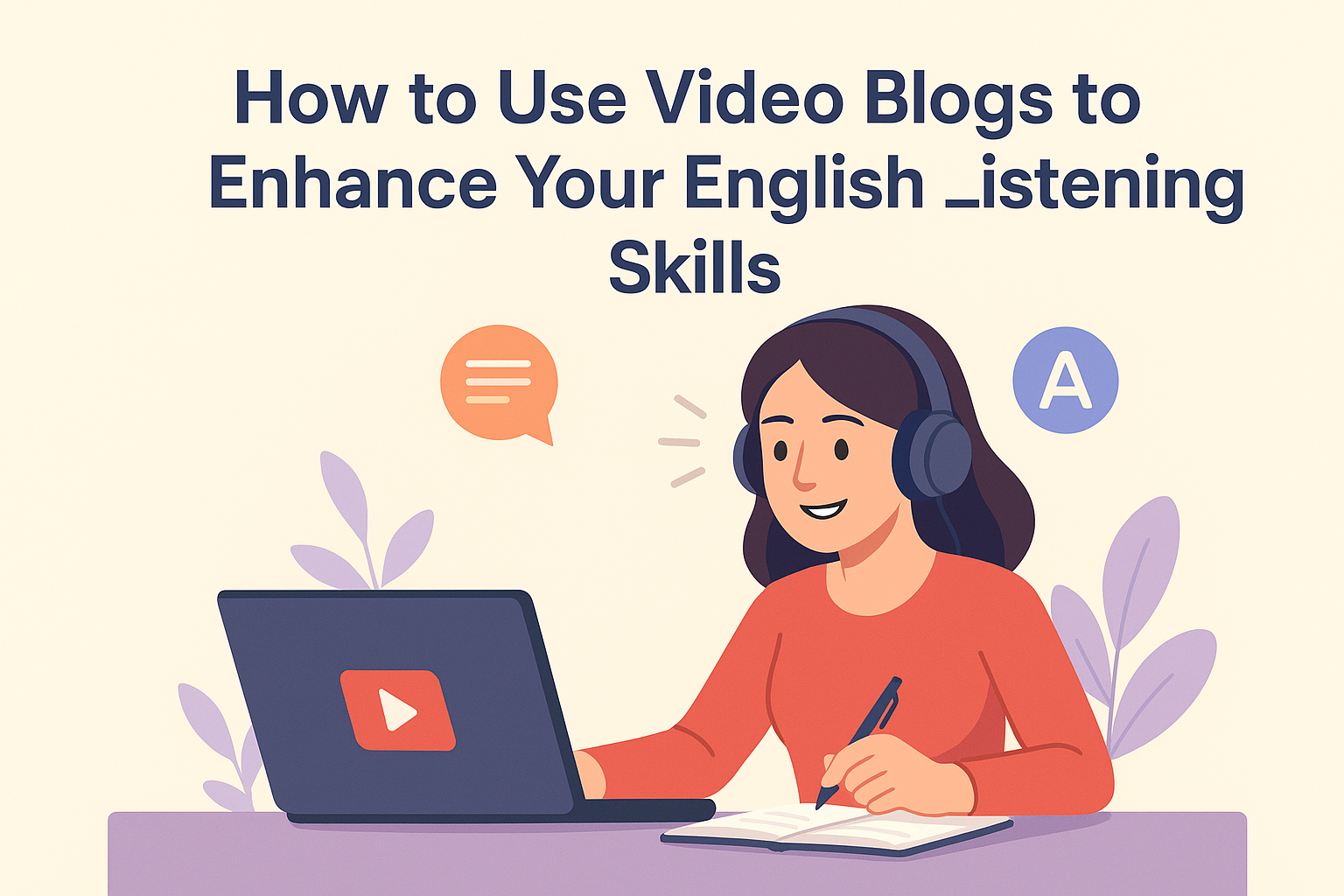
In a world increasingly dominated by digital content, honing language skills through online mediums has become not only practical but essential. Video blogs, popularly known as vlogs, have transformed from simple digital diaries into a diverse ecosystem of content that can be leveraged for educational purposes. Specifically, they are an underutilized resource for enhancing English listening skills, and yet, they matter greatly as they provide immersive, real-time exposure to the language spoken naturally by native speakers. Understanding how to effectively use video blogs can pave the way for quicker language acquisition and improve comprehension, pronunciation, and auditory skills. This article explores how leveraging this rich, interactive medium can profoundly impact your ability to master English listening skills.
Understanding Video Blogs as a Learning Tool
Video blogs, or vlogs, are online videos frequently uploaded by individuals or content creators on platforms like YouTube. These videos cover a wide range of topics, from travel and lifestyle to education and technology. Unlike traditional educational materials, vlogs offer an authentic slice of language as it is naturally used, providing learners with a way to engage with conversational English. The value of vlogs lies not only in their diversity but also in the informal, approachable way they present content. This real-world setting enriches the learning experience and allows viewers to absorb language nuances, colloquial expressions, and cultural references. A perfect example is a popular travel vlog channel, which takes viewers around the world while engaging in conversations with locals. This not only helps with listening skills but also builds cultural understanding.
Choosing the Right Vlogs for Your Skill Level
Selecting appropriate vlogs is crucial to ensure that the material matches your current English proficiency level while still providing a challenge to facilitate growth. Beginners might benefit from vlogs that have clear diction and slower speech patterns, such as instructional cooking vlogs or children’s storytelling channels. Intermediate learners could aim for vlogs with more complex subject matters but still within a comfortable conversational speed, like those focusing on technology reviews or beauty tutorials. For advanced learners, engaging with news commentary or academic discussion vlogs can push their comprehension to new heights. For instance, TED Talks channels on YouTube present global ideas worth spreading, featuring native English speakers from various domains, offering an almost limitless array of vocabulary and accents.
Setting Realistic Listening Goals
Establishing achievable goals is fundamental to any learning endeavor. When using vlogs for language practice, start by defining what you hope to gain. Are you aiming to understand different accents, increase vocabulary, or improve your ability to follow fast-paced dialogues? Once clear on your goals, structure your learning sessions around them. For instance, dedicate 30 minutes a day to watching a vlog with subtitles to bolster comprehension, then rewatch without subtitles to test your listening aptitude. Use a vlog series for consistency, and track your progress by noting down new words and expressions in a language journal. This approach ensures sustained growth and keeps motivation high.
Engaging Actively with Content
Active engagement with vlog content is a crucial strategy for language learners. Simply watching a video passive consumption alone may not lead to significant improvement. Instead, interact with the content by pausing to repeat sentences, jotting down useful phrases, or mirroring the speaker’s intonation. Many platforms, like YouTube, provide closed captioning, which can be used as a tool for cross-verifying comprehension. Another effective method is active shadowing where you attempt to speak simultaneously with the vlog host, mimicking their pace and intonation. This practice can dramatically enhance your auditory processing and pronunciation skills.
Utilizing Community Features for Enhanced Learning
Many vlogs encourage viewer interaction through comment sections, forums, and social media platforms. Engaging in these community features can significantly boost your learning experience. Join discussions on the content subject, offering your perspective or asking questions about phrases and expressions you didn’t fully grasp. This not only reinforces your listening understanding but also develops reading and writing skills. Furthermore, connecting with other learners allows for language practice in a collaborative and supportive environment. An example is the YouTube ‘React’ community, where fans interact continuously over shared interests, thereby facilitating a multi-angled language practice environment.
Incorporating Visual Aids
Visual aids can significantly augment the listening practice obtained from video blogs. Various platforms feature engaging visual content such as graphic pop-ups, step-by-step guides, or infographics directly integrated into the vlogs. Here is an example of how a visual representation might be integrated into a learning session:
| Section | Details |
|---|---|
| Introduction | Overview of topic with subtitles |
| Main Content | Use of visuals and infographics |
| Interactive Session | Prompt for comments and questions |
| Conclusion | Summary with key takeaways |
By utilizing such structured content, viewers not only improve listening skills but also aids in understanding the organizational aspects of communication. Watching content that exemplifies structure and coherence in speech provides a framework for developing similar skills in learners.
Variety and Repetition: Key to Mastery
The varied topics available in vlogs ensure that learning can be both an enlightening and enjoyable experience. Changing subjects often will expose learners to a wide array of vocabulary and context, shedding light on different cultural expressions while keeping interest alive. Moreover, repetition of the same vlog allows for reinforcement of vocabulary and comprehension. Employ the ‘repeat and recall’ method, where you continually replay a specific part of a vlog until comfortable with all spoken elements. This technique solidifies retention and aids in accurate recall of linguistic structures when needed.
The Role of Technology in Facilitating Learning
Advancements in technology have provided learners with tools that improve and customize the viewing experience of vlogs. Many apps and browser extensions offer features such as speed adjustment, due to which learners can slow down overwhelming dialogues or speed up parts they’re already familiar with. Use of translating addons can ease the transition for those struggling with understanding certain phrases. For example, language learning platforms like FluentU take this adaptability further by offering interactive subtitles and learning quizzes based on video content, transforming traditional vlog sessions into an immersive educational experience.
Summarizing Key Takeaways
In conclusion, video blogs represent a dynamic, engaging tool for boosting English listening skills. They bring diversity, authenticity, and convenience to language learning, enriching learners’ exposure to the nuances of spoken English. Through careful selection based on skill level, setting achievable goals, active engagement, leveraging community interactions, and incorporating technological aids, learners can maximize this medium’s potential and improve their proficiency notably. The integration of vlogs into study routines not only makes learning engaging but also helps develop a holistic understanding of the language in its natural use. To embark on this journey, all a learner needs to do is choose a vlog channel that excites them, commit to regular viewing, and gradually watch their listening comprehension transform. As a next step, why not start by exploring YouTube for a topic of interest and dive into the immersive learning experience that vlogs are set out to deliver?
Frequently Asked Questions
1. What are the benefits of using video blogs to improve my English listening skills?
Video blogs, or vlogs, offer a unique and effective way to improve your English listening skills. Firstly, they provide you with authentic language exposure. Unlike formal educational videos, vlogs often feature everyday conversations, slang, idioms, and expressions that native speakers use, which are vital for understanding real-world English. Moreover, vlogs frequently cover a vast array of topics, allowing you to choose content that interests you, which keeps you engaged and motivated to learn. They often include diverse accents and dialects, helping you get accustomed to English as it is spoken in various parts of the world. Another key benefit is that vlogs often have accompanying transcriptions or subtitles, which can be instrumental in helping you grasp difficult phrases or unfamiliar vocabulary. By watching vlogs consistently, you immerse yourself in the rhythm and melody of English, enhancing your overall listening comprehension.
2. How can I choose the right vlog to enhance my English listening skills?
Choosing the right vlog involves considering both your interests and your English proficiency level. Begin by selecting content that genuinely intrigues you—this could be anything from cooking shows to travel diaries, tech reviews, or lifestyle and wellness channels. The more interested you are in the content, the more likely you are to stay engaged and actively listen. Assess the complexity of language used in the vlogs—ideally, it should be slightly above your current proficiency level, which provides just the right challenge to promote learning. Look for vlogs that provide subtitles in English; this will be highly beneficial in not only improving your listening skills but also expanding your vocabulary. Reading along can enhance comprehension and retention. Additionally, consider the pace of speech; beginners might benefit more from vloggers who speak slowly and clearly, while advanced learners can tackle faster-paced content.
3. How often should I watch video blogs to see a significant improvement in my listening skills?
Consistency is key when it comes to seeing improvement in your listening skills. Ideally, you should incorporate watching vlogs into your daily routine. Aim for at least 15-30 minutes of active listening daily. The more frequently you expose yourself to the language, the faster you will develop an ear for it. If daily viewing seems overwhelming, establish a consistent schedule, such as watching a vlog every other day. The goal is to make it a habit, akin to brushing your teeth or eating breakfast. Remember that passive listening to English throughout the day, like playing vlogs in the background while you do chores, complements active listening, reinforcing the learning process. Regular exposure helps in solidifying the accent, intonation, and pronunciation of native speakers in your memory, thereby enhancing your listening prowess over time.
4. Should I engage more actively with the content of the vlogs, and how can I do that?
Absolutely, active engagement with vlog content is crucial for maximizing learning. Start by watching the vlog without distractions, focusing entirely on what the vlogger is saying. Try to summarize what you understood, either verbally or by jotting down notes. This reinforces comprehension and boosts your ability to recall information. Take advantage of the pause, rewind, and replay functions to revisit portions you found challenging—this practice is beneficial in dissecting and absorbing the intricacies of the language. Engage with the comment section if available, where you can discuss the vlog content with other viewers, seek clarifications, and even input your own thoughts in English. Additionally, mimic the speech patterns, accent, and intonation of the vloggers to practice pronunciation and tongue training. It’s beneficial to repeat sentences you find difficult aloud to improve your speaking skills alongside listening.
5. How can I track my progress while using vlogs for enhancing my English listening skills?
Tracking your progress is crucial to staying motivated and adapting your learning strategy as needed. Begin by setting specific listening skill goals, such as improving comprehension of complex phrases or understanding a particular accent. Keep a learning diary to note down new vocabulary, expressions, or phrases you encounter in vlogs, and review these regularly to reinforce learning. You can periodically test your comprehension by listening to vlogs without subtitles once you feel more confident—or alternatively, choose a vlog you struggled with earlier and see if you understand it better after some time. Recording yourself summarizing vlog content or attempting to mimic the vloggers can also provide tangible gauge of your progress. Tracking how much easier it has become to follow conversations in vlogs over weeks or months is another way to measure improvements. Celebrate your milestones to motivate yourself—and if you hit a plateau, consider changing up the vlogs or increasing your exposure time to continue growing your skills.