
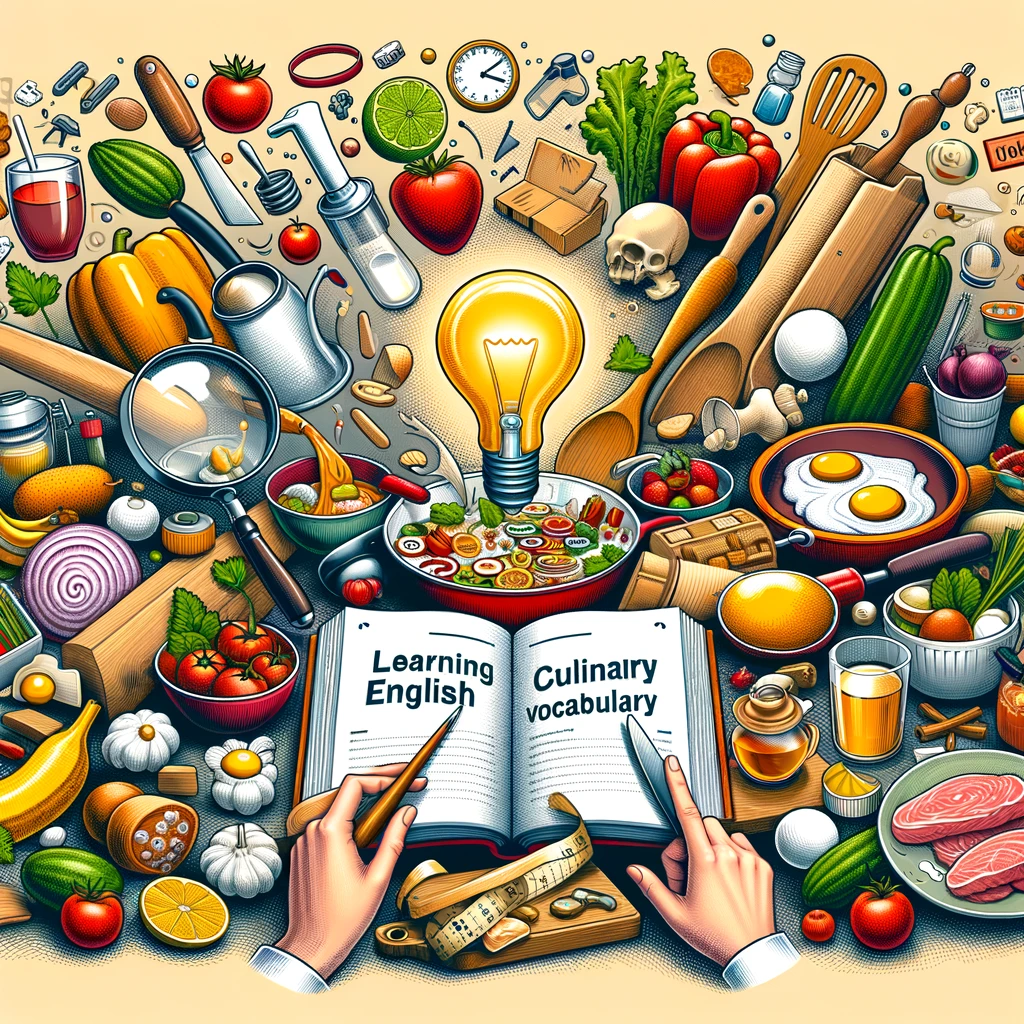
In the journey of language learning, the traditional classroom approach is often complemented by more creative and engaging methods. One such innovative method is learning English through cooking. This approach not only makes the process of acquiring a new language enjoyable but also practical. It introduces learners to a vital life skill – cooking – while simultaneously enhancing their English language proficiency.
The Essence of Culinary Vocabulary in ESL
Why Culinary Vocabulary Matters
Language is a reflection of culture, and food is a significant part of cultural expression. When ESL learners engage with culinary vocabulary, they are not just learning words; they are immersing themselves in the culture and lifestyle of English-speaking countries. This immersion aids in understanding not just the language, but the nuances and contexts in which these words are used.
Integrating Culinary Arts into Language Learning
Integrating culinary arts into ESL education offers a multi-sensory learning experience. It is a holistic approach where students engage visually, auditorily, and kinesthetically. They read recipes (visual), listen to instructions (auditory), and prepare dishes (kinesthetic). This combination ensures a more profound and lasting understanding of the language.
Building Blocks of Culinary Vocabulary
Basic Ingredients and Utensils
The journey into culinary vocabulary begins with the basics. Learning the names of common ingredients like flour, sugar, eggs, and milk, along with utensils such as spoons, forks, knives, and pans, lays the foundation. This vocabulary is not just limited to the kitchen; it is part of everyday conversations and thus, an essential starting point for ESL learners.
Cooking Methods and Techniques
As learners become more comfortable with basic vocabulary, they can move on to more complex terms related to cooking methods and techniques. Boiling, frying, grilling, baking, and sautéing are not just cooking techniques but also verbs that enhance a learner’s vocabulary and understanding of action words in English.
Recipe Language
Understanding and following a recipe is a practical way to learn English. Recipes are full of imperative sentences, measurements, and sequential language, offering learners an opportunity to understand command forms, fractions, and the concept of order and sequence in English.
Advantages of Learning English through Cooking
Cultural Integration and Real-life Application
Cooking allows learners to explore the cultural aspects of English in a tangible way. Preparing an English breakfast or an American Thanksgiving dinner brings cultural nuances to life. This method also offers immediate real-life application, making the learning process relevant and memorable.
Enhancing Communication Skills
Cooking classes are an excellent platform for practicing conversational English. Discussing recipes, asking questions, and working in groups enhance speaking and listening skills. The informal setting of a kitchen reduces the pressure often felt in a traditional classroom, encouraging more natural communication.
Vocabulary Retention and Cognitive Development
The hands-on nature of cooking ensures that learners are actively engaged, leading to better retention of vocabulary. Furthermore, following a recipe enhances cognitive skills such as following instructions, problem-solving, and multitasking – essential skills in language learning and beyond.
Implementing Culinary Vocabulary in ESL Education
Interactive Cooking Sessions
Organizing cooking classes where English is the medium of instruction is an effective way to introduce culinary vocabulary. These sessions can be themed around different cuisines, offering a wide range of vocabulary and cultural knowledge.
Recipe Translation Activities
Translating recipes from a learner’s native language to English is a beneficial exercise. It allows learners to directly apply their existing culinary knowledge while learning new English terms and sentence structures.
Cooking-Related Language Games
Games such as ‘name that utensil’ or ‘describe the dish’ can make learning culinary vocabulary fun and interactive. These activities encourage learners to use new words in different contexts, enhancing their language fluency.
Challenges and Solutions
Overcoming the Barrier of Unfamiliar Cuisine
Some learners might be unfamiliar with certain ingredients or dishes common in English-speaking countries. To address this, educators can include dishes from the learners’ native cuisines and draw parallels to English equivalents.
Catering to Different Dietary Restrictions
Cooking sessions should be inclusive, considering various dietary restrictions and preferences. Offering a variety of recipes ensures that all learners can participate fully.

Expanding Culinary Vocabulary: Advanced Learning
Exploring Regional Dialects and Slang
As learners advance, introducing them to regional dialects and slang related to food can be enlightening. This includes terms like “grits” in the Southern United States or “bangers” in the UK, offering a deeper understanding of English as it is spoken in different regions.
Descriptive Language for Food
Encouraging students to describe the taste, texture, and aroma of food enhances their descriptive language skills. Words like “crunchy,” “savory,” “aromatic,” and “tangy” expand their adjective vocabulary and enable them to express themselves more vividly.
Discussing Food-Related Topics
Engaging learners in discussions about food-related topics such as nutrition, food ethics, and culinary traditions helps them to use their vocabulary in broader conversations. This not only enhances their speaking skills but also their critical thinking abilities.
Technology in Culinary Language Learning
Utilizing Multimedia Resources
Incorporating multimedia resources like cooking videos, food blogs, and online recipes can complement the culinary vocabulary learning experience. These resources provide visual and auditory stimuli, making the learning process more engaging and effective.
Online Cooking Forums and Social Media
Participating in online cooking forums and social media groups can provide an authentic environment for learners to use their culinary vocabulary. These platforms offer opportunities to read, write, and interact with native speakers and fellow learners.
Language Learning Apps with a Culinary Focus
Some language learning apps offer modules focused on specific themes, including cooking. These modules can be a useful tool for learners to practice culinary vocabulary in a structured yet flexible manner.
Curriculum Integration
Structuring a Culinary-Based ESL Curriculum
To effectively incorporate culinary vocabulary into ESL education, educators should design a curriculum that gradually introduces cooking-related terms. Starting from basic ingredients and kitchen utensils and progressing to complex cooking techniques and cultural dishes ensures a comprehensive learning experience.
Assessing Culinary Vocabulary Proficiency
Assessment methods can include practical cooking tests, written exams on recipe translations, oral presentations on a favorite dish, or group discussions on food-related topics. These varied assessment forms not only test the learners’ vocabulary but also their ability to use the language in different contexts.
Collaborations with Culinary Schools
Collaborations between language schools and culinary institutes can be beneficial. Such partnerships can offer specialized courses where language learning and culinary education are integrated, providing learners with a unique educational experience.
Community Engagement and Real-World Practice
Organizing Food Festivals and Cook-offs
Schools and language centers can organize food festivals or cooking competitions where learners can showcase their cooking skills and use their English in a real-world context. This not only boosts their confidence but also fosters a sense of community among learners.
Volunteer Opportunities in Local Restaurants
Volunteering in local restaurants or cafes that serve English-speaking clientele can provide immersive language practice for learners. This real-world experience is invaluable in not only mastering culinary vocabulary but also in understanding the practical use of English in everyday life.
Field Trips to Local Markets and Food Producers
Field trips to local markets, farms, or food producers can expose learners to a wide range of vocabulary and real-life conversations. Interacting with vendors and producers offers an authentic and practical way to test and improve their language skills.
Conclusion
The integration of culinary vocabulary into ESL education offers a flavorful and effective approach to language learning. It transcends the boundaries of conventional teaching methods, making the journey of learning English as enjoyable and enriching as savoring a well-cooked meal. By combining the art of cooking with language education, learners not only become proficient in English but also gain cultural insights and practical life skills. As they whisk and stir their way through recipes, they are simultaneously blending a rich array of vocabulary and cultural experiences, creating a comprehensive and enjoyable language learning journey.





