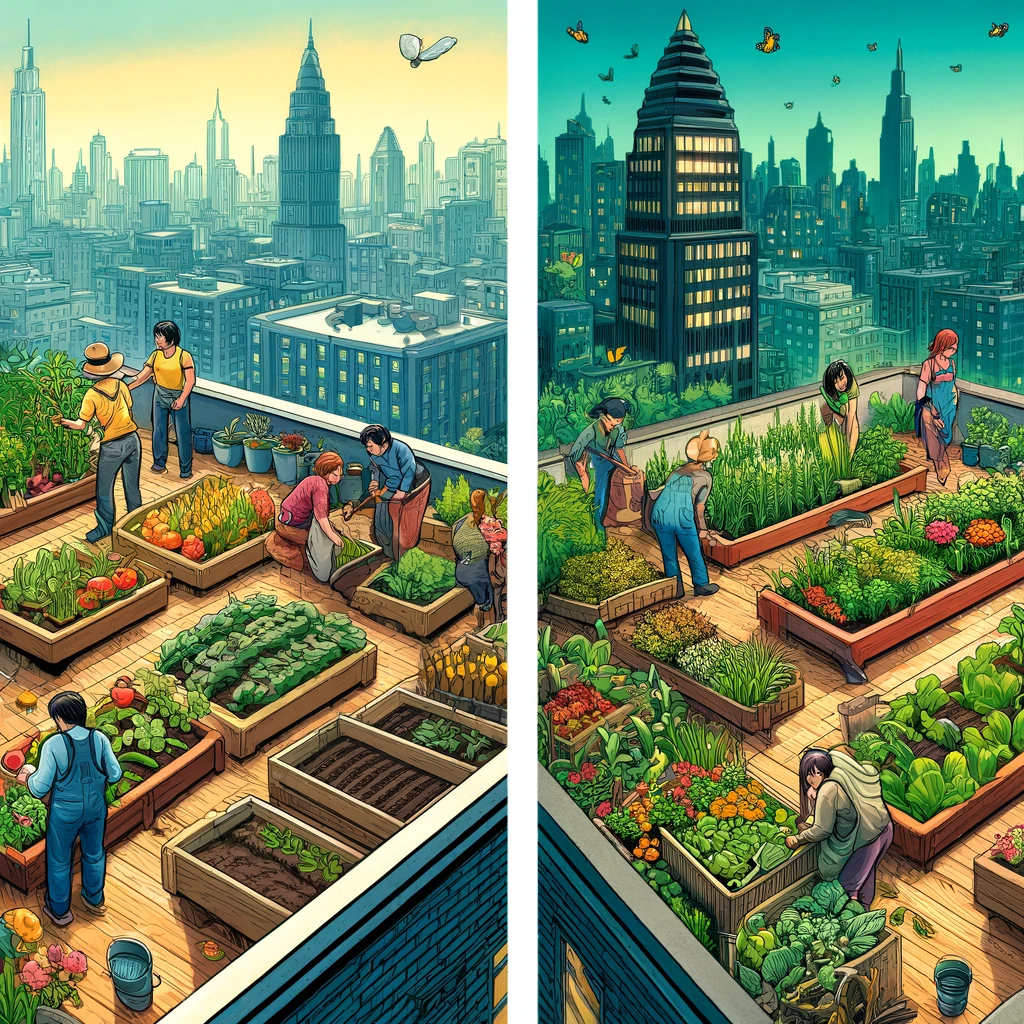
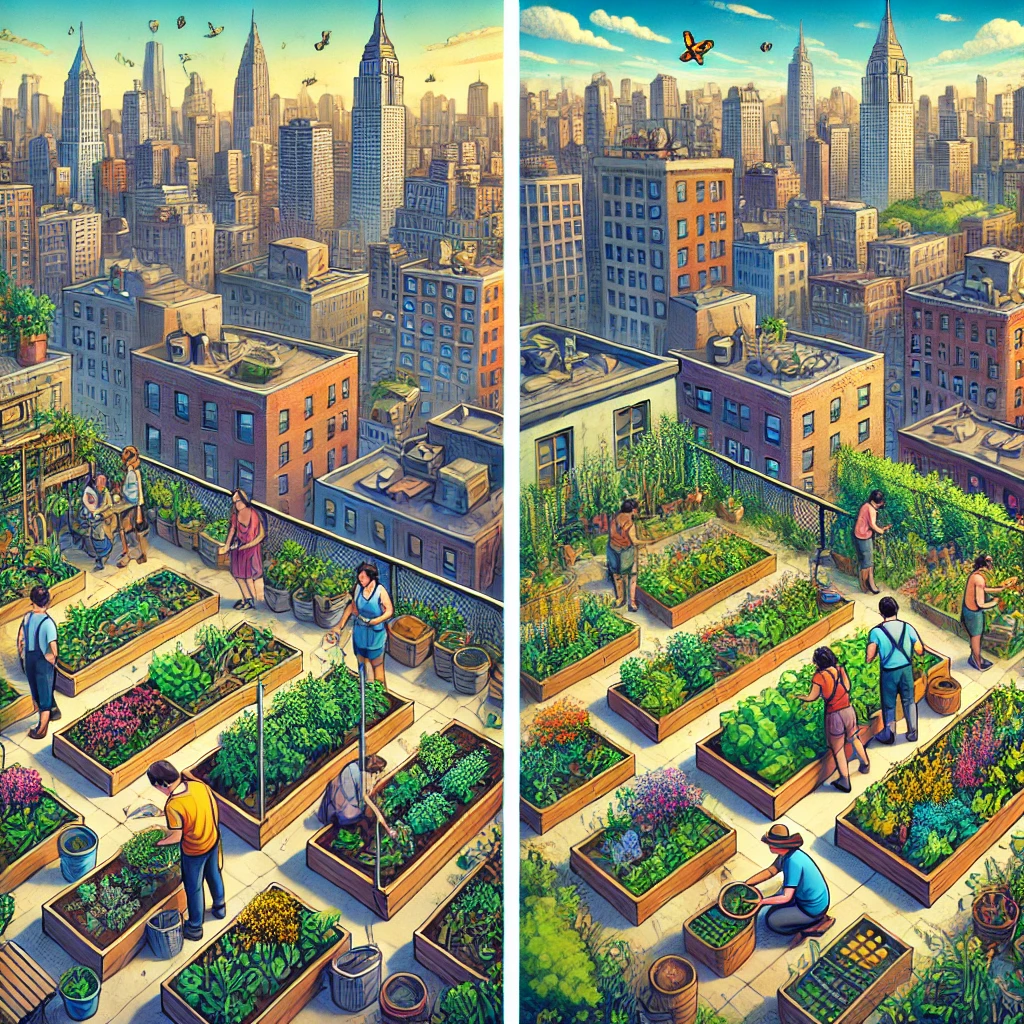
Learning a new language can sometimes feel like pulling weeds in a garden. It requires patience, dedication, and the right environment for fruitful results. What if you could merge the enriching experience of learning English as a Second Language (ESL) with the satisfying activity of urban gardening? Not only would you be nurturing plants but also cultivating your linguistic skills. In urban settings, city gardens have blossomed in popularity, providing small green spaces where individuals can plant vegetables, herbs, and flowers. These urban oases serve not just as a source of fresh produce but also as a valuable platform for interactive and practical language learning. This article explores how urban gardening can be utilized to enhance English learning for ESL students. We’ll delve into various benefits, practical steps to get started, and effective activities to turn gardening into an educational adventure.
Benefits of Learning English Through Urban Gardening
Integrating urban gardening with English learning offers several salient benefits. Firstly, it provides a real-world context to learn vocabulary associated with plants, gardening tools, and seasonal activities. When you’re actively engaged in lining up your seeds or checking the soil moisture, you’re more likely to remember terms like “sprout,” “trowel,” or “fertilizer.” This hands-on approach makes learning not just theoretical but also practical, solidifying new words in your memory.
Another advantage lies in the environmental and social aspect of urban gardening. By participating in community gardens, ESL learners can interact with native English speakers and other learners. This creates numerous opportunities for conversation, collaboration, and cultural exchange. Moreover, the calming nature of gardening can reduce the stress and anxiety often associated with language learning, making it a more enjoyable experience. Lastly, the sensory experiences involved in gardening—touching the soil, smelling the flowers, and hearing the rustling leaves—engage multiple senses, aiding in memory retention and making language acquisition more holistic.
Getting Started: Creating Your Urban Gardening Space
The first step in this exciting journey is to find or create an urban garden space. If you live in an apartment, look for community gardens in your neighborhood. These shared spaces often provide plots that you can rent for a season. Libraries and community centers are also good places to check for local gardening resources and opportunities. If a community garden isn’t an option, consider starting a small garden on a balcony or even inside your apartment with containers.
Once you’ve secured a gardening spot, you’ll need some basic supplies, such as pots, soil, seeds, and tools like a spade and watering can. Make a list in English of everything you need, and use this list as a vocabulary exercise. Next, label your tools and plants with their English names. This will keep the terminology fresh in your mind every time you see them. You can also maintain a gardening journal in English, where you record your observations, track plant growth, and note any issues or successes you encounter.
Expanding Vocabulary: Practical Activities and Exercises
Urban gardening offers a plethora of vocabulary-building opportunities. Start with the basics by learning the names of different plants and gardening tools. You can make flashcards with the English word on one side and a picture or definition on the other. Regular review sessions will help reinforce these terms.
Consider creating a weekly vocabulary challenge. Each week, focus on a different aspect of gardening such as plant anatomy, types of soil, or weather conditions. Write down new words in your gardening journal and use them in sentences. For example, if you’re learning about plant anatomy, you might write, “The stem supports the plant and transports water and nutrients.”
Another effective exercise is to describe your gardening processes in English. Narrate your actions as you go: “Today, I am planting sunflower seeds. First, I dig a small hole in the soil. Next, I place the seed in the hole and cover it with soil.”
Creating Interactive Learning Opportunities
One of the best parts about urban gardening is the potential for interactive learning. Form a gardening club with other ESL learners or English speakers interested in gardening. These clubs can meet regularly to work on gardening projects and discuss their progress, providing ample opportunity for spoken English practice.
Take advantage of local gardening events or workshops. Many communities host planting days, produce swaps, and educational workshops that are perfect for practicing English in a real-world context. Engaging with knowledgeable gardeners can expose you to new vocabulary and sentence structures directly related to gardening and the environment.
Online platforms can also be beneficial. Join gardening forums or social media groups where you can ask questions, share your gardening achievements, and receive advice all in English. These communities can be a great source of motivation and support.
Implementing English Exercises in Gardening Tasks
To make gardening a more robust language-learning experience, integrate specific English exercises into your tasks. For instance, before starting your planting process, read the seed packet instructions aloud. This will help with pronunciation, reading comprehension, and following multi-step directions.
Composing plant care schedules in English is another excellent exercise. Include details like watering frequency, sunlight requirements, and fertilization times. Describing these schedules in either written or spoken English can significantly enhance your language proficiency.
Listening practice can also be incorporated. There are numerous gardening podcasts and YouTube channels available in English that provide practical advice and knowledge. Listening to these resources while gardening will help improve your auditory skills and familiarize you with different accents and terminologies.
Developing Conversation Skills Through Gardening
Gardening is inherently a collaborative activity, providing numerous opportunities to practice conversational English. Engage in discussions with fellow gardeners. If you’re part of a community garden, don’t hesitate to ask others for tips and advice. Simple questions like, “How often do you water your herbs?” or “What’s the best way to prevent pests?” trigger conversations and make language learning more dynamic.
Another idea is to conduct mini-interviews with other gardeners about their gardening experiences and preferences. Compile questions in English ahead of time and practice them until you’re comfortable. This exercise improves both your questioning and listening abilities.
Hosting a “garden tour” for friends or family is another engaging way to practice English. Explain the types of plants you’re growing, discuss the care each plant requires, and share any interesting facts or stories about your gardening journey.
Conclusion
Combining urban gardening with English learning transforms a routine language practice into an engaging, multisensory adventure. This method not only enriches your vocabulary and comprehension but also encourages practical application through hands-on activities, social interaction, and collaborative learning. Starting a garden—whether in a community plot or on your windowsill—provides an excellent platform for improving your English in a fun, relaxing, and productive way.
As you delve deeper into your urban gardening adventures, remember to document your learning journey. Keep track of new words, describe your activities, and most importantly, enjoy the process. Language learning, much like gardening, flourishes with consistent care, patience, and a willingness to embrace new experiences. So grab your trowel, dig in, and watch both your plants and your English skills grow!