
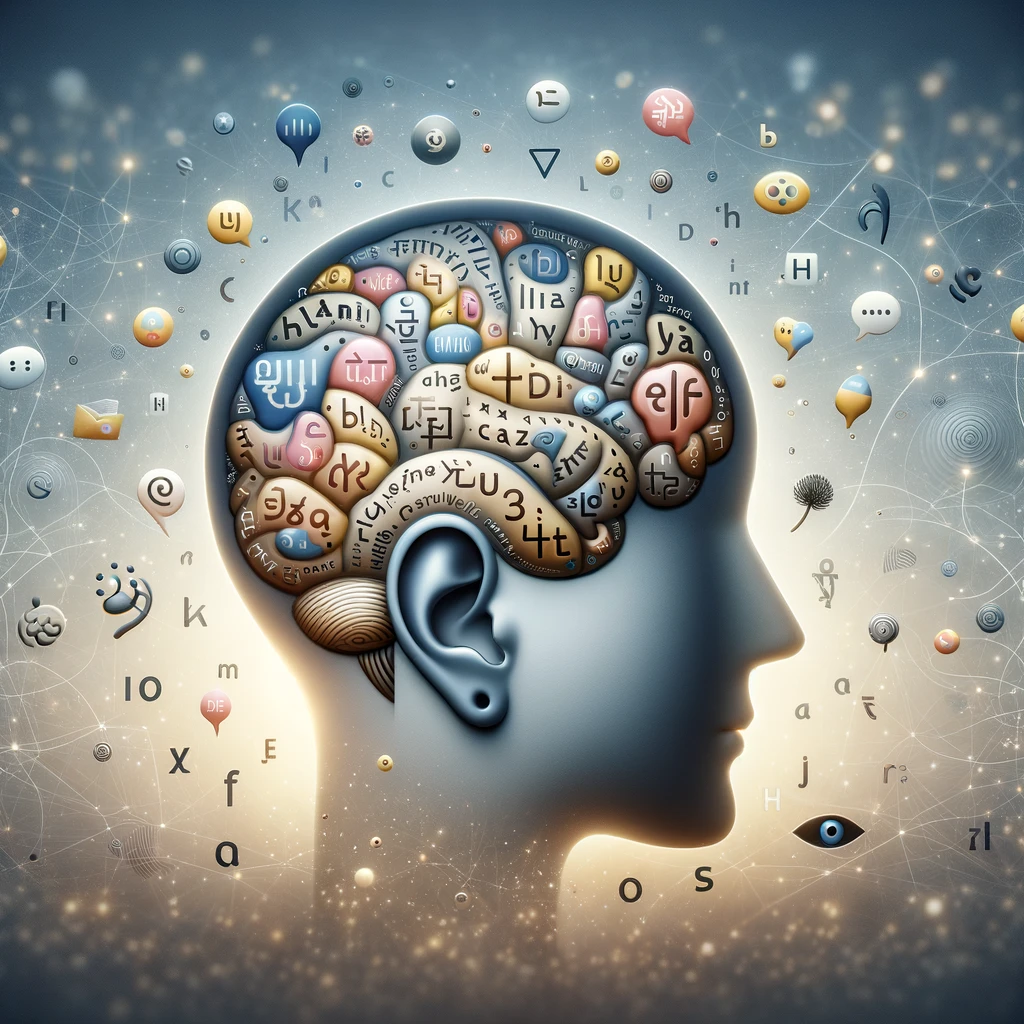
Learning a new language, especially for English as a Second Language (ESL) learners, is a complex and multifaceted process. A critical component of this journey is the role of memory. Memory, in its various forms, plays a pivotal role in the acquisition and retention of a new language. This article delves into the intricacies of how memory functions in language acquisition, offering insights into effective learning strategies for ESL educators and learners.
Understanding Memory in Language Learning
Types of Memory
To comprehend the role of memory in language learning, it’s essential to understand its different types:
- Short-term Memory: This is the initial phase of memory where information is temporarily held. In language learning, short-term memory is crucial for grasping new words and structures.
- Long-term Memory: This is where information is stored for extended periods. For language learners, transferring knowledge from short-term to long-term memory is vital for fluency.
- Working Memory: This type of memory is responsible for holding and manipulating information. It plays a significant role in understanding and producing language in real-time.
The Process of Memorization
Memorization in language learning isn’t just about rote learning; it involves a deeper cognitive process:
- Encoding: This is the first step where learners are exposed to new language input.
- Storage: Next, the information is stored in the brain.
- Retrieval: Finally, learners recall and use the language when needed.
The Role of Memory in Different Language Skills
Vocabulary Acquisition
Memory is crucial for vocabulary acquisition. The more effectively a learner can store and retrieve new words, the better their vocabulary becomes. Techniques like spaced repetition and mnemonic devices are beneficial in enhancing vocabulary memory.
Grammar and Syntax
Understanding and remembering grammar rules and sentence structures require strong memory skills. Pattern recognition, a memory-based skill, allows learners to identify and apply grammatical rules.
Listening and Speaking
Effective listening and speaking in a new language depend heavily on working memory. This memory type helps learners to process spoken language in real-time and produce coherent speech.
Reading and Writing
Memory plays a role in reading comprehension and writing ability. Recognizing words and recalling grammatical structures are essential for these skills.
Strategies to Enhance Memory in Language Learning
Repetition and Practice
Repetition is a time-tested method for memory reinforcement. Regular practice helps in transferring language skills from short-term to long-term memory.
Use of Mnemonics
Mnemonic devices are tools that aid in remembering information. For language learners, mnemonics can take the form of acronyms, visual imagery, or associations.
Contextual Learning
Learning language in context rather than in isolation helps in better memory retention. Contextual learning involves using language in meaningful and real-life situations.
Multi-Sensory Learning
Engaging multiple senses enhances memory. This can include listening, speaking, writing, and visual aids.
Spaced Repetition Systems (SRS)
SRS are computer-based programs that help in memorizing and reviewing information at optimal intervals. These systems are particularly effective for vocabulary acquisition.
Challenges and Solutions
Forgetting Curve
Language learners often face the forgetting curve, where information is lost over time. Regular review and practice are crucial in combating this.
Cognitive Overload
ESL learners can experience cognitive overload when too much information is presented at once. Breaking down lessons into smaller, manageable chunks can help.
Motivation and Memory
Motivation plays a significant role in memory. Keeping learners motivated and engaged through interactive and enjoyable activities can enhance memory retention.

Memory Techniques in Language Education
The Role of Visualization
Visualization enhances memory by creating mental images of the material. For ESL learners, visualizing vocabulary words, grammatical structures, or conversational scenarios can lead to better retention and recall.
Storytelling and Narrative
Storytelling is an effective way to make language memorable. By embedding new words and grammar into stories, learners find it easier to remember and use them in context.
Peer Teaching and Collaborative Learning
When learners teach each other, it reinforces their memory. Collaborative learning environments encourage active participation and repetition, aiding in solidifying language skills.
Incorporating Technology in Memory Enhancement
Language Learning Apps
Apps like Duolingo or Babbel utilize memory-enhancing techniques through interactive and engaging activities. They often employ SRS and gamification to make learning more effective.
Online Flashcards
Digital flashcards, such as those found on Quizlet, allow for customizable and portable language practice. They are an excellent tool for reinforcing vocabulary and grammar.
Virtual Reality (VR) and Augmented Reality (AR)
VR and AR technologies provide immersive language learning experiences. They can simulate real-life scenarios where learners can practice and remember language use in context.
The Neuroscience of Language and Memory
Understanding how the brain processes and stores language can inform teaching strategies. Neuroscientific studies have shown that language learning can increase brain plasticity and improve overall cognitive functions.
Psychological Aspects of Memory in Language Learning
The Role of Emotions
Emotional states significantly impact memory. Positive emotions can enhance the ability to remember language, while stress or anxiety can hinder it.
The Confidence-Memory Link
Confidence in using a language can reinforce memory. Creating a supportive learning environment where mistakes are part of the learning process can boost confidence and memory retention.
Cultural Considerations in Memory and Language Learning
The Impact of Cultural Background
Cultural background influences how individuals learn and remember. Understanding and integrating cultural nuances in language teaching can aid in memory retention.
Language and Cultural Identity
Language learning is not just about memorizing words; it’s also about understanding and embracing different cultures. This cultural connection can make the language more memorable.
Memory and the Adult Learner
Adult learners often face different challenges than younger learners in language acquisition. Tailoring memory techniques to suit their learning style and cognitive abilities can enhance their language learning experience.
Assessing Memory in Language Learning
Regular assessment helps in tracking memory and language progress. Formative assessments, such as quizzes and practical speaking tests, can provide valuable feedback for both learners and educators.
Future Directions in Memory and Language Learning
Research and Innovations
Ongoing research in cognitive psychology and linguistics continues to provide new insights into memory in language learning. Staying abreast of these developments can inform effective teaching practices.
The Role of AI in Personalized Learning
Artificial intelligence can offer personalized language learning experiences. AI-driven programs can adapt to individual memory capabilities, optimizing the learning process.
Conclusion
In conclusion, memory is a fundamental component of language acquisition, particularly in the context of ESL education. By leveraging various memory techniques and integrating technology, educators can enhance the effectiveness of language learning. Understanding the intricate relationship between memory and language, and adapting to the diverse needs of learners, are key to successful language acquisition. As research in this field evolves, it will continue to shape and improve how we teach and learn languages.





