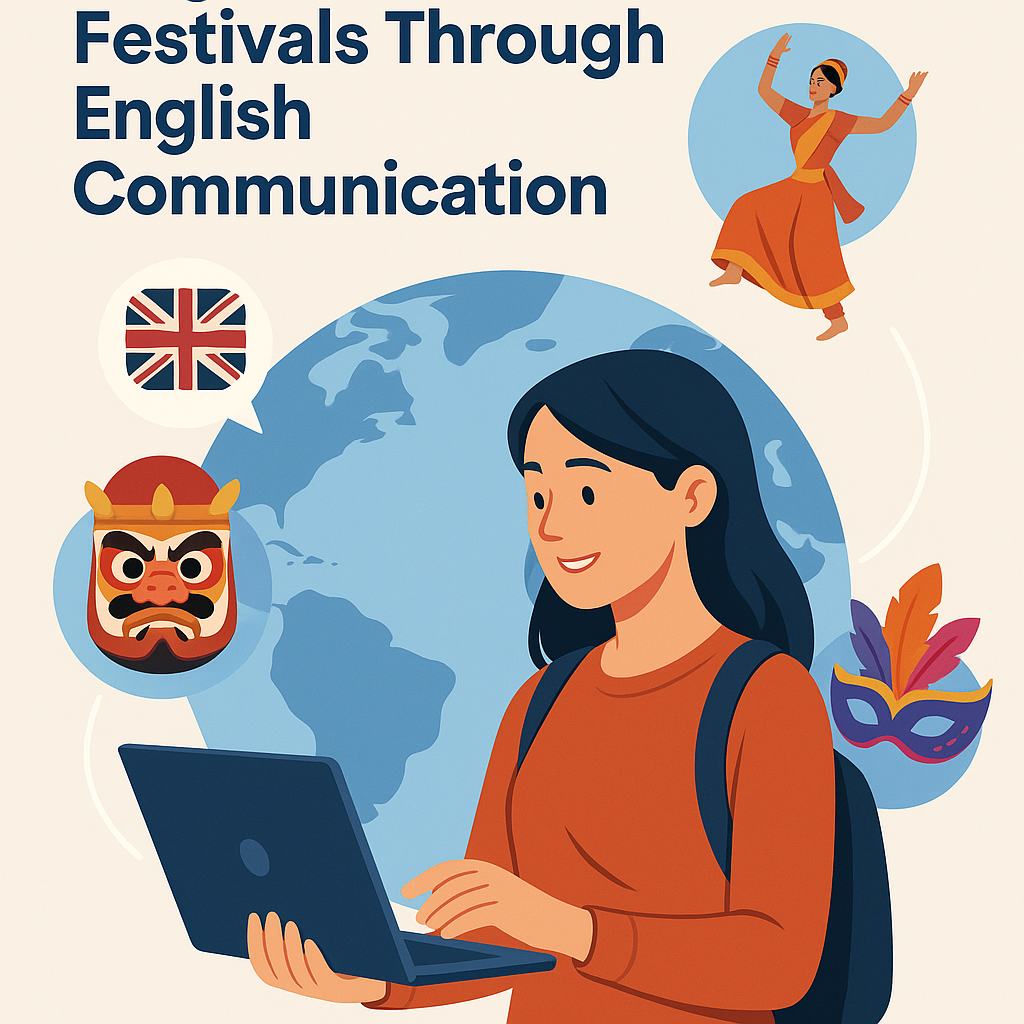
Festivals are vibrant expressions of a culture’s traditions, heritage, and values. Across the globe, they provide an opportunity for communities to come together, celebrate, and share their customs with others. However, for travelers, navigating these diverse festivals can be a daunting task, primarily due to language barriers. English, being a global lingua franca, offers a bridge that helps connect people from different backgrounds during such festivities. Through effective communication in English, travelers can enrich their cultural experiences, fostering understanding and appreciation of worldwide traditions.
Understanding key terms in this context is crucial. “Festival” refers to a period of celebration, often cultural or religious, observed by a community or group. “Lingua franca” denotes a language that is adopted as a common language between speakers whose native languages are different. Given that English is widely spoken across the globe, it acts undeniably as a vital tool in facilitating smooth interactions during various cultural festivals. The importance of navigating festivals through English communication transcends mere language synergy; it fosters cultural exchange and broadens perspectives, thus promoting global harmony and mutual respect.
The Role of English in Bridging Cultural Gaps During Festivals
Cultural festivals are characterized by unique customs, rituals, and social norms. While these elements enhance the richness of the experience, they can also pose challenges, especially if one is unfamiliar with the local language. English serves as a common ground, allowing travelers to effectively communicate and comprehend the various aspects of the festival, from understanding event schedules to following etiquette.
Take, for example, the Rio Carnival in Brazil—a world-famous festival that attracts millions of tourists annually. While Portuguese is Brazil’s official language, the influx of international visitors has necessitated the use of English for clearer communication. From ordering food at local stalls to engaging with performers, English helps break down barriers. Travelers can ask questions, share experiences, and partake in the extravaganza without feeling alienated.
Facilitating Connections Through English During International Festival Exchanges
International festivals are not just about witnessing cultural displays; they are platforms for building connections and forging friendships. English plays an integral role in this networking process. Whether it’s through conversations with fellow festival-goers or engaging with local hosts, the use of English promotes inclusivity.
Consider the Edinburgh Festival Fringe, the largest arts festival in the world. Artists and audiences from numerous countries converge in Scotland, creating a melting pot of cultures. The common use of English allows participants to collaborate seamlessly, share artistic ideas, and appreciate performances beyond linguistic confines. This level of interaction fosters a sense of community and unity, enriching the overall festival experience for all involved.
Ensuring Safety and Accessibility Via English During Festivals
Safety is paramount at large-scale festivals, where language barriers could lead to misunderstandings and miscommunications. English serves as a universal language that can be crucial in emergencies or when seeking assistance. Clear guidelines, safety measures, and emergency contacts disseminated in English contribute substantially to attendees’ well-being.
The Tomorrowland music festival in Belgium is a prime example. Despite attracting a global audience, all essential information, including safety instructions, evacuation plans, and health advisories, are made available in English. This ensures that all participants, regardless of their nationality, have access to critical information, facilitating a secure and enjoyable festival experience.
Enhancing the Festival Experience Through Multilingual Support Teams
Many festivals have recognized the need for incorporating English language support to cater to international visitors. Multilingual helpdesks, signage, and translation services are often employed to ensure seamless communication. By prioritizing English communication, festival organizers enhance visitor experience, allowing for greater participation and satisfaction.
An illustrative case can be found at the Harbin International Ice and Snow Sculpture Festival in China. With attractions spread over vast areas, clear directions and explanations become essential. To accommodate the increasing number of tourists, information placards, guided tours, and festival applications are available in both Mandarin and English, ensuring that even those unfamiliar with the local language can enjoy the festival’s wonders fully.
Navigating Culinary Delights at Global Festivals Through English
Food is an integral part of cultural festivals, offering a delicious window into local traditions and lifestyles. For many travelers, trying local dishes is a highlight. Here, English plays a pivotal role in understanding menus, ingredients, and preparation methods.
The Lunar New Year celebrations in countries like China, Vietnam, and Singapore revolve significantly around food. English-language menus and informational brochures help international visitors make informed choices, avoiding allergens and dietary conflicts while indulging in local delicacies. This not only enhances culinary appreciation but also promotes the cross-cultural exchange of culinary traditions.
| Festival | Country | Main Language | English Support |
|---|---|---|---|
| Rio Carnival | Brazil | Portuguese | Yes (Guides, Signage) |
| Edinburgh Festival Fringe | Scotland | English | Primary Language |
| Tomorrowland | Belgium | Dutch, French | Yes (Safety Info, Guides) |
| Harbin Ice Festival | China | Mandarin | Yes (Tours, Signage) |
| Lunar New Year | Various | Varies | Yes (Menus, Brochures) |
Fostering Global Peace And Collaboration Through Festival Participation
Participating in festivals around the world through English communication extends beyond enjoyment; it serves as a catalyst for global peace and collaboration. Understanding and respect for cultural differences reduce prejudices and fosters collaboration across borders.
An example is the global participation in Oktoberfest in Germany. While the festival itself revolves around German culture and beer, English-speaking guides, websites, and customer service representatives remove barriers, inviting people from different nations to join the celebration harmoniously. Such interactions encourage global camaraderie and appreciation for shared human experiences.
Unveiling Global Traditions through English: Essential Lessons
In conclusion, leveraging English for communication during global festivals undeniably enriches the traveler’s experience. Harnessing the power of this common language bridges cultural divides, ensuring a more inclusive, safe, and enjoyable festival participation for people from all walks of life. By facilitating deeper understanding and higher engagement, English transforms these cultural events into universally accessible celebrations.
As we observe how English enhances these vibrant gatherings, the primary takeaway is that language can indeed be a powerful tool for unity. Whether it’s navigating culinary experiences, ensuring safety, or simply enjoying shared moments, English enables participants to overcome language barriers. As such, embracing opportunities to explore festivals worldwide through English not only serves as a step towards personal enrichment but also contributes to fostering global unity.
Thus, the call to action is simple yet meaningful: seize the chance to explore diverse festivals around the world, utilizing English to enhance your interactions and understanding. Not only will you gather unforgettable memories, but you will also play an active role in nurturing intercultural appreciation and peace.
Embrace these celebrations, share your own experiences, and become a part of the beautiful tapestry of global cultural exchange. Begin your journey of exploring worldwide festivals enabled by English communication today, and let the world inspire you.
Frequently Asked Questions
1. How can English communication help me enjoy festivals worldwide?
English is a global lingua franca, meaning it is a common language that can connect people across different countries and cultures. When you attend festivals around the world, most likely you’ll encounter a diverse range of attendees who may not speak your native language. By using English, you can better interact with fellow festival-goers, locals, and vendors. It allows you to ask questions, understand schedules, participate in activities, or even negotiate when shopping for local crafts and souvenirs. Moreover, many popular festivals provide guides, signs, and information booklets in English, making it easier for you to get around and not miss out on any key experiences. In essence, English bridges the gap, facilitating enriching cross-cultural interactions and deeper enjoyment of the festivals.
2. What are some tips for effectively communicating in English during international festivals?
Firstly, familiarize yourself with some basic English phrases or questions that can come in handy, such as asking for directions, the location of amenities, or expressing gratitude. Secondly, try to speak slowly and clearly to help avoid misunderstandings, especially in noisy environments where festivities are in full swing. Additionally, when interacting with someone who isn’t a native English speaker, be patient and considerate—using gestures or visual aids can further assist in communication. It’s also a good idea to utilize translation apps or devices if needed. Being open-minded and respectful of cultural differences while using English as a common ground can lead to meaningful conversations and friendships. Remember, enthusiasm and a friendly demeanor can go a long way, sometimes even more than perfect grammar.
3. Are there any festivals where English is predominantly used?
Yes, there are several international festivals where English tends to be the primary language used even if they are held in non-English speaking countries. Events such as the Edinburgh Festival Fringe in Scotland, the Cannes Film Festival in France, and the Oktoberfest in Germany attract a global audience. Consequently, English becomes widely spoken to accommodate the international crowd. Additionally, many music festivals like Tomorrowland in Belgium or Coachella in the United States have attendees from all around the world, making English a common medium. Even in other local cultural or religious festivals, event organizers often provide information in English to cater to tourists, which significantly enhances the accessibility and enjoyment for non-native language speakers.
4. How can I prepare for attending international festivals regarding language and communication?
Preparation is key when planning to attend international festivals. Start by researching the festival ahead, noting any cultural nuances or must-see activities. Learn a few key phrases in the local language—it can endear you to locals and make minor interactions smoother. Make use of technology by downloading translation apps or travel guides. Stay updated with any official announcements related to the festival, as these are often released in English. Consider enrolling in language exchange forums online to practice your English and possibly conversate with someone from the region you are visiting. Most importantly, pack an open mindset along with your suitcase—being adaptable and respectful can lead to a far richer festival experience.
5. What are common challenges travelers face with language barriers at festivals, and how can they overcome them using English?
Travelers often experience challenges like misunderstanding festival schedules, difficulties in socializing with locals, or even miscommunications when ordering food or buying tickets. These barriers can be frustrating and might hinder the overall festival experience. To overcome them using English, travelers should first seek out official festival resources in English, such as maps or program guides, which can mitigate confusion. Engaging with event volunteers or staff who likely speak English can provide clarity and guidance. Don’t hesitate to join English-speaking tour groups or community forums where information and experiences are shared among English speakers. Exploring online communities dedicated to the specific festival can also yield valuable insight and tips for a smoother experience. Having the confidence to start dialogues or ask for help in English can transform potential challenges into opportunities for learning and connection.