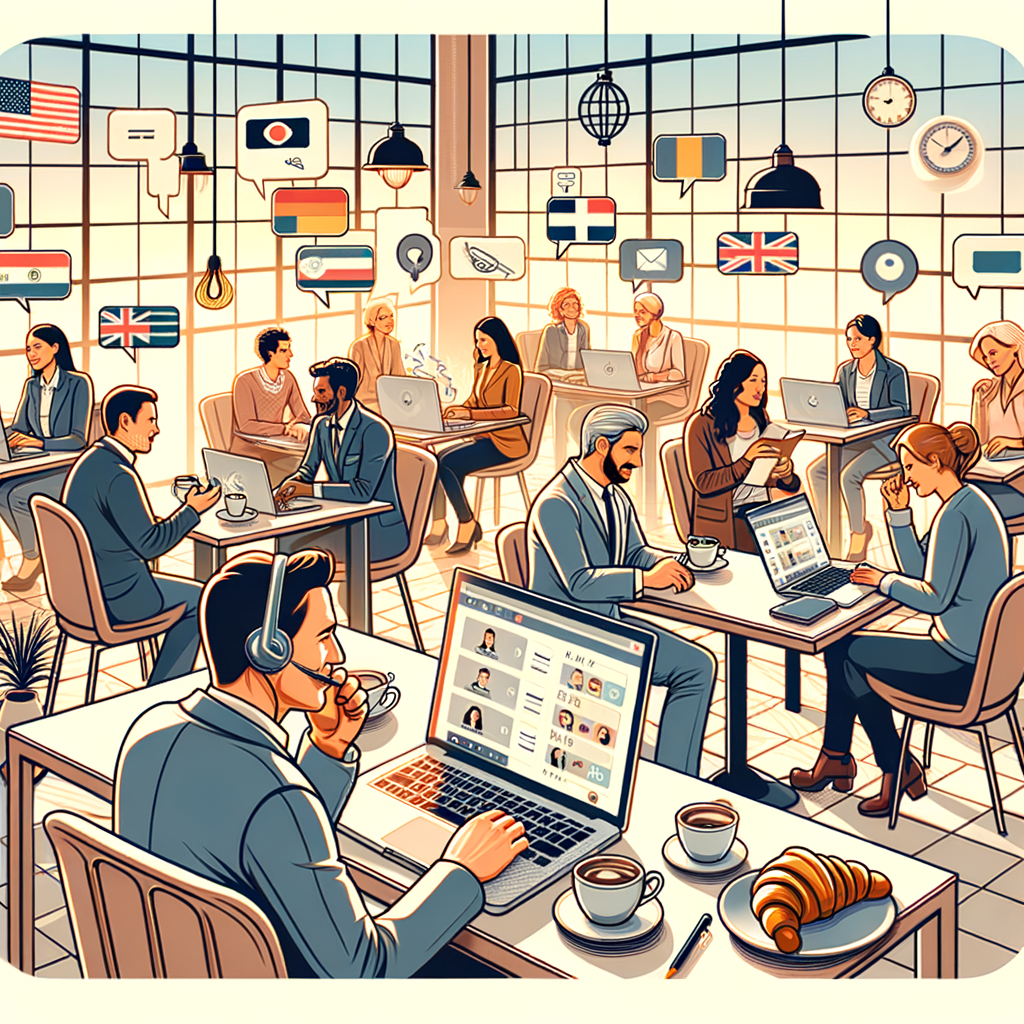
In a fast-paced world increasingly dominated by digital landscapes, the allure of learning new languages has not dwindled. Virtual language cafés have emerged as pivotal platforms for linguistic zealots and beginners alike. They offer a potent blend of interaction, learning, and immersion right from the comfort of one’s home. If you’re new to the world of virtual language cafés, you might wonder how to navigate these vibrant communities effectively. This guide is intended to familiarize beginners with the concept, benefits, and strategies for engaging successfully in virtual language cafés. By participants, we mean those who seek to explore cultural and linguistic diversity without physical constraints. It can be intimidating initially, but rest assured, this can become a rewarding and enriching journey. Virtual language cafés foster an environment that encourages patience, practice, and progress. We will delve into what these unconventional ‘cafés’ consist of, how to join them, and the advantages they encapsulate, providing you with a comprehensive manual to get started. As we embark on this guide, let’s first appreciate the growing relevance of language acquisition in our interconnected world. The globalized economy and societal interactions range widely, necessitating multilingual communication skills. These skills not only assist in career prospects but also enhance cognitive stimulation and intercultural appreciation. Language cafés, particularly virtual ones, break down geographical and cultural barriers, democratizing access to linguistic education and cultural exchanges. Understanding this context is pivotal as we begin our exploration.
Understanding Virtual Language Cafés
Virtual language cafés are online platforms or communities where individuals gather to learn and practice foreign languages. Unlike formal classes, these cafés typically provide relaxed, social environments conducive to learning through practical conversations. In essence, they simulate the experience of chatting over coffee in a physical café, but with participants from diverse geographic locations. Different from structured academic environments, virtual language cafés emphasize real-world conversational skills and cultural understanding.
The platforms used for these gatherings are varied. They can range from video conferencing software like Zoom and Skype to more niche platforms designed specifically for language exchange purposes, such as ConversationExchange or Tandem. The flexibility offered by these forums allows users to meet people from all over the world, sharing not only language but also culture and experiences. Participants usually group themselves based on levels of proficiency, interests, or particular languages they aim to learn.
A distinguishing feature of virtual language cafés is the non-hierarchical learning model. Unlike formal education setups, everyone in a language café stands on equal footing, where learners and native speakers interact symbiotically, offering mutual benefits. This creates a more encouraging atmosphere, allowing individuals to practice without the fear of being judged or graded strictly.
How to Join and Get Started
Joining a virtual language café typically starts with researching and identifying a platform that aligns with your linguistic goals, availability, and comfort level. Start by searching online for language exchange platforms or apps, and consider joining online communities on social media platforms like Facebook or Reddit that are intended for language learners. Once you find a suitable platform, creating a profile that accurately reflects your language proficiency level and objectives is essential.
Most language cafés require you to sign up, which may involve filling in language preferences and selecting time zones compatible with your schedule. After joining, spend some time familiarizing yourself with the community norms, structure, and activities on offer. Take part in an introductory session if available, as this often serves as an excellent orientation to ease newcomers in.
Don’t hesitate to contact organizers or more experienced members with questions about how sessions are conducted. This will provide clarity and eliminate any initial apprehensions you may have. Consider participating as an observer during your first few sessions, soaking in the dynamics and format before diving into active participation.
Maximizing Your Learning Experience
To get the most out of your virtual language café participation, being proactive in your learning journey is pivotal. Establish realistic goals for each session, whether it’s learning a specific set of vocabulary, improving pronunciation, or understanding colloquialisms. Keeping a journal to track your progress can also serve as a motivational tool and benchmark your achievements over time.
Engage openly in conversations, and don’t shy away from making mistakes. Languages are wrought with subtleties and nuances, and learning often happens through trial and error. Use mistakes as learning opportunities. Also, don’t hesitate to request feedback from peers. Constructive criticism can illuminate areas needing improvement and boost your confidence. Embrace cultural exchange besides just linguistic learning. Language is an integral part of culture; thus, exploring cultural contexts, customs, and traditions enriches the learning experience and offers deeper insights.
Explore different conversation topics. If a session usually revolves around everyday dialogue, introduce new themes such as travel, hobbies, current events, or cuisine. Doing so diversifies your vocabulary and situational language skills. Consider forming smaller study or conversation groups within the café. These groups can provide a more personalized space to hone specific skills, clarify ambiguities, or discuss challenges.
Technological Aspects to Consider
Reliable technology is integral to partaking in virtual language cafés. Ensure your devices are updated and equipped with necessary applications or software needed for effective participation. A robust internet connection is vital to avoid disruptions and maintain communication fluency. Get accustomed to using headsets or microphones, as clear audio is crucial for effective communication, particularly when accents and dialects come into play.
When participating in a video call, focus on maintaining visual contact by keeping your camera at eye level. Non-verbal cues like facial expressions aid in communication efficacy, providing context to words and phrases in different languages. Ensure your surroundings are conducive to productive study by minimizing distractions like background noise or interruptions.
Familiarize yourself with the functionalities within your chosen platform. These might include screen-sharing, breakout rooms, or text chat options that could enhance the learning experience. Utilize language translation tools sparingly. They act as support but shouldn’t be relied upon excessively, as they can impede developing your linguistic competence.
Benefits of Participating in Virtual Language Cafés
The popularity of virtual language cafés stems from the myriad benefits they offer. First is the obvious convenience factor. Language learners connect and interact from the comfort of their homes at times that suit their schedules, making learning highly adaptable. There’s also no need for travel, which can save financial and temporal resources.
Beyond mere convenience, virtual cafés open doors to diverse cultural exchanges. Participants come from diversely unique backgrounds, providing a richer learning tapestry compared to traditional language classes. This multilayered exposure can foster cultural appreciation and acceptance.
Participants of virtual language cafés often experience improved socialization and networking skills. Conversations encourage meeting new people and exchange ideas, potentially for future collaborations or friendships. Importantly, online interaction can boost confidence, providing an environment where speaking up and sharing ideas becomes second nature.
Learning extends beyond linguistic capabilities. Many reports improved cognitive abilities such as better memory retention, problem-solving skills, and multitasking abilities among regular participants. Languages enhance mental agility, making language cafés an exercise for the mind.
Overcoming Challenges
Engaging in virtual language cafés is not devoid of challenges. For beginners, initial apprehension about language proficiency might seem daunting. However, adopting a learner’s mindset, understanding that every expert was once a beginner, and practicing patience is key.
Technical issues like poor sound quality or connectivity problems can occasionally disrupt sessions. Having backup solutions in place, such as switching to audio-only mode or using alternate software, can mitigate these challenges. Language differences might pose hurdles, as diverse accents or dialects can be tricky to comprehend. Engaging with varied speakers helps acclimate and develop the ear for linguistic variations.
Time zone differences can occasionally pose scheduling difficulties. Flexibility in timing or finding cafés with alternative sessions can alleviate this problem, ensuring participation at convenient times.
Conclusion
The world of language learning is witnessing an exhilarating transformation through virtual language cafés. As we’ve explored, they offer a blend of convenience, diversity, and cultural richness, fostering linguistic skills and personal growth. By understanding their structure and benefits, and preparing proactively, beginners can maximize their learning endeavors while cultivating a global network of language enthusiasts.
As daunting as it may initially appear, participation in virtual language cafés is a stepping stone towards not just acquiring new languages but also embracing global citizenship. Aspiring linguists should approach this opportunity with openness, curiosity, dedication, and patience for unprecedented rewards that extend beyond mere words. The world of virtual language cafés eagerly awaits your enthusiasm and determination to embark on a transformative linguistic journey.
Frequently Asked Questions
1. What exactly is a virtual language café, and how does it differ from traditional language learning methods?
Virtual language cafés are online platforms where individuals can practice new languages by conversing with native speakers or other learners. Unlike traditional language learning methods, which often involve structured classes with a set curriculum, language cafés offer a more informal environment that emphasizes conversational practice and cultural exchange. They focus on fluency and real-world usage over grammatical perfection, allowing participants to engage in dialogue, ask questions, and make mistakes in a supportive setting. By providing real-time interaction, these cafés harness technology to bridge geographical gaps, making language learning more accessible and dynamic.
2. How can a beginner make the most of their experience in a virtual language café?
Beginners can maximize their experience in virtual language cafés by setting clear goals, preparing topics of interest, and embracing the culture of the language they are learning. Before joining, it’s helpful to have basic conversational starters ready and familiarize oneself with common phrases. During sessions, active listening is crucial; it’s just as important to understand and absorb the language as it is to practice speaking. Additionally, newcomers should communicate their learning objectives with moderators or participants to receive tailored guidance. Participating regularly and showing a willingness to learn from others will foster greater confidence and proficiency over time.
3. Are there any specific tools or technology requirements needed to participate in virtual language cafés?
To participate in virtual language cafés, you will generally need a reliable internet connection and a device such as a laptop, tablet, or smartphone. Most sessions occur on platforms like Zoom, Skype, or dedicated language learning apps, so ensure that your device is compatible with these applications. It’s also important to have a functioning microphone and camera to fully engage in conversations. Some cafés might use additional tools like instant messaging or shared screens for activities, so being comfortable with these applications can enhance your experience. Additionally, headsets can be helpful in reducing background noise and improving audio quality.
4. How do I find the right virtual language café that suits my learning style and language goals?
Finding the right language café involves researching various options and identifying one that aligns with your language interests, proficiency level, and preferred learning style. Start by exploring websites, forums, or social media groups dedicated to language exchange, where you can find recommendations and reviews from other learners. Consider whether you prefer a café that focuses on casual conversations, structured discussions, or cultural immersion. It’s also beneficial to try out different cafés across platforms and at various times to see which environment feels most comfortable and impactful for your learning objectives. Many cafés offer free trials or introductory sessions, which can provide insights into their teaching dynamics and community ethos.
5. What etiquette should I be aware of when participating in a virtual language café?
Politeness and respect are foundational in virtual language cafés. Always greet fellow participants warmly, and express gratitude to those who help you with your learning journey. Be attentive and patient with speakers who are also learning, and offer constructive feedback when appropriate. It’s important to be culturally sensitive—be aware of cultural norms and avoid controversial topics unless your group has agreed to discuss them. Since these cafés are often based on mutual language exchange, be ready to assist others with your native language where applicable. Finally, ensure that you are punctual for sessions and communicate any cancellations in advance, adhering to the principles of mutual respect and consideration.