
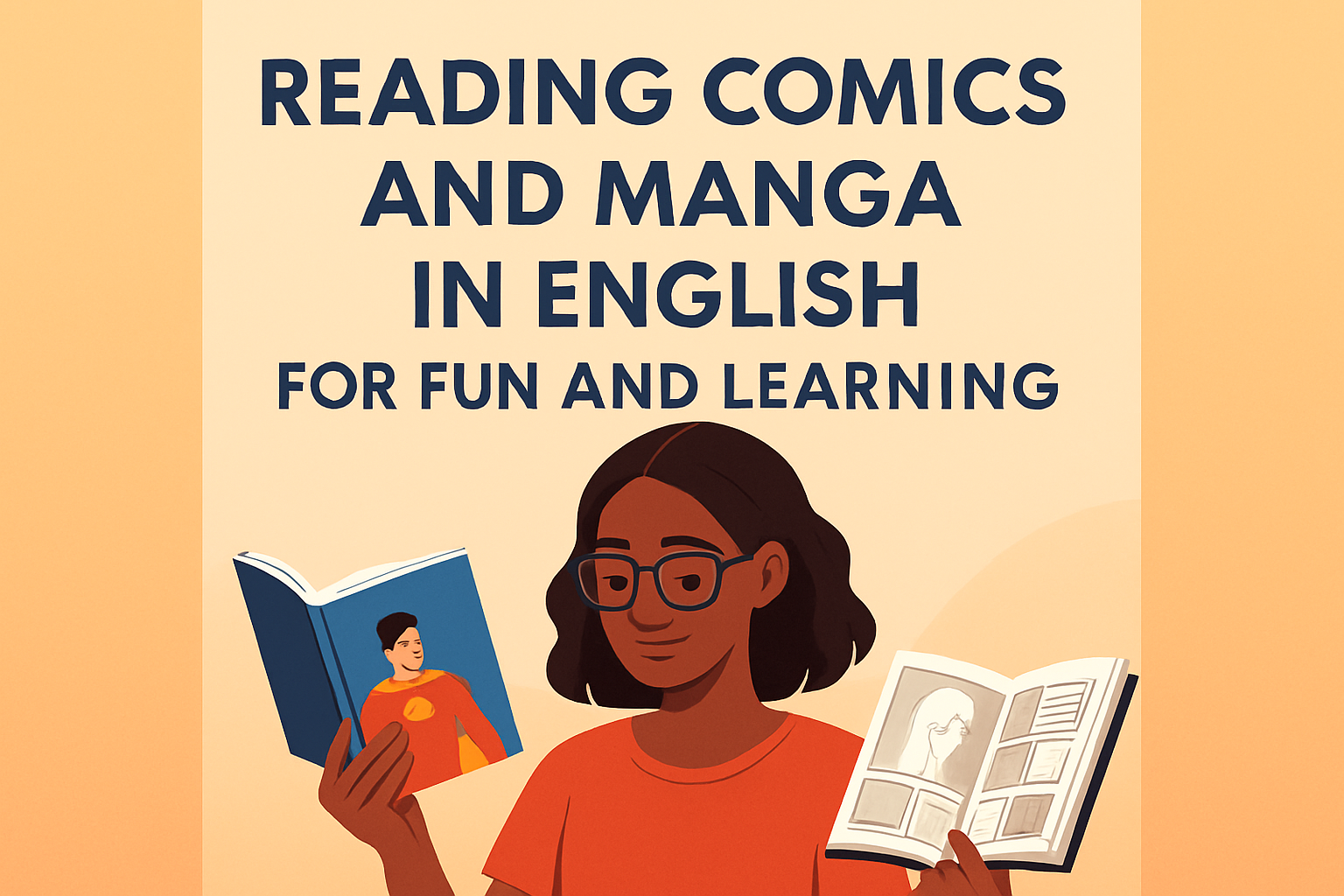
Comic books and manga, which originated as visually-oriented narratives, have evolved into global phenomena enjoyed by millions of readers worldwide. The genre of comics and manga is expanding rapidly, not only as a form of entertainment but also as a valuable tool for learning. Whether it’s immersing oneself in the fantasy world of superheroes or exploring intricate storylines in manga, these mediums offer unique opportunities to enhance language skills, creativity, and cultural understanding. With English being one of the most widely spoken languages, reading comics and manga in English can open doors to a diverse world of stories while contributing to one’s personal development.
Understanding the terms “comics” and “manga” is essential to appreciate their potential fully. Comics are typically recognized as a collection of stories presented in a sequence of panels with brief text, often accompanied by vibrant artwork. Manga, on the other hand, is a style of comic originating from Japan, characterized by its distinct art style and serialized storytelling format. What makes comics and manga particularly intriguing is their ability to appeal to a broad demographic, catering to all ages and tastes. This fascination with illustrated storytelling matters because, beyond entertainment, reading comics and manga in English serves as an enjoyable approach to enhance language skills, promote cultural literacy, and stimulate the imagination.
Enhancing Language Skills Through Comics and Manga
Reading comics and manga in English provides a dynamic way to improve language proficiency, particularly for non-native speakers. Much like traditional literature, comics and manga offer access to a wide range of vocabulary, grammar structures, and idiomatic expressions. However, they do so in a more engaging and visually stimulating manner. For learners who find conventional reading materials daunting, comics and manga present an appealing alternative. By incorporating images alongside text, these resources help readers grasp contextual meaning more swiftly, stimulating comprehension and vocabulary retention.
Take the example of Marvel Comics, a prominent name in the comic book industry. From “Spider-Man” to “The Avengers,” Marvel has produced countless series that capture the imagination of readers across the globe. For English learners, reading Marvel Comics not only builds vocabulary but also introduces cultural references and colloquialisms. These stories frequently include dialogue-driven narratives that mirror everyday conversational English, providing a practical and enjoyable language learning experience.
Cultural Literacy and Global Understanding
Comics and manga serve as cultural ambassadors, granting readers insights into diverse societies and traditions. As readers delve into these stories, they encounter different social norms, historical contexts, and worldview perspectives. Manga, in particular, offers a gateway to Japanese culture, exploring themes that resonate with its society, such as honor, friendship, and perseverance. By understanding these cultural nuances, readers gain a more profound appreciation for the global diversity that shapes storytelling.
Consider “Naruto,” a popular manga series that has amassed a substantial following worldwide. The storyline, which revolves around a young ninja’s journey to becoming the strongest in his village, delves into themes of self-discovery, discipline, and the value of community. While entertaining, “Naruto” simultaneously provides a peek into Japanese folklore, customs, and philosophical concepts, enriching readers’ understanding of Japanese culture. Through exposure to such narratives, readers cultivate a broader worldview, fostering empathy and cultural sensitivity.
Stimulating Creativity and Imagination
The visual and narrative elements of comics and manga not only entertain but also inspire creativity. By exposing readers to imaginative worlds and complex characters, these mediums encourage creative thinking and ignite the imagination. They enable readers to envision new possibilities and explore different realities beyond their own experiences. This stimulation of creativity is essential for both personal and professional growth, as it encourages problem-solving and innovation.
An exemplary use of creativity is evident in the “X-Men” series, a part of the Marvel Comics universe. The X-Men, a team of superheroes with extraordinary abilities, face challenges that mirror real-world social issues such as discrimination and identity. The series explores a range of themes, encouraging readers to think critically about societal norms and individual differences. By engaging with such stories, readers are motivated to reflect on their own experiences and cultivate original ideas, stimulating both personal and intellectual growth.
Engaging Visuals to Complement Learning
To enhance the appeal of comics and manga as learning tools, their engaging visuals are an integral component. The interplay between text and imagery facilitates comprehension, providing visual cues that aid in understanding complex narratives. Comics and manga utilize a variety of artistic techniques, from detailed illustrations to expressive character designs, all of which contribute to the storytelling experience. For readers, these visuals serve as both an interpreter of the text and a catalyst for imagination.
| Elements of Visual Storytelling | Description |
|---|---|
| Panel Layout | The arrangement of panels guides the reader’s eye, influencing the pace and flow of the story. |
| Color and Shading | Visual techniques used to convey mood, time, and setting. |
| Character Design | The visual portrayal of characters which includes clothing, expression, and physique. |
| Symbolism | Use of symbols or motifs to represent deeper meanings within the story. |
In the case of manga like “Attack on Titan,” the distinctive style of artwork enhances the readers’ experience. The series is known for its detailed depiction of emotion and action, allowing readers to feel the intensity of the scenes profoundly. This visual artistry not merely entertains but also enriches the narrative, providing a comprehensive framework for understanding the story’s themes and characters.
Encouraging Lifelong Learning and Exploration
Reading comics and manga in English fosters a lifelong passion for learning and exploration. It encourages readers to delve into new genres, authors, and cultural contexts, continually broadening their intellectual horizons. As individuals encounter a diverse range of themes and storytelling styles, they naturally cultivate an inquisitive mind, eager to explore new ideas and perspectives. Moreover, the accessibility and variety of comics and manga ensure that readers of any age or background can find content that resonates with their interests.
For instance, graphic novels like Art Spiegelman’s “Maus,” a Pulitzer Prize-winning work, introduce readers to historical and complex themes through the lens of comics. “Maus” depicts the harrowing story of the Holocaust, blending historical narrative with powerful visual storytelling. Such graphic novels demonstrate that comics and manga can offer profound insights, prompting readers to engage critically with important issues while expanding their understanding of history and humanity.
Bringing Comics and Manga into the Classroom
The integration of comics and manga into educational settings is gaining momentum as educators recognize their pedagogical value. These mediums can complement traditional literature, offering diverse narratives that cater to different learning styles and preferences. By incorporating comics and manga into the curriculum, educators can foster a more inclusive and engaging learning environment, particularly for visual and kinesthetic learners who thrive on the integration of images and text.
For example, a study unit on Shakespeare could be supplemented with a graphic novel adaptation, such as “Macbeth: The Graphic Novel.” These adaptations provide a visual interpretation of classic texts, making them more accessible to students who might struggle with the original language. Additionally, they encourage discussion about interpretation, adaptation, and the role of visuals in storytelling, enhancing students’ critical thinking and analytical skills.
Conclusion: Embrace Comics and Manga for Personal Growth
In conclusion, reading comics and manga in English is not only a pleasurable pastime but also a multifaceted approach to learning and personal growth. These engaging narratives offer a unique blend of entertainment and education, enriching language skills, cultural literacy, creativity, and critical thinking. By immersing oneself in the diverse world of comics and manga, readers can enhance their understanding of different perspectives, foster creativity, and embark on a journey of lifelong learning.
To experience the benefits of reading comics and manga in English, start by exploring various genres and authors that pique your interest. Whether you are intrigued by the vibrant world of superheroes or the intricate storytelling of manga, there is a wealth of content waiting to be discovered. Engage with these stories, appreciate their cultural insights, and let them inspire your creativity and curiosity. Embrace the fun and learning that comics and manga have to offer and let them accompany you on your educational journey.
Frequently Asked Questions
1. How can reading comics and manga in English help improve language skills?
Reading comics and manga in English can significantly enhance language skills in various ways. First and foremost, these forms of literature provide an accessible and engaging way to expose oneself to the English language. The visual elements, such as illustrations and panel sequences, can aid in understanding the context and meaning of words or phrases that might be new to the reader. This supportive visual storytelling helps reinforce language learning by allowing readers to intuitively grasp the meaning of dialogues and narratives even if they encounter unfamiliar vocabulary.
Moreover, comics and manga often use colloquial and conversational language, which is incredibly beneficial for learning how native speakers communicate in real-life situations. By regularly reading these materials, language learners can expand their vocabulary, improve their understanding of sentence structures, and develop a better sense of the rhythm and tone of English conversations. Characters’ interactions offer authentic examples of everyday language use, providing insights into different speech patterns, slang, and idiomatic expressions.
Finally, the episodic nature of many comics and manga series encourages readers to keep returning to the material, leading to repeated exposure to the language. This naturally aids memory retention and makes the language acquisition process enjoyable and less daunting. Overall, combining fun storytelling with language education makes comics and manga a fantastic tool for language learners.
2. Are there specific genres or types of manga and comics that are more beneficial for learning and why?
Indeed, some genres or types of manga and comics can be more beneficial for learning, depending on the learner’s goals and interests. For those looking to expand their vocabulary in a particular field or develop specific conversational skills, choosing a genre that aligns with those interests is key.
For instance, slice-of-life manga can provide valuable insights into everyday language and cultural norms, as they often portray characters in realistic, modern settings. This genre is perfect for those who wish to learn conversational phrases, understand cultural references, and pick up on nuances in everyday social interactions. Readers get a sense of how people engage in day-to-day conversations, which can be especially useful for anyone planning to visit or live in an English-speaking environment.
On the other hand, science fiction or fantasy comics might introduce readers to more technical terms and imaginative dialogue. They can be particularly advantageous for individuals interested in enhancing their scientific vocabulary or those who enjoy learning words related to speculative worlds. Despite the more specialized language, these genres can also improve creative thinking and media literacy.
Additionally, educational comics designed with learning in mind, such as those that focus on history or science, directly support language acquisition while simultaneously expanding knowledge in those subject areas. Ultimately, the best approach is to choose genres that captivate your interest because enjoyment is a significant factor in sustaining study and development.
3. How can reading comics and manga help boost creativity and imagination?
Comics and manga are brimming with imaginative storytelling and artistic expression, making them exceptional platforms for inspiring creativity and imagination. This stems from their unique combination of visual and textual storytelling, which engages readers’ senses more deeply than one-dimensional media might.
The artwork in comics and manga often showcases a broad spectrum of styles, from realistic to highly abstract. These varied artistic choices challenge readers to perceive the world in diverse ways, sparking creative thinking as they imagine how the illustrated world might reflect or differ from reality. The use of visual metaphors and symbolic motifs commonly found in these media can provide deeper meaning beyond the literal text, encouraging readers to think critically and interpret stories on multiple levels.
Moreover, the narrative structures in comics and manga can be non-linear and experimental, inviting readers to participate actively in piecing together the story. This formats allow for complex character development and plotlines, which can inspire readers to visualize their narratives and stories, enhancing their storytelling skills. The genre encourages readers to explore new ideas and perspectives, often challenging conventional ways of thinking by presenting alternative realities, unexpected twists, and complex moral dilemmas.
Engaging deeply with creative works like comics and manga also invites readers to imagine “what if” scenarios, play with hypothetical ideas, and push the boundaries of their understanding of the world. This exercise in imagination can translate to increased creativity, problem-solving skills, and even innovation in varied fields beyond literature and art.
4. Can reading comics and manga provide insights into cultural understanding?
Absolutely, reading comics and manga offers profound insights into the culture from which they originate as well as into the broader global cultural context. These media are deeply rooted in the cultural nuances of their countries of origin, providing a mirror that reflects societal values, traditions, and social issues.
Manga, being a significant cultural export of Japan, often contains elements that showcase Japanese culture, customs, and traditions. For example, readers might encounter depictions of traditional festivals, food, and family dynamics, offering a glimpse into everyday life in Japan. Additionally, manga often navigates complex social themes such as honor, duty, and personal relationships, providing readers with an understanding of how these themes play out in Japanese society.
Similarly, comics serve as cultural touchstones in Western societies. They can depict critical historical and cultural events, mirror contemporary societal challenges, and comment on political climates. Superhero comics, for instance, often reflect societal hopes, struggles, and ethics, serving as allegories for real-world issues. Through these stories, readers can gain insight into the cultural milieu at the time of their creation and understand the undercurrents that influenced societal perspectives.
By engaging with these culturally enriched narratives, readers improve their cultural literacy and develop a more nuanced understanding of global communities. This awareness fosters empathy and broadens perspectives, making comics and manga not only a means of entertainment but also a bridge to cultural education and understanding.
5. How does the episodic nature of comics and manga benefit reading habits?
The episodic nature of comics and manga significantly contributes to cultivating consistent and rewarding reading habits. Unlike traditional novels that frequently require substantial time commitments, comics and manga are often serialized in shorter, more digestible chapters or issues. This format is perfect for fitting into busy lifestyles, as readers can enjoy a fulfilling reading experience in a shorter window of time.
Additionally, the suspenseful cliffhangers and serial progression typical of these media entice readers to return for the next installment, establishing a regular reading routine. This consistent engagement is crucial for language acquisition and literacy improvement, as regular reading strengthens comprehension skills, reinforces vocabulary retention, and reinforces the language patterns and structures absorbed during reading sessions.
The continuity of stories between episodes allows for in-depth character development and intricate plot arcs, maintaining reader interest and emotional investment over time. As readers follow the characters’ journeys and evolutions, they are encouraged to make predictions, infer outcomes, and engage critically with the evolving narratives. This ongoing engagement helps nurture sustained interest in reading, motivating readers to explore other genres and further expand their reading repertoire.
Ultimately, the episodic nature not only makes reading more accessible and enjoyable but also fosters a sense of anticipation and commitment, contributing to lifelong literacy and a deep love of reading. Whether for leisure, entertainment, or learning, the regular cadence of comic and manga releases is a motivator for continued exploration and enjoyment of literature.





