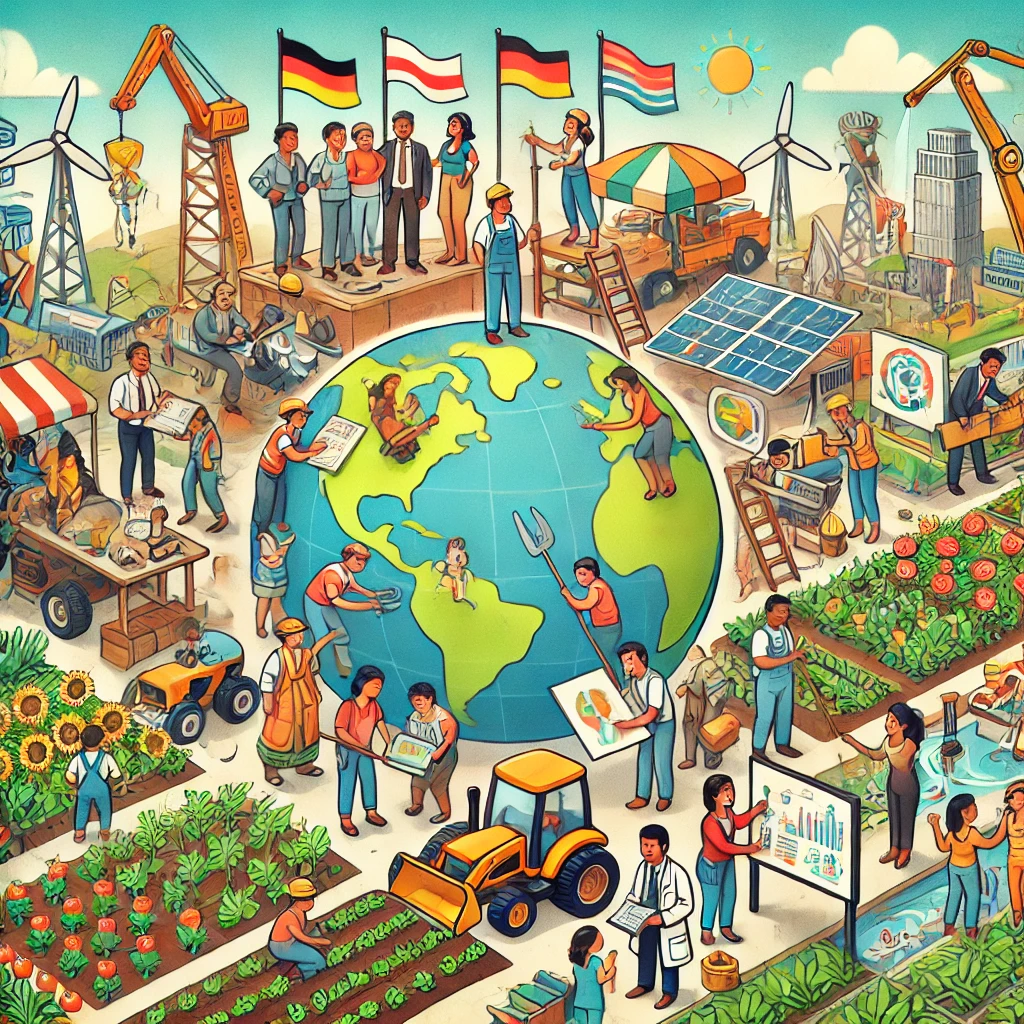
Learning English has enormous benefits, and its influence stretches far beyond individual growth, impacting global development. At 5MinuteEnglish.com, we aim to explore how English, one of the most widely spoken languages in the world, plays a crucial role in the economic, educational, and societal advancement across various countries. This article dives deep into the significant impact of English on international development.
Introduction: The Spread and Influence of English
In today’s interconnected world, English stands out as a global lingua franca. Across diverse continents and cultures, billions of people use English to communicate, conduct business, and access educational resources. As such, the influence of English extends beyond personal advantages, shaping international development in profound ways.
Historically, the spread of English can be traced back to colonial times, especially during the British Empire’s expansion, which laid the groundwork for its global reach. With the advent of the internet and globalization in recent decades, the prominence of English in various spheres—such as technology, media, and academia—has skyrocketed. This broad reach ensures that English not only facilitates cross-cultural communication but also drives progress in multiple sectors.
One of the primary spheres where English has a transformative effect is international business. The official language of numerous multinational companies, English enables seamless interactions among business professionals worldwide. This shared linguistic tool breaks down barriers, fostering collaboration and innovation on a global scale. Moreover, countries where English is widely spoken often attract significant foreign investment, contributing to accelerated economic growth and development.
Economic Advancements Driven by English Proficiency
As globalization continues to knit the world into a tighter web, the ability to communicate in English has become an invaluable economic asset. Proficiency in English can directly influence an individual’s employability, career advancement, and earning potential. Employers increasingly seek candidates who can navigate English-speaking environments and interact with international partners.
At the macro level, countries that emphasize English education tend to experience robust economic growth. For instance, nations like India and the Philippines have capitalized on their English-speaking populations to become global outsourcing hubs. This phenomenon is evident in industries such as customer support, IT services, and content creation, where the ability to communicate effectively in English is a significant competitive advantage.
However, the economic benefits of English extend beyond direct employment opportunities. English serves as a gateway to global markets, allowing businesses to expand their reach and engage with a broader customer base. This international connectivity is particularly crucial for developing countries looking to integrate into the global economy and boost their export potential. As a result, governments and educational institutions increasingly prioritize English language education as a strategic tool for economic development.
Educational Opportunities Through English
In the realm of education, English serves as a bridge to a vast pool of knowledge and resources. Many prestigious universities and educational platforms offer courses and materials predominantly in English. Therefore, proficiency in this language opens doors to a wealth of academic opportunities, from enrolling in top-tier institutions to accessing cutting-edge research and literature.
Moreover, studying in English-speaking environments enhances the quality of education students receive. Countries that have adopted English as a medium of instruction often report higher academic performance and better educational outcomes. This is partly due to the abundance of educational resources available in English, facilitating a richer and more diverse learning experience.
Furthermore, English proficiency enables students to participate in international exchange programs, fostering cross-cultural understanding and global citizenship. These experiences not only broaden students’ perspectives but also prepare them for the global job market. Ultimately, the educational benefits of English contribute to the development of a skilled and knowledgeable workforce, which is essential for the socio-economic progress of any nation.
Societal Integration and Cultural Exchange
Beyond the economic and educational realms, English plays a crucial role in societal integration and cultural exchange. In multicultural societies, English often serves as a common language that bridges diverse communities, promoting social cohesion and mutual understanding. This unifying effect is particularly significant in regions with multiple ethnic groups and languages.
Furthermore, English facilitates cultural exchange on a global scale. Literature, music, film, and other forms of art often transcend borders through the medium of English, allowing people from different backgrounds to share their stories and traditions. This cultural interconnectivity enriches societies, fostering a sense of global solidarity and empathy.
While the influence of English is predominantly positive, it is essential to recognize and address the challenges associated with its widespread use. Language policies should strive for a balanced approach that values linguistic diversity while promoting English proficiency. Encouraging multilingualism ensures that the advantages of English do not come at the expense of preserving cultural heritage and indigenous languages.
Technological Advancements and Digital Inclusion
The digital era has magnified the importance of English, making it a key tool for accessing and utilizing technology. The majority of digital content, software, and online platforms are in English, creating a significant advantage for those who are proficient in the language. This access can be a powerful catalyst for development, enabling individuals and communities to leverage technology for education, business, and social engagement.
For instance, e-learning platforms offer a plethora of courses in English, ranging from basic literacy to advanced technical skills. These resources provide lifelong learning opportunities and help bridge educational gaps, especially in developing regions. Moreover, English proficiency allows individuals to participate in global online communities, fostering knowledge exchange and innovation.
On the other hand, the digital divide poses a challenge, as those who lack English skills may find themselves excluded from the benefits of technological advancements. To address this issue, there is a growing emphasis on creating multilingual digital content and developing user-friendly tools that cater to non-English speakers. By promoting digital inclusion, we can ensure that the advantages of technology are accessible to everyone, regardless of their language proficiency.
Policy Implications and Future Outlook
Given the multifaceted impact of English on international development, policymakers must adopt strategic approaches to maximize its benefits. Encouraging English language education is crucial, but it should be part of a broader framework that supports linguistic diversity and cultural preservation.
Investments in teacher training, curriculum development, and language resources are essential for enhancing English proficiency across different segments of society. Additionally, partnerships with international organizations and educational institutions can help create opportunities for language learning and cultural exchange. These efforts not only improve English skills but also foster global partnerships and collaboration.
Looking ahead, the role of English in international development is likely to continue evolving. Emerging trends such as artificial intelligence, machine translation, and language learning technologies hold promise in making English more accessible and inclusive. By leveraging these innovations, we can empower individuals and communities to participate fully in the global economy and society.
Conclusion
In conclusion, the impact of English on international development is profound and far-reaching. From driving economic growth to enhancing educational outcomes, fostering societal integration, and promoting digital inclusion, English plays a pivotal role in shaping the future of our interconnected world. At 5MinuteEnglish.com, we recognize the importance of English proficiency and are committed to supporting learners on their language journey.
As we navigate the complexities of the 21st century, it is imperative to adopt policies and practices that maximize the benefits of English while respecting linguistic and cultural diversity. By doing so, we can ensure that the advantages of English contribute to a more inclusive, equitable, and prosperous global community.
Together, we can harness the power of the English language to drive international development and create opportunities for individuals and societies worldwide. Join us at 5MinuteEnglish.com in celebrating the impact of English on our vibrant, dynamic, and interconnected world.