

English is no longer just a language; it’s an indispensable tool of global communication. Whether you’re engaging in international business, soaking up new scientific research, or simply enjoying pop culture, English often serves as the bridge between diverse cultures. The extensive use of English across various domains, ranging from commerce to entertainment, makes it vital for individuals to understand its widespread influence. This global prevalence is driving a growing number of non-native speakers to master English, thus further solidifying its status as a global lingua franca.
One can’t ignore the historical factors that have contributed to the ubiquity of English. Colonial history, economic dominance, and the soft power exerted through media and education have all played crucial roles. The ramifications of English as a dominant global language have been significant and multifaceted, affecting everything from international diplomacy to personal relationships. In essence, understanding the influence of English on global communication gives us invaluable insights into the interconnected world we live in today.
In this article, we will explore the various dimensions of English influence, ranging from its historical roots to its role in contemporary global communication. We’ll also delve into how learning English empowers individuals and communities, enabling them to participate in an increasingly interconnected world. By the end of this comprehensive overview, you’ll have a clearer understanding of why mastering English is a crucial skill for anyone aiming to thrive in today’s global landscape.
Historical Context
The historical context is pivotal in understanding how English came to be such a dominant force in global communication. It all began with the British Empire, which, at its height, spanned multiple continents. The imperial expansions of the 18th and 19th centuries ensured that English was spread far and wide. As territories were colonized, English often became a primary or secondary language, laying the foundational stones for its current global status.
The transition from a colonial language to a global lingua franca didn’t happen overnight. Post-World War II, the prominence of the United States significantly contributed to the widespread use of English. The USA’s ascendency in global politics, economics, and culture fostered an environment where English became the go-to language for international communication. This was further aided by the proliferation of American media, including Hollywood films, television shows, and music, which truly globalized English.
Today, the historical legacies of British colonialism and American cultural dominance are evident in the prevalence of English-speaking countries and the widespread aspiration to learn and speak English. It’s crucial for ESL learners to understand this historical background as it provides valuable context for the linguistic landscape they are navigating.
Economic Implications
The economic implications of English proficiency are immense. English often serves as the default language in international business, facilitating transactions, negotiations, and collaborations across borders. Companies seeking to expand their markets and tap into global opportunities invariably rely on English as the medium of communication. In multinational corporations, English is commonly used as the corporate language, thereby streamlining operations and fostering internal cohesion.
For individuals, proficiency in English can significantly impact employability and career advancement. Many high-paying, prestigious roles require at least a basic understanding of English, if not fluency. For instance, professionals in sectors such as technology, finance, healthcare, and academia often find that their career prospects are directly tied to their ability to communicate in English. Thus, investing time and effort into mastering English can yield substantial economic benefits.
Moreover, English proficiency opens up opportunities for entrepreneurship and innovation. Entrepreneurs who are fluent in English can communicate their ideas more effectively to a global audience, attract international investors, and collaborate with partners from different parts of the world. In essence, English serves as a gateway to a myriad of economic opportunities that extend beyond one’s native borders.
Cultural Exchange
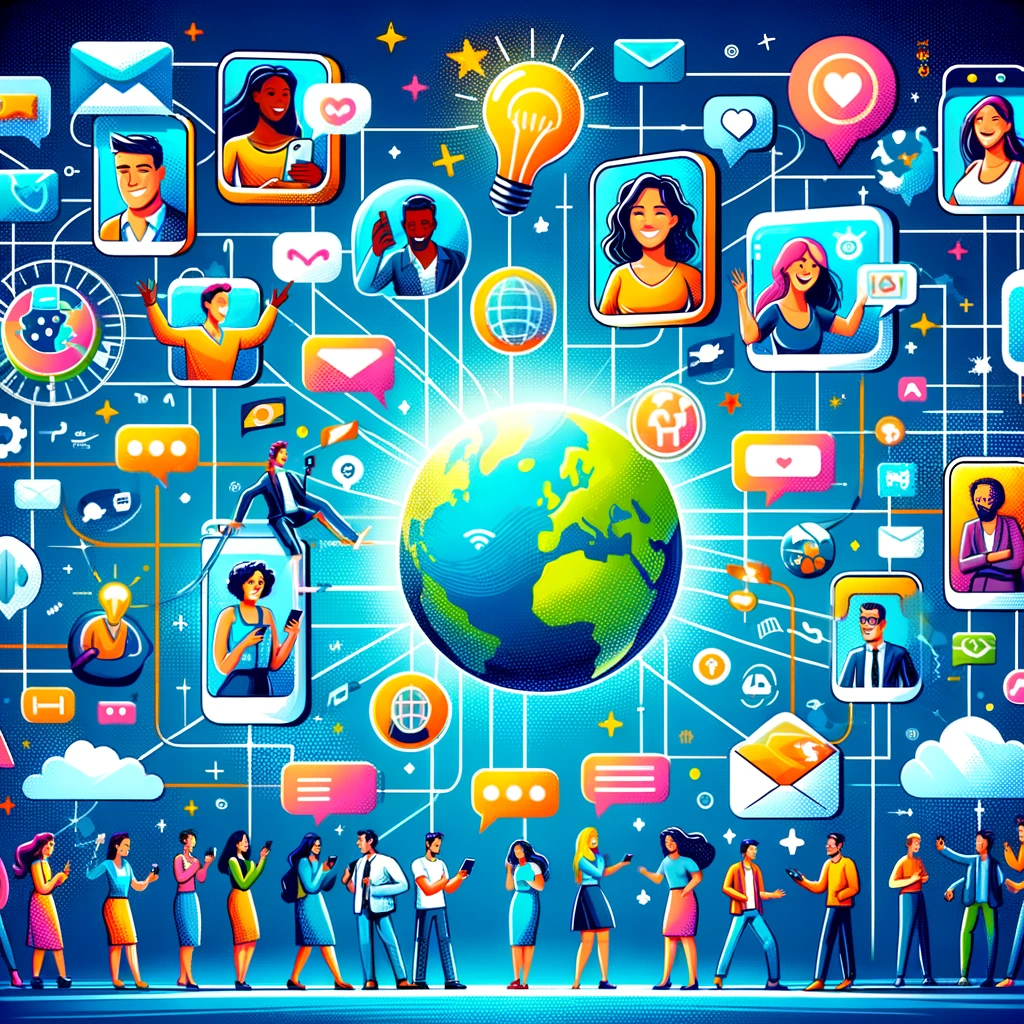
English is a conduit for cultural exchange, allowing individuals from diverse backgrounds to share their experiences, ideas, and traditions. Globalization has led to an unprecedented mingling of cultures, and English often acts as the medium through which this cultural exchange occurs. From literature and films to music and social media, English is a key player in transmitting cultural values and aesthetics across the globe.
This cultural exchange is not a one-way street. While English facilitates the spread of Anglo-American culture, it also serves as a platform for voices from different parts of the world. For example, non-native authors writing in English can reach a global audience, thereby contributing to a richer and more diverse cultural landscape. This exchange fosters mutual respect and understanding among people from different cultural backgrounds.
Moreover, learning English allows individuals to access a wealth of cultural resources that would otherwise be inaccessible. Classic English literature, contemporary films, and educational resources are just a few examples of how English opens doors to cultural wealth. For ESL learners, mastering English is not just about learning a language; it’s about engaging with a global community and contributing to the ongoing cultural dialogue.
Technological Advancements
The role of English in the realm of technological advancements cannot be overstated. The rapid pace of innovation in fields such as information technology, biotechnology, and artificial intelligence is primarily recorded and shared in English. This makes the language an essential tool for anyone looking to stay updated with the latest technological trends and advancements. Research papers, technical documentation, and academic journals are predominantly published in English, making it a necessary skill for professionals and academics alike.
The internet, a key driver of globalization, also operates largely in English. From social media platforms to online courses and forums, a significant portion of digital content is created and consumed in English. For ESL learners, being proficient in English means having access to a treasure trove of online resources, educational tools, and professional networks. The ability to navigate the digital world confidently is increasingly becoming a prerequisite for success in many fields.
Furthermore, English proficiency enables individuals to participate in discussions about technological ethics, policies, and innovations. As technology continues to shape our future, being part of these conversations is crucial. For example, debates about data privacy, artificial intelligence ethics, and the digital divide are often conducted in English. Thus, mastering the language empowers individuals to have a voice in shaping the technological landscape of the future.
The Educational Landscape
The influence of English on the educational landscape is profound. Many of the world’s most prestigious universities and educational institutions offer programs in English, attracting students from around the globe. English-medium education has become a benchmark for academic excellence, providing students with opportunities to gain world-class education and expand their horizons. For ESL learners, mastering English is often a stepping stone to accessing these global educational opportunities.
Moreover, English serves as the primary language of instruction in a wide range of subjects, from the sciences and humanities to business and technology. Textbooks, research papers, and academic articles are frequently published in English, making proficiency in the language essential for academic success. Students who are fluent in English have a distinct advantage when it comes to conducting research, participating in academic discussions, and publishing their work.
English also plays a crucial role in the dissemination of knowledge and innovation. Educational resources, such as online courses, tutorials, and open-access journals, are often available in English, providing learners with valuable tools for self-improvement and professional development. For educators, English proficiency enables them to collaborate with international colleagues, contribute to global research initiatives, and participate in academic conferences and seminars.
Conclusion
The influence of English on global communication is far-reaching and multifaceted. From its historical roots to its role in contemporary society, English has evolved into a powerful tool that facilitates international dialogue, economic prosperity, cultural exchange, technological advancement, and educational excellence. Understanding the significance of English in the global landscape is crucial for individuals seeking to thrive in an interconnected world.
For ESL learners, mastering English is not just about acquiring a new language; it’s about gaining access to a wealth of opportunities and resources that can enhance their personal and professional lives. Proficiency in English empowers individuals to engage with the global community, contribute to meaningful conversations, and access educational and economic opportunities that might otherwise be out of reach. It fosters a sense of belonging and enables individuals to navigate the complexities of a globalized world with confidence.
In conclusion, the ability to communicate effectively in English is an invaluable skill in today’s interconnected world. As the global landscape continues to evolve, the influence of English will undoubtedly remain a significant force, shaping the way we interact, collaborate, and learn. By embracing the power of English, individuals can unlock a world of possibilities and make meaningful contributions to the global community.





