
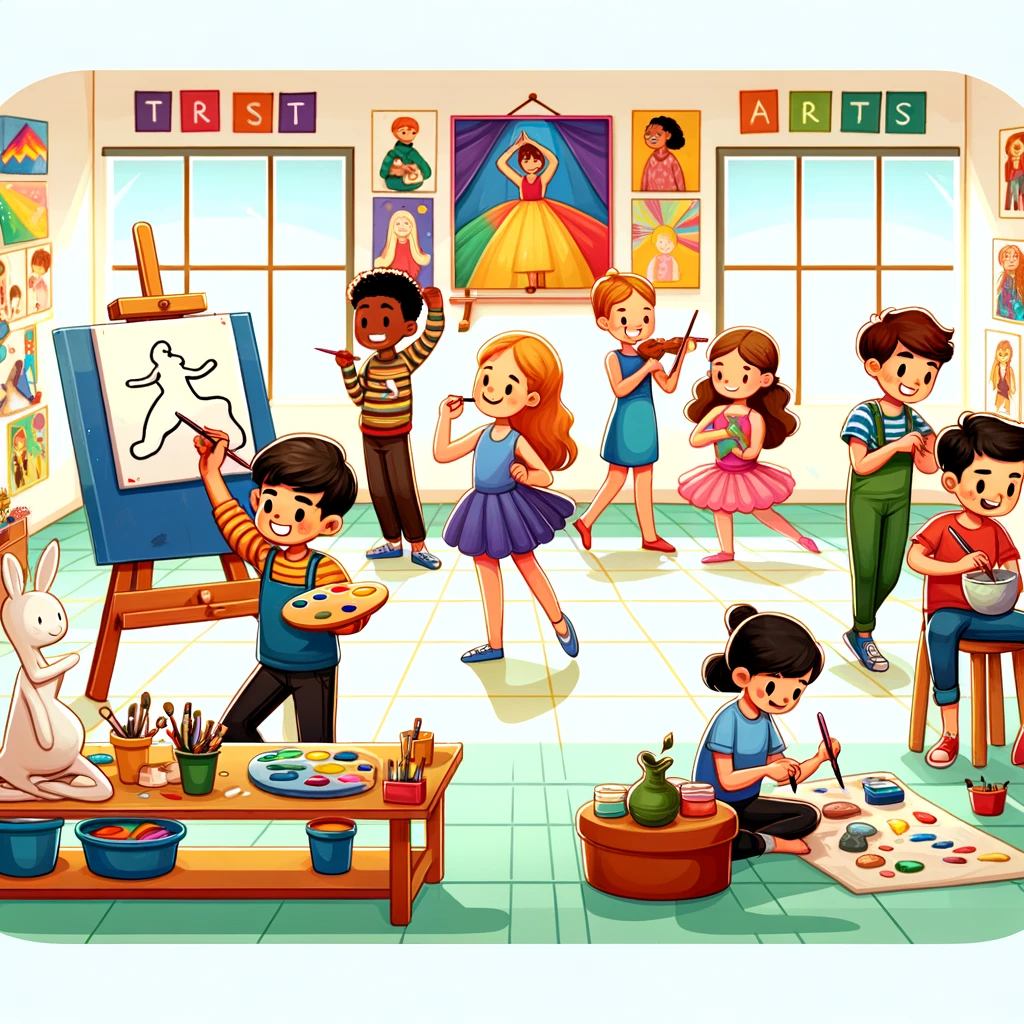
English is not just a language; it’s a pivotal force in the cultural and artistic realms worldwide. It serves as a bridge that connects diverse cultures through various forms of art, including music, literature, film, and visual arts. This article delves into the extensive role English plays across these areas, highlighting its influence and the reasons behind its dominance.
English and Music
Music is a universal language, but English has become the lingua franca of the global music industry. From the Beatles and Bob Dylan to modern artists like Taylor Swift and Ed Sheeran, English-speaking musicians have left an indelible mark on the world. The prevalence of English in music allows artists from different backgrounds to reach a broader audience, facilitating a cultural exchange that enriches the global music scene.
In non-English speaking countries, artists often record songs in English to tap into international markets. This not only broadens their audience but also opens up opportunities for collaborations with other artists, producers, and industry professionals worldwide.
English in Literature
English literature has a storied history that has significantly impacted the literary world. Iconic English authors like William Shakespeare, Jane Austen, and Charles Dickens have influenced countless writers and continue to be studied and revered across the globe. Their works have been translated into multiple languages, making them accessible to a wide range of readers.
Contemporary English-speaking authors like J.K. Rowling and Stephen King attract a global readership, illustrating the ongoing appeal of English-language literature. Furthermore, major literary awards such as the Man Booker Prize and the Nobel Prize in Literature often highlight works in English, further cementing its status in the literary world.
English in Film and Television
Hollywood, based in the United States, is considered the epicenter of the film industry and a major exporter of English-language content. English-speaking films and television shows dominate international markets, shaping global entertainment and cultural norms. Series like “Game of Thrones” and franchises like the Marvel Cinematic Universe are viewed and celebrated worldwide.
The global influence of English-language media extends to streaming platforms like Netflix and Amazon Prime, which offer an extensive array of English content, making it more accessible than ever. This prevalence not only impacts what people watch but also how they interpret various cultural and societal issues depicted in these works.
English in Visual Arts
The visual arts sector, encompassing everything from painting and sculpture to modern installations, also feels the impact of English. Major art institutions like the Museum of Modern Art in New York and the Tate Modern in London offer exhibitions primarily described and explained in English. This not only makes art more accessible to international visitors but also sets English as a standard in the art world.
Furthermore, global art markets, auctions, and fairs typically conduct business in English, making it a crucial language for artists, collectors, and curators worldwide. This common language facilitates the international trade and appreciation of art.
The role of English in the arts cannot be overstated. It has become a crucial tool for cultural exchange and understanding across different art forms. Whether through the lyrics of a song, the dialogue of a film, the narrative of a novel, or the description of a painting, English continues to enrich the global artistic landscape. Its influence extends beyond mere communication, shaping how art is made, appreciated, and interpreted around the world.
As the world becomes increasingly interconnected, the dominance of English in the arts serves both as a medium for global unity and a mirror reflecting the diverse expressions of human creativity. Its continued prevalence in the arts will likely foster further cultural connections and mutual understanding across different communities.

The Expansive Influence of English in Performing Arts
Theater
The influence of English in theater is monumental, especially considering its roots in Shakespearean drama. English-language plays are performed around the world, and many of the most influential playwrights — from Oscar Wilde to Tennessee Williams — have contributed to the global theater repertoire. These works often address universal themes, making them resonate across different cultures.
Furthermore, many international theater festivals and venues prioritize English-language productions, which are more likely to attract a diverse audience. This has helped in the spread of theatrical styles and innovations, such as the immersive theater of Punchdrunk or the verbatim theater that originated in the UK.
Dance
In dance, English holds a place of significance not so much in the dance itself, which is a non-verbal art form, but in the discourse around it. English is the primary language of many international dance journals and conferences, which discuss everything from ballet to contemporary dance. This prevalence makes English essential for dance professionals who wish to engage with global trends and dialogues in their field.
The Role of English in Art Education
English’s dominance extends into the realm of art education. Many of the world’s top art schools are in English-speaking countries, and they attract students from across the globe. Courses are predominantly taught in English, which not only facilitates a multicultural educational environment but also ensures that English-speaking art graduates have a competitive edge in the global job market.
Moreover, the vast majority of art history and criticism literature is written in English. This can sometimes create barriers for non-English speakers but also emphasizes the importance of English proficiency for anyone looking to advance in the arts academically or professionally.
Digital Arts and Media
In the realm of digital arts and media, English dominates as the key language of software development, tutorials, forums, and professional exchanges. From graphic design software like Adobe Photoshop to 3D animation tools like Autodesk Maya, the default language is typically English. This universality facilitates international collaboration and learning, allowing ideas and innovations to spread quickly across borders.
Cultural Exchange and Diversity
While English serves as a bridge in the arts, it is also important to recognize the diversity it brings into the artistic dialogue. Artists who learn and incorporate English into their work often blend it with their native languages and cultural expressions, creating hybrid forms that are both unique and globally relatable. This intermingling of languages and cultures enriches the arts, fostering a more inclusive and dynamic global arts scene.
Challenges and Critiques
Despite the benefits, the dominance of English in the arts is not without its critics. Some argue that it can lead to cultural homogenization, where unique local traditions may be overshadowed or undervalued in favor of more globally recognized English expressions. There is also the concern of accessibility, as artists and audiences who do not speak English might be excluded from certain conversations and opportunities.
Looking Forward
As the global landscape evolves, the role of English in the arts continues to be both celebrated and critiqued. It remains a powerful tool for global engagement and expression, yet there is an increasing push for multilingualism and the preservation of local languages and cultures within the arts. Balancing these dynamics will be key to ensuring that the arts remain a vibrant and inclusive platform for human expression.
Conclusion
The role of English in the arts is expansive and multifaceted, influencing not only the creation and dissemination of art but also how it is taught, critiqued, and appreciated globally. As English continues to facilitate cultural exchange and innovation across the arts, it is also paving the way for a more interconnected and expressive global community. The challenge for the future will be to harness this global lingua franca while fostering and celebrating linguistic and cultural diversity within the arts.





