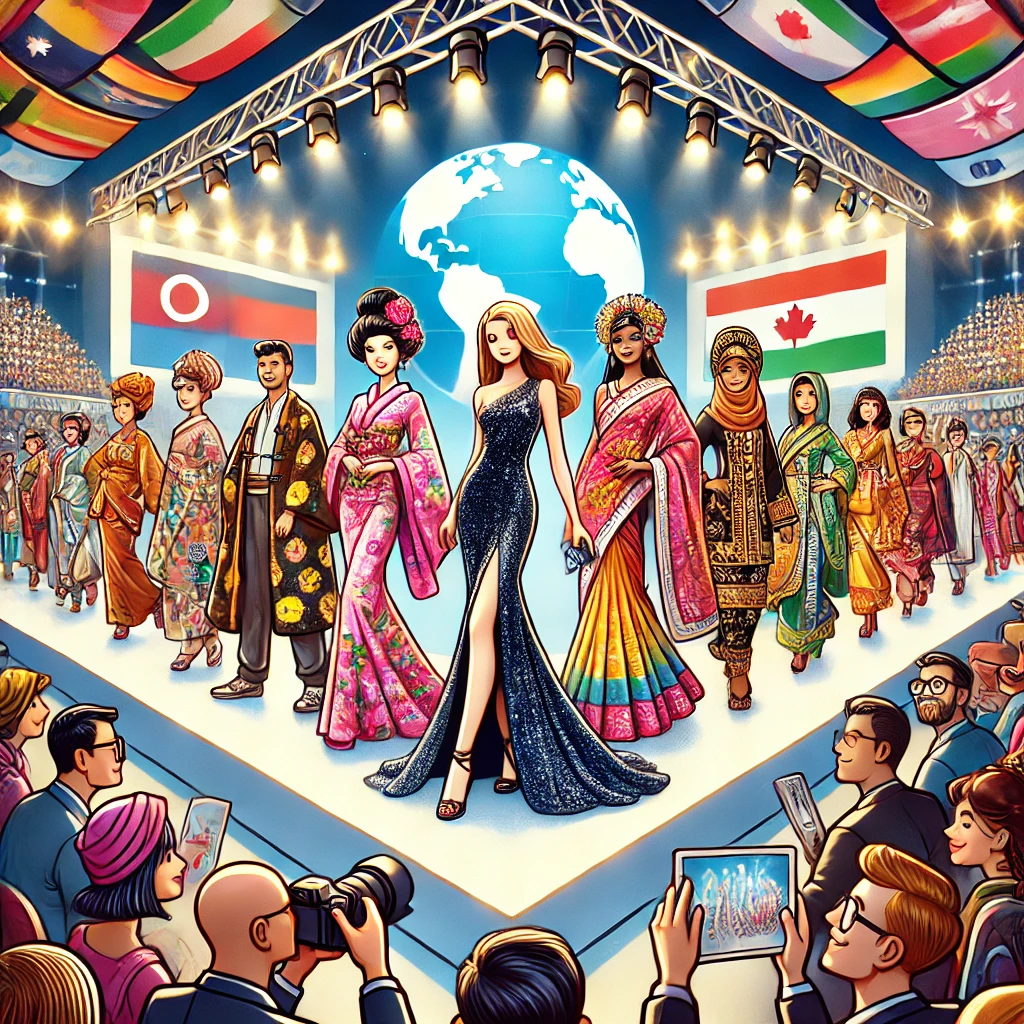
Fashion shows are glamorous events that combine art, design, and elaborate performances to captivate audiences worldwide. As English has become a global lingua franca, its influence is profoundly observed in the realm of international fashion shows. By understanding the role of English in this vibrant and diverse industry, one can gain deeper insights into cultural immersion and appreciate the interconnectedness of fashion and language.
Introduction
The world of fashion is ever-evolving, and fashion shows serve as pivotal moments where designers, models, and influencers converge to unveil the latest trends. These events are not just a display of sartorial creativity but also a reflection of cultural shifts and global communication. English, owing to its widespread use, plays an instrumental role in bridging cultural and linguistic gaps in the fashion industry.
Notably, many prominent fashion shows, whether held in New York, Paris, London, or Milan, predominantly use English as their primary language for communication. From the runway commentary to press releases, interviews, and social media posts, English facilitates a seamless dialogue between designers and their global audience. This linguistic dominance extends beyond native English-speaking regions, influencing fashion events in Asia, South America, and other non-English-speaking areas.
As we delve into the influence of English on global fashion shows, it’s essential to consider how this linguistic integration affects not only the industry professionals but also the consumers and aspiring fashion enthusiasts worldwide. Through cultural immersion, individuals learn to appreciate diverse fashion aesthetics while gaining proficiency in English. This immersion serves as a testament to the power of language in uniting different cultures through the universal medium of fashion.
English as the Lingua Franca of Fashion
In the past few decades, English solidified its position as the lingua franca of various industries, and fashion is no exception. The necessity for a common language in international forums led fashion houses and media to adopt English widely. This adoption simplifies collaborations among multinational design teams, buyers, and editors. For instance, a Japanese designer presenting in Paris or an Italian model walking the runway in New York seamlessly interact using English, fostering a cohesive professional environment.
The prevalence of English in fashion shows extends to the digital landscape. Major fashion magazines, blogs, and online platforms predominantly publish content in English, ensuring maximum reach and engagement. Consequently, aspiring designers, models, and fashion enthusiasts must acquire proficiency in English to access educational resources, participate in discussions, and establish a significant presence in the industry.
Additionally, fashion Terminology, which includes terms like “haute couture,” “prêt-à-porter,” “runway,” and “fashion-forward,” often merges French roots with English usage, highlighting the interconnectedness of language and culture in the industry. This blend of languages accentuates the global nature of fashion, making it accessible and relatable to audiences worldwide.
Through this widespread linguistic integration, English has not only facilitated communication but also shaped the narrative of fashion. The adoption of English terminology and its omnipresence in media coverage and industry events exemplifies the language’s pivotal role in defining and disseminating fashion trends globally.
The Role of Media and Social Platforms
Media and social platforms play a crucial role in the fashion industry’s dynamics. In the digital age, platforms like Instagram, TikTok, YouTube, and fashion-specific websites have revolutionized how fashion shows are presented and perceived. These platforms predominantly use English, amplifying its influence on global fashion visibility and discourse.
Fashion influencers and bloggers, many of whom operate in English, significantly impact public perception and trend adaptation. Their reviews, live streams, and behind-the-scenes coverage offer real-time insights into fashion shows, making them more accessible to a global audience. Consequently, non-English-speaking fashion enthusiasts often learn and engage with English content to stay updated with industry trends.
Furthermore, major fashion publications such as Vogue, Elle, Harper’s Bazaar, and GQ publish their content primarily in English, even if they have regional editions in other languages. These publications’ extensive coverage of international fashion shows ensures that readers receive timely and comprehensive insights, regardless of their geographical location.
The synergy between fashion media and social platforms underscores the importance of English as a bridge connecting diverse cultures through a shared interest in fashion. By engaging with English content, individuals immerse themselves in a global community, enhancing their cultural and linguistic knowledge.
Education and Professional Opportunities
Pursuing a career in fashion often necessitates proficiency in English, given the language’s prominence in educational institutions and professional environments. Many prestigious fashion schools, such as Parsons School of Design, Central Saint Martins, and the Fashion Institute of Technology, conduct their programs in English, attracting students from around the world.
Proficiency in English opens doors to internships and job opportunities with renowned fashion houses, magazines, and agencies. International fashion events, such as Fashion Weeks in major cities, attract a diverse pool of talent who communicate primarily in English. Aspiring professionals must be able to articulate their ideas, collaborate with peers, and network effectively in English to thrive in these competitive environments.
Moreover, online courses and webinars focusing on fashion design, marketing, and business are predominantly offered in English. These resources provide valuable knowledge and skills, enabling individuals to stay ahead in the rapidly evolving fashion landscape. The ability to comprehend and engage with such content is crucial for personal and professional growth in the industry.
English proficiency thus serves as a catalyst for educational and career advancements in fashion, empowering individuals to scale new heights in a multicultural, globalized industry.
Cultural Exchange and Creativity
Fashion is a reflection of cultural expressions and creativity. The incorporation of English in fashion shows facilitates cultural exchange, allowing designers to showcase their heritage and traditions to a broad audience. This exchange fosters mutual understanding, respect, and appreciation among diverse cultures.
Designers often draw inspiration from different cultures, blending traditional elements with contemporary styles to create unique collections. English serves as the common thread that weaves these inspirations together, enabling designers to communicate their creative vision and narrative effectively to an international audience.
Additionally, collaborations between designers from different parts of the world often transcend linguistic barriers through the use of English. Such collaborations result in innovative designs that celebrate multicultural influences, contributing to the fashion industry’s diversity and richness.
By embracing English in fashion shows, the industry not only promotes cultural immersion but also encourages creativity and innovation. This linguistic and cultural amalgamation enriches the fashion landscape, making it more dynamic and inclusive.
Consumer Engagement and Experience
Consumer engagement is pivotal to the success of fashion shows, and English significantly enhances this engagement. Brands use English to communicate their message, values, and stories to a global audience, ensuring an inclusive and immersive consumer experience.
From online live streams to interactive fashion show apps, brands leverage English to provide consumers with a seamless and engaging experience. Virtual tours, detailed descriptions of collections, and interactive features enable consumers to connect with the brand and its offerings, regardless of their location.
Moreover, English facilitates customer feedback and interactions on social media platforms, allowing brands to understand consumer preferences and tailor their strategies accordingly. This two-way communication fosters a sense of community and loyalty among consumers, driving brand success and growth.
By integrating English into their communication strategies, brands enhance consumer engagement and ensure that their fashion shows resonate with a diverse and global audience.
Conclusion
The influence of English on global fashion shows is undeniable, permeating every aspect of the industry. From facilitating communication among industry professionals and enhancing media coverage to providing educational opportunities and fostering cultural exchange, English plays a crucial role in shaping the fashion landscape.
As fashion continues to evolve, the integration of English will remain essential in promoting cultural immersion and global connectivity. By embracing English, the fashion industry not only bridges linguistic and cultural gaps but also celebrates diversity and creativity, making fashion accessible and relatable to people worldwide.
For ESL learners, engaging with the world of fashion through English offers a unique and enriching opportunity to enhance their language skills while immersing themselves in a vibrant and dynamic global community. Whether pursuing a career in fashion or simply following the latest trends, proficiency in English empowers individuals to connect, learn, and thrive in this multifaceted industry.