
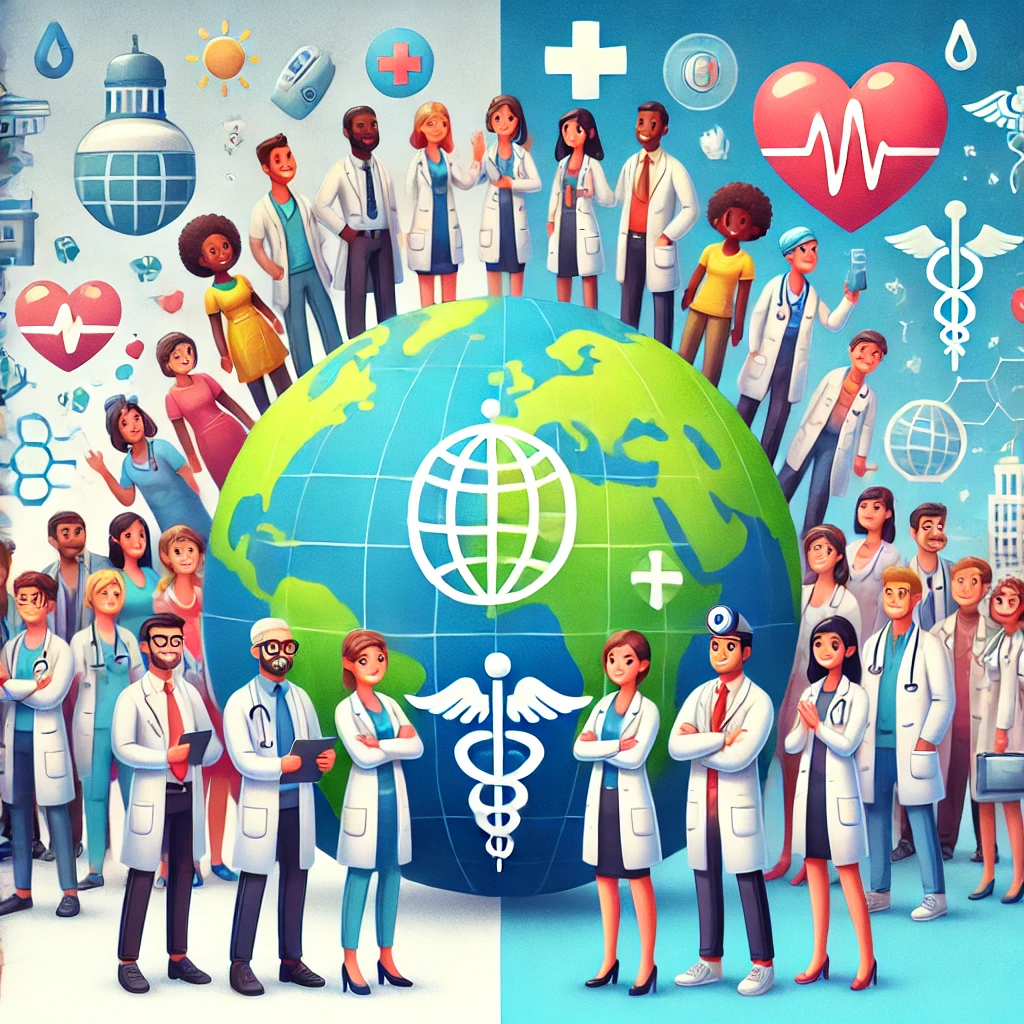
As the world’s most widely spoken second language, English plays a pivotal role in various domains of international collaboration, including global health organizations. With the increasing interconnectedness of our global community, the need for a common language to communicate effectively has never been more critical. For global health organizations, English serves as this lingua franca, enabling seamless cooperation and coordination across borders. Whether it’s through research publications, training sessions, or cross-functional meetings, English becomes the bridge that connects healthcare professionals, policymakers, and other stakeholders who are working tirelessly to improve public health outcomes worldwide.
However, the dominance of English within global health organizations is not merely a matter of convenience; it has profound implications on the effectiveness of healthcare delivery and the dissemination of crucial health information. Understanding these implications is essential for anyone involved in the field of global health, from medical practitioners and researchers to administrative staff and translators. This article will explore how English is utilized in global health organizations, the benefits it brings, the challenges it poses, and the strategies that can be implemented to maximize its advantages while mitigating its downsides.
For non-native English speakers working in these organizations, mastering the language is not just an asset but a necessity. Whether you are an ESL learner looking to break into the global health sector or a seasoned professional seeking to enhance your language skills, this article aims to provide a comprehensive understanding of the role English plays in this critical field. Read on to discover the various dimensions of English usage in global health and how it impacts the work of saving lives and improving well-being across the globe.
English as a Common Language in Research and Publications
One of the most significant areas where English plays a crucial role is in the realm of research and publications. Academic journals, research papers, and medical guidelines are predominantly published in English, making it the principal language for sharing scientific knowledge and medical advancements. This widespread use of English in academic publishing ensures that research findings are accessible to a global audience, facilitating the cross-pollination of ideas and fostering international collaboration.
For researchers and healthcare professionals from non-English speaking countries, proficiency in English is essential for both contributing to and benefiting from this vast repository of knowledge. It allows them to stay updated with the latest developments, participate in international conferences, and publish their own research in high-impact journals. Moreover, the standardization of medical terminologies in English ensures consistency in understanding and interpreting research findings, which is vital for advancing global health initiatives.
However, this linguistic dominance also raises concerns about the accessibility of information for those who are not fluent in English. Language barriers can hinder the dissemination of valuable research, especially to healthcare practitioners working in regions where English is not widely spoken. To address this issue, many organizations are investing in translation services and promoting multilingual publications to ensure that critical health information reaches diverse audiences. Nonetheless, the ability to comprehend and communicate in English remains a significant advantage in the field of global health research.
Training and Capacity Building in English
The importance of English extends beyond research and publications to encompass training and capacity-building initiatives within global health organizations. Many training programs, workshops, and educational materials are developed and delivered in English, particularly in countries where the local healthcare workforce needs to be updated on the latest medical practices, technologies, and protocols. English serves as the medium for imparting essential skills and knowledge to professionals from various linguistic backgrounds, thereby enhancing their competencies and improving the quality of healthcare services.
For instance, international organizations such as the World Health Organization (WHO) and the Centers for Disease Control and Prevention (CDC) often conduct training sessions in English, either in-person or through online platforms. These trainings cover a wide range of topics, from emergency response and disease prevention to public health administration and clinical best practices. By using English as the instructional language, these programs can reach a broader audience and ensure that the training content is universally understood and applied.
While the use of English in training programs offers numerous benefits, it can also pose challenges for participants who are not proficient in the language. To bridge this gap, many organizations provide language support services, such as bilingual instructors, translated materials, and language proficiency courses, to help non-native English speakers fully engage with the training content. Additionally, fostering a multilingual environment within training settings can encourage greater participation and collaboration among diverse groups, ultimately strengthening the overall impact of capacity-building efforts in the global health sector.

English in Communication and Collaboration
Effective communication and collaboration are the bedrock of successful global health initiatives, and English plays a crucial role in facilitating these processes. In multinational health organizations, English is often designated as the official working language, enabling team members from different countries to interact seamlessly. Whether it’s through emails, reports, video conferences, or face-to-face meetings, English serves as the common medium for sharing information, discussing strategies, and making decisions.
The ability to communicate in English is particularly important for leaders and managers in global health organizations, as they need to coordinate efforts across diverse teams, engage with external stakeholders, and represent their organizations at international forums. Strong English communication skills ensure that they can articulate their ideas clearly, negotiate effectively, and build partnerships that are critical for advancing health initiatives.
However, reliance on English as the primary language of communication also has its drawbacks. It can create a communication barrier for non-native English speakers, leading to misunderstandings, reduced participation, and feelings of exclusion. To address this issue, many organizations are adopting strategies to promote linguistic diversity and inclusion. These include providing language training programs, encouraging the use of multiple languages in meetings, and leveraging translation and interpretation services to ensure that all team members can contribute meaningfully to discussions. By fostering an inclusive communication environment, global health organizations can harness the full potential of their diverse workforce and drive more effective collaboration.
English in Policy Development and Advocacy
Policy development and advocacy are integral components of global health work, and English plays a key role in these areas as well. Many global health policies, guidelines, and advocacy materials are drafted and disseminated in English, ensuring that they can be widely understood and adopted by governments, organizations, and communities around the world. English serves as the common language for articulating policy goals, advocating for health equity, and mobilizing resources and support for health initiatives.
For policymakers and advocates, proficiency in English is essential for engaging in international dialogues, influencing global health agendas, and building coalitions to address pressing health issues. English enables them to communicate their policy positions effectively, collaborate with counterparts in other countries, and participate in global forums such as the United Nations and the World Health Assembly. Through these platforms, they can amplify their voices, share best practices, and advocate for policies that promote better health outcomes across diverse populations.
Nonetheless, the dominance of English in policy development and advocacy can also marginalize non-English speaking stakeholders. To promote inclusivity and ensure that diverse perspectives are represented, many organizations are making efforts to translate policy documents and advocacy materials into multiple languages. Additionally, involving bilingual and multilingual professionals in policy discussions can help bridge language gaps and facilitate more inclusive and effective advocacy efforts. By embracing linguistic diversity, global health organizations can enhance the impact of their policy and advocacy work and ensure that their initiatives resonate with diverse communities worldwide.
Challenges and Opportunities
While the use of English in global health organizations offers numerous advantages, it also presents several challenges that need to be addressed. One of the primary challenges is ensuring that non-native English speakers have the necessary language skills to participate fully in various aspects of global health work. Language barriers can hinder effective communication, collaboration, and knowledge sharing, ultimately affecting the success of health initiatives.
To overcome these challenges, global health organizations must invest in language training and support services for their staff. Providing opportunities for language learning, such as English proficiency courses, language immersion programs, and ongoing language development resources, can help non-native speakers improve their skills and confidence in using English. Additionally, leveraging technology, such as translation tools and language learning apps, can enhance language support and make it more accessible to a broader range of professionals.
Another challenge is balancing the need for a common language with the importance of linguistic diversity and inclusion. While English serves as an effective medium for global communication, it is essential to recognize and respect the linguistic and cultural diversity of the global health workforce. Promoting a multilingual environment, encouraging the use of local languages, and providing translation and interpretation services can help create a more inclusive and collaborative work environment.
Despite these challenges, the widespread use of English in global health organizations presents significant opportunities for improving health outcomes worldwide. By facilitating international collaboration, enhancing access to knowledge, and promoting effective communication, English serves as a powerful tool for advancing global health goals. By addressing language barriers and fostering linguistic inclusivity, global health organizations can unlock the full potential of their diverse workforce and drive more impactful health initiatives.
Conclusion
In conclusion, English plays a critical role in the operations of global health organizations, serving as the common language for research, training, communication, policy development, and advocacy. Its widespread use facilitates international collaboration, enhances access to knowledge, and supports the dissemination of health information to diverse audiences. For non-native English speakers working in global health, proficiency in English is essential for contributing to and benefiting from these efforts.
However, the dominance of English also presents challenges, particularly for those who are not fluent in the language. Addressing these challenges requires a commitment to language training and support, as well as the promotion of linguistic diversity and inclusion within global health organizations. By investing in language development and adopting inclusive practices, organizations can ensure that all team members can participate fully in their work and contribute to advancing global health goals.
Ultimately, the role of English in global health organizations is multifaceted and dynamic. It is a powerful tool for connecting professionals, sharing knowledge, and driving impactful health initiatives. By embracing and addressing the linguistic needs of their diverse workforce, global health organizations can enhance their effectiveness and better serve communities around the world. As the global health landscape continues to evolve, the importance of English—and the commitment to linguistic inclusivity—will remain key factors in achieving better health outcomes for all.





